

Debut song of an 80s visual-kei band

Visual kei bands, with their glamorous and sometimes decadent aesthetics that captivate many, have enduring popularity among both men and women.
Many visual kei bands debuted in the 1980s, but how much do you know about their debut songs?
Here, we’ve put together a roundup of debut songs from 1980s visual kei bands.
- A special feature on classic and hit songs by bands that were active in the 1980s
- Debut song of a 90s visual kei band
- Debut song of a Japanese band from the 80s
- A collection of hit songs and classics that opened the door to 1990s Visual Kei
- The debut song of a Japanese rock band from the 1980s
- A classic masterpiece of visual kei. A staple and popular song representing V-kei rock.
- [1980s] Debut Songs and Classics by Japanese All-Girl Bands
- Debut songs by female artists from the 1980s
- Including global hits! 80s songs popular on TikTok
- [Neo-Visual Kei] A roundup of popular songs by V-kei bands from the 2000s
- Top Male Singer-Songwriter Hits of the 1980s: Ranking [2026]
- Debut song of an enka singer
- Legendary Western rock masterpieces and hit songs of the 80s
Debut songs by visual kei bands from the 1980s (21–30)
INSANEREACTION

This is a song that can be called both the origin and the very essence of REACTION, the band that made its name roar across the ’80s metal scene.
The raw shouts that hurl inward-swirling passion and the breathless drive of the performance pushed to its limits leave a fierce impression.
The storm-like, raging rhythm section fuses with razor-sharp guitar riffs to shake the listener’s emotions to the core.
This track appears on the indie classic INSANE, released in July 1985; some may know the anecdote that, despite being the label’s very first release, it sold over ten thousand copies.
When you’re seized by inescapable frustration or a sense of stagnation, this pure destructive impulse will blow away the murk in your heart.
RosenfeldROSENFELD

This is a signature track bearing their own name, recorded on the demo tape “B” that ROSENFELD—who dominated Osaka’s thrash metal scene—distributed in April 1989.
The sound, where razor-edged guitar riffs slice like metal and sky-piercing high-tone shouts attack in unison, is nothing short of overwhelming.
Their true essence lies in a style that fuses aggressive metal with a refined, dramatic aesthetic reminiscent of the visual scene of the era.
Through themes of war and violence, their stance of hurling their very existence against the world grips many listeners by the heart.
It’s a song brimming with pure early impulse that leads into their later hallmark work, “Pigs of the Empire.” When you’re ready to break through something, this ferocious energy will give you a powerful push forward.
Debut songs of visual kei bands from the 80s (31–40)
The Ugly Ducklingkamaitachi

This is a signature track by Kamaitachi, a visual kei punk rock band formed in Kyoto, often described by the nickname “Hachamecha-kurui” (roughly, “chaotic madness”).
Using a well-known fairy tale as its motif, the song portrays the sorrow of someone mocked and alienated by others, along with a yearning for the beauty hidden within.
Its defiant stance against being judged by appearance and the heartfelt wish to one day be recognized for one’s true self pierce the heart, carried by a raw, aggressive punk sound.
The track was included on their first album, Itachigokko, released in September 1989, and later appeared on the major-label release Hachamecha Kurui as well.
If you listen to it when you feel isolated from those around you, or on nights when you’re determined to stay true to yourself, it’s sure to stir your spirit.
Kiss… straight to heavenUP-BEAT

This is the debut single by UP-BEAT, a band formed in 1981 in Kitakyushu.
Known for their high-paced pop tunes, this track is truly a standout, combining a driving, relentless beat with an urban sophistication underpinned by polished lyrics.
Flowers of EvilMADAME EDWARDA

This track captivates with a decadent worldview unique to MADAME EDWARDA, cloaked in a gothic, literary aura.
Its complex structure—woven with irregular meters and key changes—surely stood out as something singular even within the scene of the 1980s.
The song seems to portray the uncanny allure that only the forbidden possesses, and the pure emotions that glitter within that sense of transgression.
Zin’s vocals beckon listeners into a world of exquisite, aesthetic storytelling.
The piece appears on the 1984 album The Hysterical Marquise, and brims with the pure energy that could be called the band’s origin point—energy that went on to profoundly influence later scenes.
Why not give it a listen on a night when you want to forget the everyday and sink into a slightly mysterious mood?
BYE-BYEuchōten
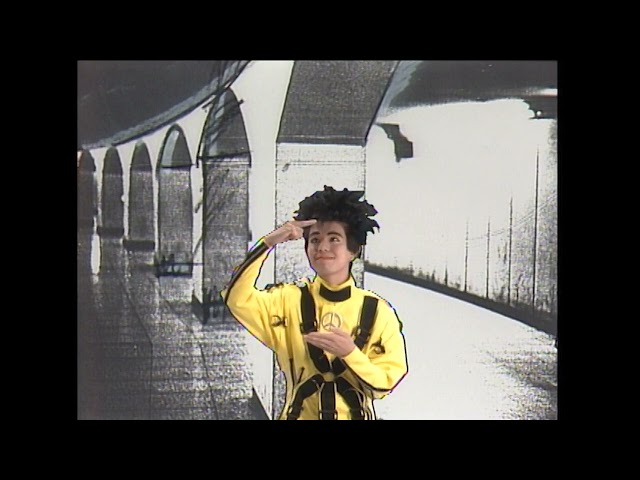
This is Uchoten’s major-label debut, which stood out with a unique presence as one of the “Big Three” of the indie scene.
Over a square beat and a simple, looping synth riff, KERA’s vocals resound quietly.
The song seems to depict meetings and partings, and a farewell to that “something” at the core of those relationships.
The lyrics, understated yet piercing with a hidden melancholy, make you inevitably overlay them with your own past.
Released in September 1986 alongside the album Peace, it’s a landmark work.
On the eve of an ending, rather than sinking into mere sentimentality, you may want to reflect on the meaning of the time that has passed.
Listen on such a night, and its philosophical questioning will sink deeply into your heart.
Honky-Tonky CrazyBOØWY

This is BOØWY’s landmark first major-label single, released in June 1985, by the band that dominated the music scene of the ’80s.
The moment you hear the brisk shuffle beat and Tomoyasu Hotei’s razor-sharp guitar cutting, your body starts keeping time before you can think—an impulsive rock track through and through.
Kyosuke Himuro’s shouts amplify the fleeting rush felt by young people tearing through the city night.
Released following the album “BOØWY,” this single featured ““16”” on the B-side, showcasing the band’s multifaceted character.
When you want to break free from a constricting everyday life, why not surrender yourself to this sound? Its pure energy will set your heart free.
There’s often talk about whether BOØWY counts as visual-kei; while opinions vary, I included them here because I believe they exerted no small influence.