


A classic masterpiece of visual kei. A staple and popular song representing V-kei rock.


Visual kei rock, ignited by X JAPAN and exploding into a massive boom in the ’90s.
Though it went through a lull, today it has become a firmly established, internationally recognized genre, known abroad simply as “Visual Kei.” Encompassing everything from metal and gothic rock to classical and punk within the “visual kei” package, it enabled a wide range of expression—truly a uniquely Japanese musical genre.
This time, we’ll introduce a selection of iconic songs from visual kei bands that symbolize its history!
A classic of visual-kei. Staple, popular songs representing V-kei rock (1–10)
VampireJanne Da Arc
Janne Da Arc is a band that left a tremendous impact on the visual kei rock scene from the late 1990s through the 2000s.
Although they went on hiatus in 2007, vocalist yasu has been active as Acid Black Cherry.
ABC is currently on hiatus as well, but I’m hoping they’ll return someday.
Their song “Vampire” is renowned as one of Janne Da Arc’s masterpieces, featuring a sound that introduced a level of catchiness not previously seen in visual kei.
While catchy, it’s by no means a safe, watered-down track—hard rock elements are woven throughout, making it a must-listen for hardcore rock enthusiasts, too!

Yanderu GirlfriendR shitei

It has a high number of views on YouTube as well, so you could say the song is very popular.
At first glance it may give the impression of being needy or endlessly depressive, but turning that on its head, it’s a song that has saved many people and helped them find hope to live.
loserArurukan

While inheriting the Nagoya-kei lineage, Arlequin is creating a new worldview.
At first glance, “Dame Ningen” might seem like a fun song, but its rich melodies, despair-inducing lyrics, and the vocalist’s shift from death growls to a beautiful singing voice will draw you deeper into Arlequin the more you listen.
ROSIERLUNA SEA

If bands like X JAPAN laid the foundations of visual kei in the ’80s, then it’s fair to say LUNA SEA were the band that, from the ’90s onward, elevated the genre’s music and style to a state of completion.
Their entire career is spoken of as legend, and the influence they exerted beyond the confines of visual kei on the bands that followed is immeasurable.
It was their 1994 single “ROSIER” that became the catalyst for their surge in recognition.
Centered on a tightly forged band ensemble driven by hard, fast-paced guitar work, a catchy chorus that repeatedly intones one of visual kei’s most important keywords—“yurete” (“sway”)—and deeply meaningful English lyrics penned by bassist J, who wrote the original song…
Along with the music video that won the Japan Record Award for Best Promotional Video, band kids across Japan admired their commanding presence at the time.

ALKALOIDLaputa

A song characterized by a dark, energetic progression, it captivates with a powerful force that overwhelms the listener from the very beginning.
The shouted vocals, clean-toned guitar, and aggressive drums and bass fuse together to draw the listener into Laputa’s world.
The abstract lyrics make extensive use of scientific terms and mathematical symbols, conveying dissatisfaction with and protest against modern society and the human psychological state.
Included on the album E—Emadara—Madara, released in June 1997, this track is a pivotal piece that solidified Laputa’s musical identity.
It fully showcases the allure of visual kei rock, making it highly recommended for those who enjoy dark, dramatic music.
Since that day without youAcid Black Cherry
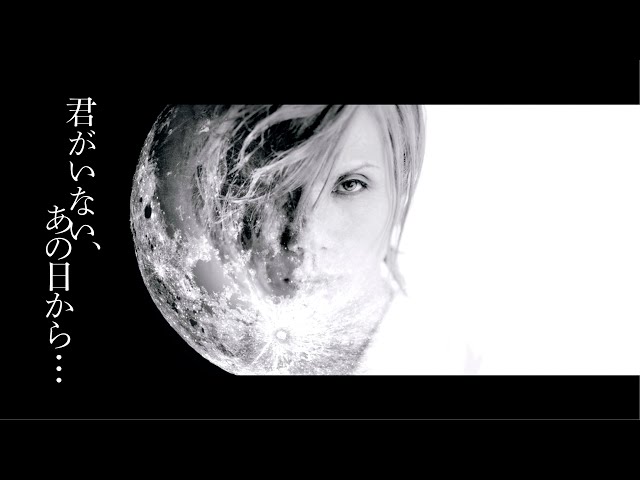
Acid Black Cherry is the solo project led by yasu, the former vocalist of Janne Da Arc.
While Janne Da Arc was known for rock with a strong pop sensibility, as ABC he has explored a wide range of styles, including acoustic sounds and jazz.
“Kimi ga Inai Ano Hi Kara” is one of ABC’s standout masterpieces, themed around those affected by the tsunami of the Great East Japan Earthquake.
It may tighten your chest each time you remember it, but it is an event that Japanese people must never forget.
On March 11, please take a moment to listen to this song.
JUPITERBUCK-TICK

Released in 1991, this work is one of BUCK-TICK’s signature gems.
Featuring a 12-string guitar and acoustic elements, its striking clarity brought forward by lush choruses showcases a bold new musical direction for the band.
Atsushi Sakurai’s lyrics, written with profound emotion around the theme of his mother’s death, portray loss, sorrow, and hope, resonating deeply with listeners.
The song was also used in a commercial for Victor Japan’s CD radio cassette recorder “CDioss,” and reached No.
8 on the Oricon chart.
Frequently performed live, it remains a beloved track that offers solace to those who feel loneliness or pain.