

A classic masterpiece of visual kei. A staple and popular song representing V-kei rock.


Visual kei rock, ignited by X JAPAN and exploding into a massive boom in the ’90s.
Though it went through a lull, today it has become a firmly established, internationally recognized genre, known abroad simply as “Visual Kei.” Encompassing everything from metal and gothic rock to classical and punk within the “visual kei” package, it enabled a wide range of expression—truly a uniquely Japanese musical genre.
This time, we’ll introduce a selection of iconic songs from visual kei bands that symbolize its history!
- A collection of hit songs and classics that opened the door to 1990s Visual Kei
- [Neo-Visual Kei] A roundup of popular songs by V-kei bands from the 2000s
- [J-Rock] Timeless masterpieces that colored the 1990s. Nostalgic hit songs.
- Masterpieces and popular songs by DIR EN GREY
- [BUCK-TICK Masterpieces] Popular Songs by the Legendary Band with an Overwhelming Presence
- Masterpieces and Popular Songs of X JAPAN
- Debut song of a 90s visual kei band
- Famous and popular songs by MUCC
- Iconic songs by Japanese rock bands from the 2000s [J-Rock]
- Debut song of an 80s visual-kei band
- Classic and hit songs by nostalgic Japanese bands from the 1990s
- Classic Japanese metal songs. Recommended popular tracks.
- The Aesthetics of Darkness: An Introduction to Gothic Rock — Notable Bands
Masterpieces of visual kei: staple, popular V-kei rock songs (21–30)
Tokyo Wounded Yearsnaitomea

Nightmare is one of the quintessential visual kei bands that openly cite influences from X JAPAN and LUNA SEA, yet they also significantly shaped today’s genre-blurring visual kei scene through elements like rap-influenced vocals and rhythms that emphasize off-beat accents.
Among their early classics, “Tokyo Shounen” stands out: while brimming with experimental sounds, its chorus delivers a quintessentially V-kei, melancholic melody with a driving sense of speed.
It’s a track that seems to embody the very term “visual kei,” which defies simple definition.
The place where I ought to beMUCC

Mishitsu Neurose is an indie label founded by Sakurai Ao, the guitarist of cali≠gari.
Bands signed to the label, as well as those closely associated with it, came to be called the “Mishitsu-kei.” Among them, the band with the greatest name recognition is likely MUCC.
Hallmarks of the Mishitsu-kei include a look that doesn’t adhere to the conventions of visual kei, literary lyrics, and Japanese melodies reminiscent of kayōkyoku, but MUCC incorporated elements of loud rock into that mix, establishing an even more distinctive identity.
Their 2003 release, which became their major-label debut single, captures that early impulse of theirs, and their uniquely gloomy sound and distinctive vocal style—something no other band can replicate—were already fully formed.
Masterpiece songs of Visual Kei. Classic, popular tracks representing V-kei rock (31–40)
CoyoteBUCK-TICK

BUCK-TICK is one of the bands that sparked the visual kei boom in the late 1980s.
They have remained active to this day without a single lineup change, continuing to lead the scene.
Coyote is a work that exudes an especially sensual mood even within their long career.
Its melody, crafted in a gothic country style, and the vocalist Sakurai’s dreamlike lyrics make it a highly captivating piece.

RomancePENICILLIN

Among the many visual-kei bands that debuted one after another in the 1990s, PENICILLIN has continued to stand out with a singular presence thanks to their free-spirited ideas and activities.
In their early days, they gave off the unmistakable vibe of orthodox visual kei, not only in their looks but also in their songs.
However, after their major-label debut in 1995, they stopped fixating on visual-kei aesthetics both musically and visually, and—as noted above—have built a career unconstrained by any one genre.
The catalyst that propelled their name into mainstream households was the single “Romance,” released in 1998.
Even if you weren’t interested in visual kei, many people would likely recognize it the moment they hear that overly distinctive chorus.
The fact that PENICILLIN can deliver a song like this in earnest is one of their strengths and major charms.
Incidentally, this is the re-recorded version included on their best-of album “20th Anniversary Fan Selection Best Album DRAGON HEARTS,” released in 2012 to mark their 20th anniversary.

kamikazeNoGoD
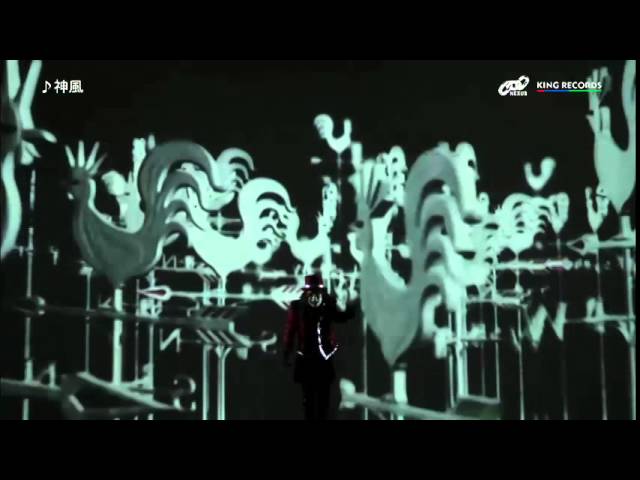
Anyway, it’s an intense melody—a metal rock track.
NoGoD operates under the theme that “the leader received a divine revelation, summoned apostles, and accidentally formed the band.” They wear white face paint, and while their characters are quirky and mismatched in a fun way, their music is truly top-tier.
TemptationGLAY

Topping the Oricon annual singles chart for 1998, the song that truly became the year’s biggest hit was GLAY’s “Yuwaku.” Released simultaneously with the single “SOUL LOVE,” it also made headlines at the time by monopolizing the No.
1 and No.
2 spots on the Oricon chart for two consecutive weeks.
Listening again now, beyond the expected perfection of their characteristically catchy melodies, there are elements that would surprise band kids—like the 7/4 intro and heavy guitar riffs.
You could say they embodied the “anything goes” spirit of visual kei rock even back then.
Dream ~To the Infinite Beyond~ViViD

This is the song with which we made our major-label debut as a band.
Since it was our debut song, we wanted a title with impact that would catch people’s attention, which led us to this name.
The track has the drive and sense of speed befitting a debut.