

A classic masterpiece of visual kei. A staple and popular song representing V-kei rock.


Visual kei rock, ignited by X JAPAN and exploding into a massive boom in the ’90s.
Though it went through a lull, today it has become a firmly established, internationally recognized genre, known abroad simply as “Visual Kei.” Encompassing everything from metal and gothic rock to classical and punk within the “visual kei” package, it enabled a wide range of expression—truly a uniquely Japanese musical genre.
This time, we’ll introduce a selection of iconic songs from visual kei bands that symbolize its history!
- A collection of hit songs and classics that opened the door to 1990s Visual Kei
- [Neo-Visual Kei] A roundup of popular songs by V-kei bands from the 2000s
- [J-Rock] Timeless masterpieces that colored the 1990s. Nostalgic hit songs.
- Masterpieces and popular songs by DIR EN GREY
- [BUCK-TICK Masterpieces] Popular Songs by the Legendary Band with an Overwhelming Presence
- Masterpieces and Popular Songs of X JAPAN
- Debut song of a 90s visual kei band
- Famous and popular songs by MUCC
- Iconic songs by Japanese rock bands from the 2000s [J-Rock]
- Debut song of an 80s visual-kei band
- Classic and hit songs by nostalgic Japanese bands from the 1990s
- Classic Japanese metal songs. Recommended popular tracks.
- The Aesthetics of Darkness: An Introduction to Gothic Rock — Notable Bands
A classic of the visual kei genre. Staple, popular songs representing V-kei rock (41–50).
MessiahMEJIBRAY
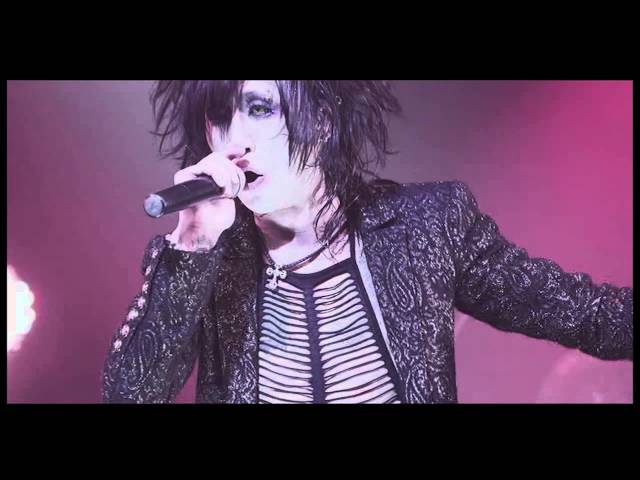
MEJIBRAY features a distinctive vocal style that employs both clean singing and death growls, much like DIR EN GREY.
Their songs are heavy and aggressive yet packed with memorable melodies, making them easy to listen to.
The catchiness of the chorus is especially striking and exhilarating.
It’s also one of those tracks that really gets the crowd going live.
Masterpieces of Visual Kei: Classic, popular V-kei rock songs (51–60)
NOAHRoyz

This band, known as a neo-visual kei act, has a song that carries a message of turning despair into hope, not fearing change, and living positively.
Both its musical style and its lyrics have made it a popular track among fans.
Where the Stars Are. -Hoshino Arika-LM.C

This is a song by a band that overturns the dark image often associated with visual kei.
The music video also features a storyline inspired by the song title and performances on a set that seems to evoke the galaxy, resulting in a fantastical, uplifting world.
Gimme GimmeSuG

It has a look and sound without the typical darkness of visual kei.
It’s an upbeat track that makes you feel energized and lifts your spirits.
In the music video, there’s a touch of edginess, yet it’s poppy and cute—visually delightful from start to finish.
SinkPlastic Tree

Plastic Tree, known affectionately as Puraturi, have been active since their formation in 1993 and have maintained a devoted following well into the 2020s.
While they undeniably emerged from the so-called visual kei scene, they established a unique position with a distinctive individuality and presence, thanks to vocalist Ryutaro Arimura’s introspective, literary worldview and a sound deeply influenced from early on by shoegaze, new wave, and alternative rock—setting them apart from other bands.
Their 1999 classic “Sink” is quintessentially them: centered on a band ensemble that skillfully employs dynamics between quiet and loud, it beautifully fuses thick, layered guitar tones and a melodious bass line with fragile vocals and lyrics.

EVOKELynch.

Lynch.
is a visual kei rock band that has gained popularity for their authentic sound.
They are known for exceptionally high-level musicianship and musicality, earning strong acclaim even among visual kei fans who prioritize music quality.
EVOKE is widely regarded as one of their signature masterpieces, notable for its distinctive sound that blends elements of death metal with catchy rock.
It’s enjoyable even for those who aren’t usually into heavier sounds, so be sure to check it out.

Rusty NailX JAPAN

The arrangement, where a dreamy synthesizer phrase rings out from the intro and layers with a fast-paced rock sound, really amps up the excitement, doesn’t it? The one-of-a-kind fusion of intense metal and beautiful melody showcases YOSHIKI’s brilliant compositional sensibility.
This work vividly evokes the image of a protagonist who, while bearing unhealed wounds and loneliness that pierce deep into the heart, continues to struggle desperately.
The song was released in July 1994 as the band’s 10th single and was used as the theme song for the TV drama “Kimi ga Mienai.” Despite unfavorable conditions for its first-week tally, it reached No.
1 on the Oricon chart and was later included on the acclaimed album “DAHLIA.” It’s a classical yet beautiful rock number you’ll want to listen to when you want to lift your spirits.