

![[Nostalgic Hits] Popular Japanese dance music songs that were hits in the 1990s](https://i.ytimg.com/vi/DZNcIgAWiME/hqdefault.jpg)


The 1990s saw music genres become even more fragmented than in the ’80s.
Singer-songwriters, rock bands, idols, R&B musicians—there are so many that you almost run out of fingers just listing the ones that come to mind.
Perhaps for that reason, it was around then that calling people active in the music scene “artists” really became standard.
Amid all that, as computers advanced, so-called programmed (electronic) sounds also grew steadily more prominent.
With that in mind, let’s listen to some slightly nostalgic Japanese dance music!
- [Nostalgic Hits] Japanese dance music that resonates with people in their 40s.
- Get into it! Dance to it! Enjoy it! Best J-POP Dance Tracks
- Revival among the youth? Japanese dance music that was a hit in the 1980s. Showa-era dance tracks.
- Dance music in Japanese (J-pop) that people in their 50s used to listen to. Nostalgic classic hits.
- [Back to the '90s!] Dance Music from Western Hits of the 1990s
- [Nostalgic hits] Dance music that resonates with people in their 30s. Popular dance tracks.
- Medley of Nostalgic Japanese Pop Hits from the 1990s
- [J-Pop] Cool dance track. Dance music everyone can groove to.
- Japanese dance hits from the 2000s. Songs that make you want to dance on TikTok.
- [Heisei Retro] Hit Japanese songs that defined the 1990s. Recommended J-POP classics.
- Dance music that was popular among Gen Z. A song that went viral.
- Nostalgic Yet Everlasting: Classic Hits by 1990s Idol Singers
- Great Western pop masterpieces and hit songs of the 90s
[Nostalgic Songs] Popular Japanese Dance Music Hits from the 1990s (1–10)
Go! Go! HeavenSPEED
This is the third single by SPEED, a dance and vocal group from Okinawa Actors School, released on March 26, 1997.
It’s one of their signature songs, topping the Oricon Singles Chart and selling over a million copies.
It’s said to be a favorite of Takahiro Matsumoto from B’z, who even used the title for his own secret live show! With the group’s youthful, fresh vocals, it’s an exhilarating dance track.
It’s a guaranteed hit at karaoke, so be sure to give it a listen!

Around The WorldDA PUMP

A single released on October 21, 1998 by DA PUMP, a dance and vocal group from Okinawa Prefecture.
It was a hit during DA PUMP’s early lineup and was also used in a Sharp commercial.
Back then, at the height of the boom for groups from Okinawa Actors School, danceable numbers like this were all the rage! Produced by m.c.A·T, a musician who helped popularize hip-hop in Japan, the track fuses dance-pop with hip-hop.
survival dAnce~no no cry more~TRF

The sixth single released in 1994 by TRF, led by Tetsuya Komuro.
By adding a DJ and dancers to the vocals and elevating it into dance music, the momentum of this Japanese pop sound knew no bounds.
They went on to rack up million-selling hits and sparked a nationwide dance boom.
With a groove that gets you moving from the intro, this track is still a guaranteed crowd-pleaser at karaoke today.
While it’s easy to focus on Komuro’s and the dancers’ technique, be sure to pay attention to DJ KOO’s skills in bringing in a multicultural vibe.

Chase the ChanceAmuro Namie

Released in 1995 as Namie Amuro’s fourth single, the song was produced by Tetsuya Komuro and used as the theme for the NTV Saturday drama “The Chef.” It became Amuro’s first No.
1 on the Oricon Singles Chart, achieved million-seller status, and led to her first appearance at the 46th NHK Kōhaku Uta Gassen.
Sign of LovePUFFY
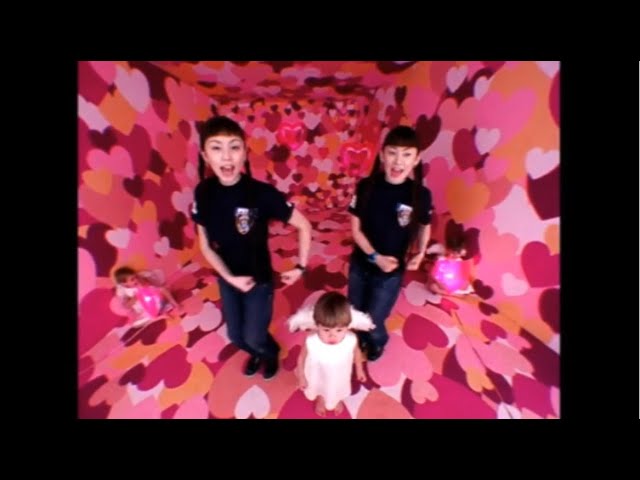
This is a PUFFY track that burst onto the 90s dance music scene like a comet.
With its catchy melody and heartwarming lyrics, it grabs listeners and doesn’t let go.
Since its 1998 release, it has been featured in numerous commercials and films, and in 2016 it was used in a Kirin Beer commercial.
The lyrics were written by Masamune Kusano of Spitz, with arrangement by Tamio Okuda—an all-star production team.
The lyrics portray the shy affections of a young man, offering a universal appeal that anyone can relate to.
Its addictive groove sparked a revival hit on TikTok, where simple choreography videos went viral.
It’s a perfect song for anyone struggling with love or looking to take a new step forward.
Glass BoyKinKi Kids

The debut single and signature song of KinKi Kids, a Kansai-born idol duo.
Since the two had already been active in TV dramas and other media before their debut, there was a real sense of surprise at the time—wait, they hadn’t debuted yet?! With lyrics by Takashi Matsumoto and music by Tatsuro Yamashita, both hitmakers, the song carries a touch of nostalgic kayōkyoku flavor while remaining a timeless classic embraced by a wide range of generations even today.
It’s no wonder it became the first million-selling single of the Heisei era.
Tonight is Boogie BackOzawa Kenji feat. Suchadarapaa

A classic 90s pop song that continues to be covered by many musicians and beloved to this day.
It was released in 1994 as a collaboration between Kenji Ozawa and the techno unit Scha Dara Parr.
With the theme of turning Japanese hip-hop—still a subcultural presence at the time—into a karaoke-friendly number, Ozawa and BOSE, who lived in the same apartment building and frequently visited each other, co-wrote the track.
Combining a gentle, wistful melody with stylish lyrics and sound, it stands as a monument of Shibuya-kei pop.