

A coming-of-age song that was a hit in the ’90s. A classic and popular track in Japanese music.

“SAY YES,” “Tomorrow never knows,” and “Nani mo Ienakute… Natsu”—
The youth songs of the ’90s hold treasured memories hidden in everyone’s heart.
The bittersweet love of CHAGE and ASKA, the hope for the future from Mr.Children, the summertime melancholy of THE JAYWALK.
It’s as if we’ve boarded a time machine, and those shining memories of back then come flooding back.
Shall we look back on that page of youth engraved in our hearts, together with those nostalgic songs?
Ah.
- Classic and hit J-pop songs from the nostalgic ’90s
- An anthem for your 30s. Beloved and popular songs that are both heart-pumping and heart-fluttering.
- Ranking of Popular Songs by Japanese Male Singers from the 1990s [2026]
- Tear-jerking J-pop from the ’90s. Hit songs and real tearjerkers.
- Classic and hit songs by nostalgic Japanese bands from the 1990s
- Coming-of-age songs for your 50s: heart-thumping × heartwarming classics and popular tracks [2026]
- [Heisei Retro] Hit Japanese songs that defined the 1990s. Recommended J-POP classics.
- Songs popular among men in their 40s. Timeless classics that bring back memories.
- Iconic ballads of 90s J-pop: nostalgic mega-hits and fan favorites
- [Hit Songs of the 1990s] The Best Uplifting J-Pop Hits!
- A youth song with great lyrics. A lovely message that stays with your heart.
- [J-Rock] Timeless masterpieces that colored the 1990s. Nostalgic hit songs.
- Relive those feelings from back in the day! Youth anthems recommended for the Yutori generation
Coming-of-age songs that were hits in the ’90s: classic and popular J-Pop tracks (71–80)
Bye For NowT-BOLAN

A gem of a ballad that has etched itself into many hearts as a supportive song about a beautiful farewell.
Released by T-BOLAN in November 1992, it was used as the theme song for Woman Dream and impressively became a million-seller.
Its powerful message—singing of the courage and hope to move toward one’s dreams after overcoming the loneliness of parting—deeply resonates with listeners.
It remains a beloved song more than 30 years after its release, one you’ll want to hear when parting from someone dear, at graduation ceremonies, or at the start of a new journey.
Also included on the albums HEART OF STONE and SINGLES, it shines as one of T-BOLAN’s signature masterpieces.
Wonderful DaysUNICORN

Released in April 1993, this UNICORN track poignantly sings about drifting apart from close friends, set to a gentle melody that cushions themes of parting and change.
Born from differences in musical direction among the members, the song is imbued with Tamio Okuda’s unique charm—quiet on the surface yet suffused with bittersweet emotion.
In addition to reaching No.
6 on the Oricon charts, it also touched a wide audience as the theme song for the film “Hinagon” and in a Sony commercial.
It’s a gem I wholeheartedly recommend to anyone sensing shifts in important relationships or seeking calm, reflective insight in everyday life.
Singin’ in the Rainthe pillows

In May 1991, the pillows included an ambitious track—marking their major-label debut—on the album Moon Gold.
The story begins as the protagonist arrives in a rain-soaked city in search of a new life, vividly capturing a page of youth as they set out on a journey of self-discovery despite loneliness and anxiety.
Inspired by the American film Singin’ in the Rain, the song blends bright, buoyant melodies with energetic performance to create a hopeful piece.
Sawao Yamanaka’s impassioned vocals, together with the layered sound crafted by the entire band, are sure to resonate deeply with listeners.
It’s a song that gently gives you a push when you’re ready to face forward and take a new step.
single bedSha ran Q

This is a wistful ballad that poignantly sings of lingering feelings for a former lover, a classic that gently teaches the preciousness of love.
As the protagonist looks back on memories left behind on a single bed, they realize that a romance once taken for granted was in fact more valuable than jewels, weaving a moving drama.
Released by Sharam Q in October 1994, the song became a major hit, ranking 24th on the year-end charts.
It was also used as the ending theme for the anime D.N.A²: They Were Once a Thing, and included on the album Inferiority Complex.
It’s the perfect track for reminiscing about youthful love while sharing memories with friends.
I won’t fall in love anymore.Makihara Noriyuki
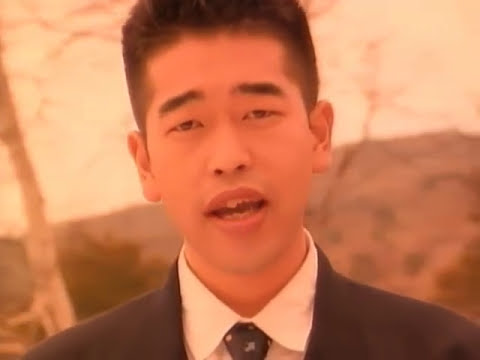
A gem-like ballad that delicately portrays the pain of heartbreak and the hope of taking a new step forward.
Noriyuki Makihara’s gentle vocals tenderly envelop the protagonist’s complex feelings as they struggle to accept a breakup with their lover.
While carefully depicting the loneliness and confusion felt in everyday life, it also resonates with the positive resolve hidden behind the words “I won’t fall in love anymore.” Released in May 1992, the song was used as the theme for the drama “After the Children Are Asleep,” reaching No.
2 on the weekly Oricon chart and No.
7 for the year.
It’s a song that stands as emotional support, accompanying you through the healing process of a broken heart.