

Abbreviation quiz: things you might not actually know? From everyday terms to youth slang


There are lots of abbreviations in the words we casually use every day, and many make you think, “Wait, that’s an abbreviation?” too.
Things like “taipa,” “sabusu-ku,” and “risuke” are often used without even thinking about the original words, aren’t they? In this article, we present a variety of abbreviation quizzes, from those used in daily life to youth slang.
When you learn the full terms, you might just have a eureka moment and think, “So that’s what it meant!” They’re fun as conversation starters with family and friends, and as a quick brain teaser in your spare time.
Feel free to give it a try!
- Quiz on things whose names differ between the past and now. Differences between old terms and modern terms.
- A collection of challenging quizzes for adults [Difficult]
- Fun quizzes for elementary school kids: a collection of questions everyone can enjoy together
- [Interesting] Compilation of Trivia Quiz Questions
- Quiz for high school students
- [Trick Quiz] Quiz Questions That Excite Everyone from Kids to Adults
- Surprisingly unknown? Trivia Quiz [Multiple Choice: 3 Options]
- Quiz for junior high school students
- Let's take on a four-choice quiz that everyone can enjoy together!
- [General] Surprisingly unknown? Test your geography skills with a three-choice quiz on Japan’s prefectures
- A fun quiz you can use to kill time by yourself or with everyone
- [Battle of Wits] Stimulate your intellectual curiosity! Quiz questions that get adults excited
- [General Questions] Knowledge and Quiz Questions about Famous Anime
Surprisingly unknown? Abbreviation Quiz. From everyday terms to youth slang (1–10)
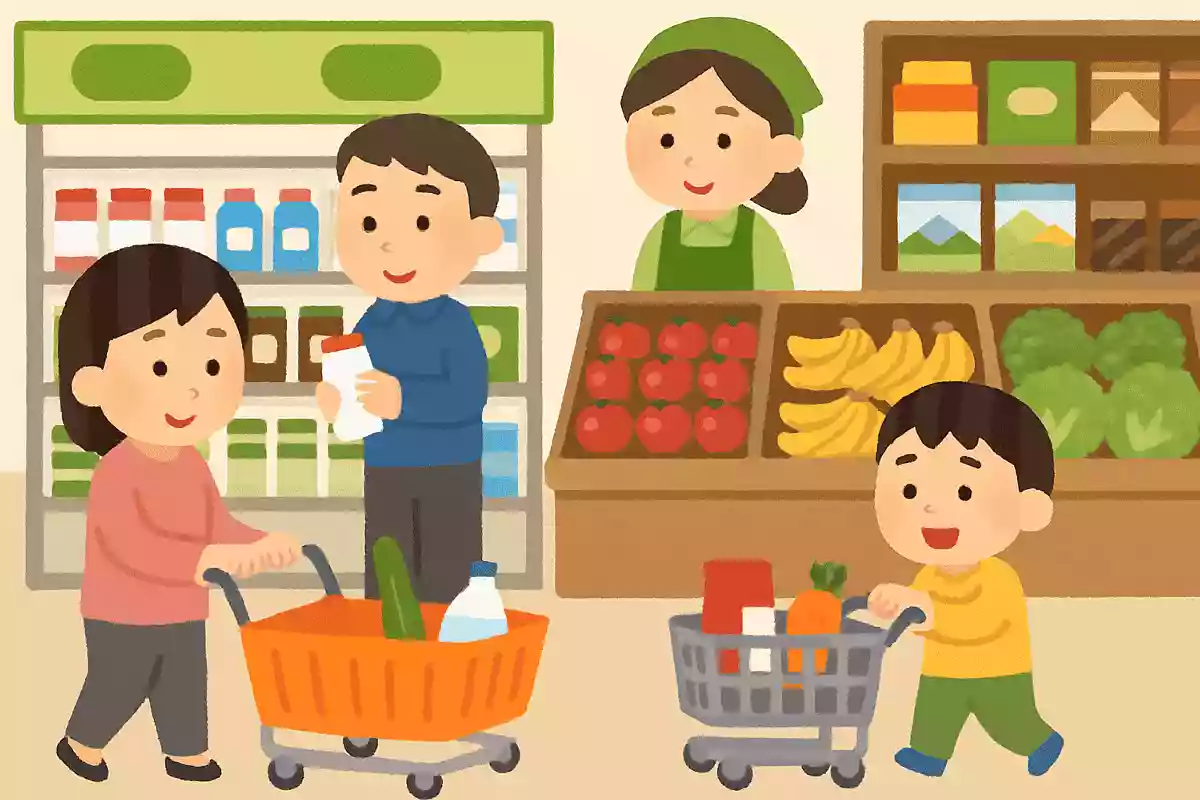
supermarket
See the answer
supermarket
It is said to be a term that originated in the United States, combining “market,” meaning a place of commerce, with “super,” meaning “to surpass,” resulting in the idea of a “store that goes beyond a market.” This retail format pursues selling a wide range of products—from groceries to daily necessities—at low prices through self-service. In Japan, the first supermarket is said to have been Kinokuniya, a self-service produce shop that opened in Aoyama, Tokyo, in 1953.
time performance

See the answer
Time performance
It’s a term that expresses satisfaction with the time spent. Examples of time-efficiency-conscious behavior include watching videos at double speed or doing two things at once. It’s also said to be derived from “kosupa,” a shorthand for “cost performance,” which refers to satisfaction relative to cost and has been used since before this term.

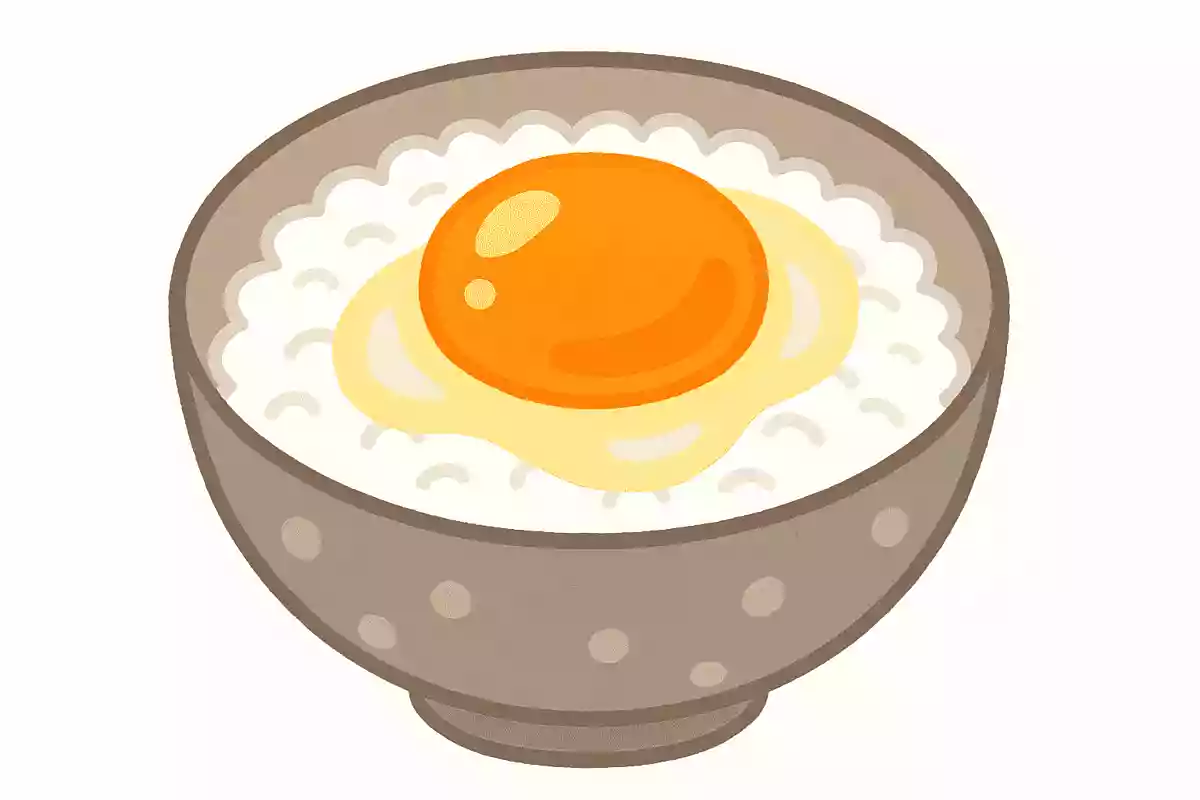
TKG
See the answer
rice with raw egg (tamago kake gohan)
TKG refers to tamago kake gohan (rice with raw egg) and is an abbreviation formed from the initials of Tamago Kake Gohan. Even before it came to be called “TKG,” tamago kake gohan had long been beloved by the Japanese. It’s said that the abbreviation “TKG” began to spread after the 2007 publication of the cookbook 365 Days of Tamago Kake Gohan.
Unexpectedly unknown? Abbreviation quiz. From everyday words to youth slang (11–20)
chuhai (a Japanese canned cocktail, short for “shochu highball”)

See the answer
shochu highball
Chūhai is short for “shōchū highball,” combining the “chū” from shōchū and the “high” from highball. It refers to an alcoholic drink made by mixing a distilled spirit such as shōchū with carbonated water. A highball is the name of a cocktail, with the original being whiskey mixed with soda water. In the 1980s, a low-alcohol beverage using shōchū as a substitute for whiskey in a highball became popular, and in 1984, Takara Shuzo’s “Takara Can Chūhai,” launched amid a shōchū boom, reportedly became a big hit.
ri

See the answer
Understood
Because “ryōkai” (got it/understood) is used so often in back-and-forth conversations, especially in messaging apps where efficiency is valued, it has gradually been shortened. The flow went from “ryōkai” to “ryo,” and then to just “r.” So how you write out ‘ryōkai’ might even reveal your generation.
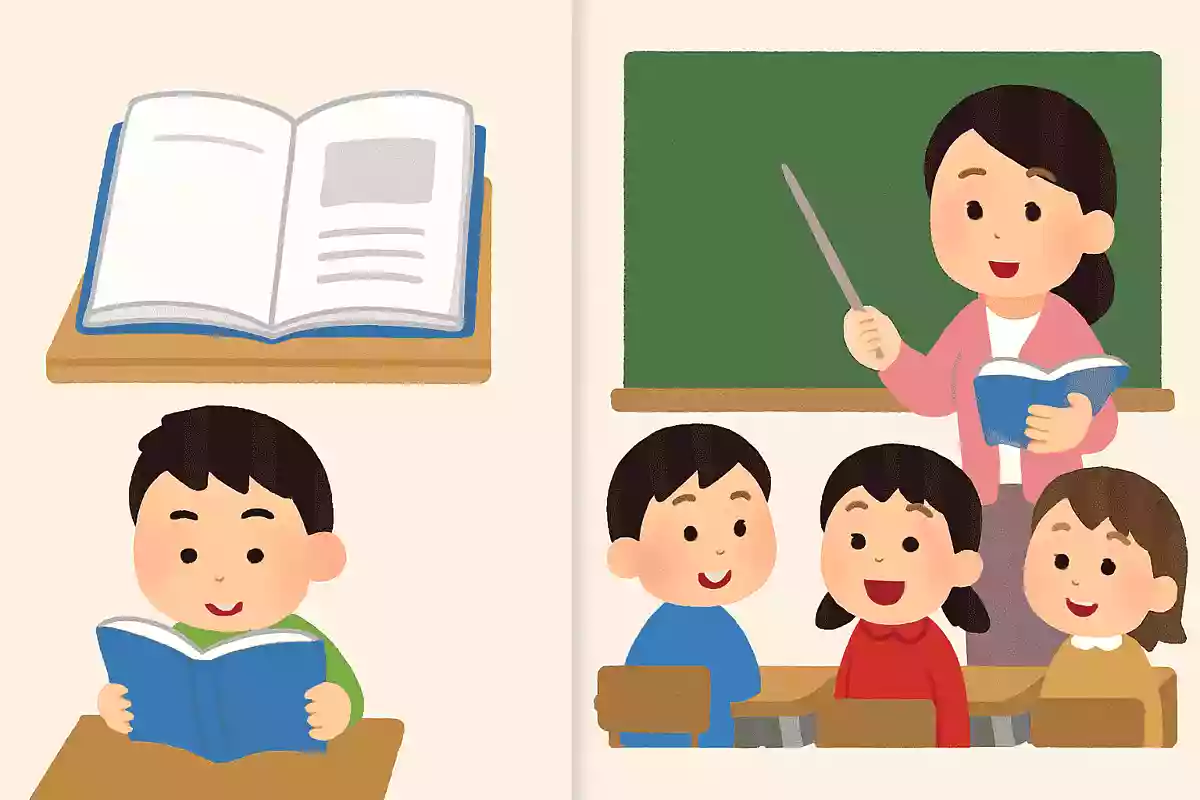
textbook
See the answer
textbook(s)
Precisely because it’s a term we’ve used for so long, I think many people assume “textbook” is the official name. If you think of it as a book used for a subject, the official name makes sense, but because it’s less familiar and longer, it comes across as rather stiff.
sliced bread

See the answer
staple bread
When bread culture spread in Japan, because bread was a staple food in foreign countries, it became known as “bread for staple food,” which was gradually shortened as it took root. There are also various theories, such as that it came to be called “shokupan” (eating bread) to distinguish it from “keshipan,” an eraser-like kneaded rubber used when drawing.