

Quiz on things whose names differ between the past and now. Differences between old terms and modern terms.

When you compare old words with modern ones, there are times when they refer to the same thing but are called completely different names, making you think, “Huh? What is that?” and get confused.
In this article, we’ll present items whose names have changed from the past to the present in a quiz format.
As you imagine how familiar items and various terms that were commonly used in the past are carried on today under new names, give it a try.
Once you learn that this word used to be that word, you’ll find yourself wanting to tell someone about it!
Quiz on Things with Different Names Then and Now: Differences Between Old and Modern Terms (1–10)
What is “chirigami” called nowadays?

See the answer
tissue
When written in kanji, chirigami is “塵紙.” It was originally made to wrap washi paper, and later came to be used in a way similar to modern tissue paper. Incidentally, it had lower wiping effectiveness than tissue paper and was not packaged.

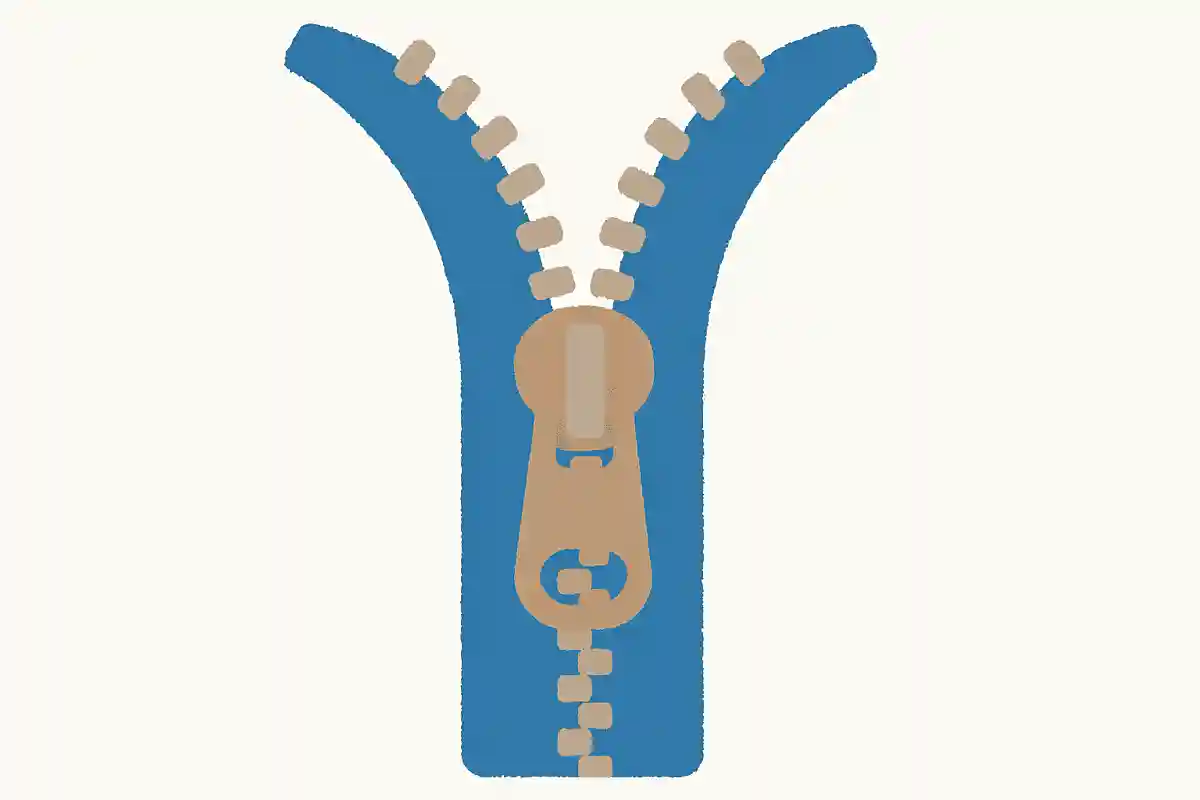
What is “Chuck” called now?
See the answer
zipper
The origin of the term “chakku” dates back to 1921. At the time, zippers were not yet common in Japan, and it’s said the name “chakku” was coined as a play on the familiar Japanese drawstring pouch, the “kinchaku.” As a side note, “zipper” means the same thing as “chakku.”
What is the place that used to be called “okatte” called now?

See the answer
kitchen
In old Japan, the idea that “the kitchen is a place for servants” was deeply rooted. Servants were not allowed to speak freely, but only in the kitchen could they spend time as they liked. For that reason, it came to be called “okatte” (the servants’ kitchen).
What is “zuku” called nowadays?

See the answer
sneakers
Zukku was commonly used to refer to sneakers. However, there is actually a major difference between the two. Zukku are athletic shoes made of thick fabric, while sneakers are athletic shoes made of thin fabric.
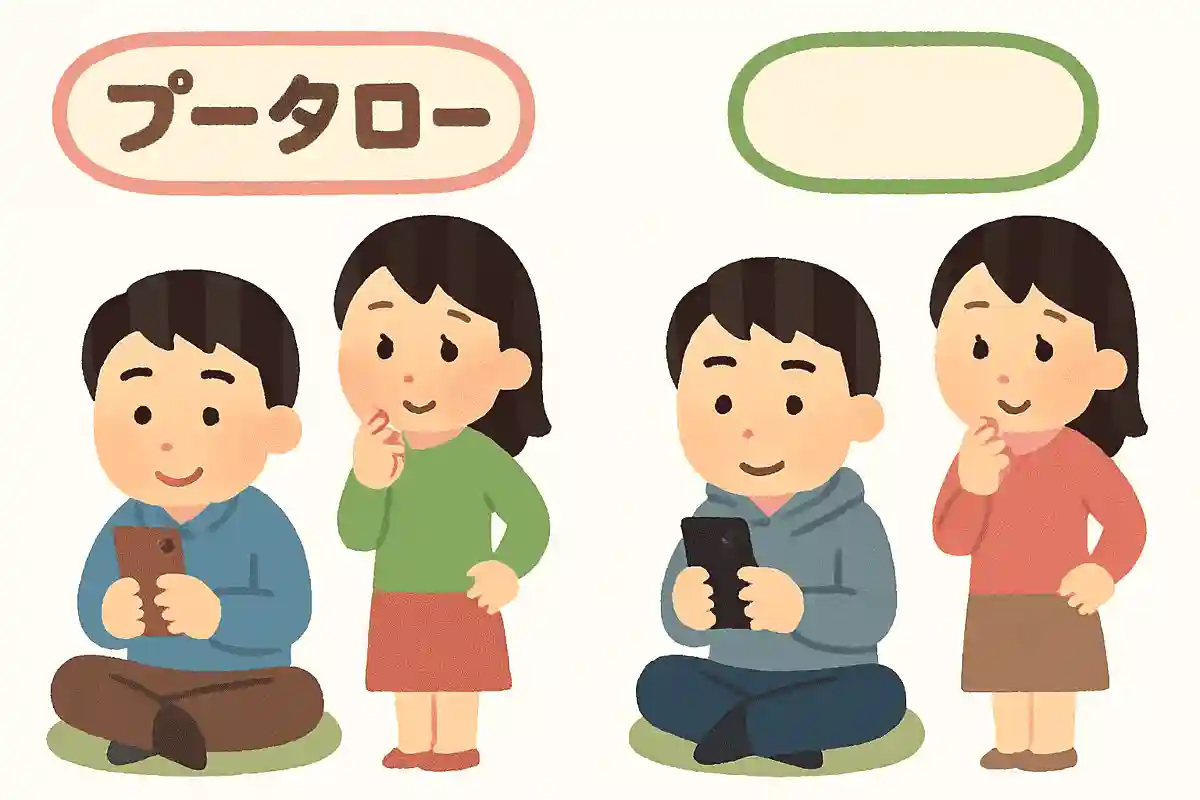
What is “pūtarō” called nowadays?
See the answer
NEET
Pu-tarō was a term used from the Shōwa era through the first half of Heisei to refer to people of working age who did not have regular employment. Today, a commonly used near-equivalent is “NEET,” a term that originated in the UK in 1999. As the acronym “NEET (Not in Education, Employment or Training)” indicates, it properly refers to people aged 15 to 39 who are not in schooling, employment, or vocational training, so its nuance differs slightly from pu-tarō. In Japan, however, the term gained attention in 2004 and has become widely used with roughly the same meaning.

What is “itanoma” (a room with wooden flooring) called nowadays?

See the answer
flooring
“Ita-no-ma” refers to a room with wooden flooring. In traditional Japanese houses, tatami rooms were the main type, so the term was used to distinguish the floored rooms. Therefore, in houses that only have Western-style rooms, the word “tokonoma” isn’t used. Incidentally, “tokonoma” also used to mean a ‘public bath’s changing room.’
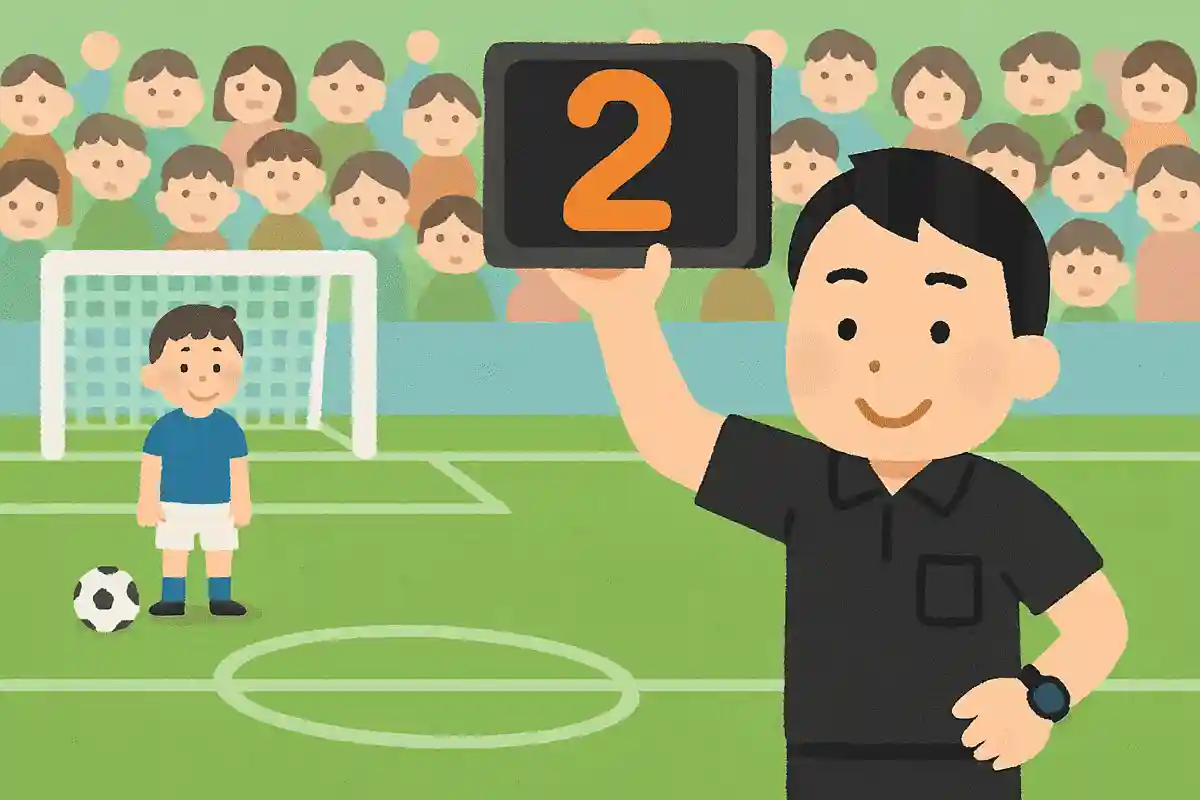
What is the term that was once called “injury time” in soccer now called?
See the answer
additional time
Stoppage time refers to the extra time added to a match to make up for interruptions. Internationally, it has originally been called 'additional time,' and the term was changed to align with that. Therefore, saying 'lost time' (rosu taimu) won’t be understood at all overseas.