


Kansai dialect quiz roundup: origins and example sentences included!

Because many comedians come from the Kansai region, you often hear Kansai dialect on TV.
While expressions like “Nandeyanen!!” and “—yan!!” are recognizable for their distinctive endings and intonation, there are plenty of words that people outside Kansai might not understand.
In this article, written by an author from Kansai, we present a Kansai dialect quiz that can be tricky for those from outside the region.
The article is structured as a multiple-choice quiz with three options, and we’ll also explain the origins and provide example sentences, so please enjoy as you read.
Some terms might even be unfamiliar to younger people in Kansai, so those from Kansai should check it out too!
Kansai Dialect Quiz Roundup: Origins and Example Sentences Included! (1–10)
to act up; to mess around; to play pranks (Kansai dialect)

- goof around and make a racket
- to panic; to be flustered; to be upset
- get drunk and go on a rampage
See the answer
goof around and make a racket
If you’re from the Kansai region, many of you probably heard this a lot as kids. It’s a word that means fooling around, making a ruckus, or acting out, and it’s used not only in Kansai but across western Japan. Example: “Hey, you!! Don’t horse around in a place like this!”

marinated mackerel (vinegared sushi-style), called ‘kizushi’ or ‘shime-saba’
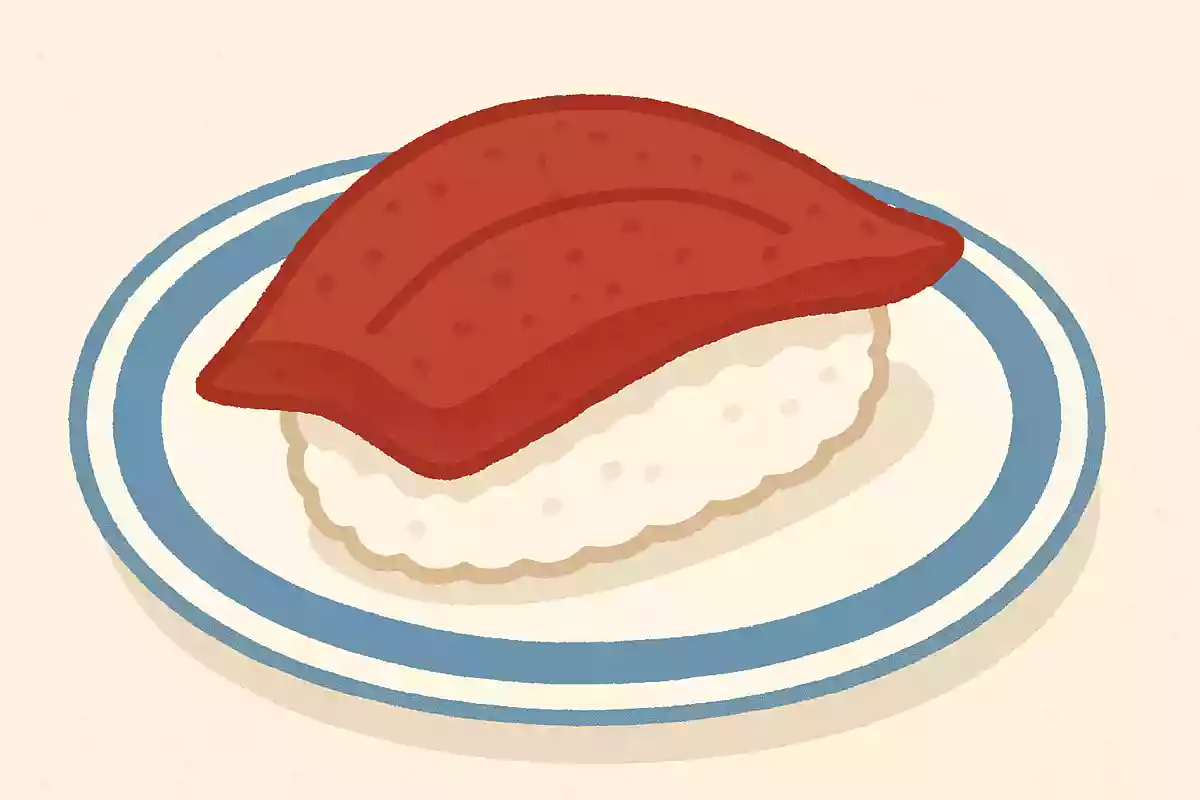
- vinegared mackerel (shime saba)
- Chirashi sushi
- ginger
See the answer
vinegared mackerel (shime saba)
The “ki” in “kizushi,” which refers to mackerel cured in vinegar, is written with the kanji for “raw” (生). There is also a theory that, because kizushi is the stage just before “narezushi,” in which mackerel is fermented, it was called “raw narezushi” (nama-narezushi), which then shifted to being called “kizushi.” Example sentence: “How about we make nigiri sushi with kizushi tonight?”
oak (also can mean chicken in some dialects or ‘Kashiwa’ as a place name)
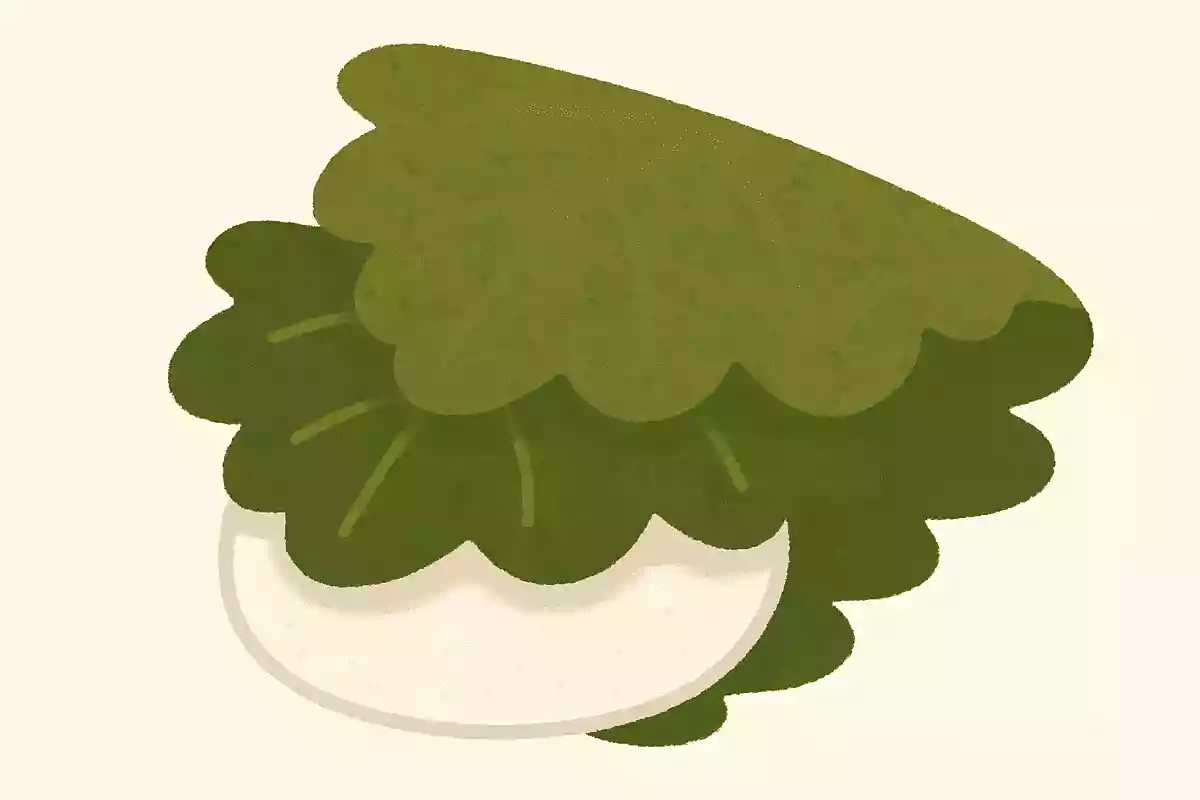
- chicken
- perilla leaves
- sardine
See the answer
chicken
In the Kansai region, chicken meat is called “kashiwa.” One theory says this comes from the brown color of the chicken’s body and meat, which resembles the withered leaves of the kashiwa (oak) tree. Example sentence: “I’m making oyakodon, so go buy some kashiwa (chicken).”
fix; repair; cure; correct; put away; convert (to); do again

- to tidy up; to put away; to clean up
- to repair
- put; place; set; lay (to put something somewhere)
See the answer
to tidy up; to put away; to clean up
When you hear naosu, many people probably picture the word meaning “to heal” and think it means to repair something. However, in Kansai dialect, naosu meaning “to put away/tidy up” was originally written as 直す, and it derives from the sense of returning something to its original place. Example sentence: “I washed the dishes, so dry them and put them away.”
swapped; mismatched; alternating (context-dependent term, often used in apparel/production to mean items are interchanged or out of order)

- next to each other
- alternating
- Two sides of the same coin
See the answer
alternating
In the logistics industry, the term “tereko shipping” refers to mistakenly sending items meant for A to B, and those meant for B to A. It is commonly used in the Kansai region. Besides meaning “alternated” or “interleaved,” it can also mean “reversed.” One theory traces its origin to kabuki, where two plays were performed alternately, one act at a time; another suggests it’s an abbreviation of “tape recorder,” implying mixing up the A and B sides. Example: “You put that ornament on the wrong sides—left and right are tereko.”
throw away; discard

- run
- to think
- throw away
See the answer
throw away
Originally, it was written as “放下す,” meaning to throw something away. Over time, the form changed and it became the word “hokasu,” which took root. Example sentence: “Please throw this away.”
to show off; to act up (Kansai dialect slang)

- to sneer (at someone) and laugh; to laugh mockingly
- get carried away
- to badmouth; to speak ill (of someone)
See the answer
get carried away
Just from the word ichibiru, you can’t really guess what it means, but it actually has a proper origin. In the past, the person who managed auctions at a market was called ichiburi (“market caller”), and from that the verb ichibiru came to mean “to get carried away” or “to act cocky.” A person who’s getting carried away can also be called an ichibiri. Example sentence: “Don’t keep acting so cocky!!”