

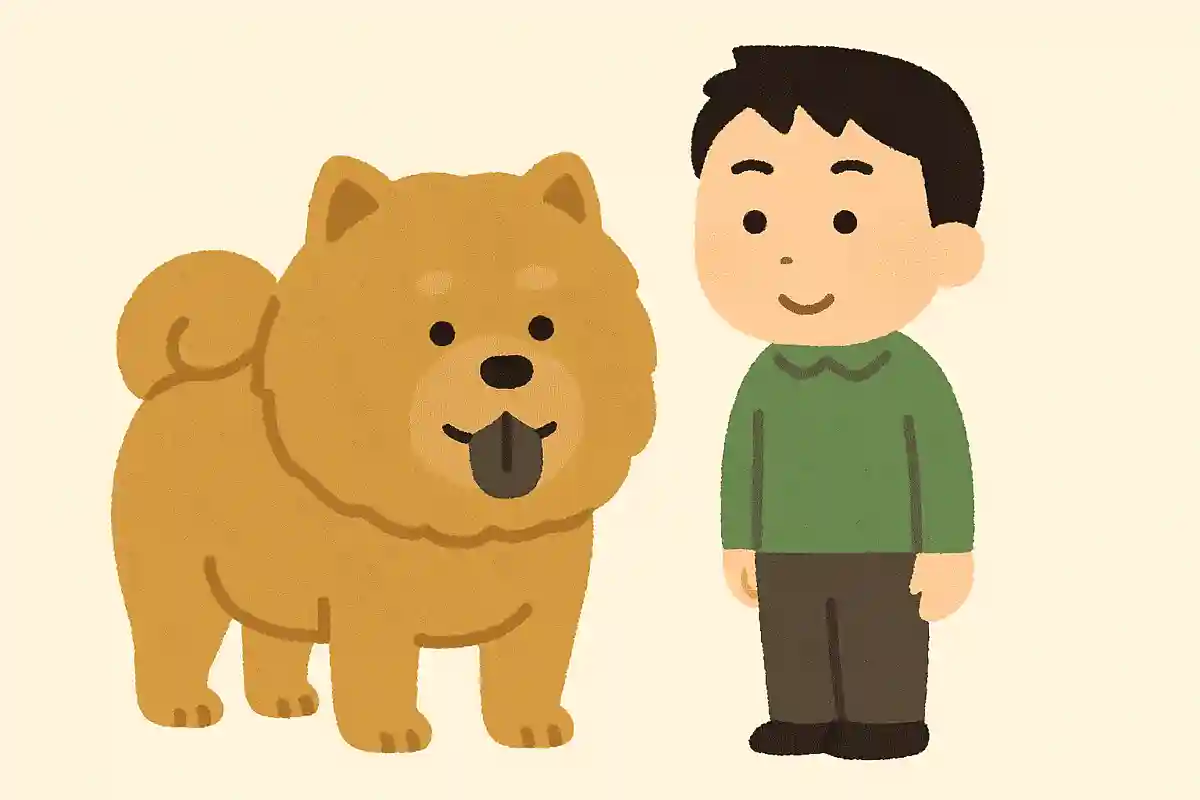
“Chau chau, anta” — a Kansai-dialect tongue twister. A phrase only Kansai folks can say.


There are lots of tongue twisters, but did you know there are ones that use dialects too?
Among them, Kansai-dialect tongue twisters are famous!
Some of you might already know the tongue twister that uses the Chow Chow dog and the Kansai word chau, which means “not” or “different.”
In this article, we’ll introduce a bunch of tongue twisters in Kansai dialect.
We’ve gathered tricky ones that use Kansai words like “chau chau,” “anta,” and “sara,” which can be hard for people from other regions to say smoothly.
Whether you’re from Kansai or not, give them a try!
“Chow-chow, you!” A Kansai dialect tongue twister. Words only Kansai people can say (1–10)
Isn’t that a Chow Chow? No, it’s not! Are you sure it’s not a Chow Chow?
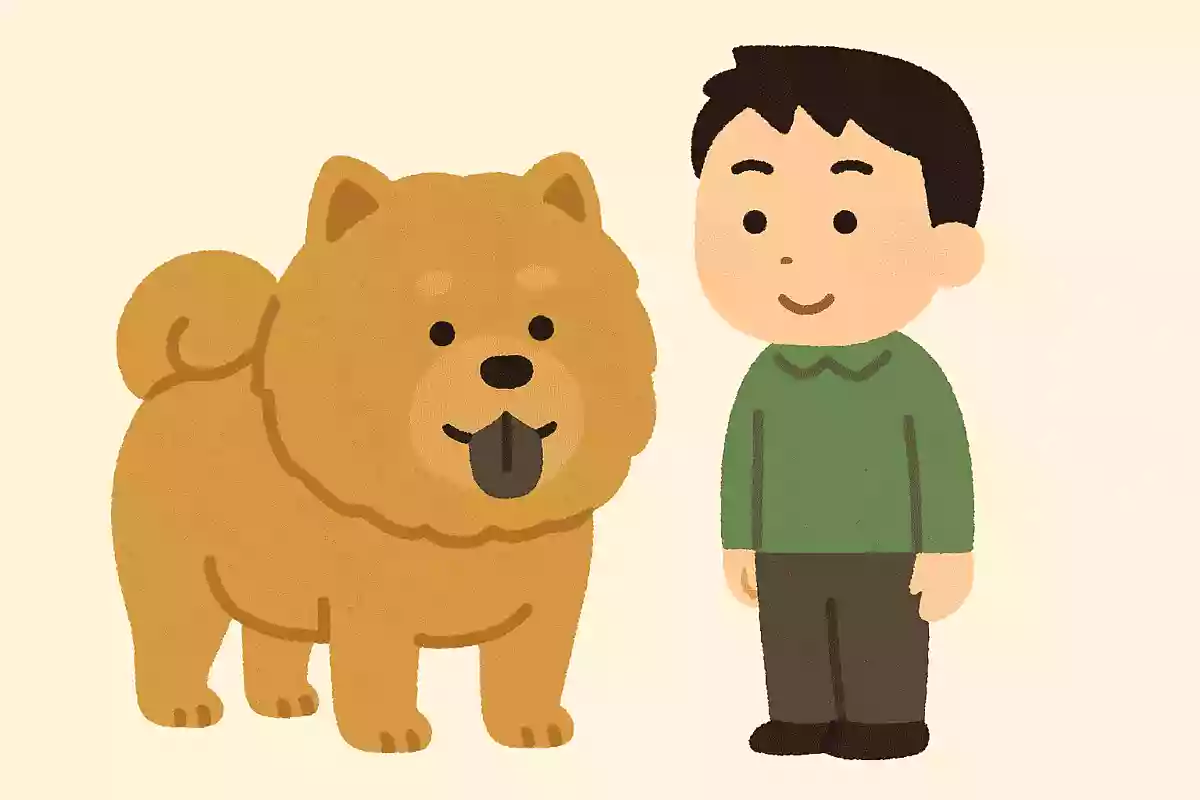
The most famous tongue twister in Kansai dialect is this “Chow Chow” one.
It plays on the dog breed ‘Chow Chow,’ the Kansai-dialect question particle ‘chau?’ (meaning ‘isn’t it?’), and ‘chau,’ a dialectal contraction of ‘chigau’ (to be wrong/different).
Even if you understand the meaning, saying it quickly is tough, and even Kansai natives can get tongue-tied.
If someone fires it off at high speed and you can catch it perfectly and understand it, you’re without a doubt a bona fide Kansai person.

You keep calling me “anta, anta,” but I don’t call you “anta, anta,” so don’t go calling me “anta, anta,” okay, anta?
In conversations, some people pronounce the first-person pronoun as “atashi.” This tongue twister contrasts that first-person “atashi” with the Kansai dialect second-person “anta.” Since “anta” appears frequently, nailing its intonation is key to smooth delivery.
The text flows from talking about the other person, to oneself, to requests directed at the other person; if you stay aware of who each phrase is addressing, you should be able to avoid mixing up “atashi” and “anta.” Although the tone is strong, it also has a somewhat gentle feel, so it helps to picture the scene as you speak.

You keep asking why, but I don’t even know why the “why” is a why.
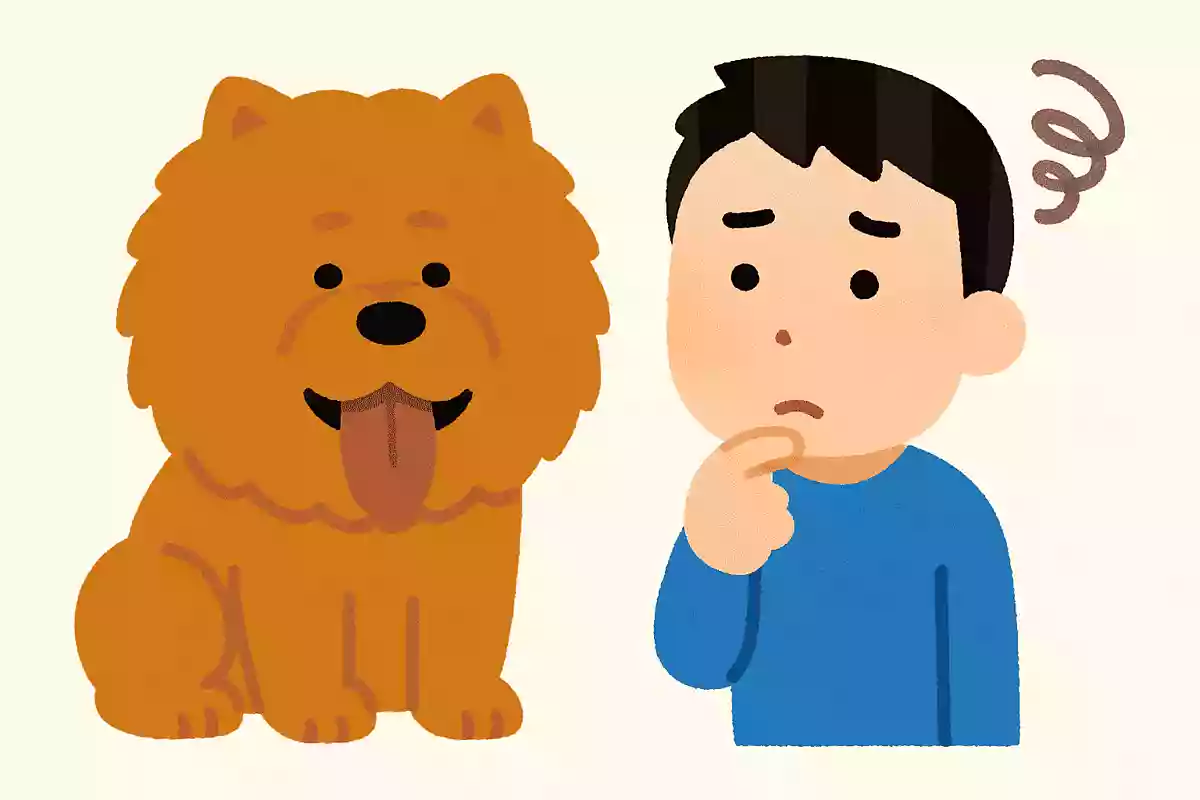
A tongue twister packed with Kansai-dialect wordplay, characterized by the repetition of nande and nan.
In response to the question nande (why/reason), you answer with nan (that/it), saying you don’t know why that is—easy to understand in meaning, but it gets tricky the moment you say it out loud.
For people from Kansai, it’s a phrase you can rattle off by rhythm, and it’s funny how missing the right intonation makes it completely incomprehensible.
Trade this phrase back and forth and you’re guaranteed some laughs and a lighter mood.
It’s a line that lets you feel the Kansai mindset firsthand.

I didn’t say it was wrong, but saying “wrong, wrong” is what’s wrong, right?
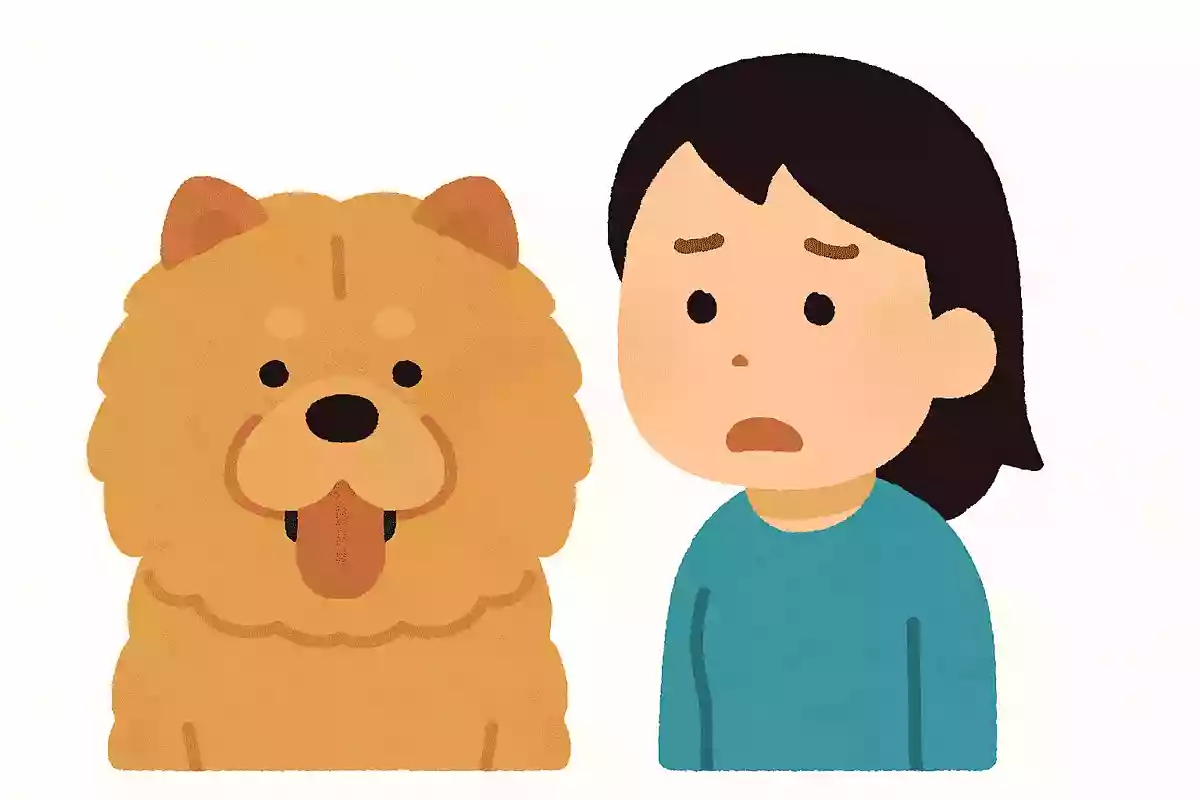
A tongue twister that captures the feel of Kansai dialect, where sound and meaning intertwine.
“Chau” means “that’s wrong/different,” while “chau-chau” can also refer to a Chow Chow dog, a phrase that makes Kansai folks grin.
The fun lies in how completely different meanings share the same sounds, which makes it tricky to say at a brisk tempo.
One slip of the tongue can flip the meaning entirely, often leading to laughter—perfect as a conversation piece among friends or even a punishment game.
It’s a memorable line that lets you sense the depth of Kansai wordplay.
You call me ‘we’, but I don’t call myself ‘we’, so don’t call me ‘we’, you.

This is a tongue twister that focuses on washi to refer to oneself and ware to refer to the other person.
Since the phrase wareware contrasts oneself with the other person, it may be easier to say if you understand which clauses refer to yourself and which refer to the other person.
Calling the other person ware is a fairly strong expression even within Kansai dialect, so strengthening your overall tone when speaking should make it easier.
The nuance is closer to a command than a friendly address.
Also, when your tone gets stronger you might be tempted to roll your r’s, but that actually makes it harder to pronounce, so be careful about that.
I’ll fan the infield with our household’s fan, so Ino should fan our house with the Ino family’s fan. This is a private matter between Ino and our household.
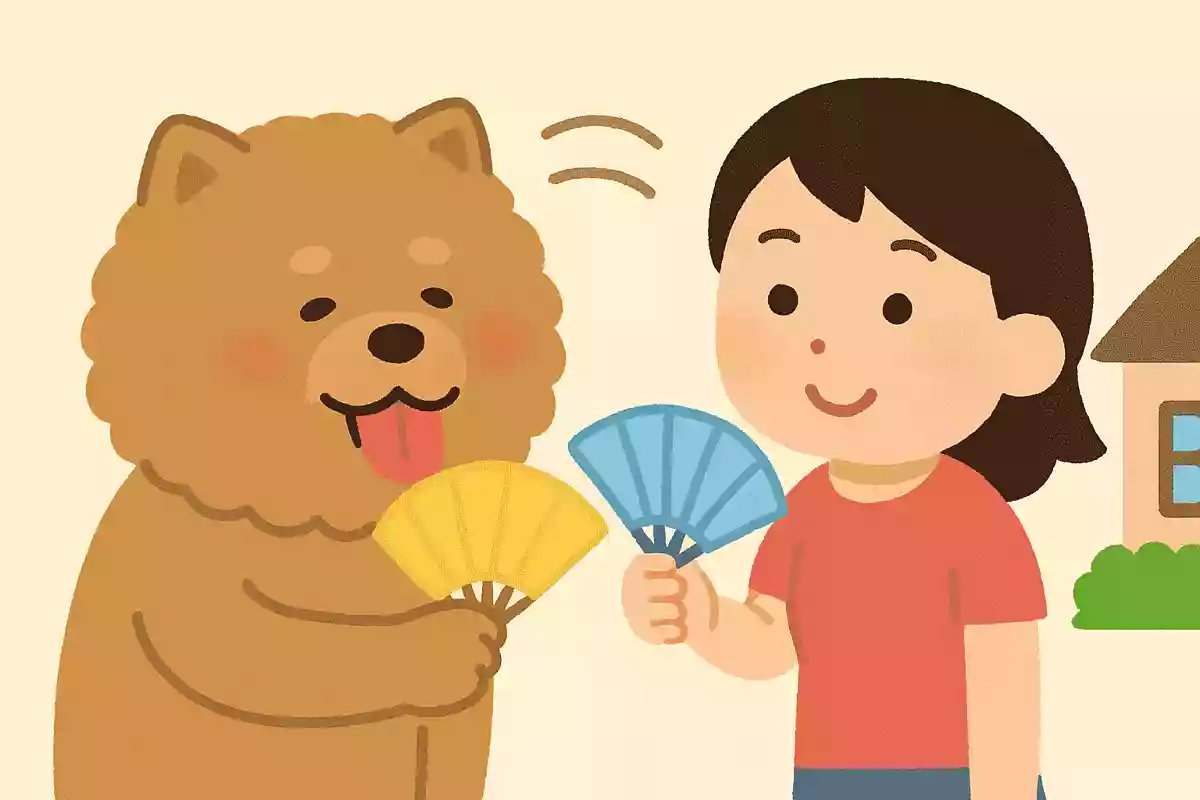
This is a tongue twister that focuses on uchi, a first-person pronoun used in Kansai Japanese.
Aside from uchi, it’s made with standard vocabulary, so as long as you get that word down, it should be fairly easy even for people who aren’t familiar with the Kansai dialect.
Since it’s built from similar words like uchiwa (fan), uchino/uchiy a (infield), and uchi-uchi (among ourselves), it may be important to pay attention to intonation.
Also, even just uchi can change intonation depending on context, so adjusting your delivery to fit the surrounding words might make it easier to say.
Pronouncing it as if you’re addressing “uchi-ya/uchiya” (the infield) could also be a key point in this passage.
At Koyasan, Kobo Daishi was holding a child while grinding flour; some flour got into the child’s eyes, so he said, ‘From now on, I won’t grind flour while holding a child.’
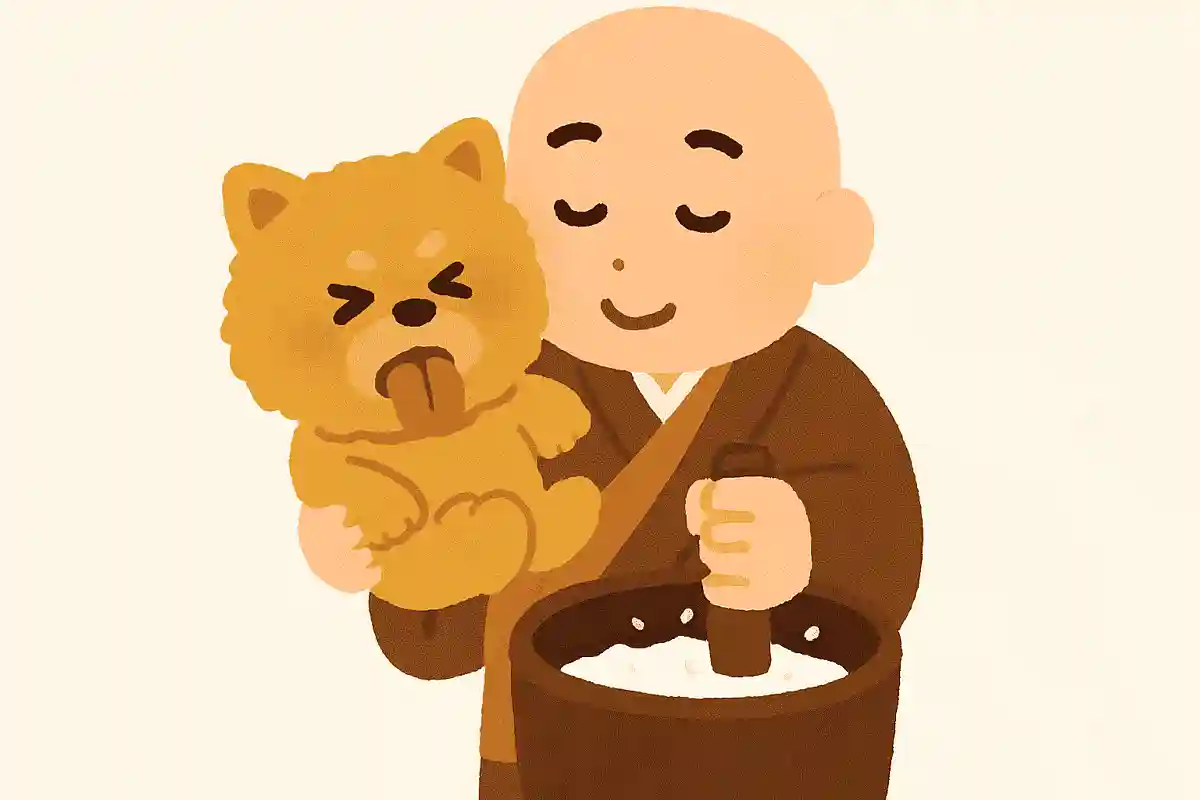
In Kansai dialect, there are words where a single-character word is elongated when spoken.
例えば「目」(め、eye)と書く言葉は「みー」と発音され、文字を読むだけではわからない関西の話し言葉の面白さのひとつです。
Here’s a tongue-twister featuring Kūkai, also known as Kōbō Daishi, that focuses on those elongated sounds and intonation in Kansai dialect.
When you read it as plain text, it doesn’t seem particularly difficult and the rhythm may even feel off, but if you incorporate the elongated pronunciations mentioned earlier, a rhythm emerges and the passage turns into good articulation practice.
For instance, read “粉” (kona) as “koo,” and “子供” (kodomo) as “koodomo” to tune it to a song-like cadence.
As long as you consistently produce the elongated parts and the Kansai intonation, it becomes an easy passage to read and could be useful for reviewing your own vocal delivery.