

“Chau chau, anta” — a Kansai-dialect tongue twister. A phrase only Kansai folks can say.


There are lots of tongue twisters, but did you know there are ones that use dialects too?
Among them, Kansai-dialect tongue twisters are famous!
Some of you might already know the tongue twister that uses the Chow Chow dog and the Kansai word chau, which means “not” or “different.”
In this article, we’ll introduce a bunch of tongue twisters in Kansai dialect.
We’ve gathered tricky ones that use Kansai words like “chau chau,” “anta,” and “sara,” which can be hard for people from other regions to say smoothly.
Whether you’re from Kansai or not, give them a try!
- Tongue twisters that will make you laugh out loud! Super funny
- Bursting into laughter! A roundup of Hakata dialect tongue twisters
- Kansai dialect quiz roundup: origins and example sentences included!
- Nagoya dialect tongue twisters are exquisite! A fun collection where your tongue gets tied in knots with regional dialects
- Challenging tongue twisters: Introducing high-difficulty phrases and sentences!
- [Diction Training] A Collection of Tongue Twisters to Improve Articulation
- [Can you understand what they're saying?] Quiz on dialects from various regions
- Chinese tongue twisters: A collection of rao kou ling helpful for learning Chinese
- A collection of long tongue twisters. Also recommended for practicing announcements and narration.
- [Recreation] Challenge! A roundup of tongue twisters recommended for elementary school students
- Trivia & fun facts about Osaka Prefecture
- Get Caught? Or Not!? Simple Ways to Kill Time During Class
- The magical power of words that make people laugh! A collection of quotes that lighten the heart
[Chau chau, anta] A Kansai-dialect tongue twister. Words only Kansai people can say (21–30)
At Tennoji, a natural, topsy-turvy tempura goblin took a tumble.
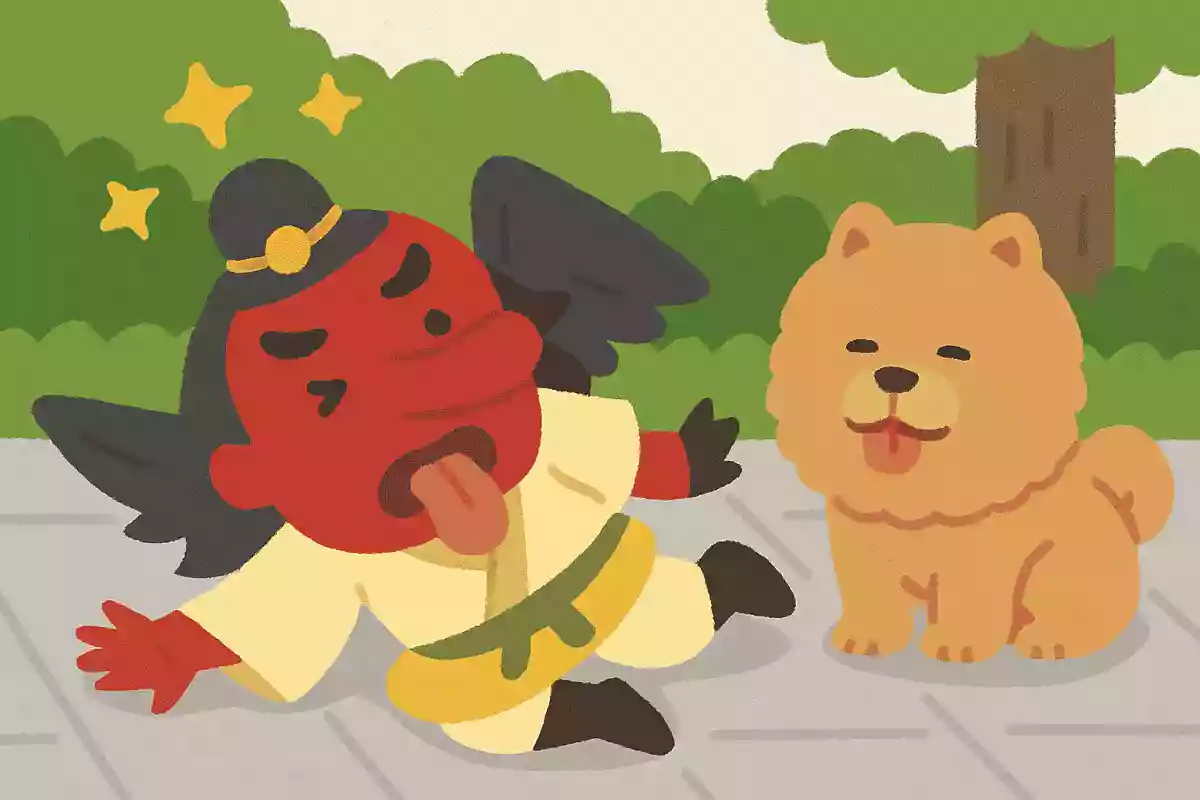
This tongue twister, set in Tennoji—a place name in Kansai—piles up words beginning with “ten,” and is characterized by its chain of sounds and imagination-stirring sense of story.
Just the idea of a goofy tengu tripping in a frantic mess is quietly funny, and the very existence of a “tempura tengu” is full of things to poke fun at.
It’s packed with the Kansai knack for turning chaotic situations into humor, the rhythm is pleasing to the ear when heard aloud, and the sentence brims with playful spirit.
If you think too seriously about the meaning it doesn’t make much sense, but you’ll still end up laughing—capturing the charm of Kansai dialect.

In conclusion
We introduced a bunch of tongue twisters in Kansai dialect all at once. In addition to famous ones that use words like “chau-chau” and “anta,” there were all sorts of other Kansai-dialect tongue twisters too. If you read them while understanding the meaning of the Kansai dialect used in each tongue twister, they might be a bit easier to get through. Take this chance to get friendly with the Kansai dialect!