

Trivia & fun facts about Osaka Prefecture

How much do you know about Osaka trivia?
In this article, we’ll introduce a whole array of trivia related to Osaka!
We’ve gathered many tidbits: trivia about the history of iconic Osaka buildings and foods, things that actually originated in Osaka, insights into the city’s layout and its culture, and more.
Some of these facts might be new even to people who live in Osaka.
You’re sure to find trivia you’ll want to share with others, so enjoy as you read!
Trivia & Fun Facts About Osaka Prefecture (1–10)
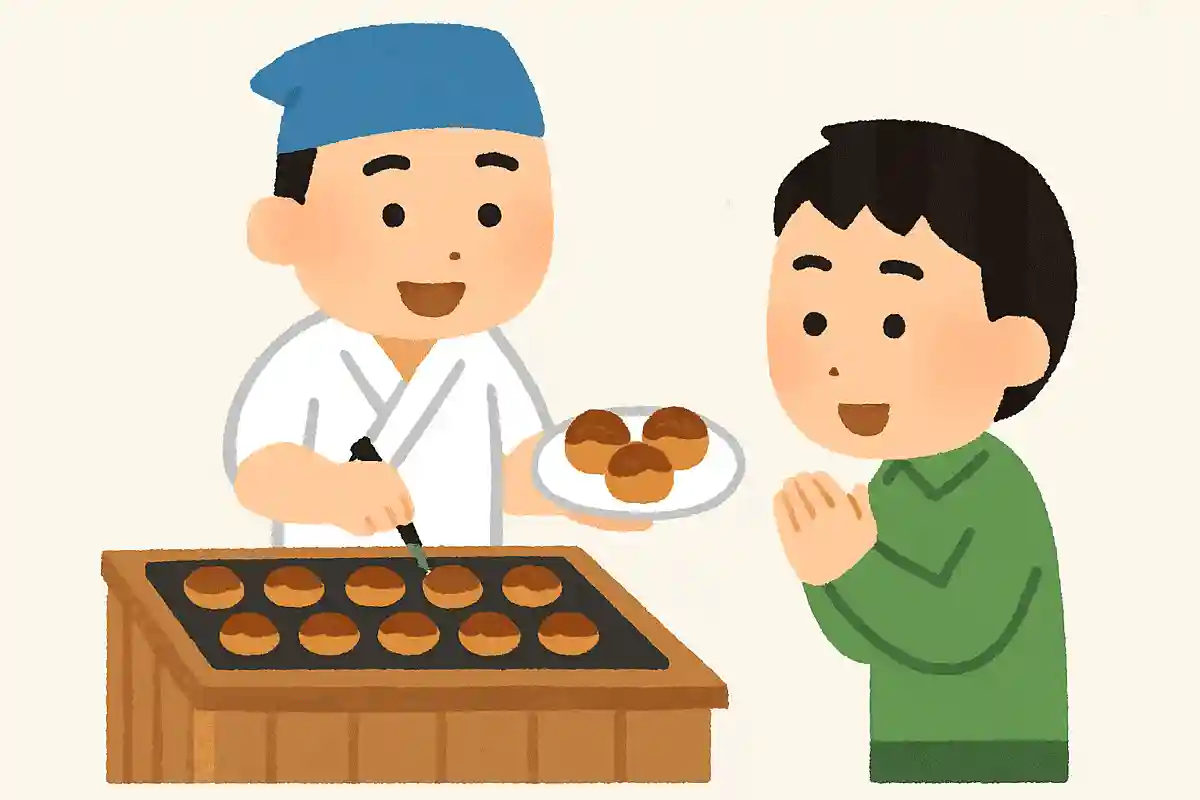
When takoyaki first came into being, it was normal to eat it without sauce.

When it comes to foods that symbolize Osaka, takoyaki is the first thing that comes to mind.
Interestingly, when takoyaki first appeared, it was commonly eaten without any sauce.
Takoyaki originated around 1935 and is said to have started at a shop called Aizuya.
Since the batter was soy sauce–flavored, people ate it plain at the time.
Takoyaki with sauce emerged around the mid-1950s (Showa 30s), becoming widespread after tonkatsu sauce and semi-thick sauces were introduced postwar.
It’s a fun bit of trivia to know, including its purported predecessors like radio-yaki and akashiyaki.

Capsule hotels originated in Osaka.

Capsule hotels are accommodations characterized by capsule-shaped sleeping quarters equipped with simple beds, and are popular as a way to save on travel expenses and stay efficiently.
The origin of capsule hotels is in Osaka; they were introduced in 1979, during the period of rapid economic growth, at New Japan Umeda, a sauna facility.
It is said that they were designed with reference to the sleeping spaces of sleeper train cars and were installed as nap rooms within the sauna facility.
As more people began staying overnight, the concept spread nationwide as a groundbreaking form of lodging.
The first Mister Donut store in Japan was in Minoh City, Osaka Prefecture.

Originating in the United States and expanded nationwide in Japan, Mister Donut’s first Japanese location opened in 1971 in Minoh, Osaka Prefecture.
Although it’s a brand founded in America, in Japan the trademark and sales rights are held by Duskin, and the chain has undergone its own unique evolution here.
The fact that Duskin’s headquarters are in Suita, Osaka Prefecture, is likely a major reason the first store was in Osaka.
The Mister Donut name may be prominent enough to make one forget, but the location of the first store helps clearly recall its connection to Duskin.
Only domestic flights arrive and depart at Osaka International Airport.
Osaka International Airport, affectionately known by its nickname Itami Airport, is also recognized as one of the three major airports in the Kansai region and has one of the longest histories among Osaka’s airports.
Despite the word “International” in its name, only domestic flights operate there today.
This isn’t deceptive; it’s a remnant of the roughly 34 years—from 1960—when the airport did handle international flights, a meaningful reminder of its history.
The fact that international services were transferred to Kansai International Airport when it opened in 1994 also underscores how Osaka International Airport has long supported the skies over Osaka.
The reason cabbage is always served at kushikatsu places is so you can pour sauce on the skewers.

Kushikatsu, one of Osaka’s signature foods, is often served with raw cabbage on the side.
While cabbage may seem like just a garnish, it actually plays an important role: helping you apply sauce to the kushikatsu.
In Osaka, the phrase “no double-dipping” is famous—you’re only allowed to dip your skewer into the communal sauce tray once.
That’s where the cabbage comes in: you can use a piece to scoop up the sauce and pour it over your kushikatsu, letting you follow the no double-dipping rule while still adding extra sauce.
It’s a clever, user-devised method that both seasons the cabbage and lets you control the amount of sauce.
The Tower of the Sun has a missing fourth face.
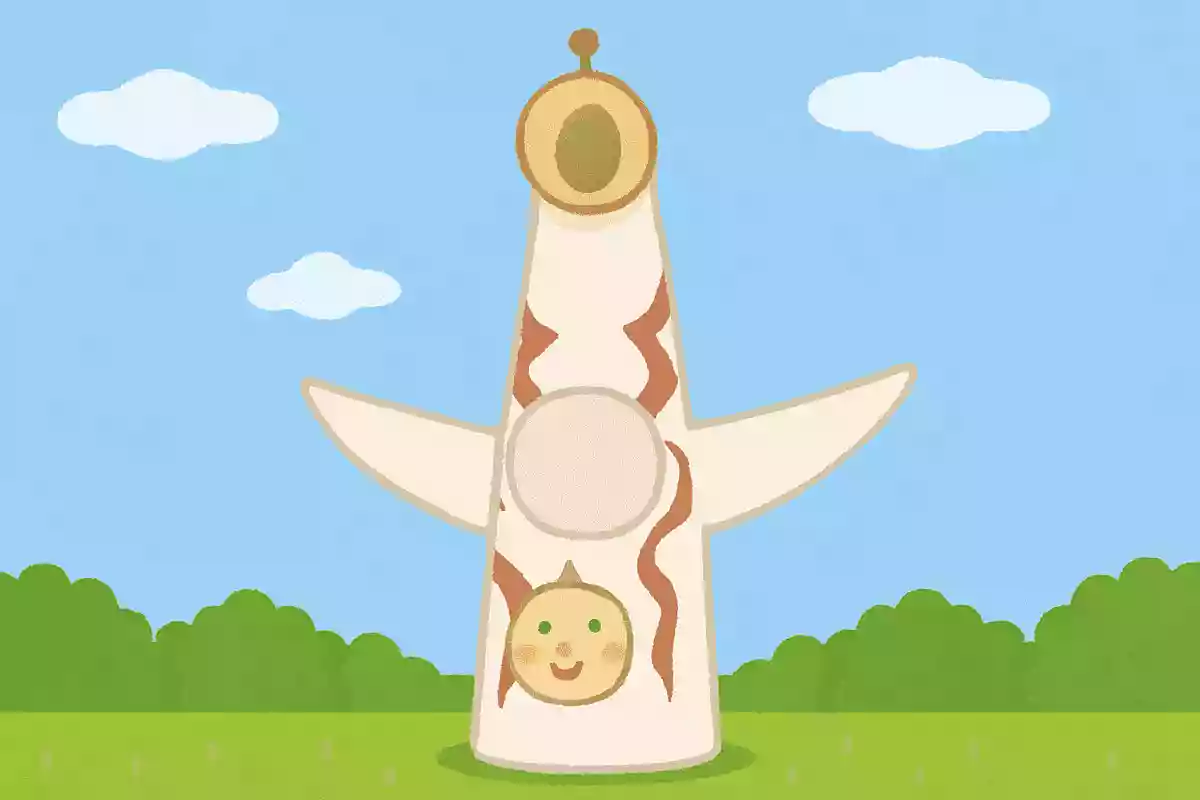
The Tower of the Sun, created as an exhibit for Expo ’70—the first world’s fair held in Japan—can be considered a representative monument by Taro Okamoto.
The tower features multiple faces imbued with various meanings, and there was once a fourth face that went missing.
This fourth face, called the “Sun of the Underworld,” was located in the underground exhibition hall and is said to have disappeared during dismantling after the expo closed.
Although the original vanished, a replica was later reconstructed based on photographs and interviews and is now on display.
Since the work includes this fourth face, which is separate from the main tower, it’s recommended to check it out as well when you visit.
The stone walls of Osaka Castle were transported using kelp.

Osaka Castle, built by Toyotomi Hideyoshi between 1583 and 1598.
Although its original appearance can no longer be seen due to the Summer Siege of Osaka, some trivia about its construction remains.
It’s said that when transporting the large stones used for the castle’s stone walls, they took advantage of the slipperiness of kelp.
Wooden sleds were used as equipment to haul stones from various regions of Japan, and large amounts of kelp soaked in water were used to make the sleds slide more smoothly.
The merchants of Osaka thought it wasteful to discard the huge quantities of kelp that had been brought into the city and had served their purpose.
When they simmered the kelp in soy sauce, a delicious broth resulted, and from there, Osaka’s kelp-dashi culture is said to have been born.
