

Trivia & fun facts about Osaka Prefecture

How much do you know about Osaka trivia?
In this article, we’ll introduce a whole array of trivia related to Osaka!
We’ve gathered many tidbits: trivia about the history of iconic Osaka buildings and foods, things that actually originated in Osaka, insights into the city’s layout and its culture, and more.
Some of these facts might be new even to people who live in Osaka.
You’re sure to find trivia you’ll want to share with others, so enjoy as you read!
- [For Elementary School Students] Collection of Local Quizzes from Osaka Prefecture
- Kansai dialect quiz roundup: origins and example sentences included!
- A quiz of fun trivia: bite-sized knowledge that leads to new insights.
- For Seniors: Local Quizzes of Osaka Prefecture, from Famous Tourist Spots to Food
- Rainy season trivia roundup: fun facts you'll want to share with someone
- Trivia and fun facts about food (summary)
- So interesting you’ll want to tell someone! December Trivia & Fun Facts Special
- Trivia about Tokyo: A collection of fun facts useful for sightseeing
- Trivia you think you know but surprisingly don’t? August trivia and fun facts quiz!
- Fun facts you’ll want to share! January trivia and tidbits special
- Fun facts you’ll want to share! A special feature on November trivia and tidbits
- Trivia & Fun Facts About Gifu Prefecture
- Deep dive into the charms of Okinawa! A roundup of trivia and fun facts about Okinawa Prefecture
Trivia & Fun Facts About Osaka Prefecture (1–10)
The original Tsutenkaku Tower had a design that combined the Arc de Triomphe and the Eiffel Tower.
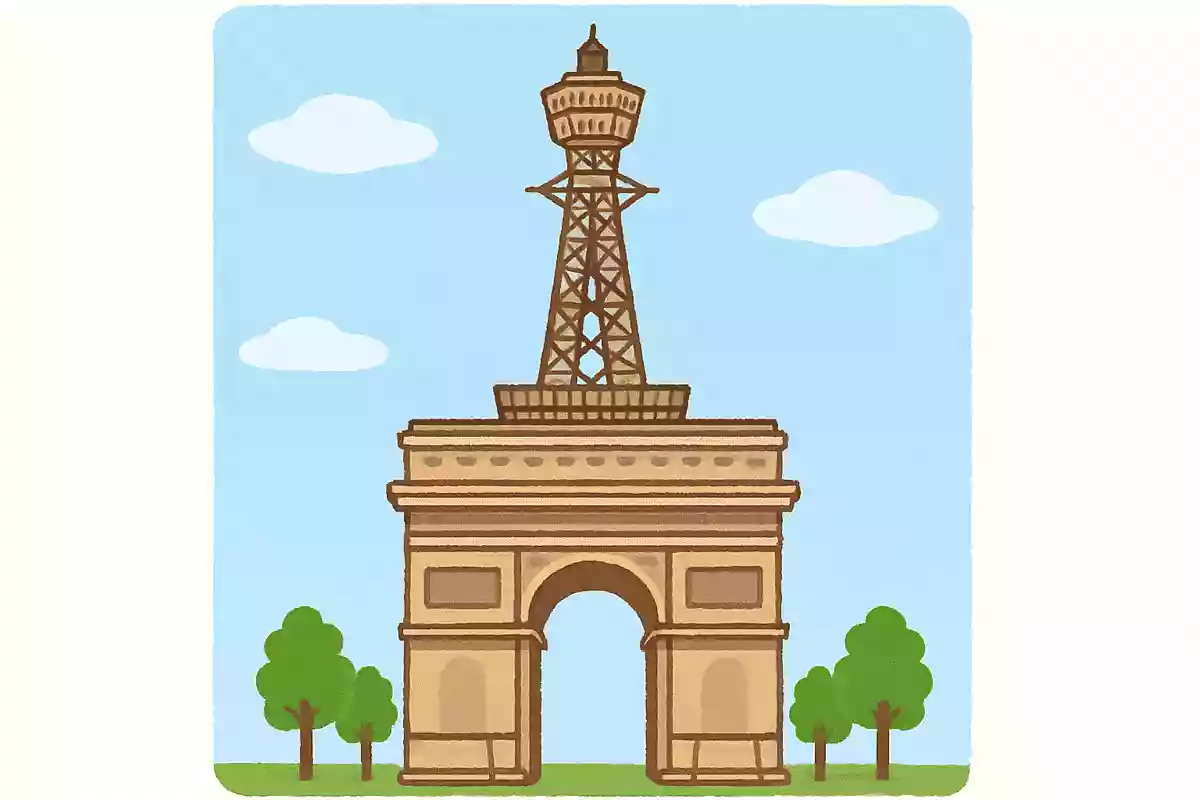
Tsutenkaku, which stands at the heart of Osaka’s Shinsekai district, is a beloved landmark and symbol of the city.
The current tower is the second generation, completed in 1956, while the original Tsutenkaku had an intriguing design that combined the Arc de Triomphe and the Eiffel Tower.
Built in 1912 along with Shinsekai’s Luna Park, it was cherished as one of Japan’s three great lookout towers.
However, it was severely damaged by fire in 1943 and subsequently dismantled due to the wartime demand for steel.
The design, which incorporated and combined famous overseas landmarks, strongly conveys a sense of extravagance and flamboyance.

Osaka is the birthplace of conveyor-belt sushi.

Conveyor belt sushi restaurants can be found all over Japan, including many chain stores.
Did you know that the birthplace of conveyor belt sushi is Osaka? Specifically, it’s in Higashi-Osaka City.
The sushi restaurant “Mawaru Genroku Sushi No.
1,” which opened in 1958, is credited as the origin, and the chain now operates mainly in the Osaka area.
The owner, who originally ran a standing sushi bar, got the idea for conveyor belt sushi after seeing beer being produced on a conveyor belt.
Later, after exhibiting at the 1970 Osaka Expo, the concept spread nationwide.

The balustrade of Ebisubashi is decorated with a trowel motif.
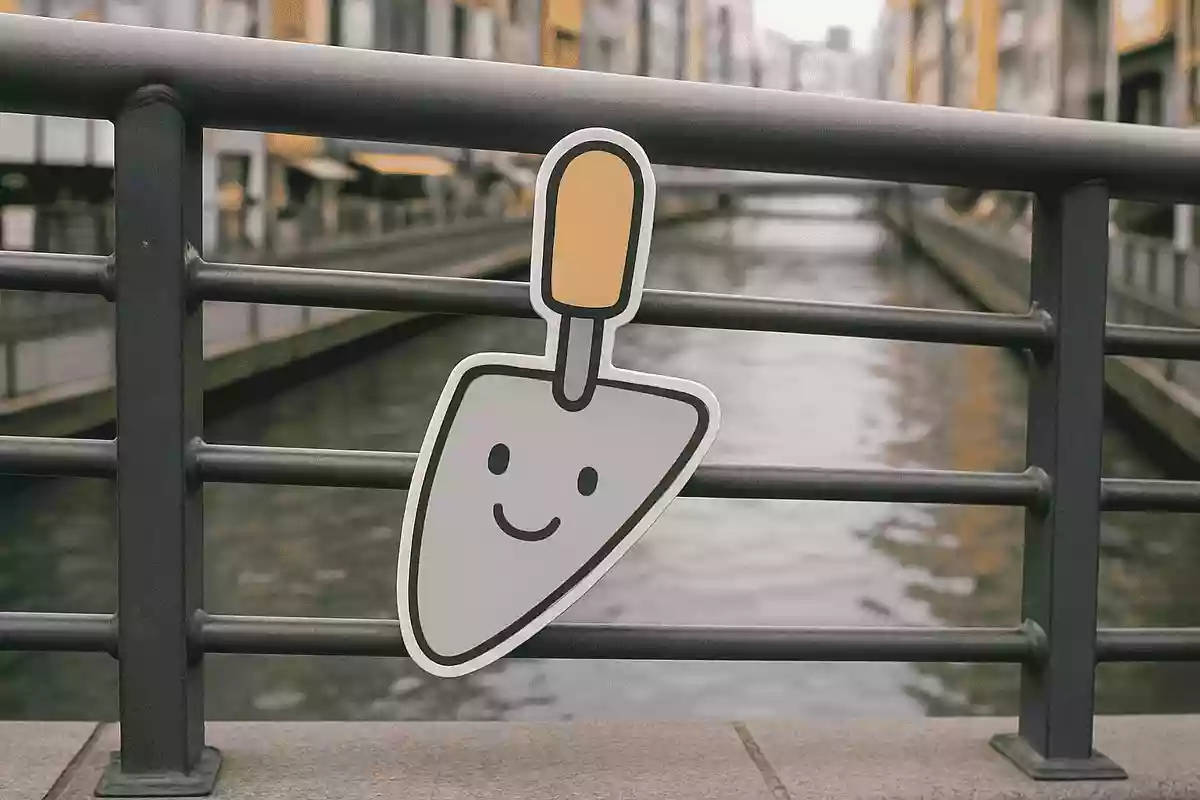
Dotonbori is famous as a sightseeing spot in Osaka, and among its landmarks, Ebisubashi—known for the iconic Glico sign—is especially crowded.
On this quintessential Osaka bridge, the railings are designed to look like metal spatulas used for okonomiyaki.
It’s a distinctive design, but there are so many of them that you might overlook the detail unless it’s pointed out.
Precisely because this is a place where your attention tends to go straight to the Glico sign, this little bit of trivia encourages you to notice the finer details.
Trivia & Fun Facts about Osaka Prefecture (11–20)
There are many fossils in the underground mall in Umeda.
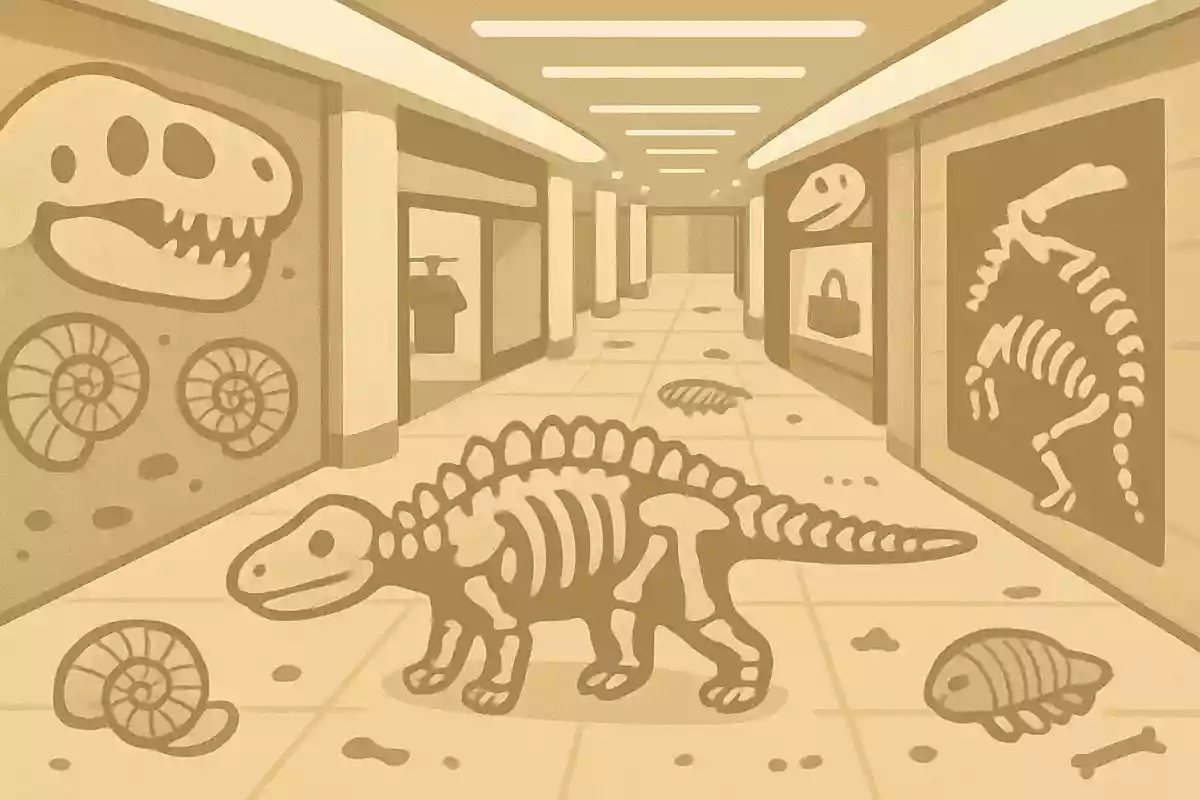
In Osaka’s Umeda, an extensive underground city spreads out, and because of its vastness and maze-like passages, it’s sometimes called the Umeda Dungeon or Umeda Underground Labyrinth.
While the underground expanse and the complexity of its routes often draw attention, another noteworthy feature is the presence of fossils in various places.
It’s said that the main reason fossils can be seen is the use of marble on walls and pillars.
The walls were built during the bubble era, using marble quarried in Europe as-is, which allowed the fossils embedded inside to appear on the surface.
It makes you want to visit in person to see where and what kinds of fossils are embedded there.
Osaka has the longest shopping street in Japan.

Osaka, also known as the nation’s kitchen, is home to many shopping arcades.
In fact, Osaka boasts the longest shopping arcade in Japan! It’s the Tenjinbashisuji Shopping Street in Kita Ward, Osaka City, stretching about 2.6 kilometers.
In addition to foodie favorites like takoyaki and croquettes, there are places to try on kimono and plenty of souvenir shops, making it a perfect spot for sightseeing in Osaka.
By the way, the “Tenjin” in Tenjinbashisuji refers to Osaka Tenmangu Shrine, which is located very close to the arcade.
When you visit Osaka, be sure to check out this spot where you can truly feel the spirit of the city of commerce.
In Osaka City, north–south roads are called “XX-suji,” and east–west roads are called “XX-dori.”

When you look at place names and train lines in Osaka, it’s striking how often “-suji” and “-dōri” are used.
There’s a rule behind them: roads running north–south are called suji, and roads running east–west are called dōri.
The city of Osaka is laid out like a grid where suji and dōri intersect, so if you remember the major ones, it can be helpful for sightseeing.
Unlike Kyoto, which was modeled after Tang China, it’s said that Toyotomi Hideyoshi created this cityscape for administrative purposes.
Feeling the history through the shape of the town is another interesting point.
The platform at Tsuruhashi Station smells like grilled meat.
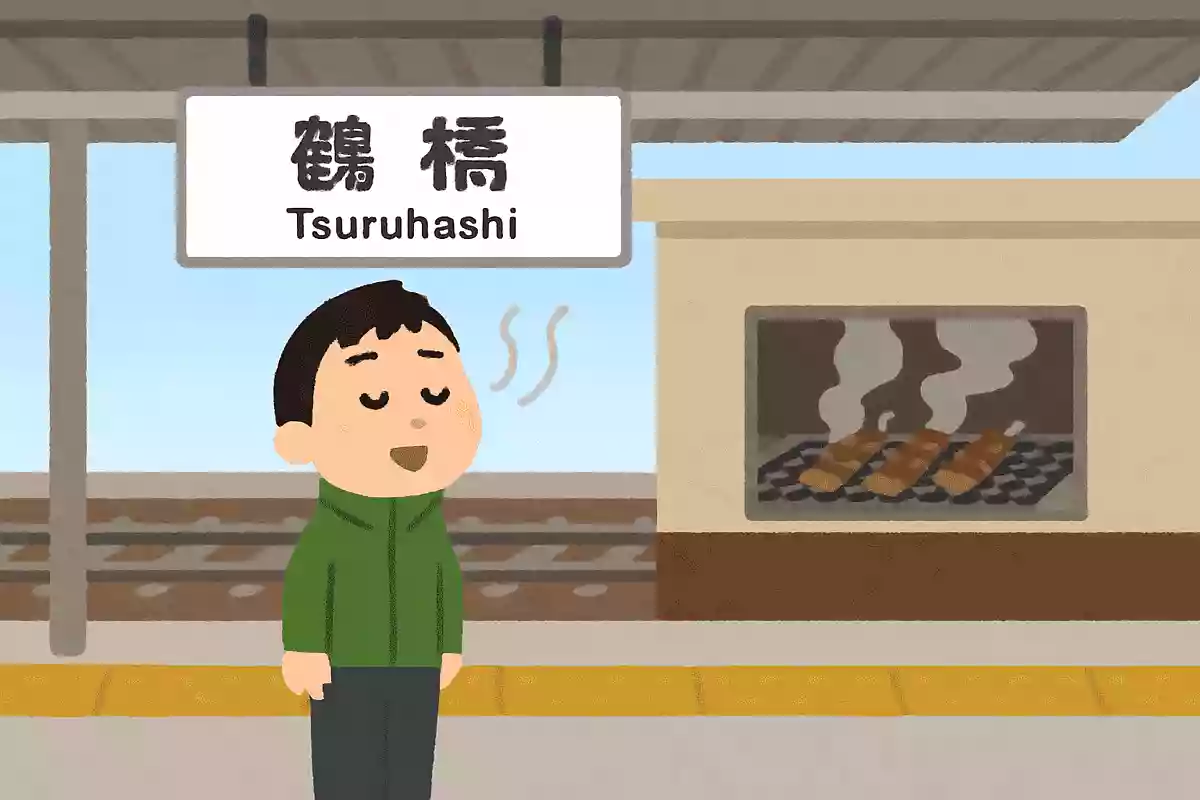
At Tsuruhashi Station, which serves JR, Kintetsu, and Osaka Metro lines, you’re greeted by the aroma of grilled yakiniku the moment you step onto the platform.
It’s no wonder—right outside the station there are lots of yakiniku restaurants lined up! If you get off the train hungry, you’ll definitely crave yakiniku.
In fact, this very scent at Tsuruhashi Station was chosen for the Ministry of the Environment’s “100 Fragrant Landscapes.” If you love meat, be sure to savor the aroma at Tsuruhashi Station and then enjoy some delicious yakiniku at one of the restaurants!