


Trivia you think you know but surprisingly don’t? August trivia and fun facts quiz!

Speaking of August, for students it’s the season when summer vacation starts and there are tons of events, right?
While it’s a time many people look forward to, there may also be more things you don’t actually know than you think.
So this time, we’re introducing a quiz where you can learn trivia and fun facts related to August.
We’ve prepared a wide range of topics, from things you learn at school to more specialized knowledge.
Since it’s also a season when people go out a lot, we hope it will serve as a conversation starter with your friends and family.
Things you think you know but actually don’t? August Trivia & Fun Facts Quiz! (1–10)
What is the name of the phenomenon where your head hurts when you eat something cold?
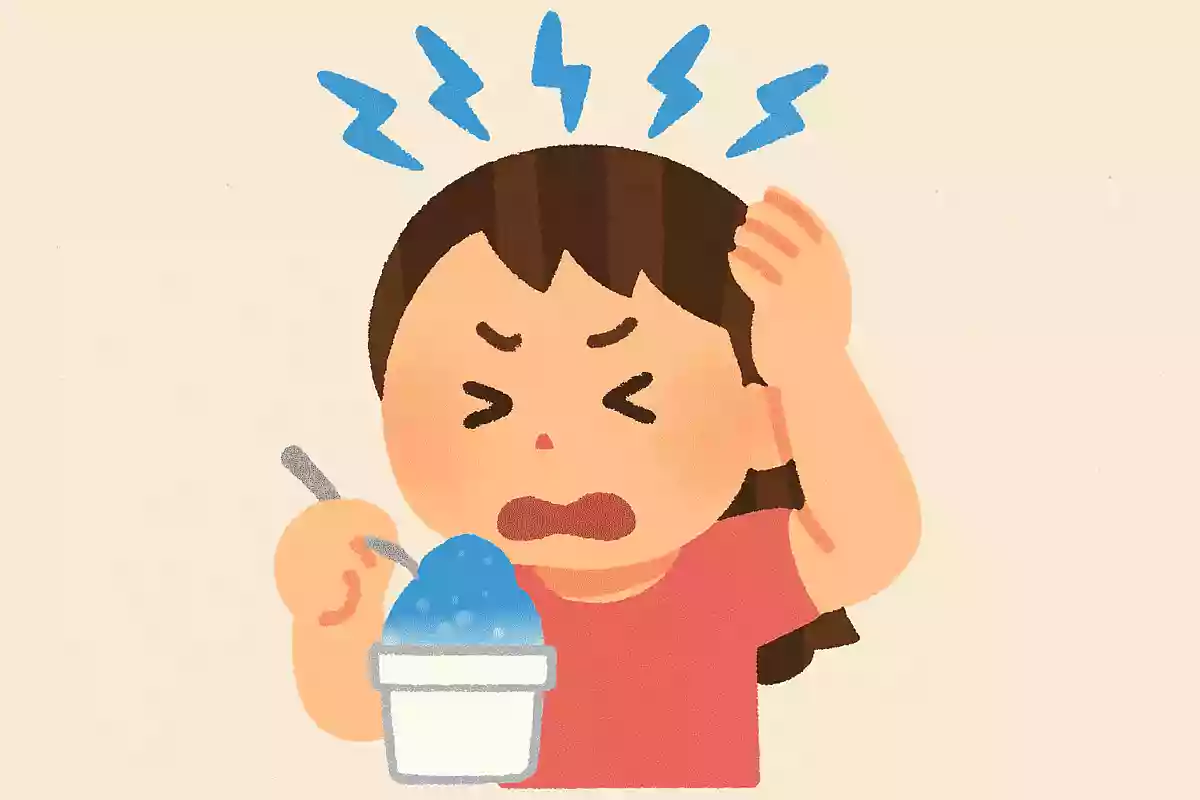
- ice cream headache
- a sharp squeezing headache
- cold-induced headache
See the answer
ice cream headache
The phenomenon where your head suddenly aches when you eat something cold is called “ice cream headache.” There are several theories about its cause, but it’s said to occur because cold foods or drinks rapidly lower the temperature in the mouth or throat, stimulating nerves and triggering a temporary headache.

What do you call a day when the temperature is 30°C or higher but below 35°C?

- midsummer day
- extremely hot day
- extremely hot day
See the answer
midsummer day
A day with a maximum temperature of 30°C or higher but below 35°C is called a “midsummer day.” For reference, days with temperatures of 25°C or higher but below 30°C are defined as “summer days,” and days of 35°C or higher are “extremely hot days.” In recent years, days referred to as “intensely hot days” have also increased, heightening vigilance against heatstroke.
Which regions consider Shōrō-nagashi, held during Obon, a traditional event?
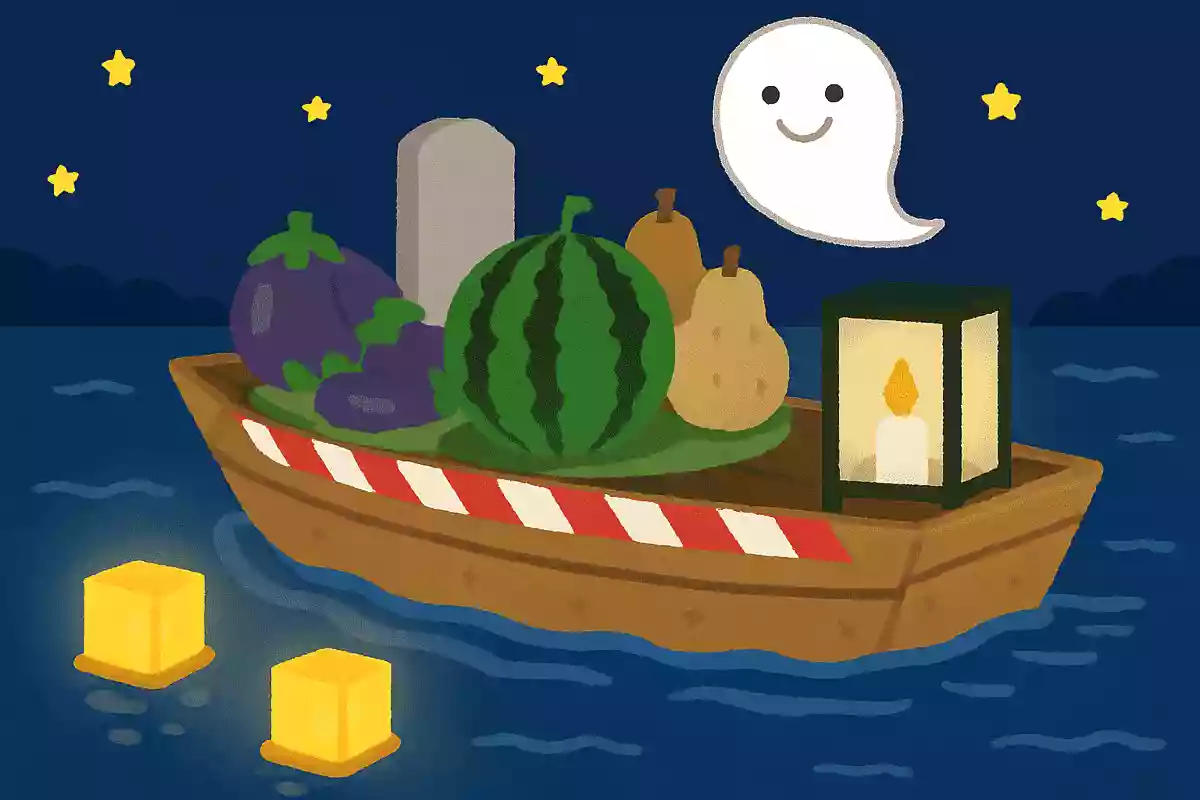
- Nagasaki Prefecture
- Hokkaido
- Tokyo Metropolis
See the answer
Nagasaki Prefecture
In Nagasaki Prefecture, the grand “Shoro-nagashi” ceremony is held every year on August 15 to console and send off the spirits of the deceased by setting lanterns afloat on rivers and the sea. Colorful lanterns and paper lamps drift along the water, creating a beautiful scene. While this event is held in other regions as well, it is particularly large-scale in Nagasaki Prefecture and is popular with tourists.
What is the origin of the English word “August” that refers to the month of August?
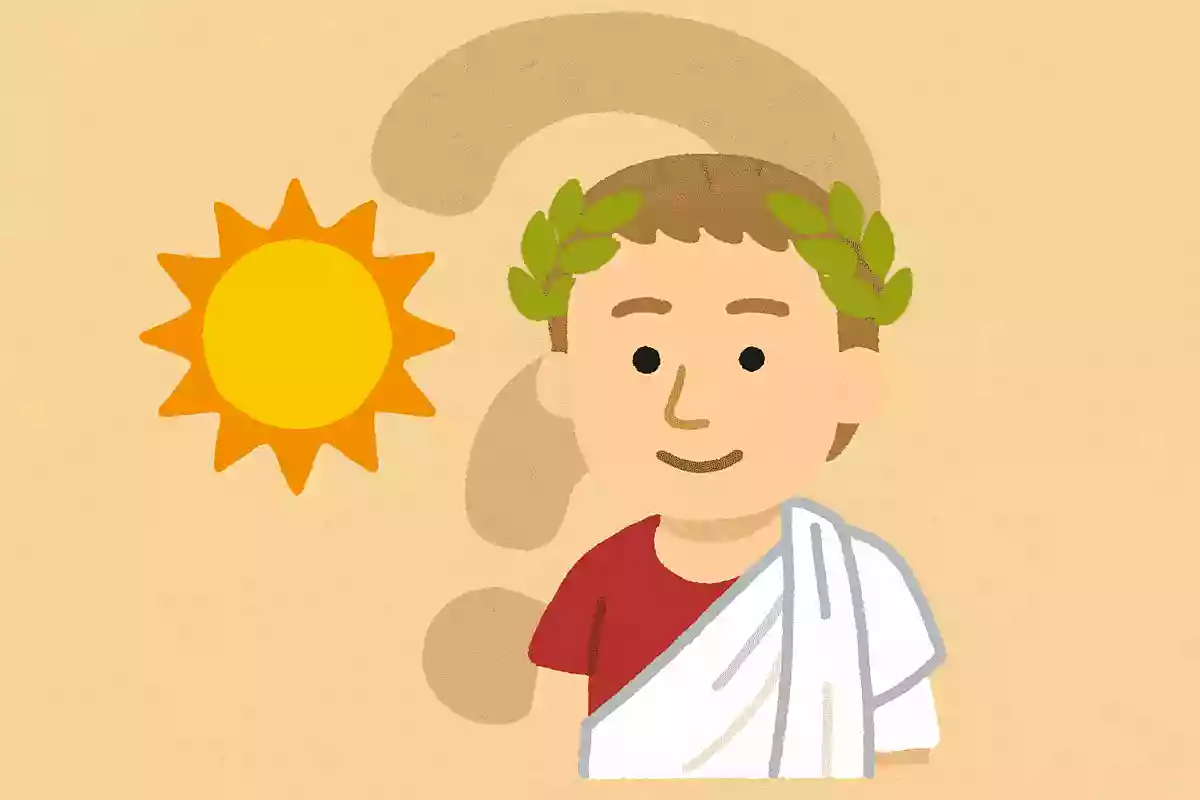
- Names of gods in Greek mythology
- Names of famous composers
- Names of Roman emperors
See the answer
Names of Roman emperors
August was named in the 1st century BCE by Emperor Augustus (Augustus Caesar). Augustus, the first emperor of the Roman Empire, is said to have corrected the misapplication of the Julian calendar that had been in use and to have changed the name of the month to his own.
What is August called in the lunar calendar?

- Kannazuki (the Tenth Month; literally "Month without Gods")
- Shimotsuki (the Frost Month; traditional Japanese name for November)
- Hazuki
See the answer
Hazuki
In the old lunar calendar, August was called “Hazuki.” It is said to mean “the month when leaves fall,” reflecting the feeling that autumn is approaching. Many traditional events are held in August today, but in the lunar calendar this corresponds to late July through early August.
What greeting card is typically sent so that it arrives on or after August 7?
- Summer greeting card
- Late-summer greeting
- summer gift (ochugen)
See the answer
Late-summer greeting
A greeting card sent to arrive between August 7 and August 31 is called a late-summer greeting (zansho-mimai). It is sent after the start of autumn on the traditional calendar, when the heat still lingers, to ask after the recipient’s health and circumstances. By the way, a midsummer greeting (shochu-mimai) is sent to arrive from the end of the rainy season up to August 6.
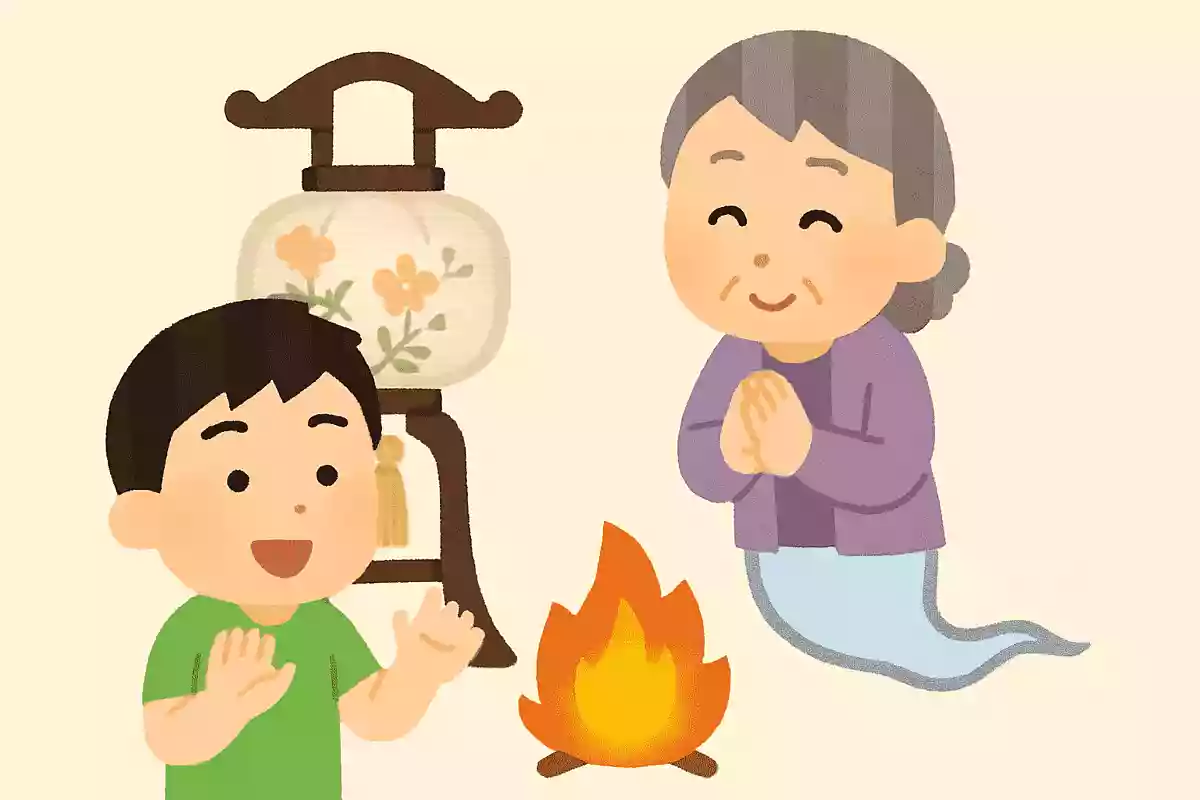
Who will we welcome during Obon?
- God
- fairy
- honorable ancestors
See the answer
honorable ancestors
Obon is a traditional Japanese observance during which it is believed that the spirits of deceased ancestors return. It takes place every August, and during this period people often travel back to their family homes. Many households visit graves and offer memorial services to express gratitude to their ancestors.