


Not taught in school! A roundup of historical trivia and fun facts


History that everyone studied in school.
Some people aren’t good at it, while others feel a sense of romance in a worldview completely different from today’s.
Most of what we learn in school focuses on major historical events, and it’s common not to touch on the small episodes around them.
So in this article, we’ll introduce trivia and fun facts about history that you wouldn’t cover in class.
We’ve focused on the surprising anecdotes of great figures and incidents that happened behind historical events—the interesting side of history you can’t learn in lessons.
Whether you love history or not, be sure to check it out!
Not taught in school! A roundup of historical trivia and fun facts (1–10)
There was a king who reigned for only 20 minutes in the world.

Did you know the astonishing fact that there was a king who reigned for only 20 minutes? In 1908, while King Carlos I of Portugal and his son Prince Luís Filipe were traveling by carriage, they were attacked by radical republicans.
King Carlos I was killed instantly.
The throne passed to his son, but he too was gravely wounded and died just 20 minutes later.
Without a formal coronation and with only a fleeting reign, he entered history as a “phantom king.” This fateful succession that lasted mere minutes stands as a striking irony of history.

Xavier’s head isn’t bald.
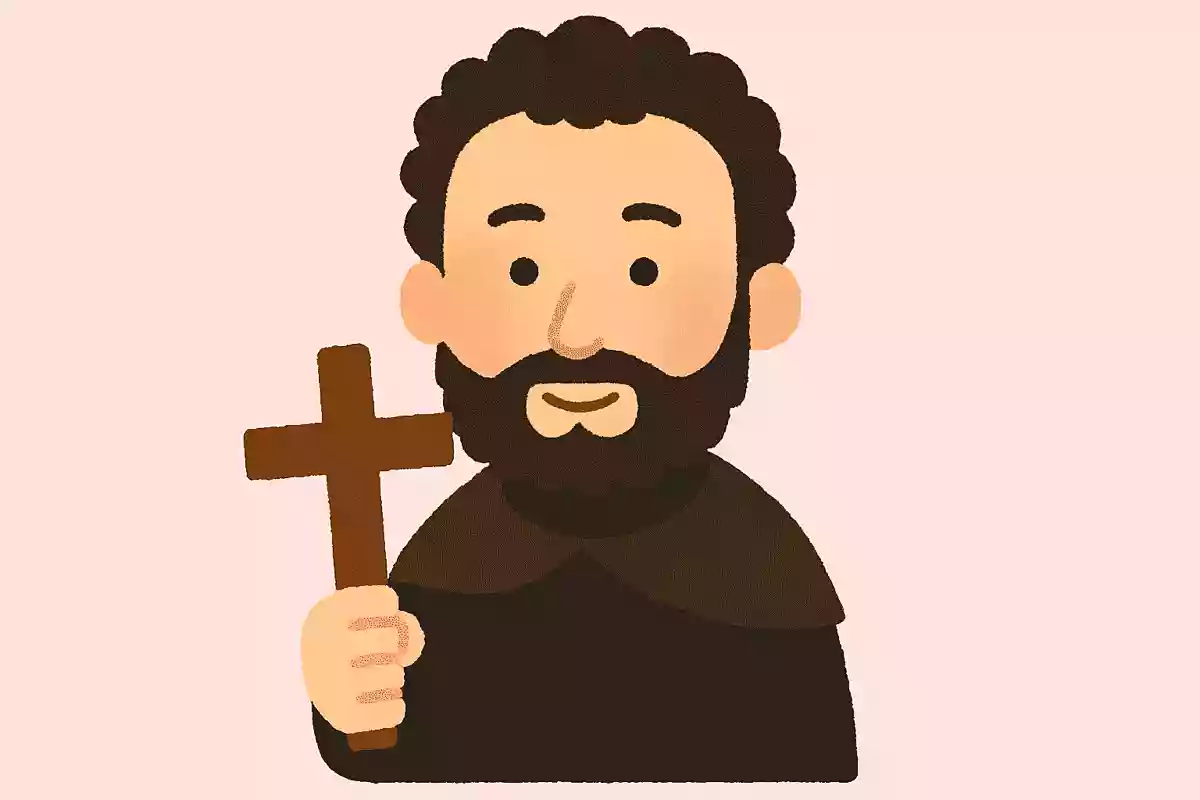
The image that “Xavier was bald” is actually a misconception.
In portraits of Francis Xavier, the missionary well known in Japan, his crown is shown as completely shaved, but this wasn’t mere thinning hair—it was a religious tonsure.
This shaving of the crown, called tonsure, was a custom among Catholic monks and clergy as a sign of dedication to God, and Xavier followed that practice.
In other words, he was simply expressing his faith.
It’s an example that shows how appearances alone can’t tell the whole story, revealing the deeper layers of history.
Ginkakuji didn’t have enough money, so it couldn’t be built with silver leaf.

It’s widely known that Kinkaku-ji is adorned with gold leaf.
However, it’s less well known that Ginkaku-ji does not use silver leaf.
There are various theories as to why silver leaf was never applied—some say the shogunate lacked funds, while others claim it was originally intended to be finished with black lacquer alone.
So why is it called the Silver Pavilion? Because the sand mounds in the garden glowed silver under the moonlight.
Incidentally, “Ginkaku” is not its official name; the temple’s formal name is Jishō-ji.

Napoleon once lost to rabbits.

The unusual incident of Napoleon being chased by rabbits occurred in 1807, during celebrations following the war with Prussia.
To enjoy a hunt, his subordinates prepared a large number of rabbits—but they were domesticated, not wild.
Once released, the rabbits assumed they were about to be fed and swarmed toward Napoleon.
Greatly startled, he had to flee in a hurry.
It’s a humorous historical anecdote you won’t learn in school, revealing an unexpected side of the famed hero.
The White House in America used to be a Black House.

The White House in the United States was originally called the “President’s House.” During the War of 1812, it was burned by invading British forces, and for a time it was even referred to as the “Black House” because of its charred appearance.
But since it was the official residence, it couldn’t be left pitch-black.
When repairs were made, the exterior walls were repainted white, and that’s how it came to be known as the “White House” we know today.
This change symbolizes the hardships and rebirth in American history, giving it meaning beyond just a building.
It’s a lesser-known, intriguing slice of history.
There was a job in the Edo period where someone would take the blame for a fart.
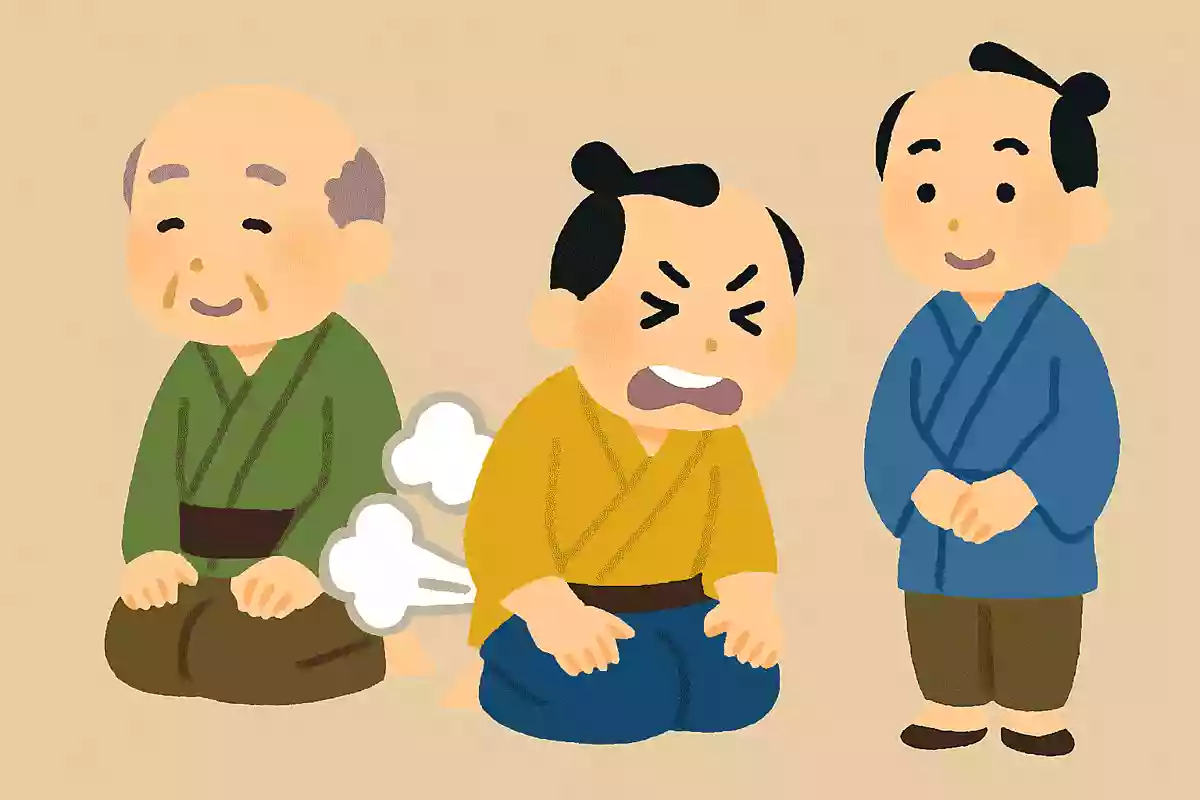
Farting in front of others is embarrassing, yet holding it in is bad for your health—a dilemma everyone has suffered.
In the Edo period, there was a profession called “heobikuni,” who sympathized with such flatulence troubles.
While attending to the needs of high-born individuals, they would immediately claim, faster than anyone else, that they themselves had farted whenever a noble accidentally did so in public, acting as a scapegoat.
The very fact that this was a job shows just how shameful farting was considered at the time.

The Wizard of Invention, Edison, proposed in Morse code.

Thomas Edison is known for many innovative inventions, but there’s an anecdote that shows he had a unique talent in romance as well.
Remarkably, he proposed using Morse code, a system he helped develop.
The recipient was Mina Miller, an assistant he had hired who was well-versed in Morse code.
Edison took her hand and tapped out the message “Will you marry me?” on her palm.
She, in turn, replied “Yes” in Morse.
Perhaps great figures in history feel more compelling not only because of their achievements, but also because stories like these reveal their human side.