

How many can you solve? Fascinating history trivia quizzes that spark intellectual curiosity

Are you good at history?
We’ve put together a collection of fun history trivia quizzes that both history buffs and those who find it a bit challenging can enjoy!
Since it’s trivia, the questions focus on the little details that accompany historical events rather than what you learned in history class.
By taking these quizzes, you can learn about the history of Japan and the world from a different perspective.
Some questions have surprising and amusing answers that will make you say, “I had no idea!”—so even if you’re not a fan of history, you might start to like it a bit more.
Give it a try with your family and friends!
How many can you solve? Fascinating history trivia quizzes that spark intellectual curiosity (1–10)
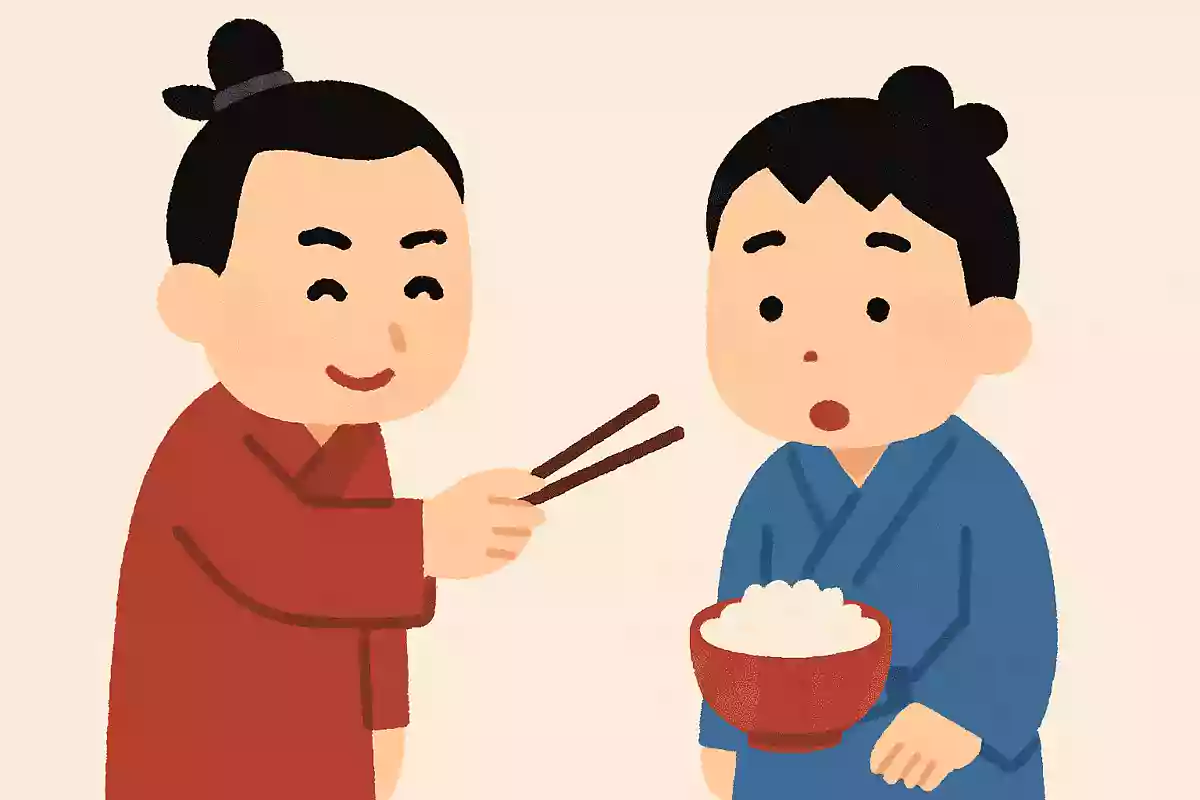
Who spread chopsticks throughout Japan?
- Minamoto no Yoshitsune
- Prince Shōtoku
- Tokugawa Ieyasu
See the answer
Prince Shōtoku
Prince Shotoku is credited with spreading chopsticks in Japan. Until then, people ate with their hands, but upon learning that China’s dynasties used chopsticks, he studied chopstick etiquette in anticipation of receiving envoys from those dynasties. It is said that the very first chopsticks were shaped like tweezers.

Which of the following was an unusual occupation in the Edo period?
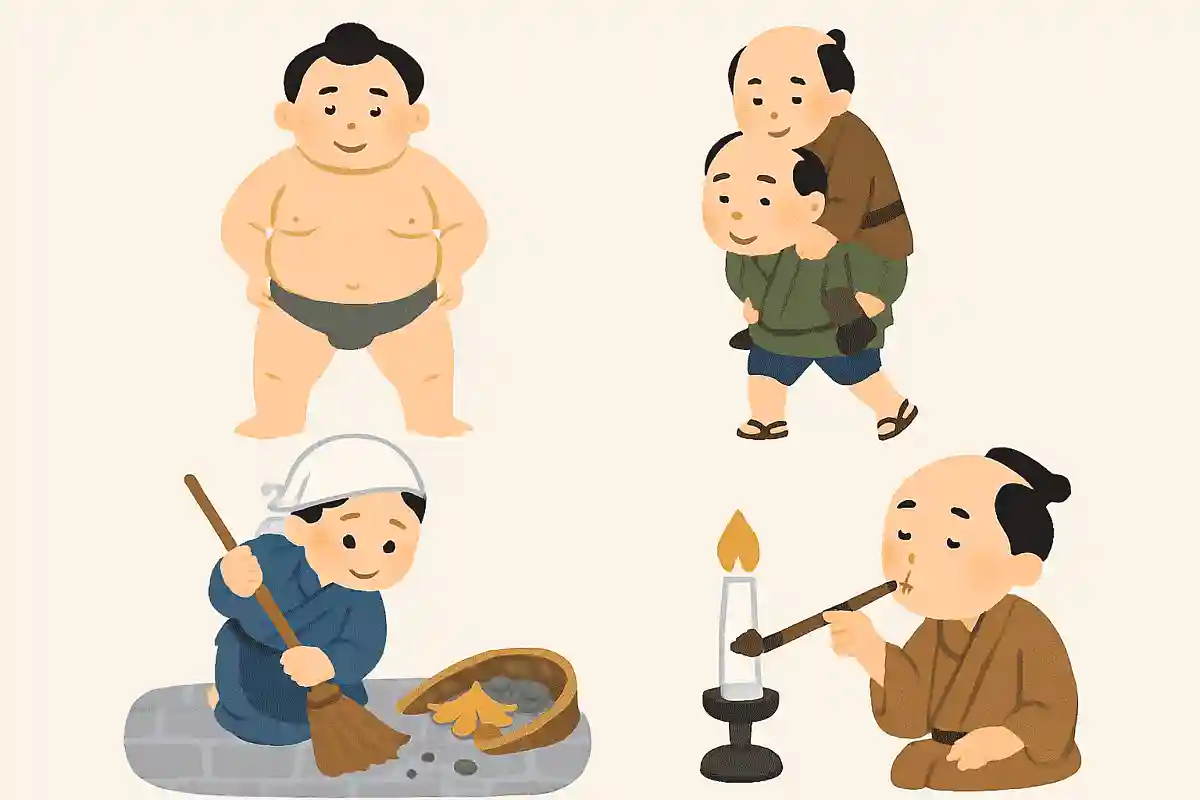
- Cry together
- A stand-in for a fart
- Stop a sneeze
See the answer
A stand-in for a fart
In the Edo period, there existed a very unusual profession known as “heoi bikuni” (flatulence-taking nuns). These were women who, when a high-born princess or a lady from a reputable family accidentally passed gas in public—at a matchmaking meeting or a banquet—would step forward and declare, “That was my fart,” taking the blame in her stead. For women of that time, passing gas in front of others was considered a great disgrace, and these women were hired to preserve their patrons’ dignity.

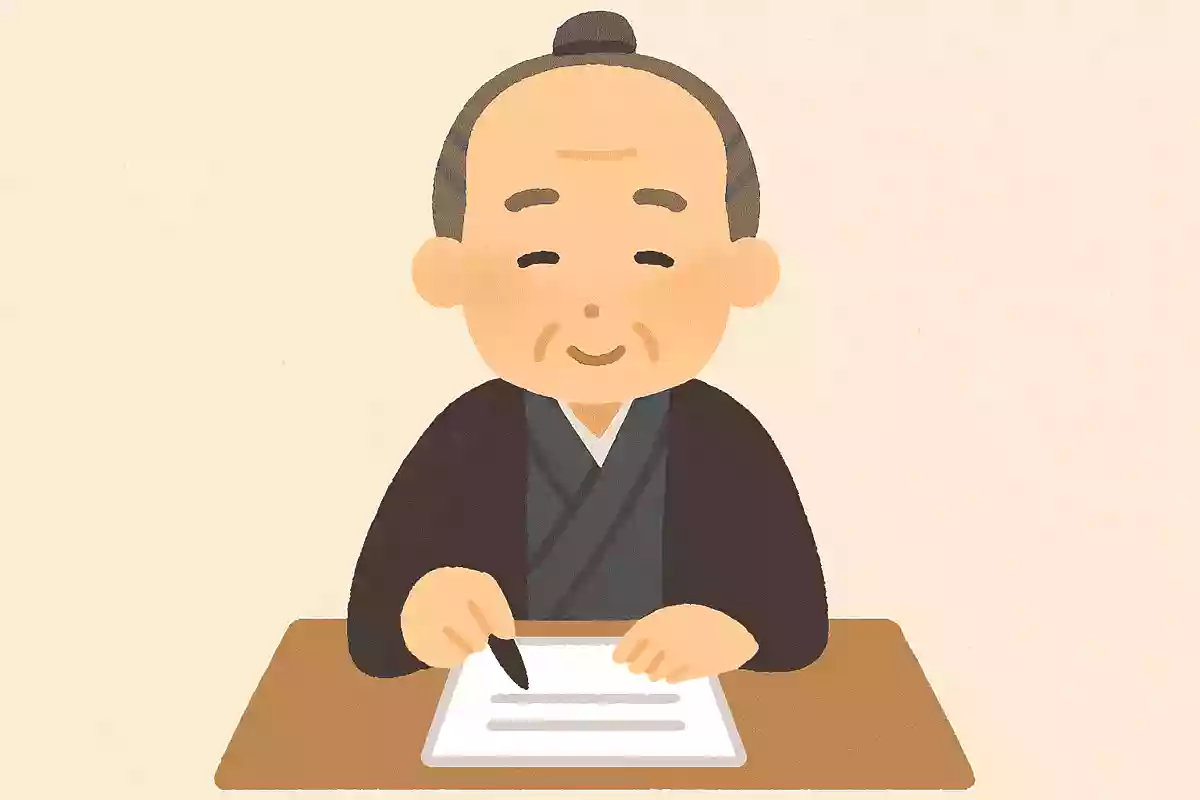
Who was the first person in Japan to use a pen name?
- Sei Shōnagon
- Murasaki Shikibu
- Ki no Tsurayuki
See the answer
Murasaki Shikibu
Murasaki Shikibu was a female writer of the Heian period, famous as the author of The Tale of Genji and The Diary of Murasaki Shikibu. Her real name is unknown, and it is said that the name “Murasaki Shikibu” was derived from her father’s official post title and from the character Murasaki no Ue who appears in The Tale of Genji.
What sweets did the Jomon people make using Jomon pottery?
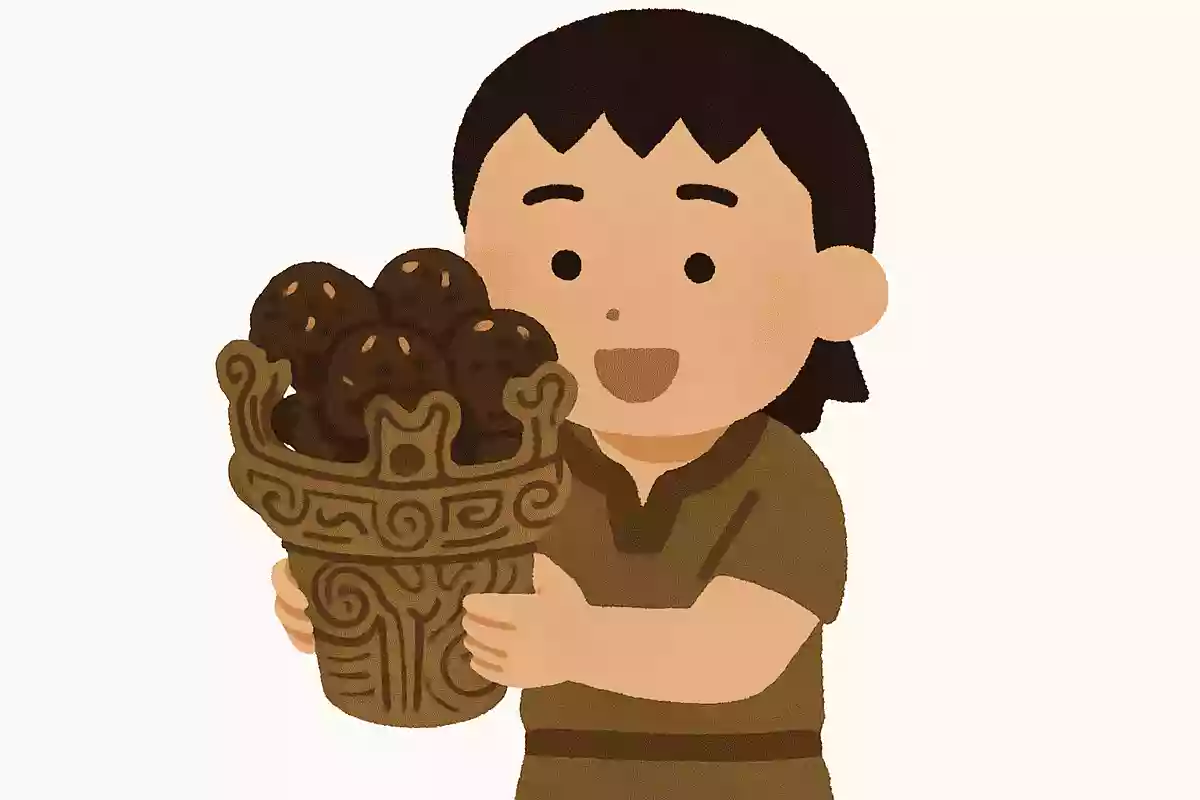
- Cookie
- chocolate
- rain
See the answer
Cookie
It is said that cookies at the time were made using nuts such as acorns, and they have also been found at archaeological sites. This shows that acorns were not eaten as they were, but were processed and cooked. Incidentally, acorns themselves were apparently a staple food back then.
Who was the first person in Japan to be targeted by a sniper?
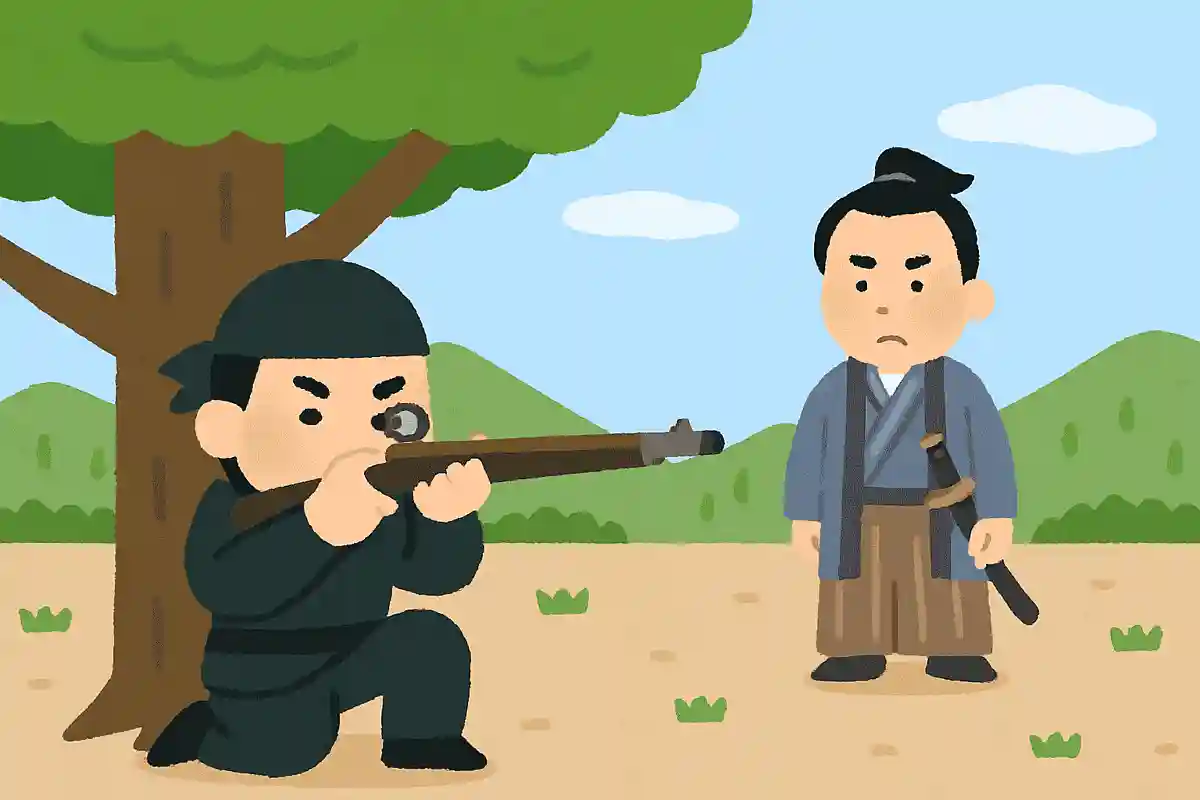
- Oda Nobunaga
- Takeda Shingen
- Uesugi Kenshin
See the answer
Oda Nobunaga
It is said that the first person in Japan to have his life targeted by a sniper, a sharpshooter, was Oda Nobunaga. While Nobunaga was traveling along the Chigusa Pass, a mountain road connecting Omi Province and Ise Province, he was shot at by Sugitani Zenjūbō, a master marksman hired by the Rokkaku clan. From a distance of roughly twenty meters, Sugitani fired two shots, but the bullets only grazed Nobunaga’s clothing, and the assassination ended in failure.
Which of these was Takeda Shingen bad at?
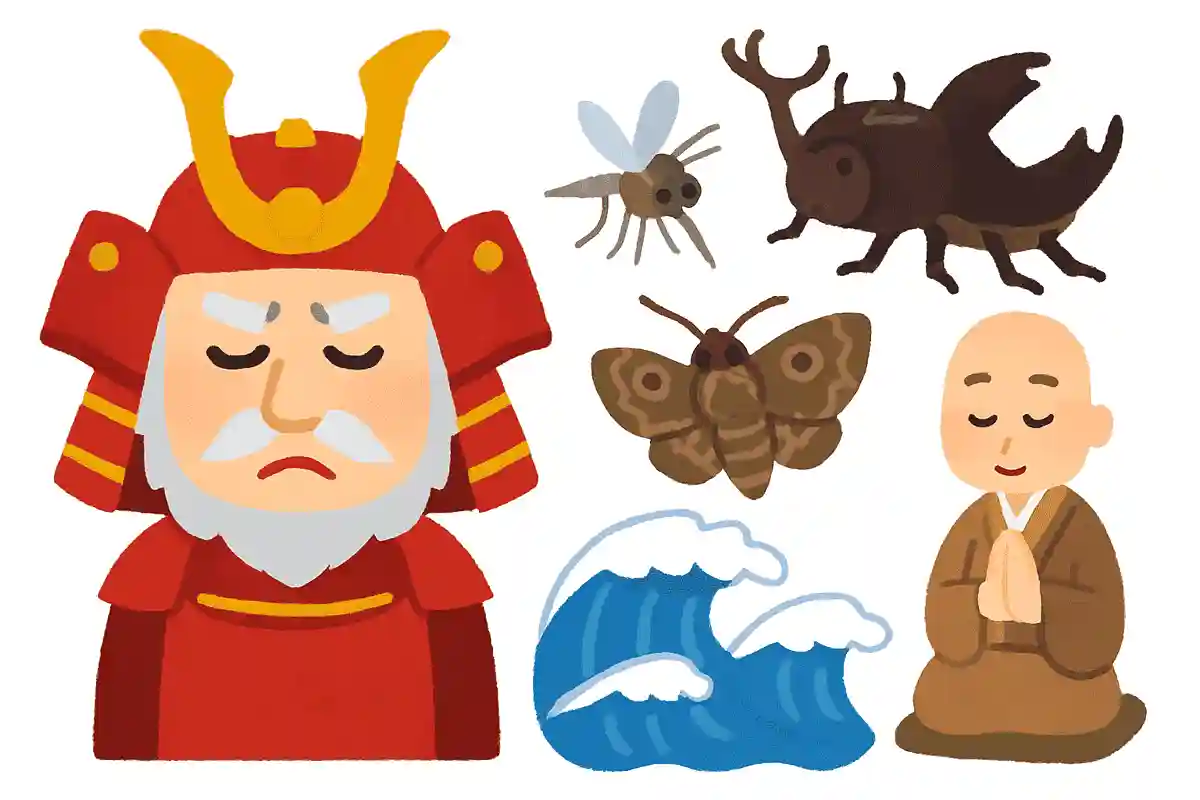
- caterpillar
- vegetables
- thunder
See the answer
caterpillar
Takeda Shingen, feared as the Tiger of Kai and famed as one of the most formidable generals of the Sengoku period, is said to have had an unexpected weakness: a strong aversion to caterpillars. In one of his surviving letters, he reportedly wrote that merely seeing ground-crawling insects like caterpillars made his skin crawl. The contrast between a commander who fearlessly crushed enemy forces on the battlefield and was dreaded by many warlords, yet felt fear toward small caterpillars, is an intriguing fact that highlights the human side of a great historical figure.
What did Oda Nobunaga call Toyotomi Hideyoshi?
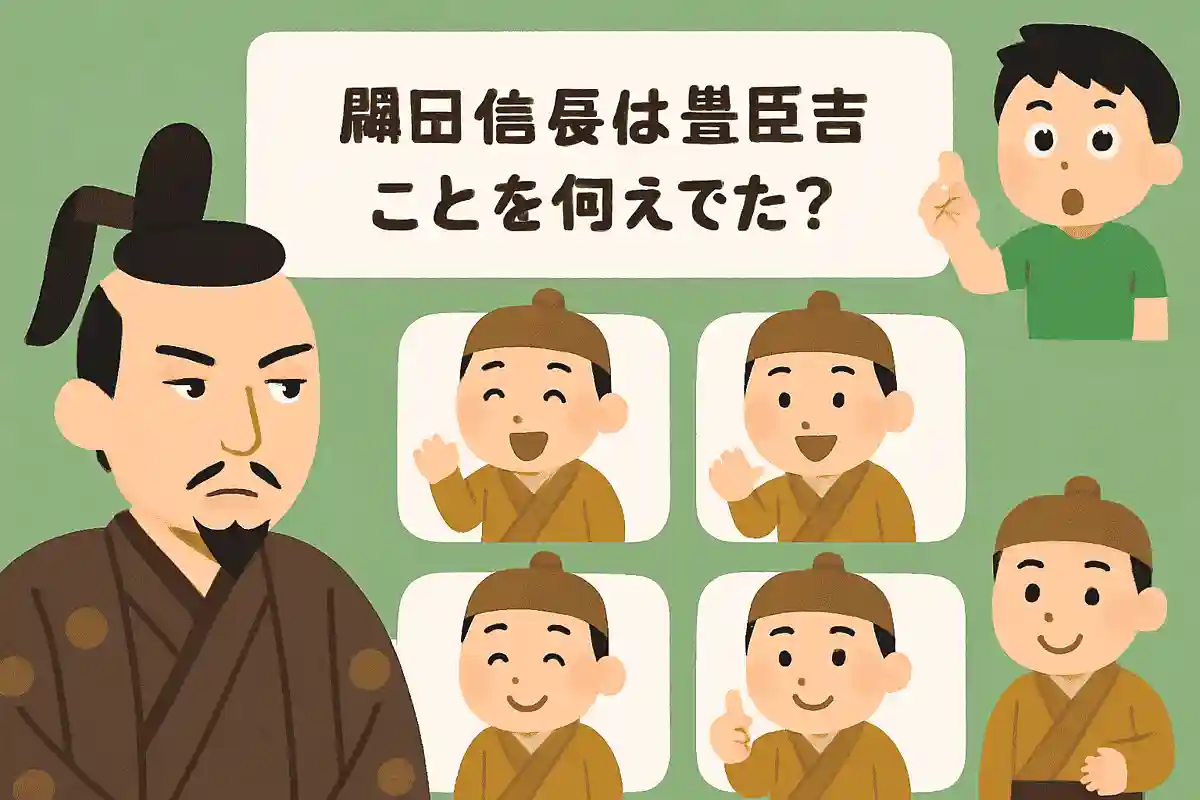
- dog
- cat
- Monkey
- pheasant
See the answer
Monkey
The story that Oda Nobunaga called Toyotomi Hideyoshi “monkey” is very famous. It’s also known that in a letter Nobunaga sent to Hideyoshi’s wife, he referred to Hideyoshi as a “bald rat.” It’s said he gave him these nicknames because his appearance and movements resembled those animals, but it may also suggest that to Nobunaga, Hideyoshi was a familiar and dependable retainer.