

![[Enjoyable History Quiz] Easy multiple-choice (3 options) quiz that’s accessible for seniors!](https://media.ragnet.co.jp/img/1200__png__https://www.studiorag.com/files/2025/04/f24672723eedc263f577631f84942e97.webp)
[Enjoyable History Quiz] Easy multiple-choice (3 options) quiz that’s accessible for seniors!

As we live longer, we accumulate all kinds of knowledge, don’t we?
In particular, when it comes to history, older adults often know more, don’t you think?
For seniors with a wealth of life experience, history-related quizzes are especially recommended.
This time, we’ll introduce not only history quizzes that everyone knows, but also lesser-known trivia-style history quizzes.
All questions are multiple-choice with three options, making them easy for seniors to answer.
We hope these quizzes will help spark communication among seniors—enjoy answering them together!
[Enjoyable History Quiz] Easy 3-Choice Questions That Are Friendly for Seniors! (1–10)
What was the first thing Eiichi Shibusawa did in Japan?
- I built a boat.
- I built a hospital.
- I built a bank.
See the answer
I built a bank.
Eiichi Shibusawa was the person who founded Japan’s first bank. He also devoted his life to establishing as many as 500 different companies and to social contributions. It’s thanks to such an extraordinary figure that Japan has been supported in becoming a comfortable place to live.

Where did Himiko rule?
- Edo
- Yamataikoku
- castle town
See the answer
Yamataikoku
Himiko ruled the country of Yamatai. It was a state that flourished during the Yayoi period about 1,800 years ago. The historically famous Queen Himiko was said to possess mysterious abilities and could reportedly foresee the future.
What is Sen no Rikyū known as the consummator of?
- matcha
- kombu tea
- wabi-cha (wabi tea)
See the answer
wabi-cha (wabi tea)
Sen no Rikyū is the person who perfected wabi-cha. Wabi-cha is one style of the tea ceremony. While the tea ceremony is often associated with luxurious tea rooms, wabi-cha is a style of enjoying tea in a small Japanese room with a calm, subdued atmosphere.
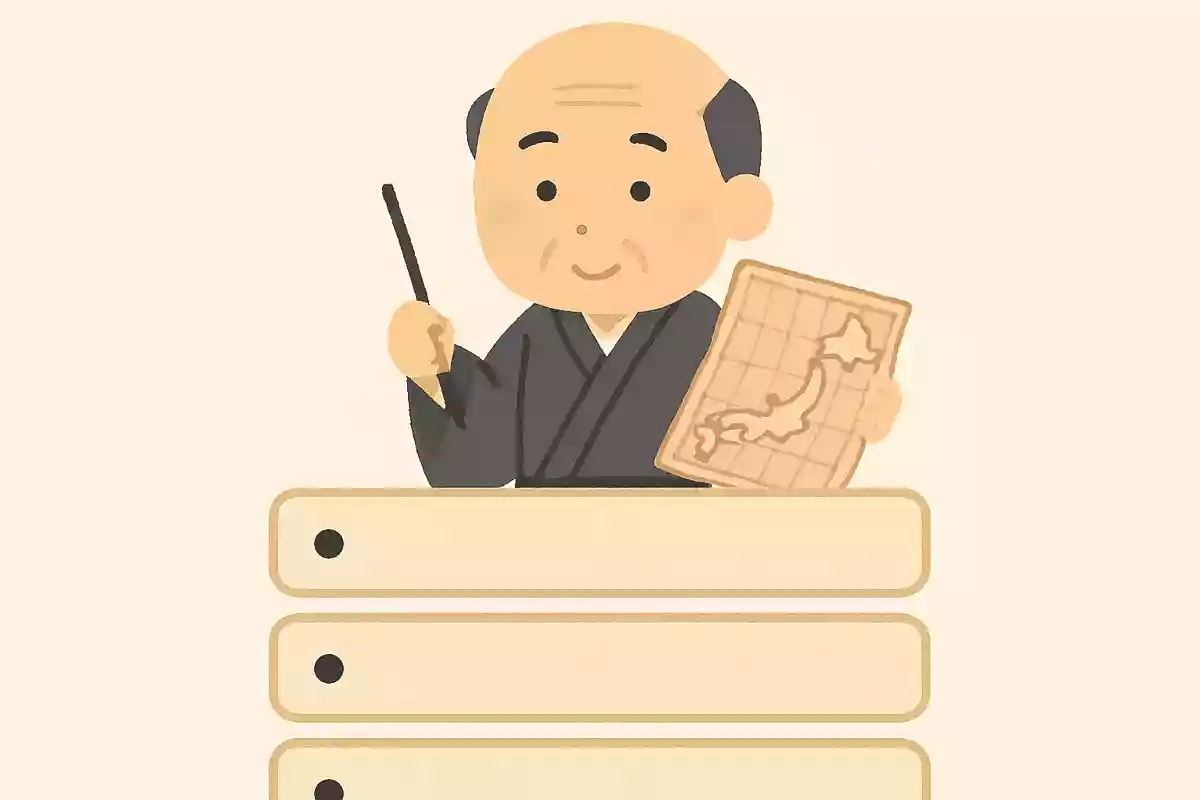
What kind of things did Tadataka Ino do?
- The person who unified Owari
- The person who first developed an anesthetic in Japan
- The person who completed the map of Japan
See the answer
The person who completed the map of Japan
Tadataka Ino was the first person in Japan to complete a map of the country. He was also known for being a strict individual. It’s said that he sometimes gave harsh evaluations to team members with lower ability. The idea of making a map of Japan by traveling on foot suggests an amount of effort and hardship that’s almost unimaginable by today’s standards.
What did people in the Jomon period make from acorns to eat?
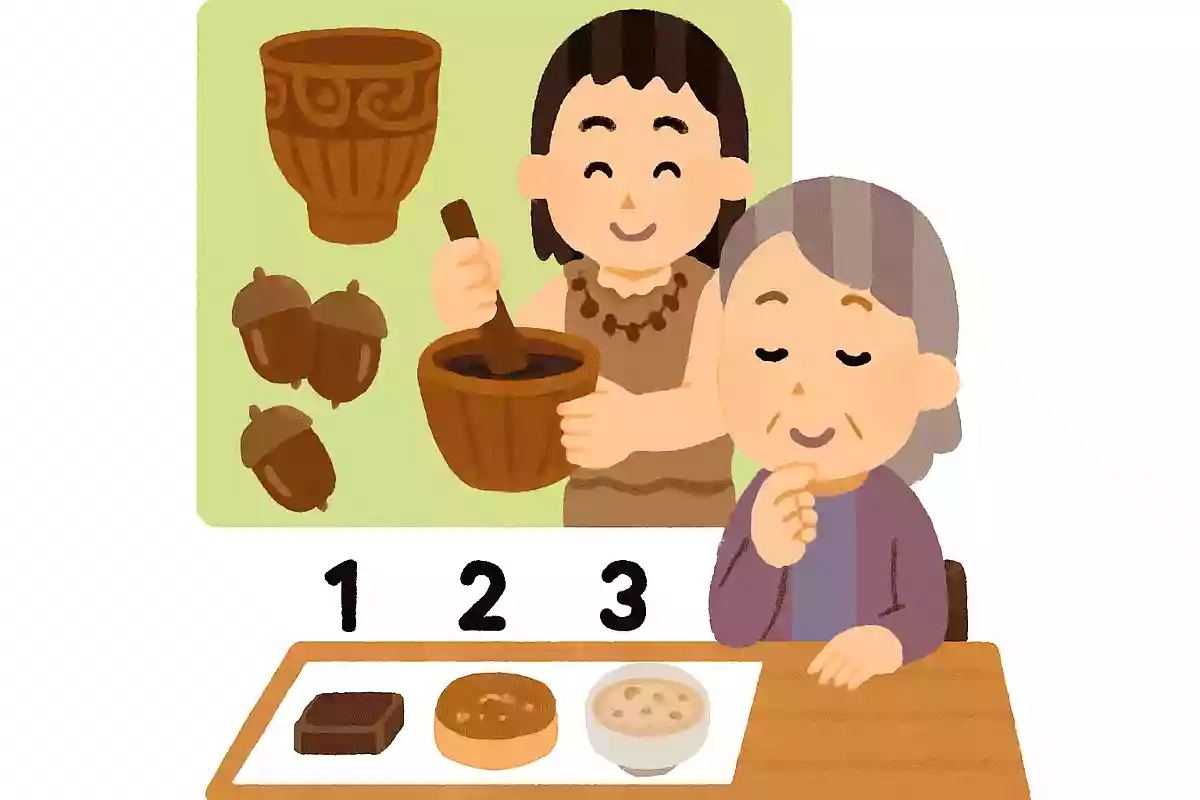
- cake
- Cookie
- rice
See the answer
Cookie
It seems that a food resembling cookies has been found at Jomon-period archaeological sites. In addition to acorns, ingredients like walnuts and chestnuts were also used. The creativity of people in the Jomon period is truly astonishing, isn’t it?
What kinds of policies did Toyotomi Hideyoshi implement?
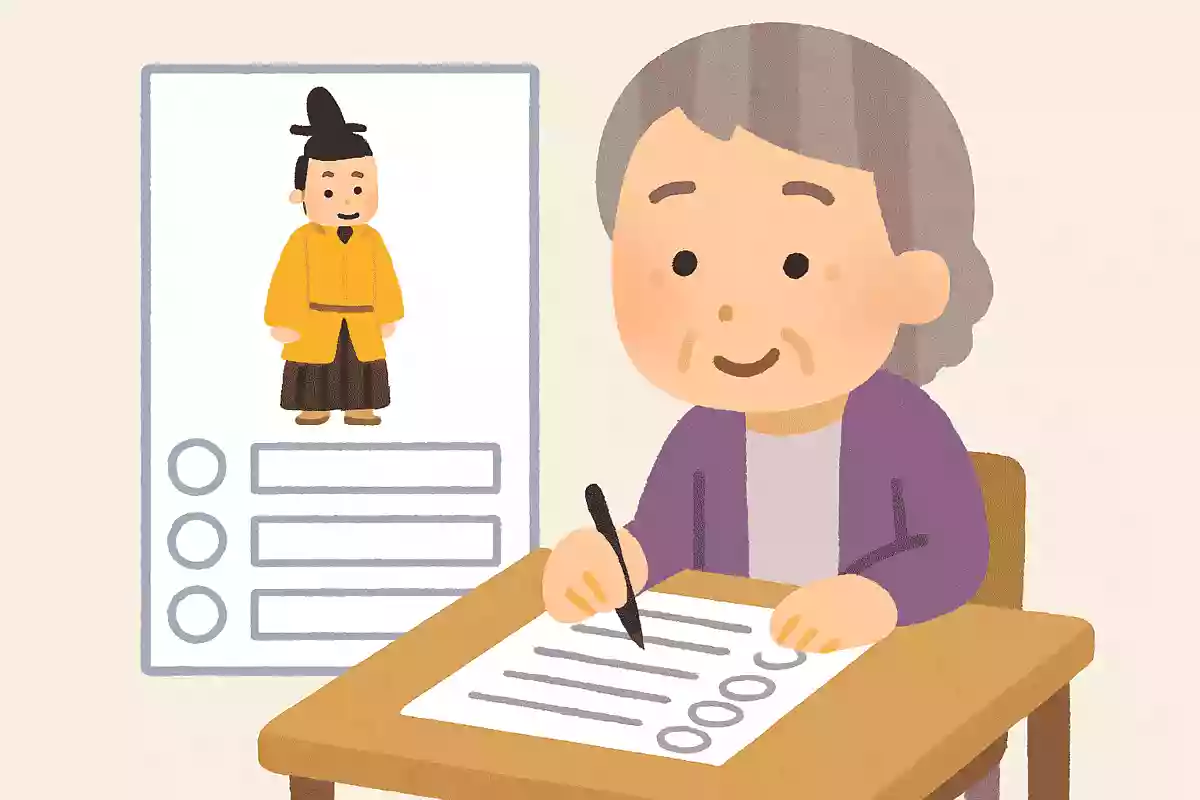
- Sword Hunt Edict
- free markets and open guilds
- Abolition of the checkpoints
See the answer
Sword Hunt Edict
Toyotomi Hideyoshi issued the Sword Hunt Edict, a policy that prohibited peasants from possessing weapons. It is said that this measure was introduced to allow farmers to devote themselves to agriculture. Various measures were likely proposed to build a stable society.
What words did the Sengoku-period samurai Uesugi Kenshin leave behind?
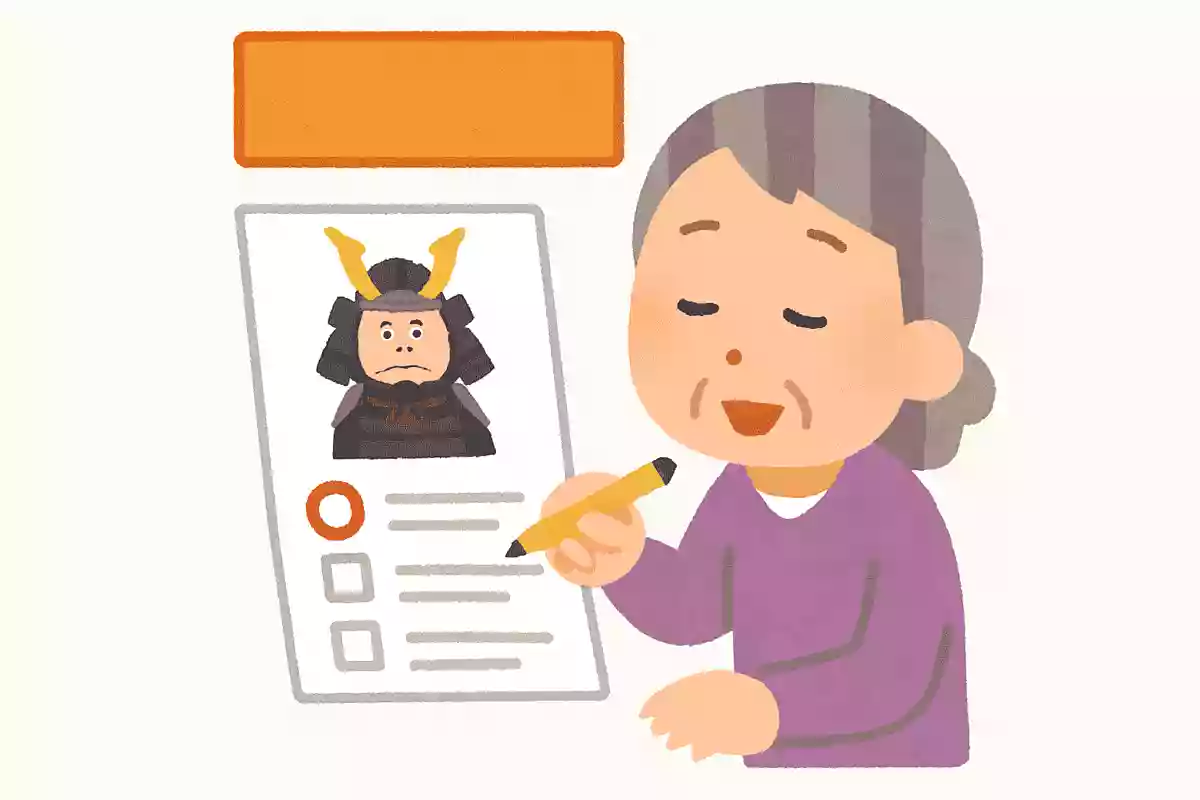
- deceive the enemy
- Send a watermelon to the enemy
- send salt to the enemy
See the answer
send salt to the enemy
Uesugi Kenshin’s famous saying is “Send salt to your enemy.” It means not taking advantage of an enemy’s weakness, but instead helping them out of their hardship. The phrase is said to come from the story that Uesugi Kenshin sent salt to his enemy, Takeda Shingen, after hearing that he was suffering from a shortage of salt.