

[Enjoyable History Quiz] Easy multiple-choice (3 options) quiz that’s accessible for seniors!
As we live longer, we accumulate all kinds of knowledge, don’t we?
In particular, when it comes to history, older adults often know more, don’t you think?
For seniors with a wealth of life experience, history-related quizzes are especially recommended.
This time, we’ll introduce not only history quizzes that everyone knows, but also lesser-known trivia-style history quizzes.
All questions are multiple-choice with three options, making them easy for seniors to answer.
We hope these quizzes will help spark communication among seniors—enjoy answering them together!
- [For Seniors] Trivia Multiple-Choice Quiz
- [For Seniors] Nostalgic quizzes that bring back memories! Showa-era entertainment and sports questions
- Let’s take on the challenge! A multiple-choice history quiz for elementary school students. Review your history lessons.
- [For Seniors] Great for killing time! A fun three-choice trivia quiz
- [For Seniors] Nostalgic! Showa-Era Quizzes Recommended for Reminiscence Therapy
- [For Seniors] Surprisingly Unknown! General Knowledge Quiz
- [For Seniors] Recommended Trivia Quizzes & Fun Facts for November
- [A Must-See for History Lovers! The Feudal Power Struggle Quiz] For Seniors
- [For Seniors] Lively two-choice trivia quiz. Handy to know and tidbits you'll want to share with others
- [For Seniors] Sports Trivia Quiz & Fun Facts. Easy and Entertaining
- [For Seniors] Liven Things Up! 3-Choice Ranking Quiz
- [For Seniors] Fun and Informative Trivia Quiz Collection
- [For Seniors] Today’s recommended quiz. Daily brain-training quiz!
[Enjoyable History Quiz] Easy 3-Choice Questions That Are Friendly for Seniors! (1–10)
What was written on the war banner of the Sengoku warlord Takeda Shingen?
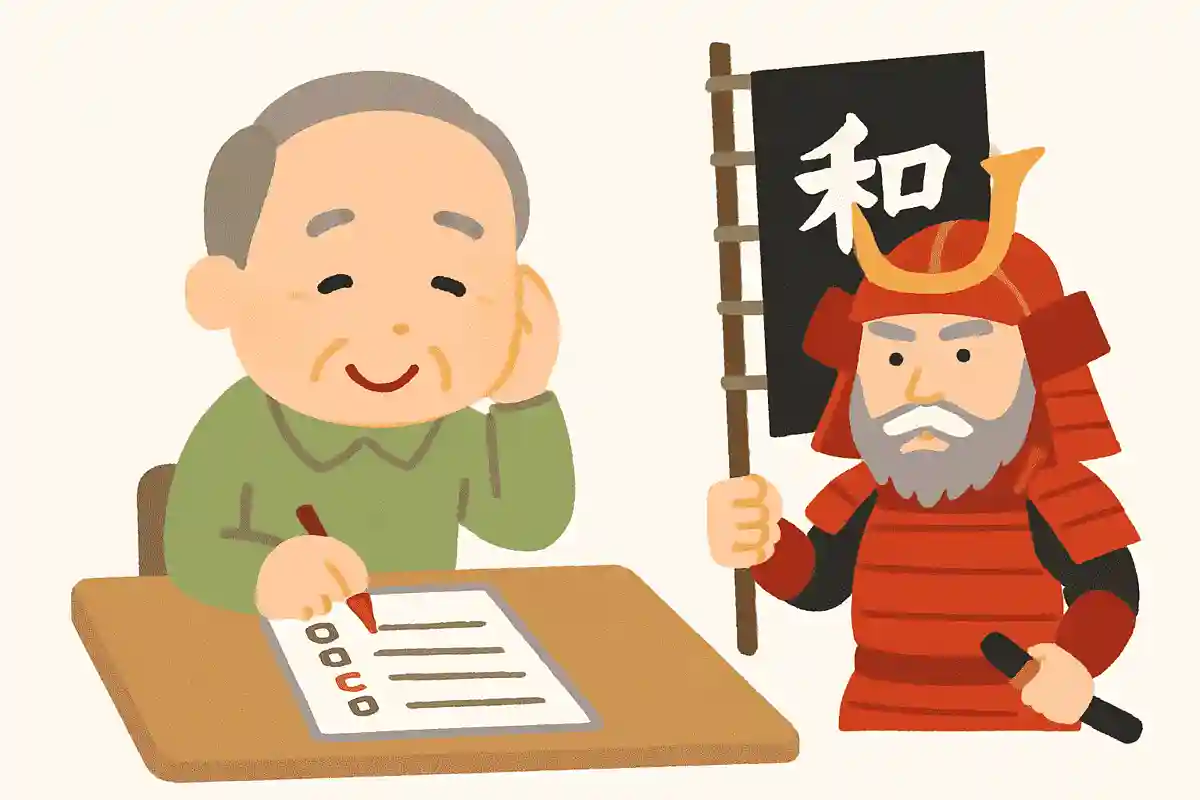
- recklessly charging ahead
- Wind, Forest, Fire, Mountain
- Wind God and Thunder God
See the answer
Wind, Forest, Fire, Mountain
Takeda Shingen is famous for the Battle of Kawanakajima, but he was also reputed to be outstanding in politics. Incidentally, the phrase “Fūrinkazan” carries the meaning: move like the wind, stay poised like a forest, be fierce like fire, and be steadfast like a mountain.

Who is the author of The Pillow Book?
- Ono no Komachi
- Murasaki Shikibu
- Sei Shōnagon
See the answer
Sei Shōnagon
Sei Shōnagon was a poet of the Heian period. In that era, women with straight, long hair were considered beautiful, but it is said that Sei Shōnagon had naturally curly hair. The Pillow Book contains passages that convey a sense that she felt self-conscious about such hair.
What kind of building was the Shosoin at Todai-ji?
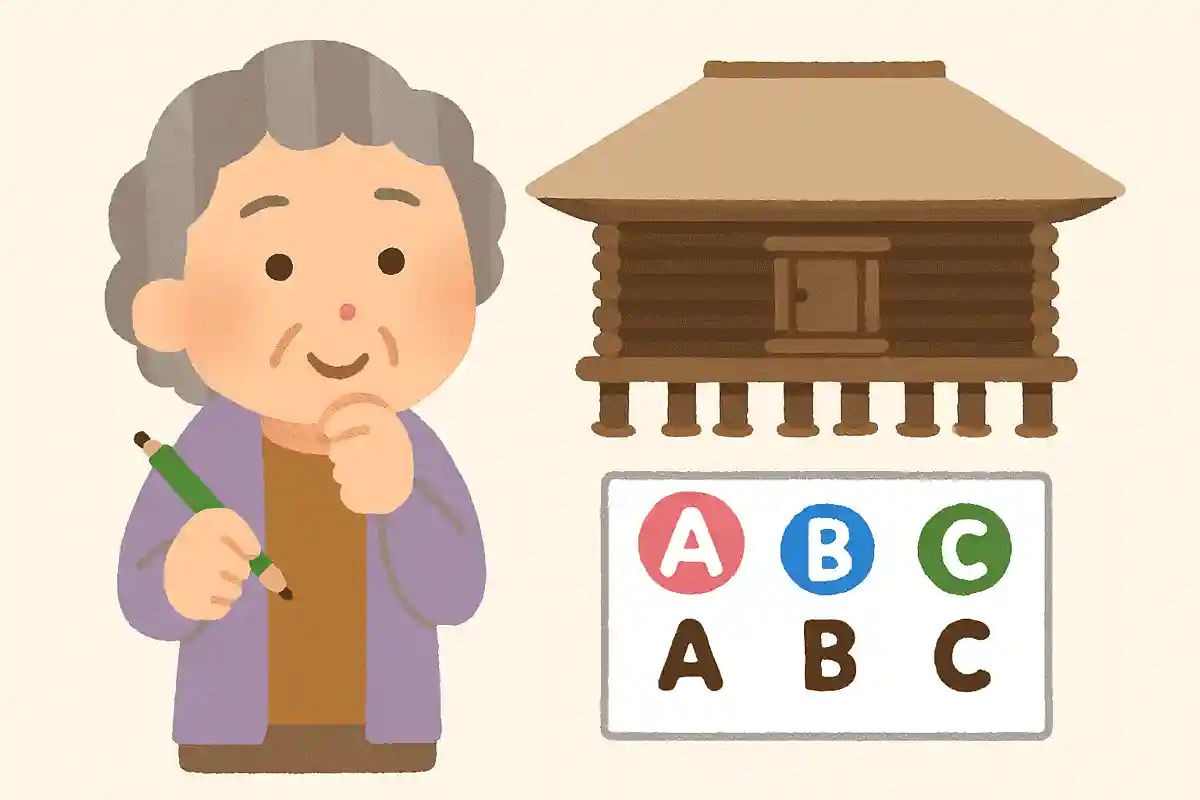
- training grounds
- Treasure Vault
- bed
See the answer
Treasure Vault
The Shosoin is a raised-floor warehouse that houses many treasures. They were originally kept at places such as Kofuku-ji, Daian-ji, and Yakushi-ji, but now they are stored only in the Shosoin.
[Enjoyable History Quiz] Easy Multiple-Choice Quiz (3 options) That Seniors Can Answer Easily! (11–20)
In Japan, what was placed inside burial mounds (kofun) to appease the souls of the dead?
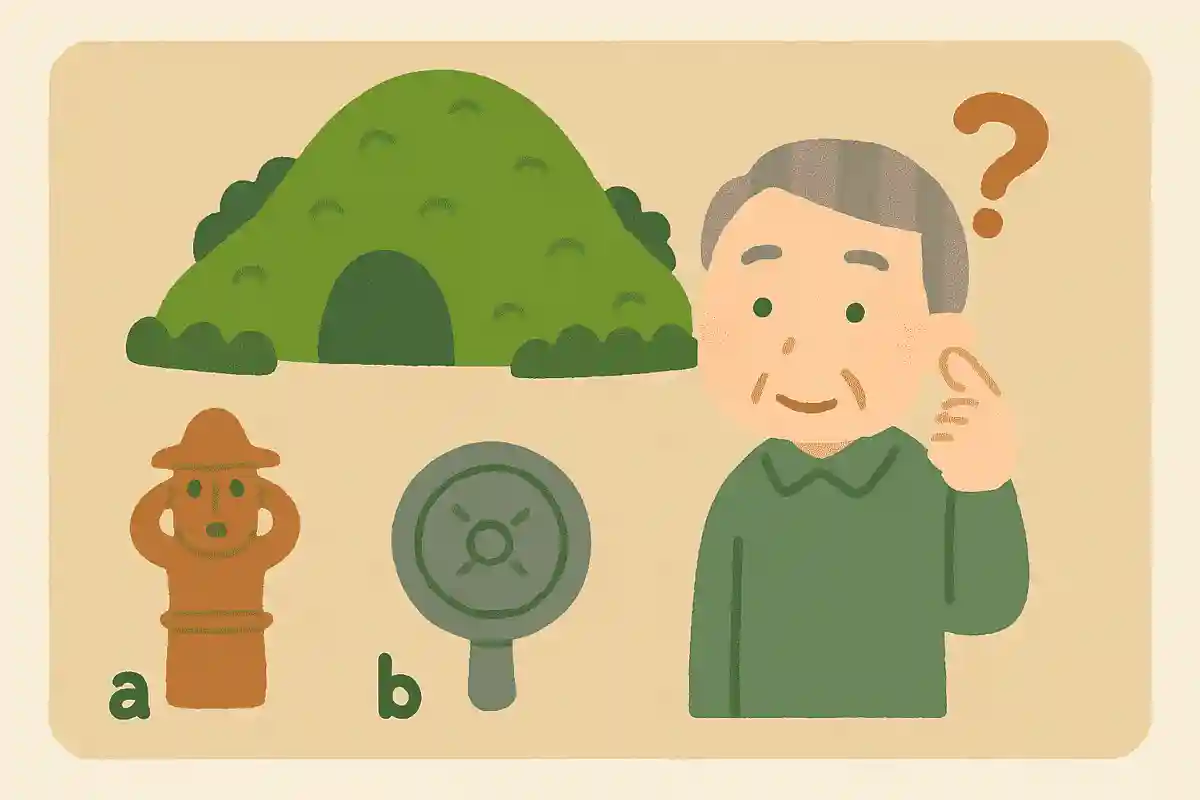
- straw doll
- haniwa
- mummy
See the answer
haniwa
Haniwa are unglazed earthenware figures shaped like people or horses. They were likely placed with the wish that the deceased could rest in peace. It shows that people in ancient times, just like today, cherished the souls of the dead.
Women in the past used to blacken their teeth—why was that?
- Because black teeth were considered beautiful.
- To hide a cavity
- Because there was no culture of brushing teeth
See the answer
Because black teeth were considered beautiful.
Ohaguro was a cultural practice that continued from the Nara period through the Meiji period. You often see women with blackened teeth in period dramas, right? It’s unthinkable today, but considering it was normal for people of that time, maybe it’s better not to be too bound by trends.
What kind of equipment did the battleship Yamato have for making beverages?
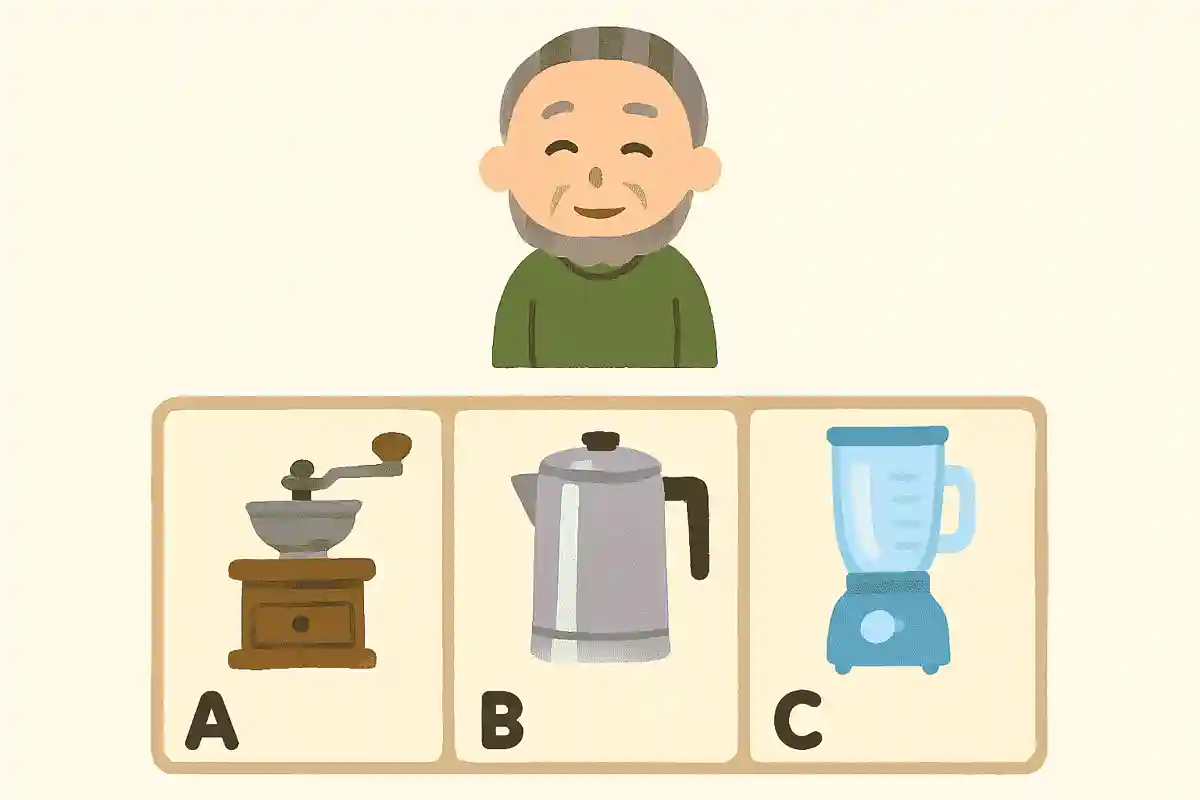
- whisky
- Coffee
- Ramune
See the answer
Ramune
The battleship Yamato was the largest battleship in the world, wasn’t it? It played a major role in the war, so it’s surprising to hear it even had equipment to make ramune! By the way, I’ve heard that American warships had ice cream machines.
What is Prince Shōtoku said to have propagated?
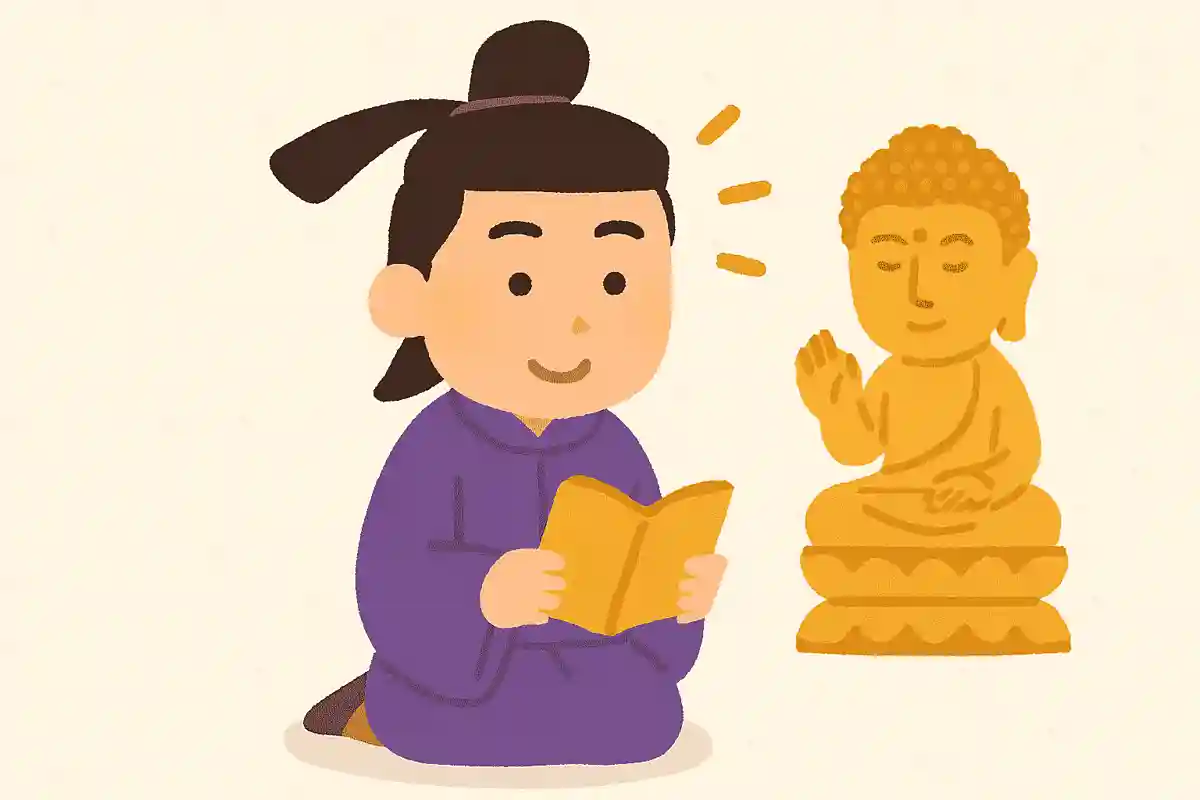
- chopsticks
- comb
- book
See the answer
chopsticks
Chopsticks existed before Prince Shōtoku, but they were considered troublesome and apparently weren’t used. However, with missions being sent to the Sui dynasty, it’s said that the culture of using chopsticks spread and took root.