

How many can you solve? Fascinating history trivia quizzes that spark intellectual curiosity

Are you good at history?
We’ve put together a collection of fun history trivia quizzes that both history buffs and those who find it a bit challenging can enjoy!
Since it’s trivia, the questions focus on the little details that accompany historical events rather than what you learned in history class.
By taking these quizzes, you can learn about the history of Japan and the world from a different perspective.
Some questions have surprising and amusing answers that will make you say, “I had no idea!”—so even if you’re not a fan of history, you might start to like it a bit more.
Give it a try with your family and friends!
- [History Quiz] General History Questions You Should Know
- Let’s take on the challenge! A multiple-choice history quiz for elementary school students. Review your history lessons.
- [Study] Fun to Know! A Collection of World History Trivia Quizzes
- Not taught in school! A roundup of historical trivia and fun facts
- How many can you get right? A tricky 3-choice trivia quiz you'll want to tell someone about
- A quiz of fun trivia: bite-sized knowledge that leads to new insights.
- [General] Surprisingly unknown? Test your geography skills with a three-choice quiz on Japan’s prefectures
- Quiz for junior high school students
- [Interesting] Compilation of Trivia Quiz Questions
- Genius if you can solve it? Super-difficult Quiz Collection
- A fun quiz you can use to kill time by yourself or with everyone
- [For Seniors] Nostalgic quizzes that bring back memories! Showa-era entertainment and sports questions
- [Enjoyable History Quiz] Easy multiple-choice (3 options) quiz that’s accessible for seniors!
How many can you solve? Fascinating history trivia quizzes that spark intellectual curiosity (1–10)
When Buddhism was introduced from China, which animal came along with it?

- dog
- horse
- cat
See the answer
cat
It is said that when Buddhism was transmitted to Japan from China, cats came along as well to protect important books from mice. Since cats have long been useful as mousers, they were also kept as “guards” in places like warehouses where grain was stored.

Who were the two people allowed to cross a daimyo procession: a midwife and who else?
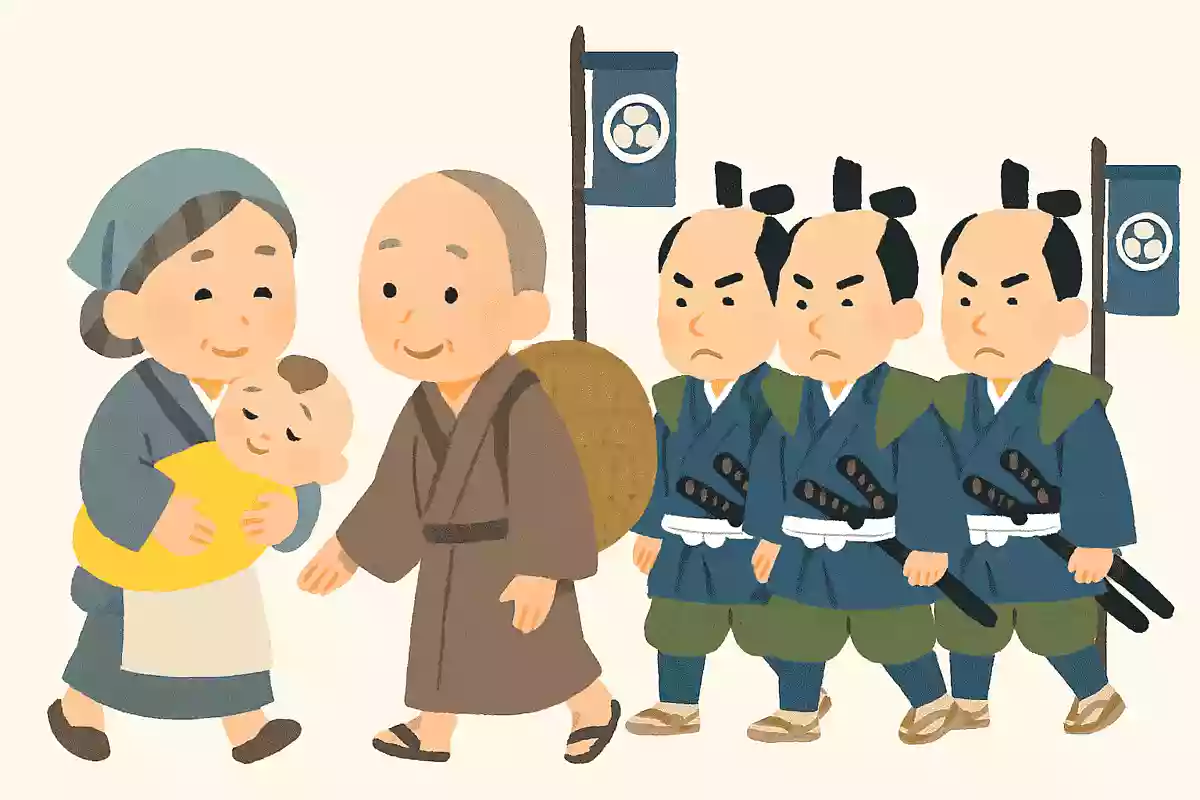
- firefighting
- courier
- merchant
See the answer
courier
Crossing a daimyo procession, which was seen during the Edo period, was prohibited, but midwives and express couriers were exceptions. Midwives were allowed due to the urgency of childbirth, and couriers were permitted to cross in order to deliver urgent messages quickly.
From what era have the words “maji” and “yabai” been used?
- Heian period
- Edo period
- Meiji era
See the answer
Edo period
The words “maji” and “yabai” aren’t actually modern youth slang; they were already in use back in the Edo period. “Maji” is said to have started as an abbreviation of majime (serious) and was used as cant by entertainers and thieves in Edo times. Similarly, “yabai” is believed to derive from yakuba, a piece of underworld slang among Edo-era bandits and street peddlers meaning that something was bad or dangerous. It’s a fascinating bit of trivia that words we use in everyday life originated as cant in the underworld of the Edo period.

How many can you solve? Fascinating history trivia quizzes that spark intellectual curiosity (11–20)
Who was the first samurai warlord to hold a cherry blossom viewing (hanami) in Japan?
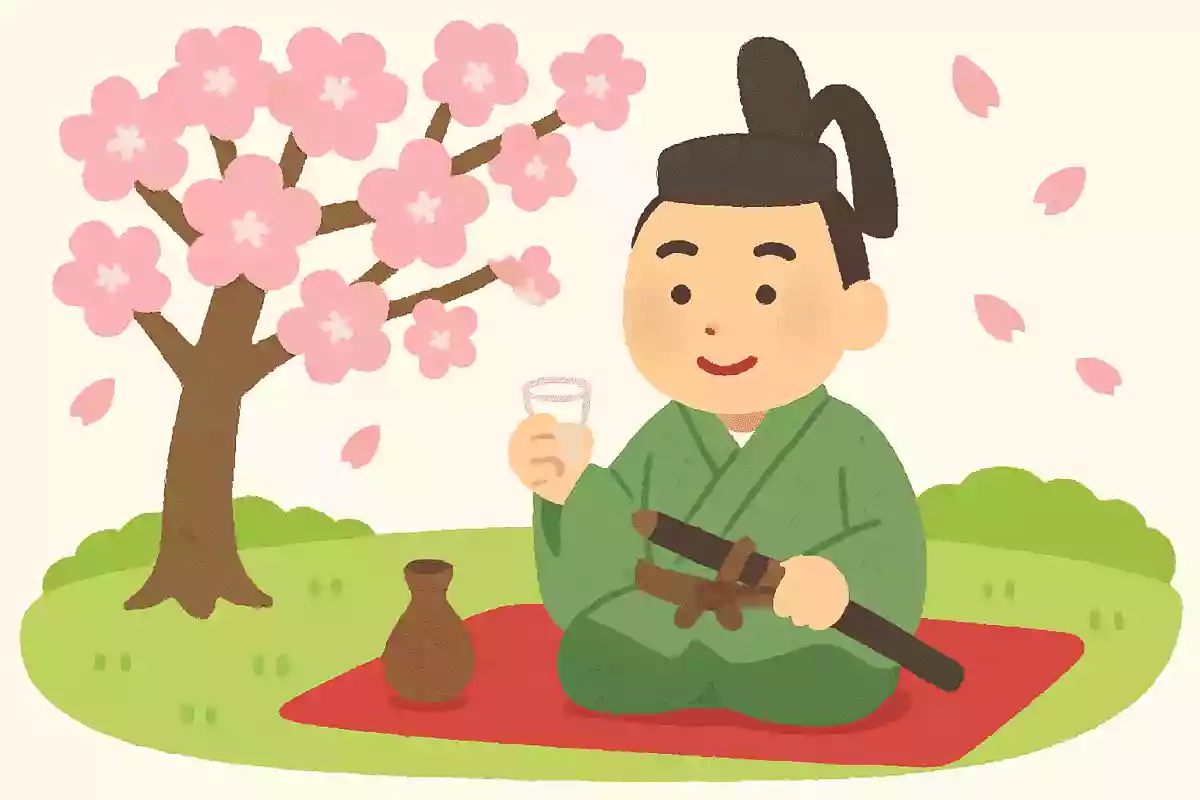
- Minamoto no Yoshitsune
- Toyotomi Hideyoshi
- Tokugawa Ieyasu
See the answer
Toyotomi Hideyoshi
The first warlord to host a cherry blossom viewing banquet in Japan was Toyotomi Hideyoshi. At the hanami held at Daigo-ji Temple in Fushimi Ward, Kyoto, about 700 cherry trees were gathered from various regions, and around 1,300 women were also brought together. In keeping with this history, Daigo-ji still holds an event each spring called the Toyotakō Hanami Procession.
The National Diet is held in Tokyo, but where is the one place it was held elsewhere?

- Hiroshima
- Aichi
- Kyoto
See the answer
Hiroshima
When the First Sino-Japanese War broke out in 1884, the National Diet was convened in Hiroshima only once. One reason cited is that a place called Ujina Port in Hiroshima was used for transporting supplies. The provisional Diet building erected in Hiroshima was constructed in around 20 days and was dismantled in 1889, four years after its construction.
Who was the first person to buy a Louis Vuitton bag in Japan?
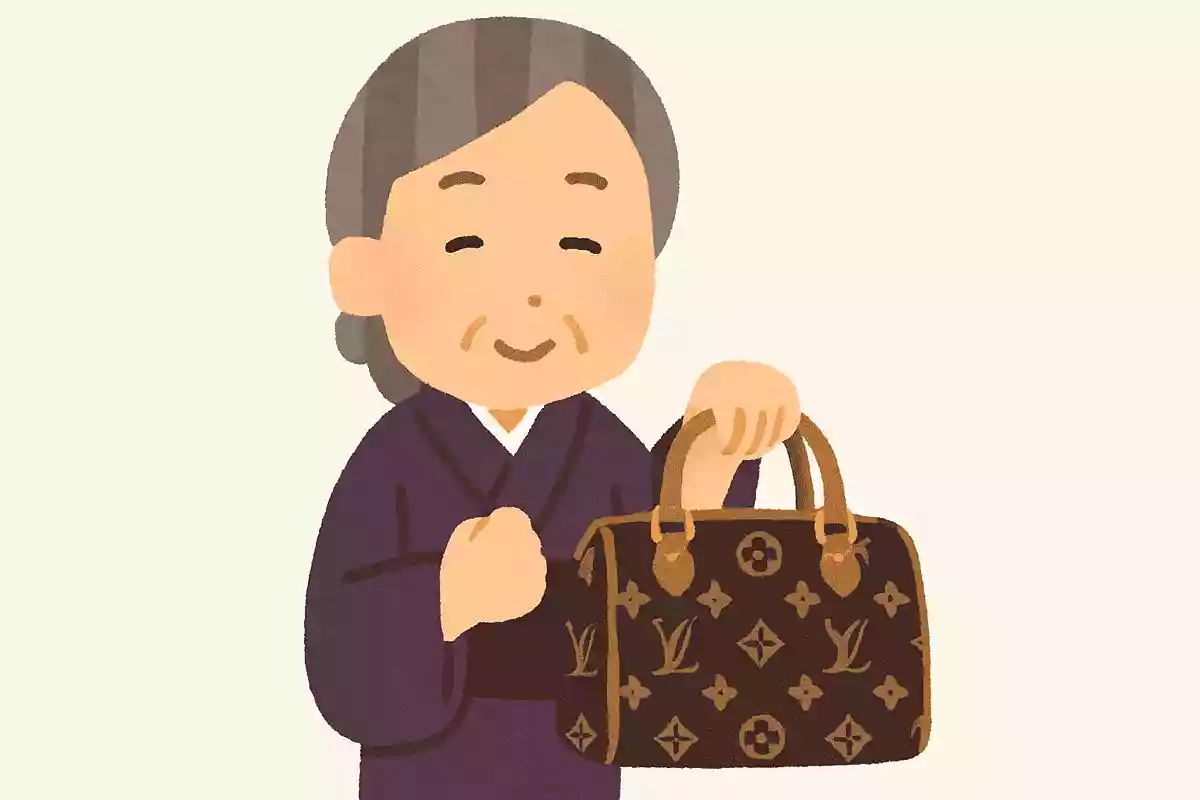
- Hirobumi Ito
- Goto Shojiro
- Shigenobu Ōkuma
See the answer
Goto Shojiro
The first person to buy a Louis Vuitton bag in Japan was Gotō Shōjirō, a samurai from the Tosa Domain who also excelled as a politician and businessman. Records show that when he traveled to France in 1883, he purchased a large trunk measuring 110 centimeters.
What is the reason the chonmage hairstyle became widespread among samurai?

- Because it was a low-maintenance hairstyle
- Because it was a trendy fashion
- To prevent stuffiness
See the answer
To prevent stuffiness
The origin of the chonmage dates back to the Nara period, but the reason it became popular among samurai in the Kamakura period was that wearing a helmet in battle made their heads sweaty and itchy. The portion of hair that was shaved as part of the chonmage was called sakayaki, and this hairstyle helped prevent stuffiness. By the Edo period, it had spread beyond the warrior class to commoners as well.