

How many can you solve? Fascinating history trivia quizzes that spark intellectual curiosity

Are you good at history?
We’ve put together a collection of fun history trivia quizzes that both history buffs and those who find it a bit challenging can enjoy!
Since it’s trivia, the questions focus on the little details that accompany historical events rather than what you learned in history class.
By taking these quizzes, you can learn about the history of Japan and the world from a different perspective.
Some questions have surprising and amusing answers that will make you say, “I had no idea!”—so even if you’re not a fan of history, you might start to like it a bit more.
Give it a try with your family and friends!
- [History Quiz] General History Questions You Should Know
- Let’s take on the challenge! A multiple-choice history quiz for elementary school students. Review your history lessons.
- [Study] Fun to Know! A Collection of World History Trivia Quizzes
- Not taught in school! A roundup of historical trivia and fun facts
- How many can you get right? A tricky 3-choice trivia quiz you'll want to tell someone about
- A quiz of fun trivia: bite-sized knowledge that leads to new insights.
- [General] Surprisingly unknown? Test your geography skills with a three-choice quiz on Japan’s prefectures
- Quiz for junior high school students
- [Interesting] Compilation of Trivia Quiz Questions
- Genius if you can solve it? Super-difficult Quiz Collection
- A fun quiz you can use to kill time by yourself or with everyone
- [For Seniors] Nostalgic quizzes that bring back memories! Showa-era entertainment and sports questions
- [Enjoyable History Quiz] Easy multiple-choice (3 options) quiz that’s accessible for seniors!
How many can you solve? Fascinating history trivia quizzes that spark intellectual curiosity (21–30)
What animal came from Vietnam for Tokugawa Yoshimune?
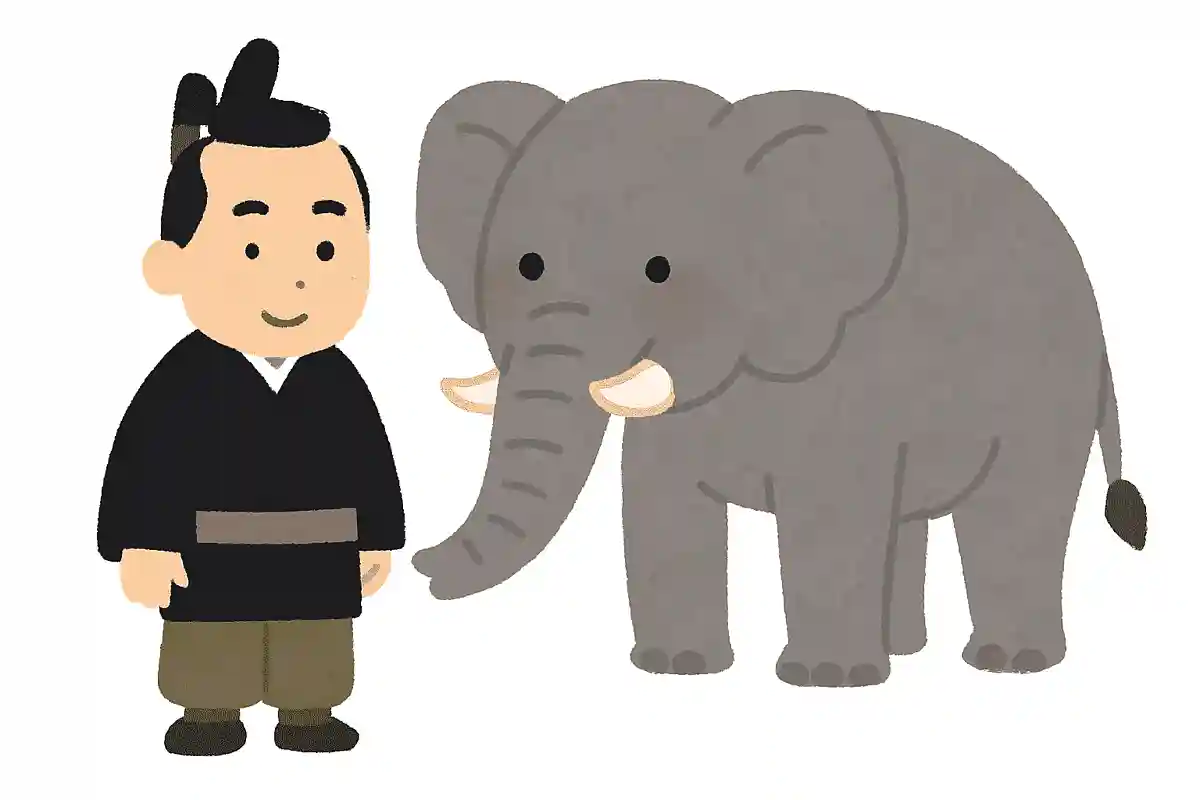
- water buffalo
- Elephant
- Japanese giant flying squirrel
See the answer
Elephant
In 1728, two elephants—a male and a female—were presented to Tokugawa Yoshimune, the eighth shogun of the Edo shogunate. Of the elephants that arrived in Nagasaki, the female died within a few months, but the male traveled overland from Nagasaki to Edo on foot. Along the way, it was granted audiences with Emperor Nakamikado and the Retired Emperor Reigen in Kyoto, and in Edo Castle it was also shown to Yoshimune himself. People of the time were enthralled by the appearance of this rare animal, and it is said that a major elephant-viewing craze swept the Edo period.

Who was the first Japanese person depicted on a foreign postage stamp?
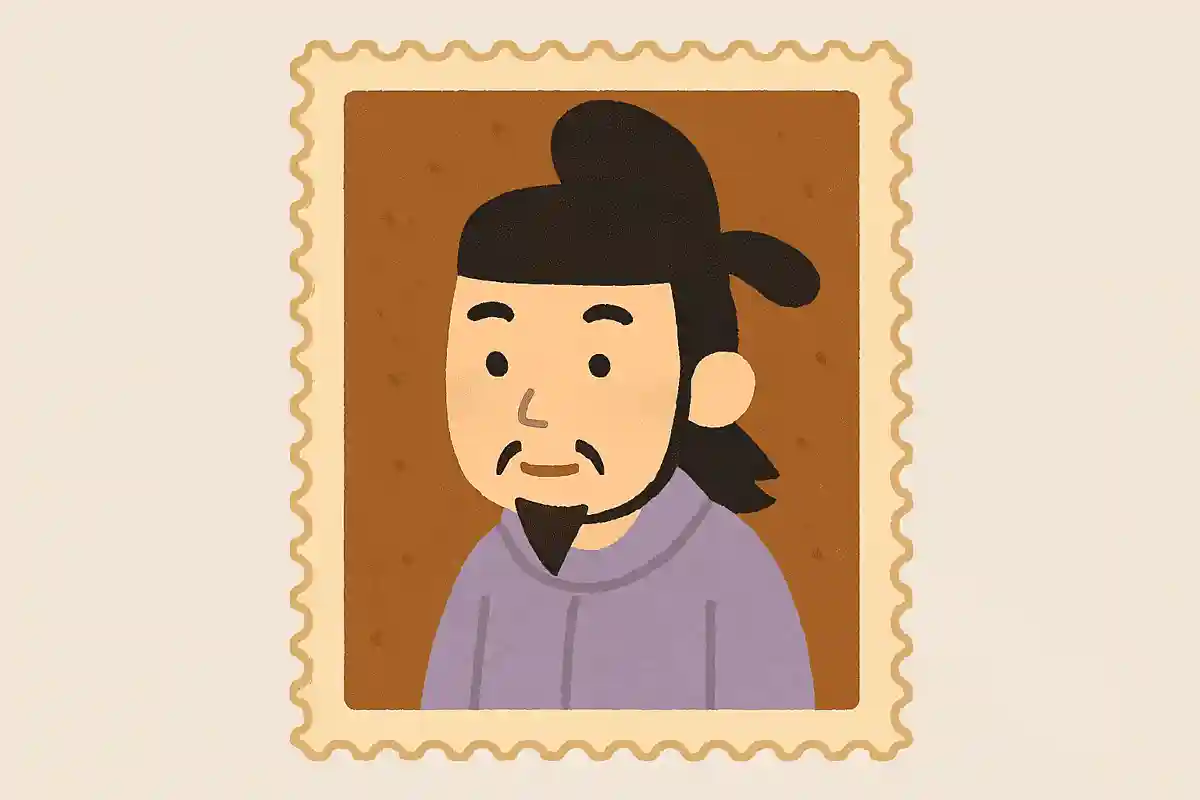
- Sugita Genpaku
- Tadataka Ino
- Sesshū
See the answer
Sesshū
In 1956, when the World Peace Council selected Sesshū as one of the world’s ten great cultural figures, commemorative stamps bearing his portrait were issued in countries such as the Soviet Union and Romania. This is regarded as the first instance of a Japanese person appearing on a foreign postage stamp. As a preeminent ink-wash painter of the Muromachi period and a figure revered as a “sage of painting,” Sesshū’s artistic achievements were clearly recognized and highly valued internationally, transcending national borders.
Who was the first person permitted to possess a handgun in the Meiji era?
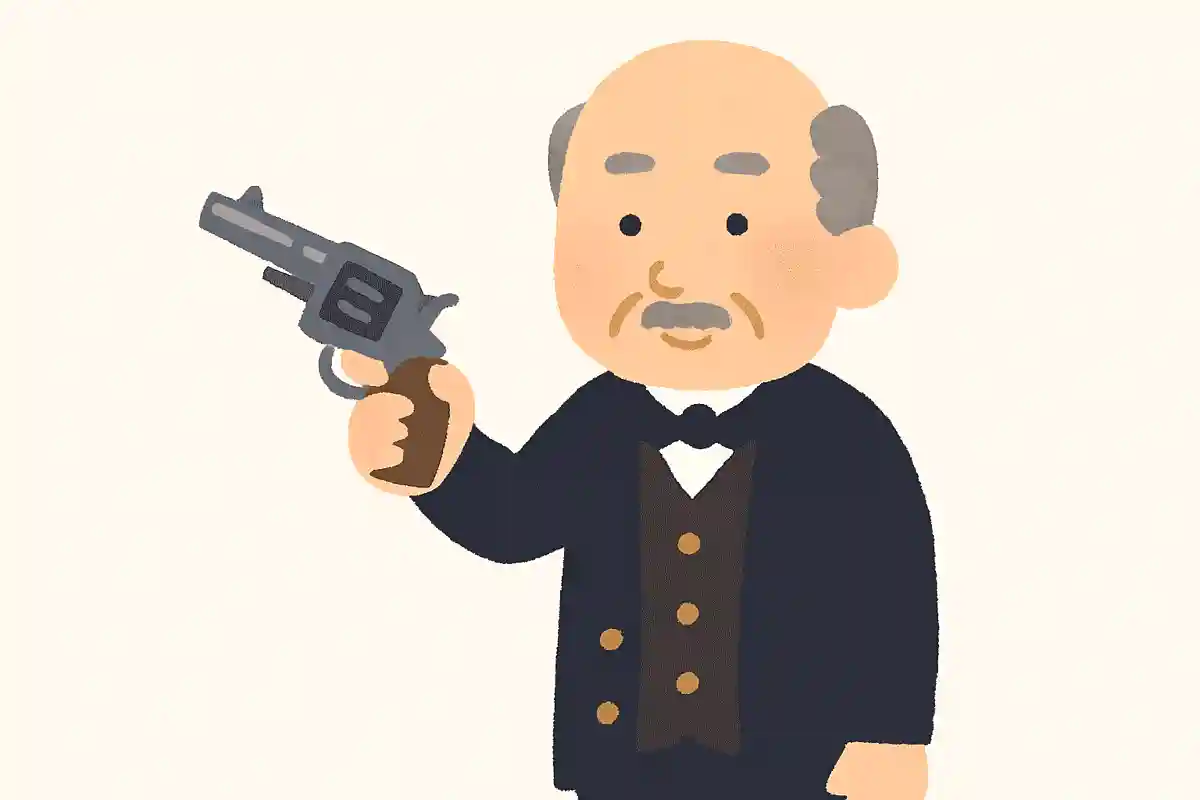
- police officer
- mail carrier
- midwife
See the answer
mail carrier
The first people permitted to carry handguns in the Meiji era were postal carriers. At the time, many regions in Japan still had unstable public security, and postal carriers—who walked alone through mountainous areas and remote roads transporting cash and parcels—were constantly exposed to dangers such as robbers and wild dogs. Therefore, to protect their personal safety and the important mail they carried, postal carriers were allowed to carry handguns in 1873 (Meiji 6).

What animal was presented to Helen Keller when she visited Japan?

- Akita (dog)
- calico cat
- Japanese macaque
See the answer
Akita (dog)
It is said that Helen Keller was deeply moved by the story of the faithful dog Hachiko and asked for an Akita of her own. The first Akita sent to her, named Kamikaze-go, sadly died young, but his brother, Kenzan-go, was sent to her again to console her. This episode is also said to have been the catalyst for the spread of Akitas in the United States.
Which of the following was popularized by Eiichi Shibusawa?
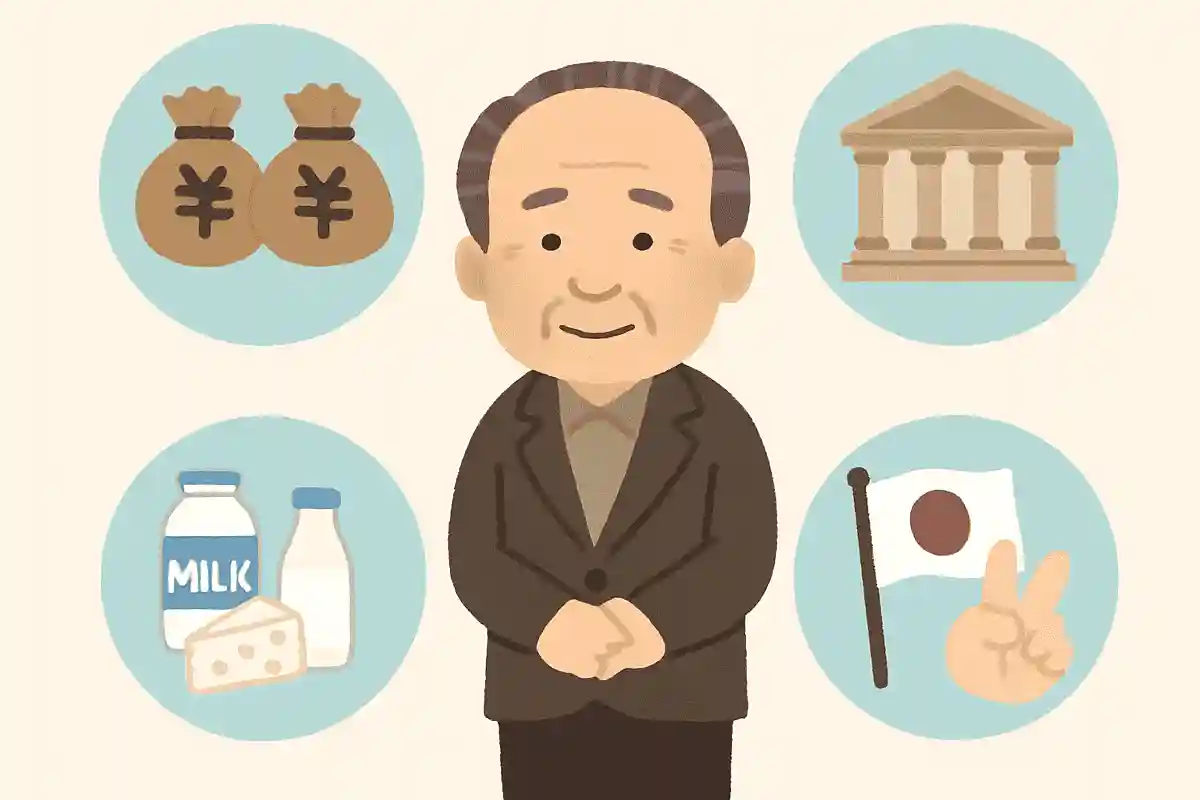
- Shizuoka tea
- Nara-style pickles
- Omi beef
See the answer
Shizuoka tea
Eiichi Shibusawa strongly supported former shogunate retainers who, after the Meiji Restoration, relocated to Sunpu—present-day Shizuoka Prefecture—and pioneered tea cultivation on areas such as the Makinohara Plateau. By establishing a joint commercial firm in Shizuoka and other efforts, he worked to promote the tea industry and played a major role in expanding overseas exports of Shizuoka tea. This episode shows another side of the man known as the father of Japan’s modern capitalism: as an entrepreneur, he also focused on fostering regional industries.
Since what era have dogs been with humans?
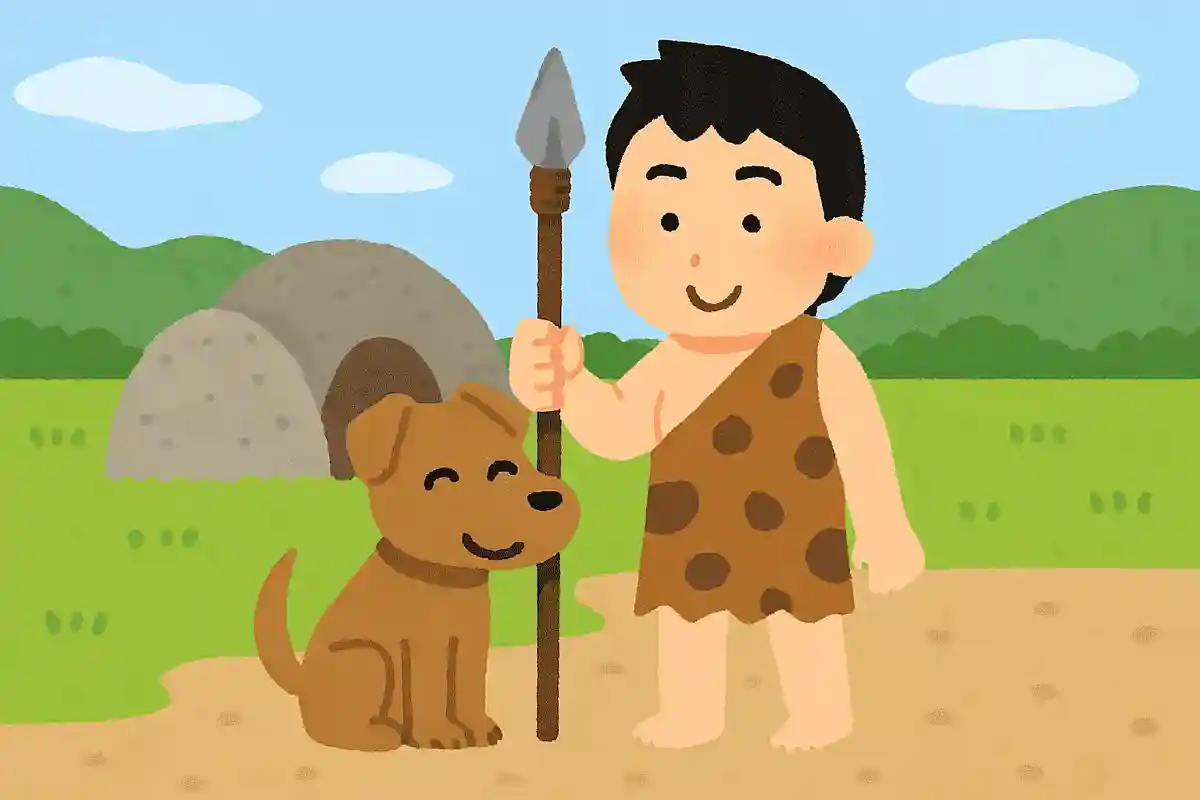
- Jōmon period
- Heian period
- Edo period
See the answer
Jōmon period
In Japan, it has been determined that dogs have lived alongside humans since the Jomon period. Numerous dog bones have been discovered at Jomon-period archaeological sites, carefully buried, suggesting that for the people of the time, dogs were not merely animals but were treated with great care as important hunting partners and members of the family.
Which warlord is the origin of the phrase “sending salt to the enemy”?
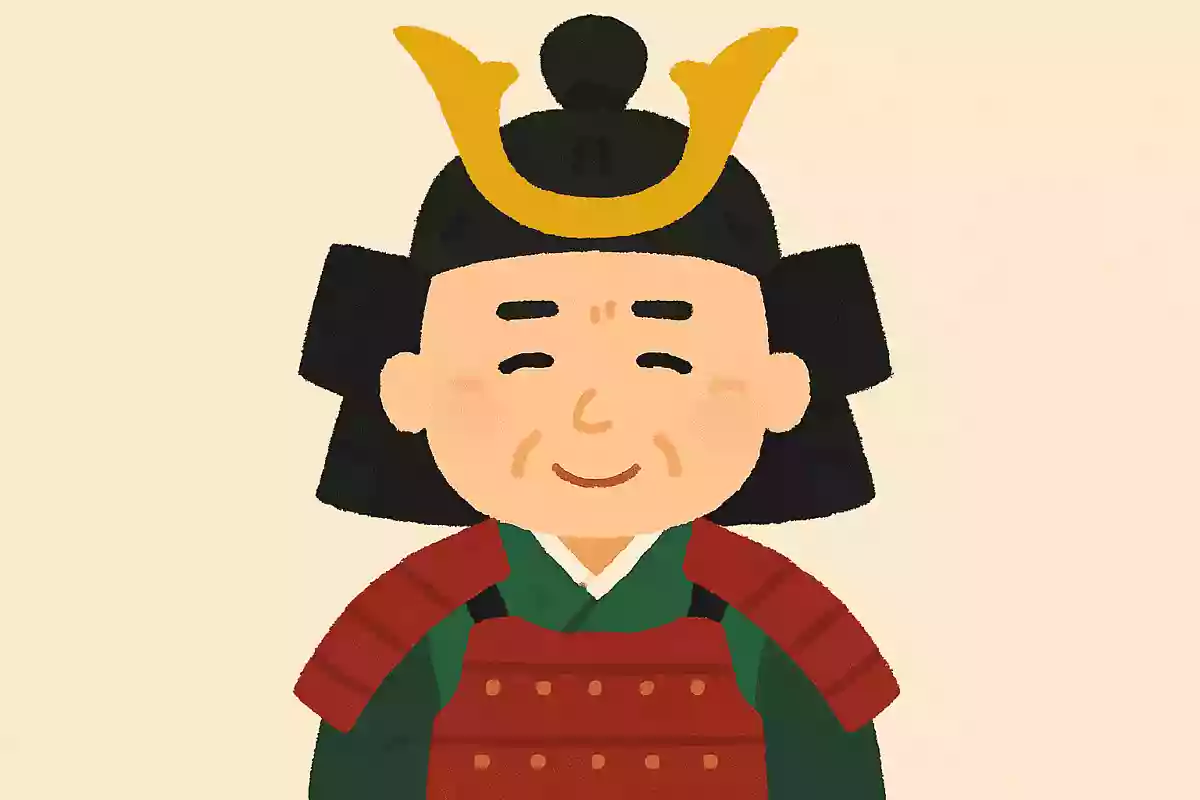
- Uesugi Kenshin
- Oda Nobunaga
- Takeda Shingen
See the answer
Uesugi Kenshin
The warlord who inspired the phrase “sending salt to one’s enemy” was Uesugi Kenshin. When Takeda Shingen faced difficulties obtaining salt, Uesugi Kenshin sent him salt, saying that they were not fighting over necessities of daily life. This episode is the origin of the expression.
