

How many can you solve? Fascinating history trivia quizzes that spark intellectual curiosity

Are you good at history?
We’ve put together a collection of fun history trivia quizzes that both history buffs and those who find it a bit challenging can enjoy!
Since it’s trivia, the questions focus on the little details that accompany historical events rather than what you learned in history class.
By taking these quizzes, you can learn about the history of Japan and the world from a different perspective.
Some questions have surprising and amusing answers that will make you say, “I had no idea!”—so even if you’re not a fan of history, you might start to like it a bit more.
Give it a try with your family and friends!
- [History Quiz] General History Questions You Should Know
- Let’s take on the challenge! A multiple-choice history quiz for elementary school students. Review your history lessons.
- [Study] Fun to Know! A Collection of World History Trivia Quizzes
- Not taught in school! A roundup of historical trivia and fun facts
- How many can you get right? A tricky 3-choice trivia quiz you'll want to tell someone about
- A quiz of fun trivia: bite-sized knowledge that leads to new insights.
- [General] Surprisingly unknown? Test your geography skills with a three-choice quiz on Japan’s prefectures
- Quiz for junior high school students
- [Interesting] Compilation of Trivia Quiz Questions
- Genius if you can solve it? Super-difficult Quiz Collection
- A fun quiz you can use to kill time by yourself or with everyone
- [For Seniors] Nostalgic quizzes that bring back memories! Showa-era entertainment and sports questions
- [Enjoyable History Quiz] Easy multiple-choice (3 options) quiz that’s accessible for seniors!
How many can you solve? Fascinating history trivia quizzes that spark intellectual curiosity (11–20)
What appeal did Japan make when Perry’s Black Ships arrived?
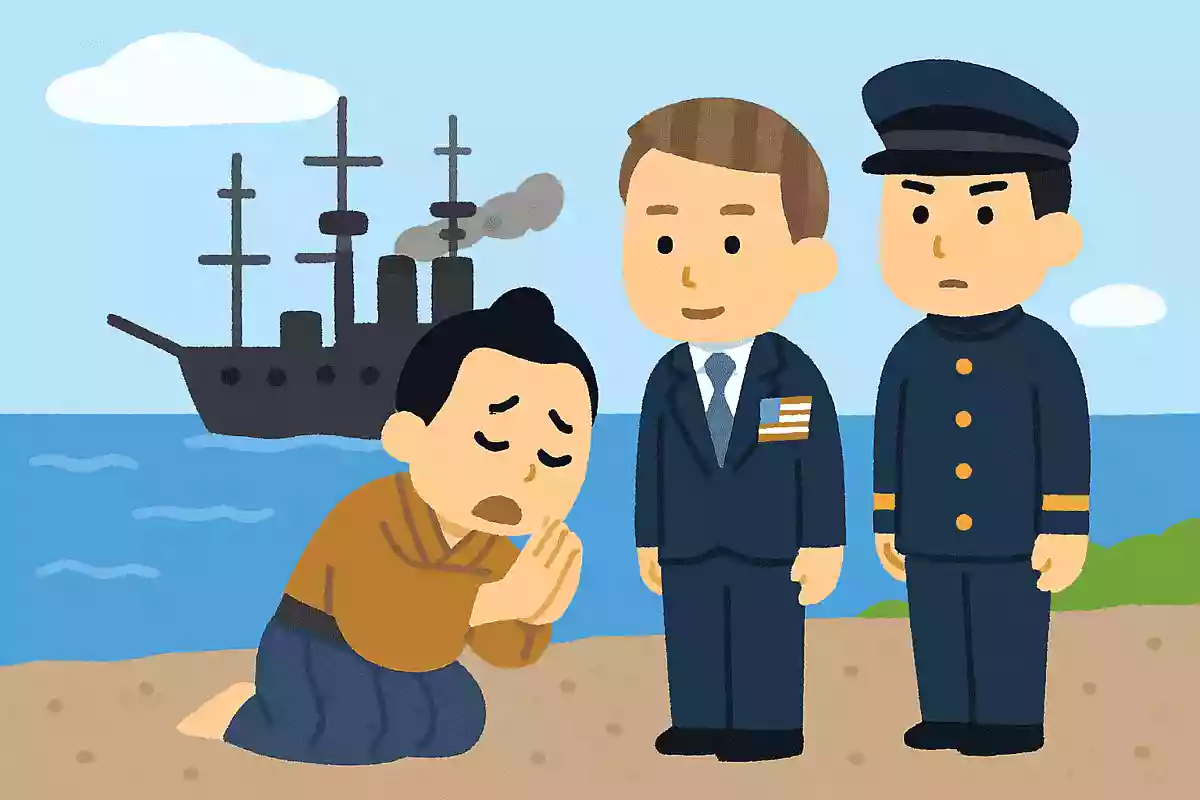
- I held a tea party.
- Made the sumo wrestler work
- We held a fireworks festival.
See the answer
Made the sumo wrestler work
When Perry’s fleet arrived, the Japanese side tried to make an impression to counter them, having sumo wrestlers carry sacks of rice, among other things. It is also said that they wrestled people aboard the ships and won by a large margin. The Americans, it seems, could not hide their astonishment at these scenes.

Which of the following was ghostwritten by Yoshida Kenkō, the author of Essays in Idleness?
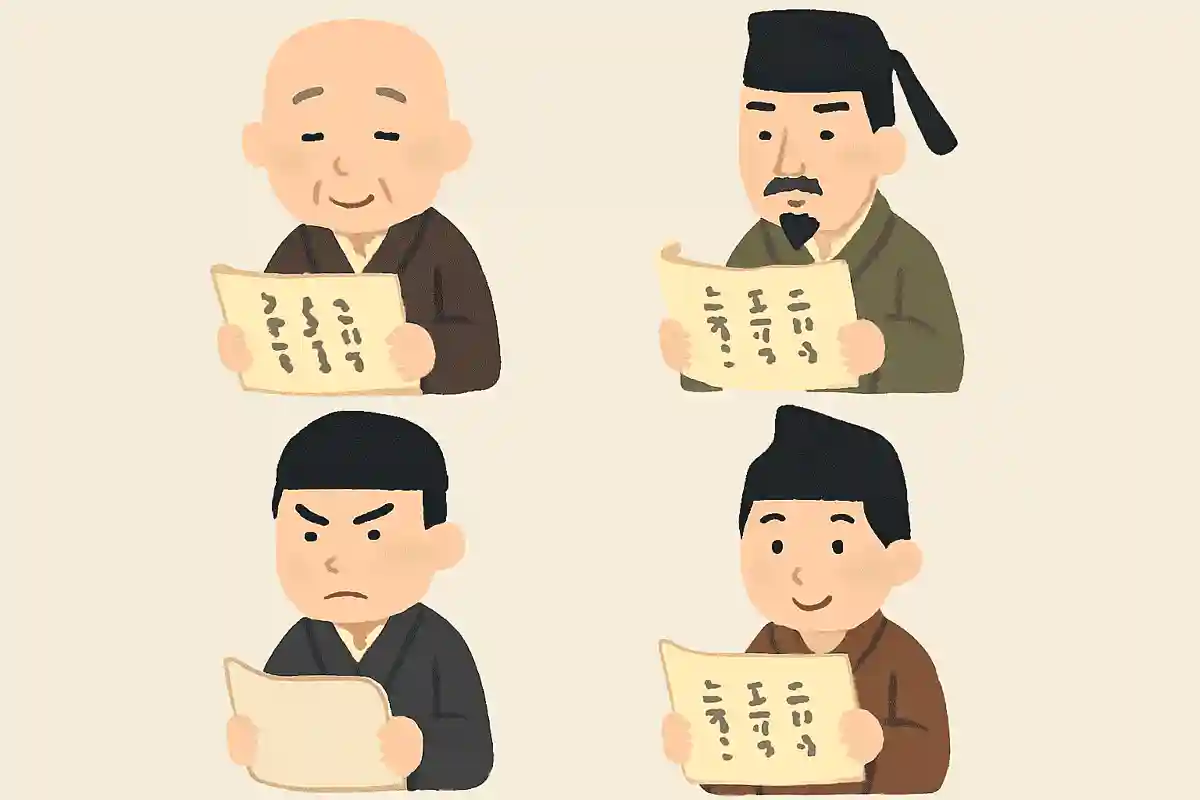
- Someone else's diary
- will
- Love letter
See the answer
Love letter
Yoshida Kenkō not only possessed high learning and discernment, but also worked as a proxy writer for waka poems and letters. Records remain indicating that he particularly excelled at ghostwriting love letters. His talent for expressing the dynamics of romance in beautiful prose that moved the recipient’s heart seems to have been highly valued by the aristocrats and warriors of the time. It is thought that his rich life experience and keen powers of observation of human nature were fully brought to bear in these romantic letters.

Which of the following was taught at girls’ schools during the Meiji era?
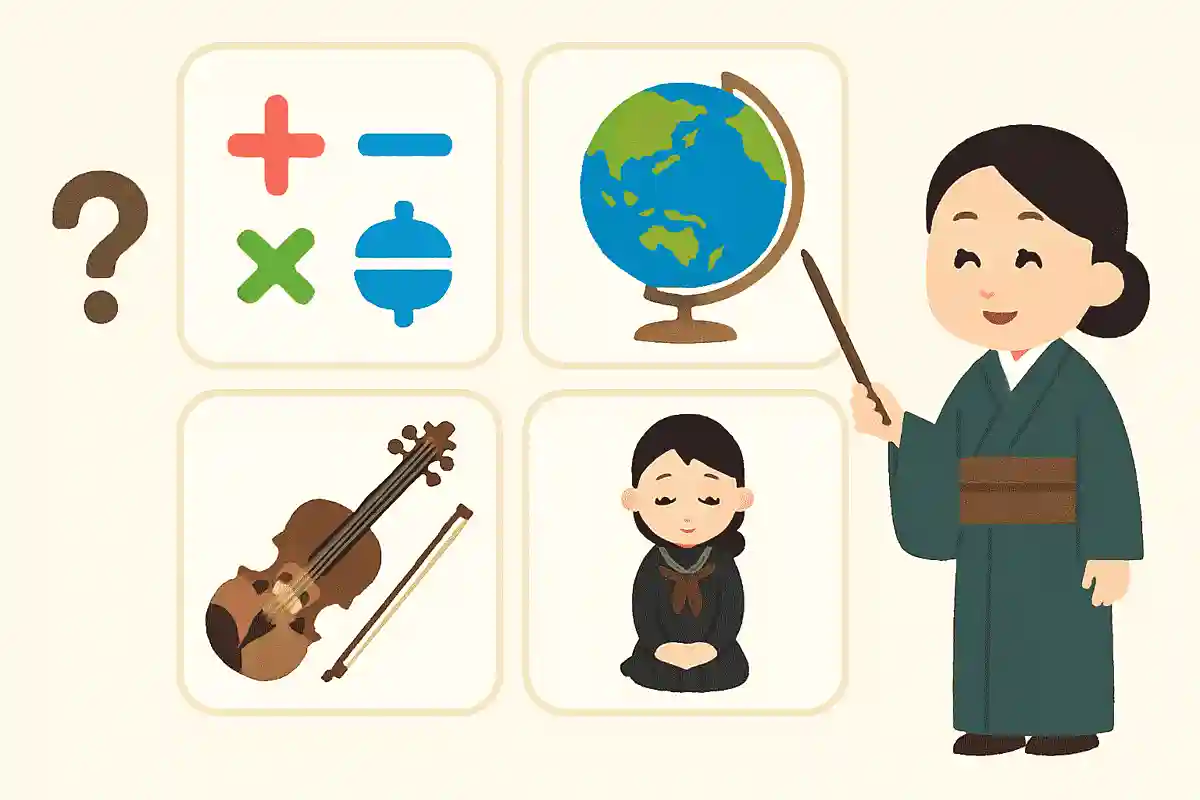
- cat's cradle
- origami
- beanbags
See the answer
origami
In education during the Meiji era, origami was actively incorporated to cultivate manual dexterity, spatial awareness, and even creativity. When Western educational thought was introduced to Japan, it merged with traditional Japanese origami and became part of the educational curriculum in girls’ schools and kindergartens. It was taught not merely as a pastime, but as an important method of learning to develop an understanding of geometric figures and a refined aesthetic sense.
From which historical period did the unit “yen” start to be used?
- Heian period
- Edo period
- Meiji era
See the answer
Meiji era
The unit “yen” was introduced by the New Currency Act during the Meiji era. As a result, the yen came to be used as a unified and new currency unit within Japan. Before that, units such as ryō, bu, and mon were used, but from this ordinance onward, yen, rin, and sen came into use.
During Japan’s isolation in the Edo period, why was only the Netherlands allowed to trade?
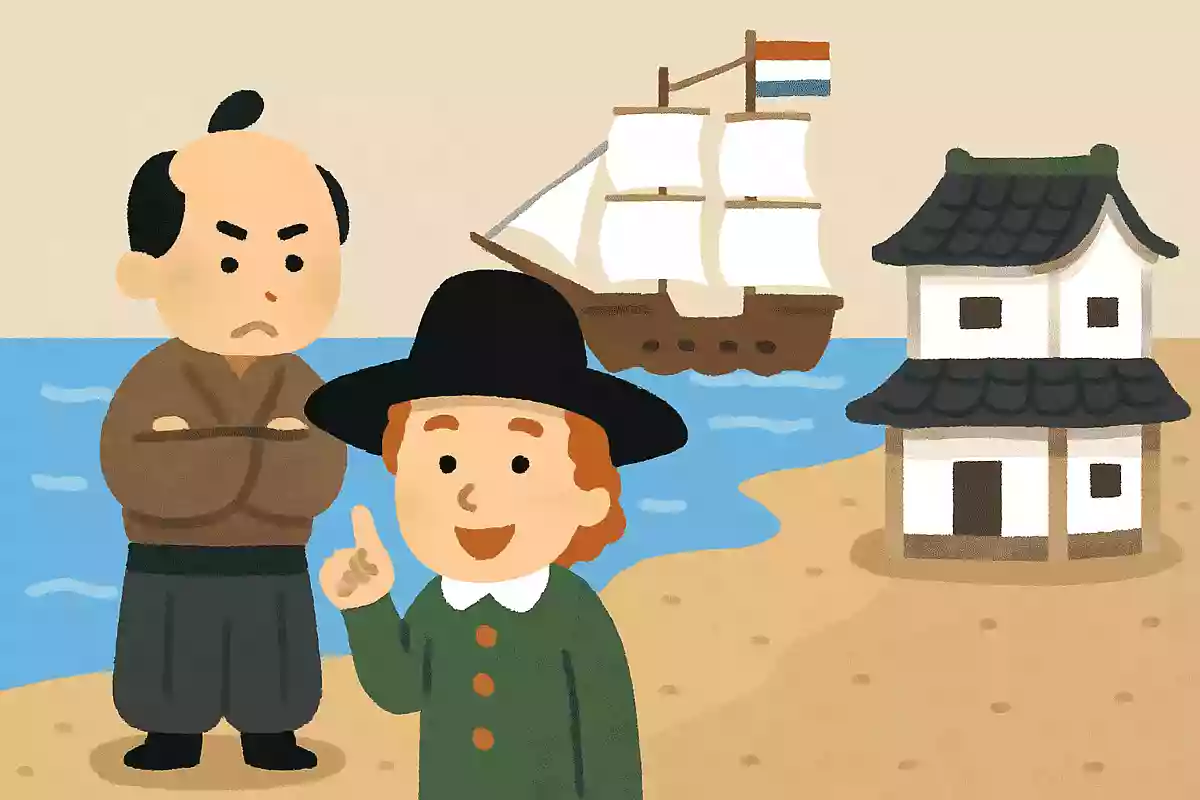
- Because they promised not to engage in Christian missionary activities.
- Because you understood Japanese Bushido
- Because it was an important military ally of the Edo shogunate
See the answer
Because they promised not to engage in Christian missionary activities.
One of the main reasons for the isolation policy was that the Christian system was incompatible with the shogunate’s system, leading to a desire to exclude Christianity. However, the Dutch prioritized commercial interests and promised not to conduct Christian missionary activities in Japan, so they were allowed to trade.
What kind of clothes is the statue of Saigo Takamori in Ueno wearing?
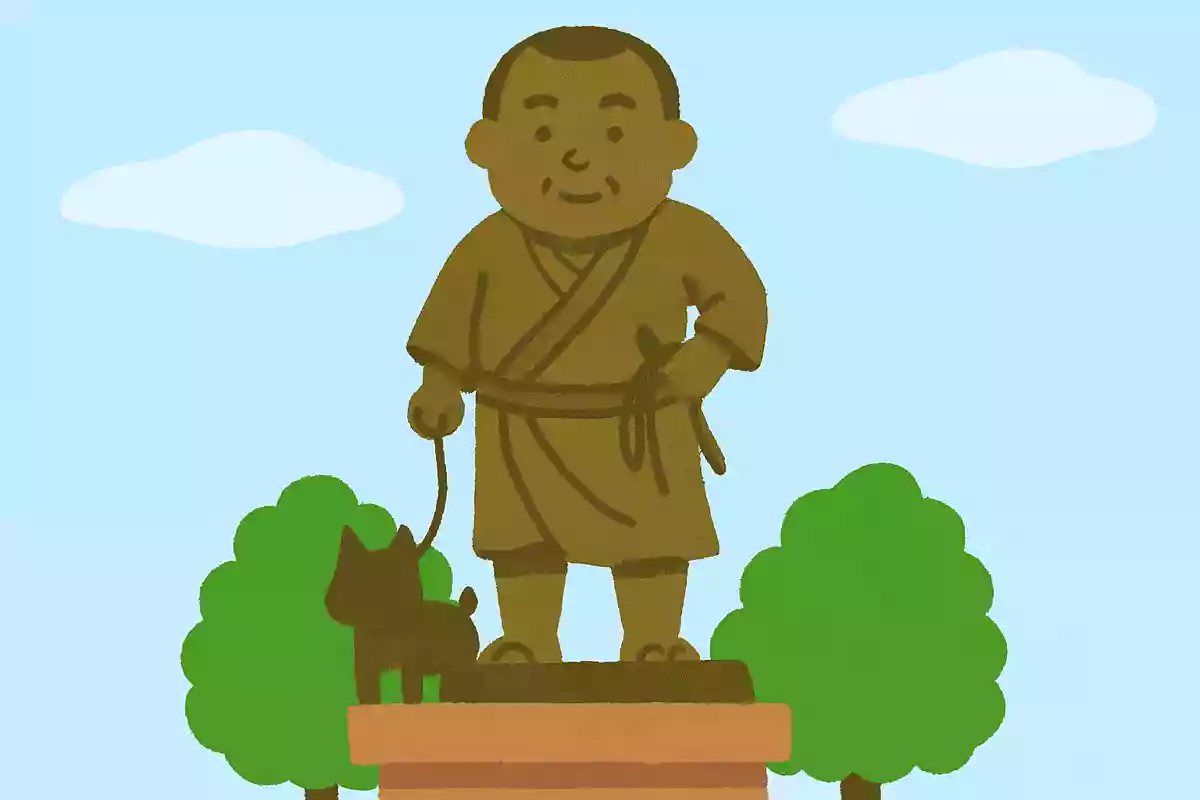
- Western-style clothing
- armor
- kimono worn casually (kinagashi)
See the answer
kimono worn casually (kinagashi)
The statue of Takamori Saigō erected in Ueno Park is known for depicting him in informal kimono attire, with a dog by his side. It was initially planned for him to be shown in official government dress, but it is said that the choice was changed to informal attire out of a desire to avoid emphasizing his image as a samurai.
How many can you solve? Fascinating history trivia quizzes that spark intellectual curiosity (21–30)
Which of these has been practiced since the Edo period?
- cosplay
- karaoke
- Christmas
See the answer
cosplay
A culture equivalent to “cosplay” already existed in the Edo period. In the late Edo period in particular, during the popular movement known as Eejanaika, women dressed as men and men dressed as women. There was also an event called nerimono, in which geisha wore costumes matching their performances and walked through Gion.
