

Not taught in school! A roundup of historical trivia and fun facts


History that everyone studied in school.
Some people aren’t good at it, while others feel a sense of romance in a worldview completely different from today’s.
Most of what we learn in school focuses on major historical events, and it’s common not to touch on the small episodes around them.
So in this article, we’ll introduce trivia and fun facts about history that you wouldn’t cover in class.
We’ve focused on the surprising anecdotes of great figures and incidents that happened behind historical events—the interesting side of history you can’t learn in lessons.
Whether you love history or not, be sure to check it out!
- How many can you solve? Fascinating history trivia quizzes that spark intellectual curiosity
- Didn't want to know?! Fascinating and scary trivia & fun facts
- [Study] Fun to Know! A Collection of World History Trivia Quizzes
- Trivia quiz about schools: a roundup of fun facts you’ll want to brag about
- [History Quiz] General History Questions You Should Know
- Let’s take on the challenge! A multiple-choice history quiz for elementary school students. Review your history lessons.
- Useful right away in daily life! Surprising trivia and handy tips
- Fun to Know! A Collection of Space Trivia [Rec]
- How many can you get right? A tricky 3-choice trivia quiz you'll want to tell someone about
- A quiz of fun trivia: bite-sized knowledge that leads to new insights.
- Fun facts you’ll want to share! January trivia and tidbits special
- Trivia quiz with useful tips to know: fun facts that come in handy at school or at home [for kids]
- Trivia you think you know but surprisingly don’t? August trivia and fun facts quiz!
Things You Won’t Learn in School! A Roundup of Trivia and Fun Facts About History (11–20)
Nightingale worked as a nurse for only two years.
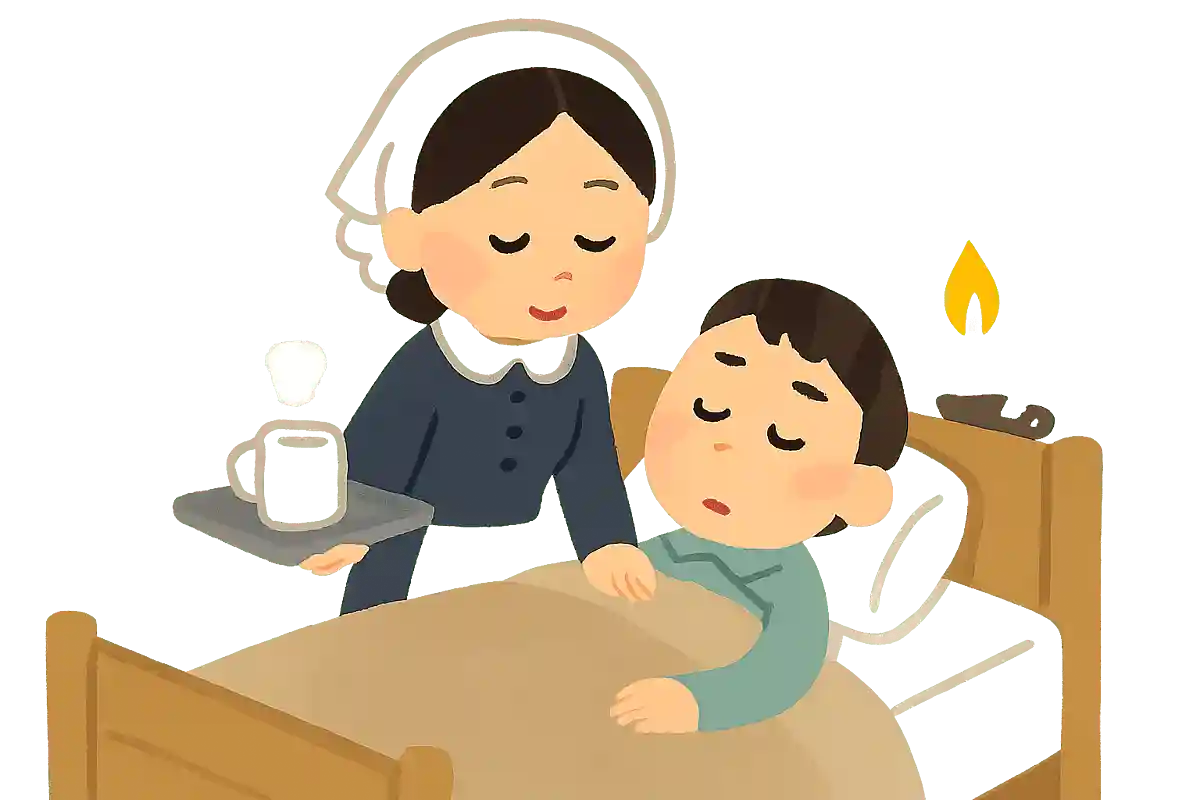
It is said that Florence Nightingale worked as a nurse for about two years during the Crimean War.
She was dispatched to a field hospital in Crimea, where she rigorously managed the severely neglected sanitary conditions and reportedly covered shortages of medicine and other supplies at her own expense.
However, due to overwork, she fell ill around the age of 37, and for the next 50 years she is said to have lived mostly bedridden, shifting to activities such as writing books and advocating for medical reform.
Because of her selfless work—caring for wounded soldiers around the clock without regard for herself—she came to be known as the “Angel of Crimea.”

Toyotomi Hideyoshi’s beard was a fake.

Toyotomi Hideyoshi, a warlord active from the Sengoku period through the Azuchi–Momoyama period, is said to have worn a false beard to project authority, reportedly due to insecurity about his appearance.
He achieved the unification of Japan, carried out the Taikō land survey to measure territories, and laid the foundations of the bakuhan system.
Born the son of a peasant, he lived in poverty with low social status, but it is said that through effort, talent, and connections he served Oda Nobunaga and rose in rank.
However, under the fourth shogun, Tokugawa Ietsuna, the shogunate issued an edict prohibiting large beards, banning the wearing of long facial hair.
Chaplin was kidnapped after his death.
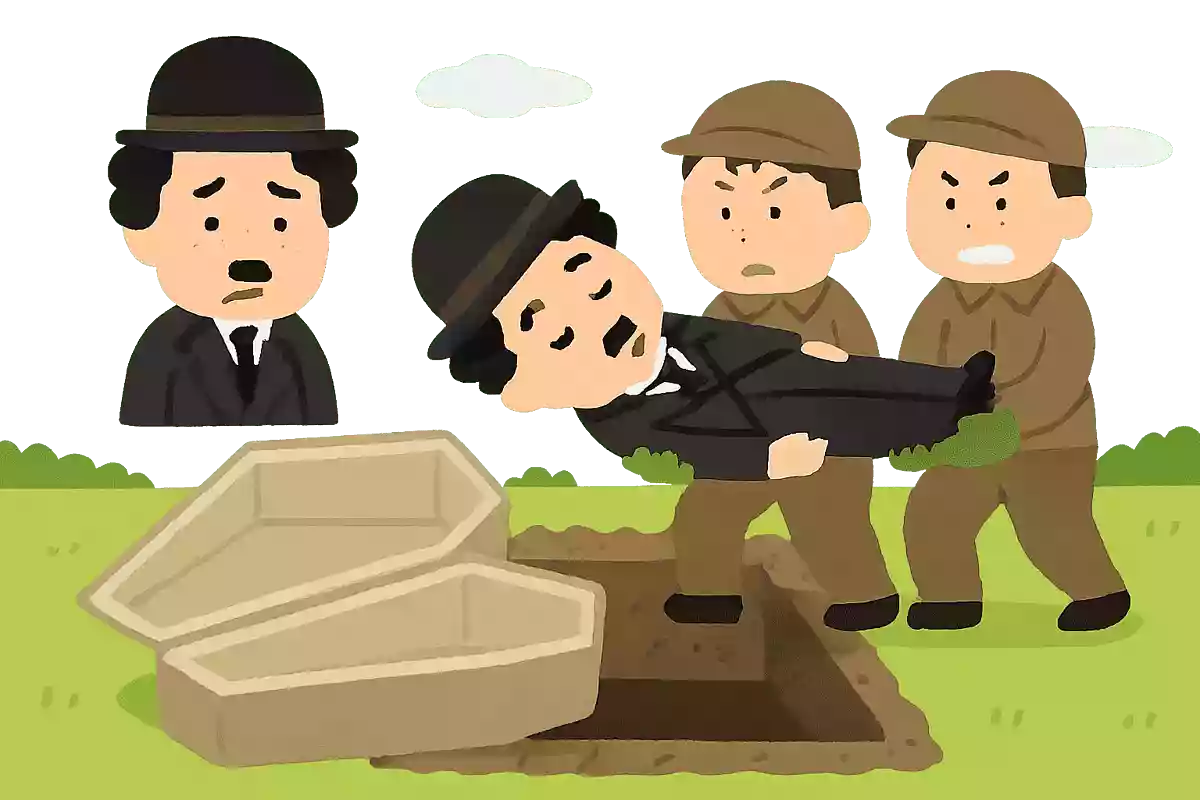
The king of comedy, Charles Chaplin, died in 1977 at the age of 88, but about two months later an incident occurred in which his body was stolen from its grave and he was kidnapped posthumously.
The perpetrators demanded a ransom of 100 million yen but were arrested.
Known as a perfectionist, Chaplin would keep the camera rolling until he was satisfied; for City Lights, released in 1931, he is said to have reshot a roughly three-minute scene 342 times.
He was also famous for his pro-Japanese sentiments, having hired a Japanese secretary and even visited Japan.
There were no toilets in the Palace of Versailles.
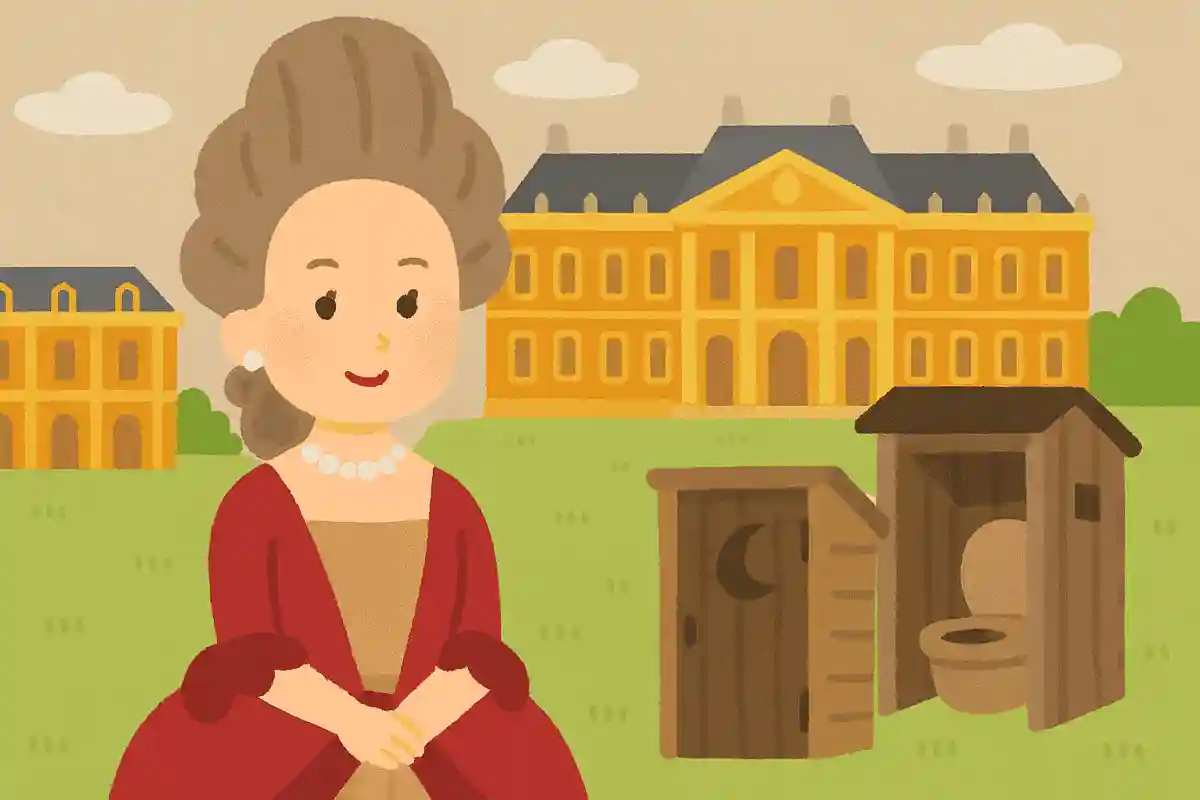
It is said that the Palace of Versailles had no toilets.
In the 17th century, due to poor water management and unsanitary conditions, the situation regarding toilets at Versailles was reportedly extremely bad.
Both nobles and commoners relieved themselves in chamber pots and threw the waste out of windows, so the gardens and corridors were covered with filth and the smell was apparently quite awful.
Even today, European cities often have few public restrooms, making them hard to find.
Many public toilets also charge a fee, and some lack toilet seats.
The treadmill was originally a torture device.
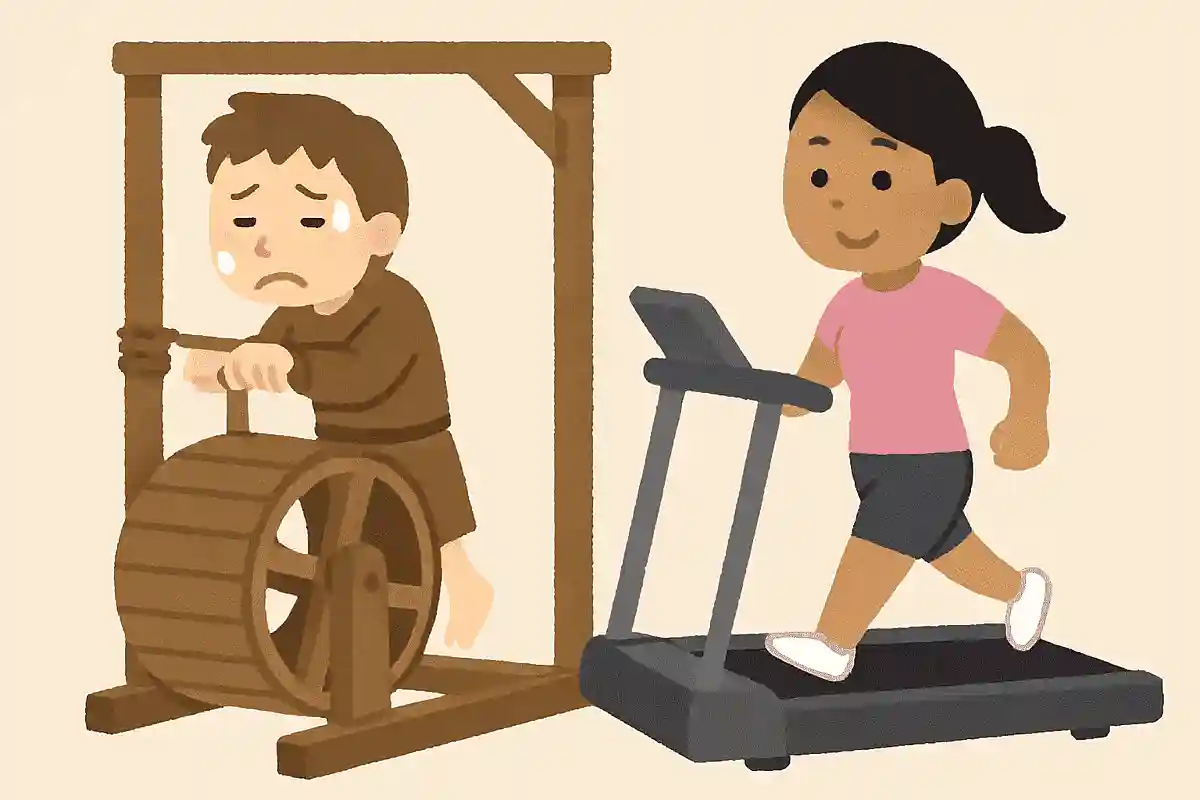
Treadmills, which many people use at home or in gyms to help address lack of exercise, were originally instruments of punishment.
In Japan they’re called “room runners,” but overseas they were known as tread apparatuses: prisoners would turn treadwheels for six hours a day, which powered water pumping, grain grinding, and even windmill mechanisms.
At that time, they were used as devices of torture.
With the abolition of prison laws, these punitive devices disappeared, and two professors developed a medical treadmill that came to be used for diagnosing heart and lung conditions.
Later, an exercise physiologist named Kenneth Cooper noted that medical treadmills were also good for training, which led to the creation of home-use treadmills.
The dining manners of ancient Roman aristocrats were vulgar.
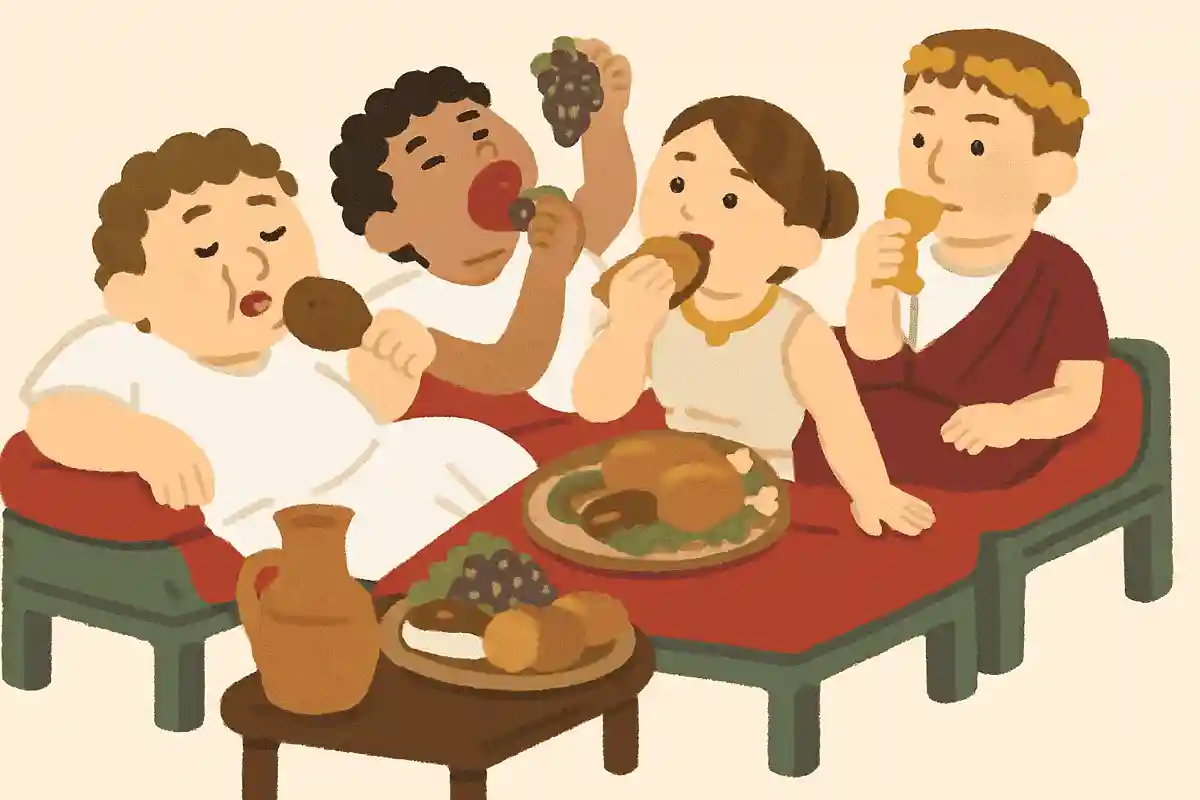
It is said that the dining manners of ancient Roman nobles were considered vulgar.
They ate while reclining, and since forks did not exist, they ate with their hands.
When they became full, they would vomit and then move on to the next course.
Mealtimes were in the morning, at midday, and in the evening, and burping or passing gas was regarded as a sign of satisfaction with the meal.
Although this differs greatly from modern table manners and many people today might find it crude, at the time it was considered natural and befitting of the nobility.
You won’t learn this in school! A roundup of historical trivia and fun facts (21–30)
Takeda Shingen really hated caterpillars.
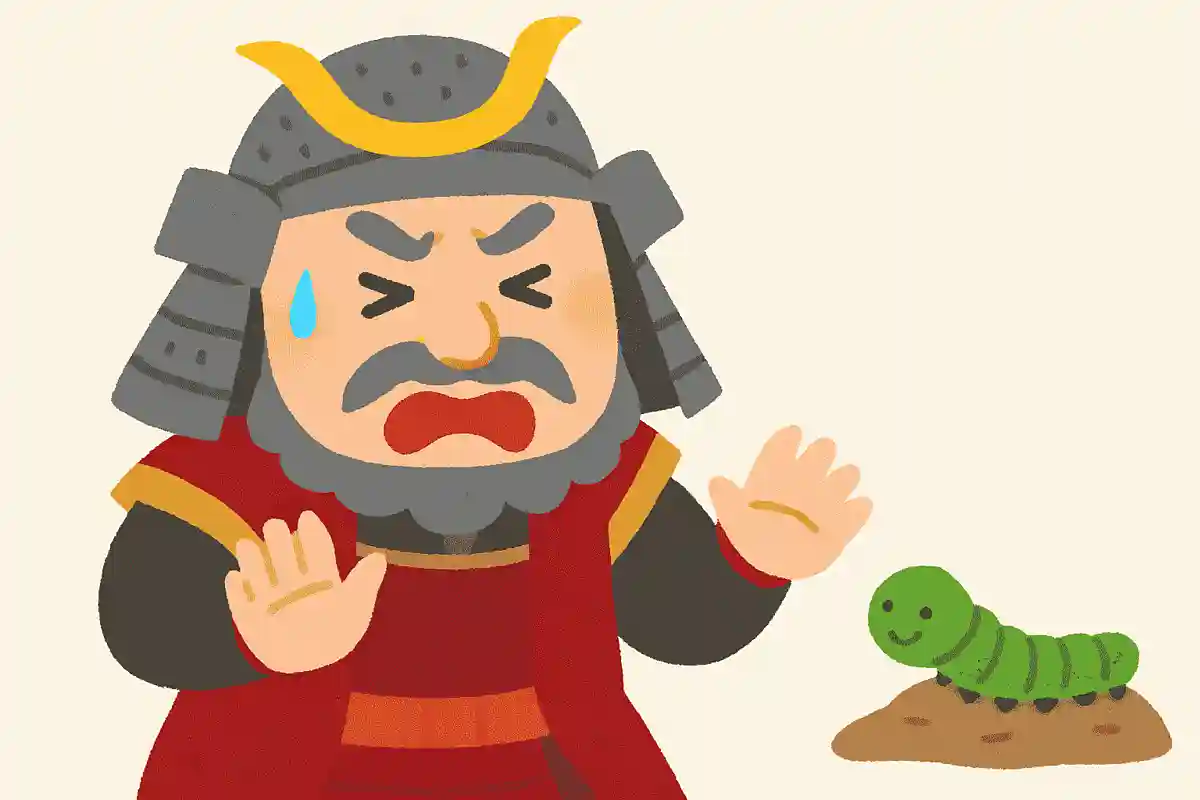
Takeda Shingen, a warlord of the Sengoku period, is said to have commanded the Takeda army—considered the strongest at the time—and even made Oda Nobunaga wary.
Despite Shingen’s fierce image, there was one thing he wasn’t good with: caterpillars.
There’s an anecdote about his dislike of them.
One day, after Tokugawa Ieyasu mocked him for it, Shingen put on a brave face and grabbed a caterpillar with his bare hand.
But the moment he did, he reportedly turned pale.
How pitiful, isn’t it?
