

Not taught in school! A roundup of historical trivia and fun facts


History that everyone studied in school.
Some people aren’t good at it, while others feel a sense of romance in a worldview completely different from today’s.
Most of what we learn in school focuses on major historical events, and it’s common not to touch on the small episodes around them.
So in this article, we’ll introduce trivia and fun facts about history that you wouldn’t cover in class.
We’ve focused on the surprising anecdotes of great figures and incidents that happened behind historical events—the interesting side of history you can’t learn in lessons.
Whether you love history or not, be sure to check it out!
- How many can you solve? Fascinating history trivia quizzes that spark intellectual curiosity
- Didn't want to know?! Fascinating and scary trivia & fun facts
- [Study] Fun to Know! A Collection of World History Trivia Quizzes
- Trivia quiz about schools: a roundup of fun facts you’ll want to brag about
- [History Quiz] General History Questions You Should Know
- Let’s take on the challenge! A multiple-choice history quiz for elementary school students. Review your history lessons.
- Useful right away in daily life! Surprising trivia and handy tips
- Fun to Know! A Collection of Space Trivia [Rec]
- How many can you get right? A tricky 3-choice trivia quiz you'll want to tell someone about
- A quiz of fun trivia: bite-sized knowledge that leads to new insights.
- Fun facts you’ll want to share! January trivia and tidbits special
- Trivia quiz with useful tips to know: fun facts that come in handy at school or at home [for kids]
- Trivia you think you know but surprisingly don’t? August trivia and fun facts quiz!
You won’t learn this in school! A roundup of historical trivia and fun facts (21–30)
Akechi Mitsuhide was good at shooting.
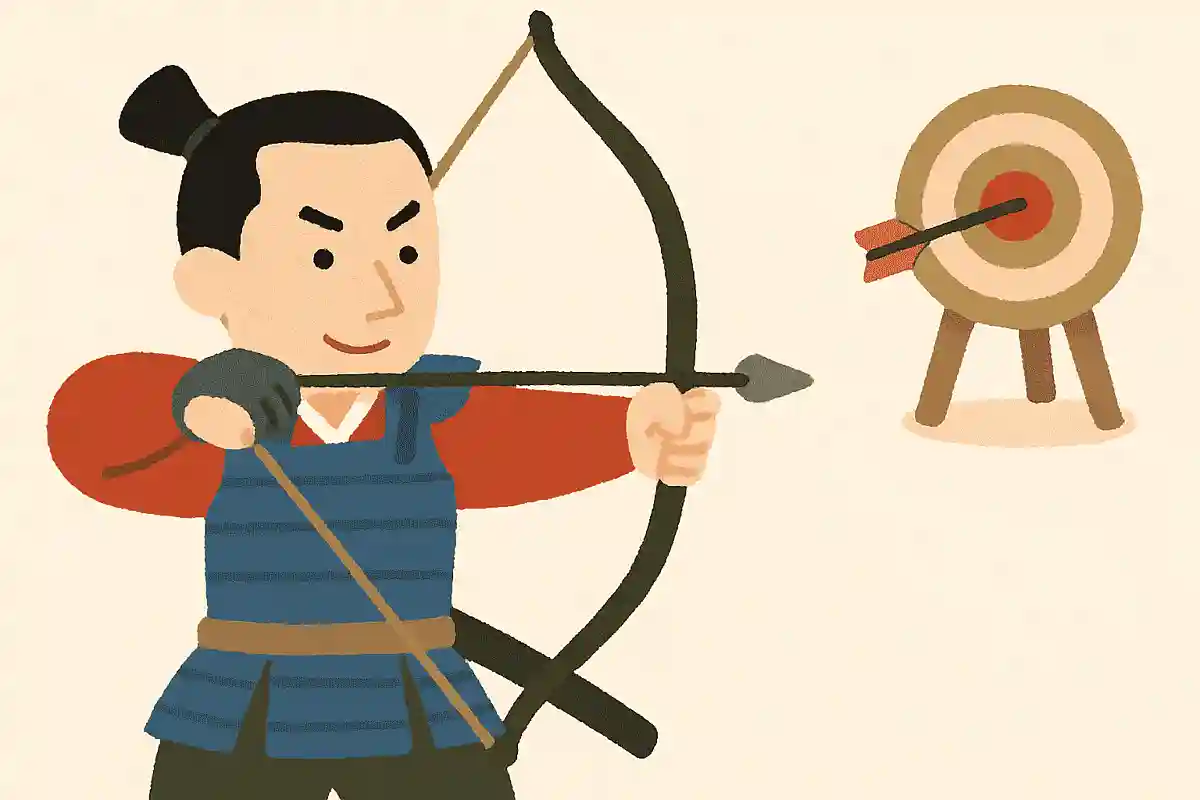
Akechi Mitsuhide is one of the warlords of the Sengoku period, best known for bringing down Oda Nobunaga.
He had a somewhat unexpected specialty.
In 1562, Asakura Yoshikage heard rumors that Mitsuhide was a master marksman and ordered him to demonstrate his skill.
Mitsuhide then set up one hundred targets and, from a distance, hit every single one of them.
Since matchlock guns of the time were inferior to modern firearms, we can surmise that his skill was truly exceptional.
Although Mitsuhide is often disliked as a traitor, this might change your image of him a little.

Midwives and couriers were allowed to cross a feudal lord’s procession.
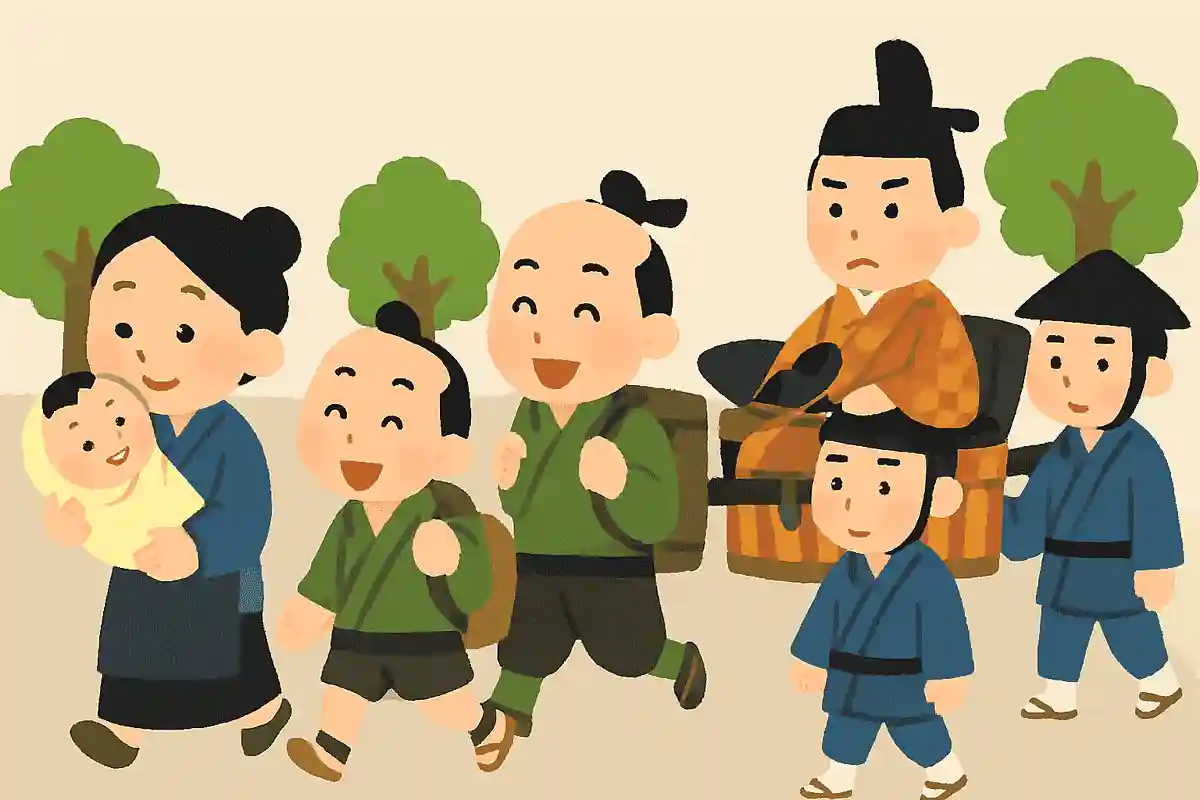
You know about daimyo processions, right? They’re the retinues that accompanied a daimyo when traveling, such as for the sankin-kotai system.
These processions could stretch over about 4 kilometers or more, and it was taboo to obstruct them.
However, certain people were allowed to cross a daimyo procession: doctors, midwives, couriers, and others whose work could be a matter of life and death.
Incidentally, there was a rule that if an ordinary person crossed a daimyo procession, they could be cut down.
That said, it’s believed that such killings were actually rare.
The first person to wear glasses in Japan was Tokugawa Ieyasu.
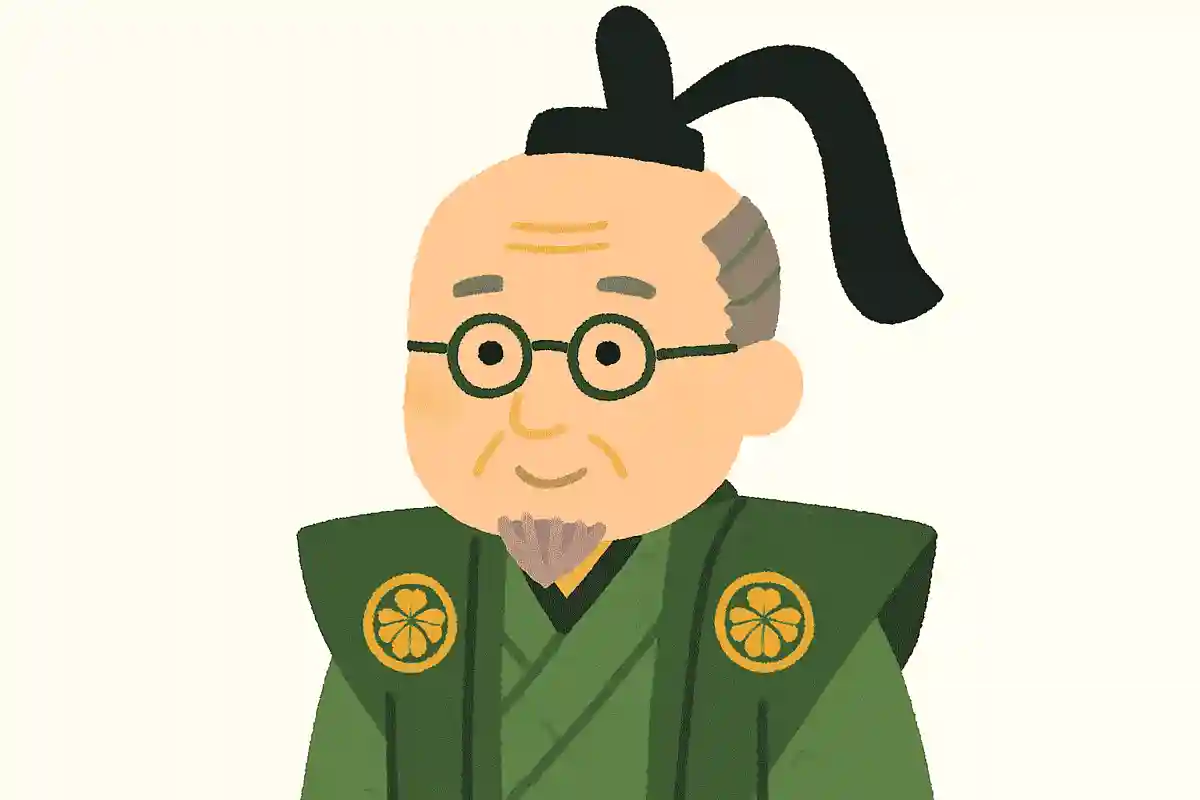
It is said that Tokugawa Ieyasu was the first person in Japan to wear glasses.
At the time, they were not called “megane” (glasses) but “meki” (eye device), and rather than hooking over the ears as modern glasses do, they were the type that rested on the nose.
Incidentally, there is also a strong theory that Ōuchi Yoshitaka was actually the first to wear glasses in Japan.
He reportedly received a pair as a gift from Francis Xavier and tried them on.
However, since he didn’t regularly use them in daily life, it might be hard to say he truly “wore” them.
The first person in Japan to use a pen name was Murasaki Shikibu.
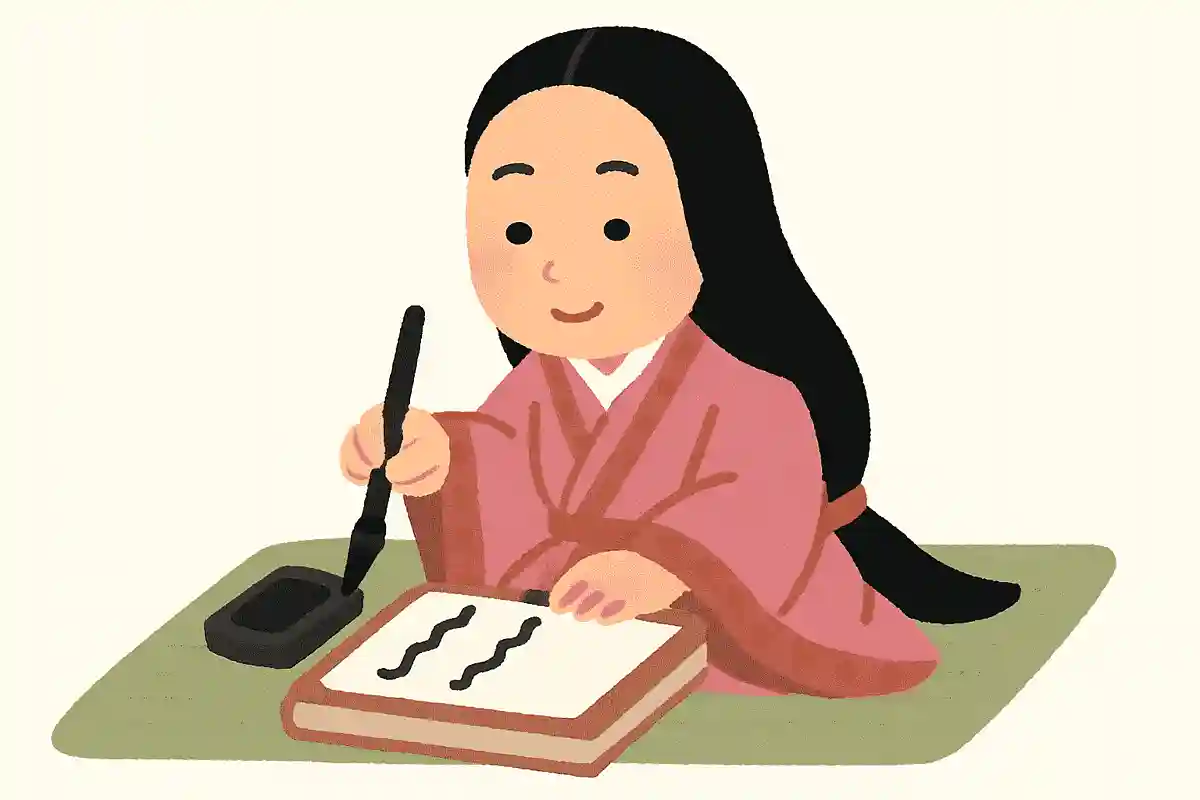
When publishing their writing, people sometimes use a pen name different from their real name.
It’s said that the first person to do so was Murasaki Shikibu, known as the author of The Tale of Genji.
Her pen name derives from Murasaki, a character in the tale, and from her father’s court title, Shikibu-no-jō, reflecting her deep attachment to the work.
In an era when women of the Heian period revealed their real names only to their husbands, her chosen name conveys Murasaki Shikibu’s strong determination to leave behind her writings.

The portrait of Prince Shotoku commonly seen in textbooks is not actually Prince Shotoku.
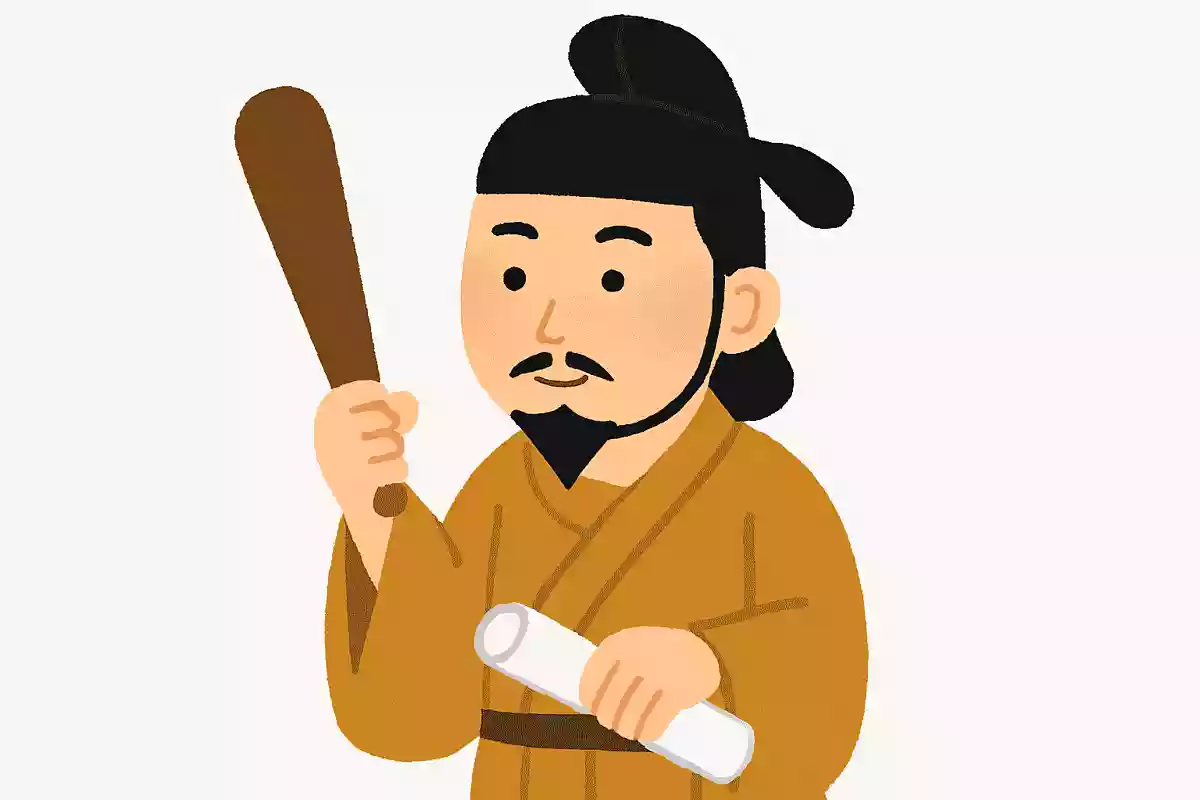
Speaking of Prince Shōtoku, he is known as a figure who implemented innovative politics, such as the Seventeen-Article Constitution and the Twelve Level Cap and Rank System, and when it comes to his appearance, many people picture the portrait that was once featured on banknotes.
However, the historical existence of Prince Shōtoku is uncertain, and it has been suggested that the famous portrait may actually depict someone else.
Even when it was first included in textbooks, it was unclear whose portrait it was, and various theories have been proposed, such as that it might be an image of Emperor Tenmu.
Doesn’t this make you feel just how long Japan’s history is—so long that we can no longer be certain who was depicted, or in which era the portrait was created?
The name “pyramid” comes from a type of bread called “pyramis.”
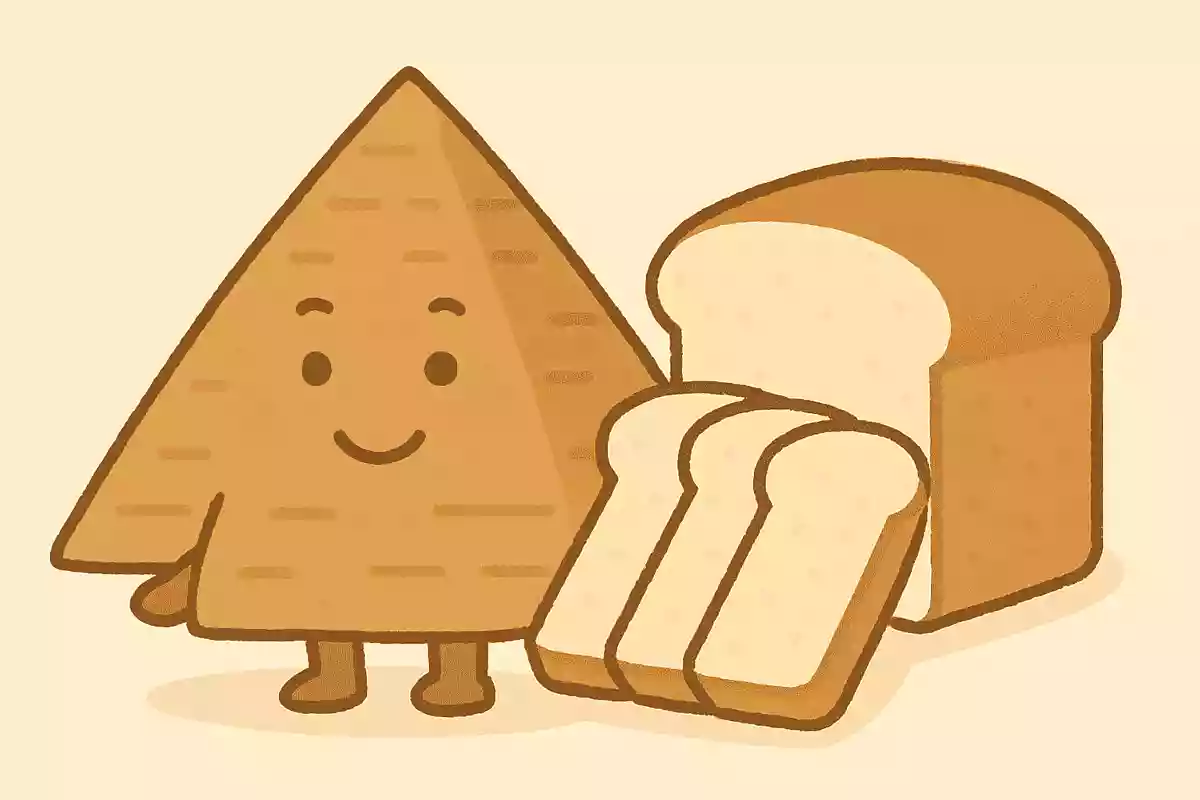
The pyramids, iconic structures symbolizing ancient Egypt, are shrouded in many mysteries—what lies within them and how they were built, for example.
Despite their strong, mystical image, it is said that their name derives from the word pyramis, meaning a type of bread.
In Greek, it referred to a triangular loaf, suggesting the name came from something familiar in shape.
It’s fascinating that something imbued with such profound mysteries is called by such a simple name.
The Jomon people made something like cookies using Jomon pottery.
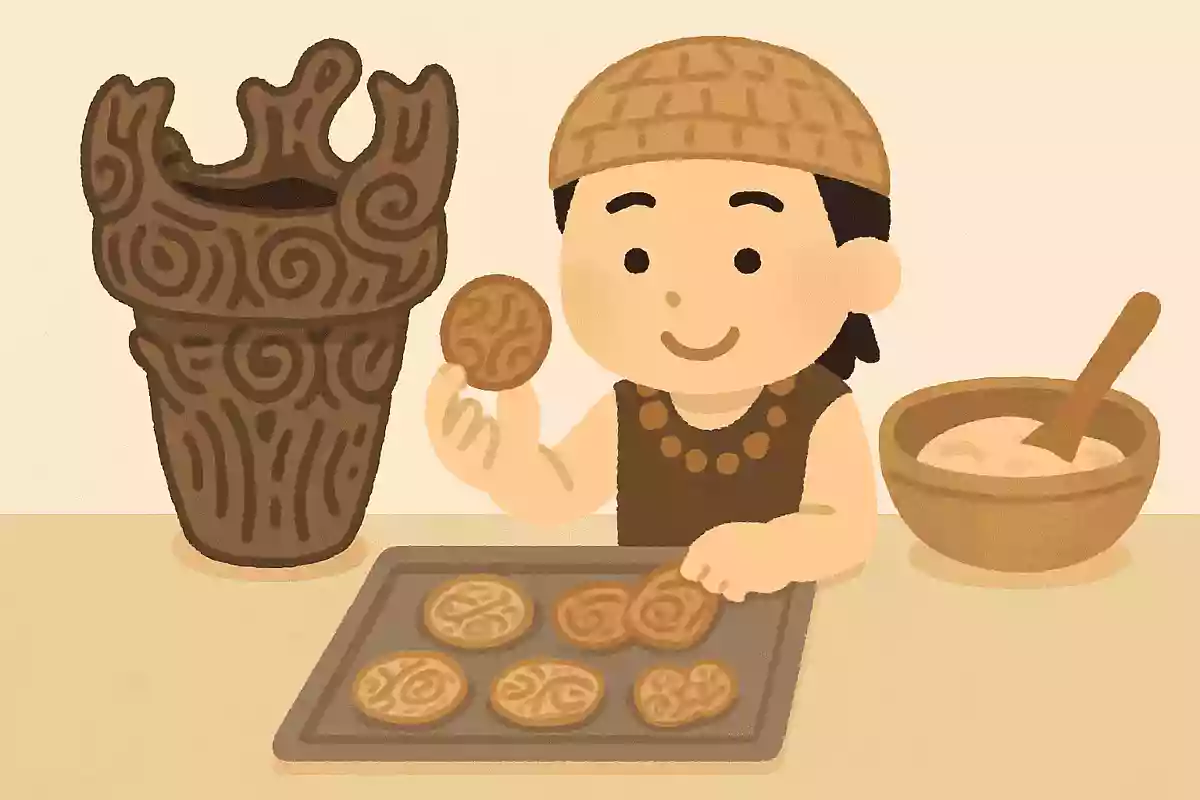
When we think of the Jomon period, we often picture the cord-marked pottery—after which the era is named—and the stone tools used for hunting.
While those pot-shaped vessels evoke a strong image of boiling and cooking, a variety of other dishes were prepared as well.
We know people ate nuts and used tools for grinding, so something like cookies can be considered a representative food of the Jomon period.
It’s said they used nuts such as acorns, and there are even theories that they added animal meat, suggesting a range of possible forms.