

Not taught in school! A roundup of historical trivia and fun facts


History that everyone studied in school.
Some people aren’t good at it, while others feel a sense of romance in a worldview completely different from today’s.
Most of what we learn in school focuses on major historical events, and it’s common not to touch on the small episodes around them.
So in this article, we’ll introduce trivia and fun facts about history that you wouldn’t cover in class.
We’ve focused on the surprising anecdotes of great figures and incidents that happened behind historical events—the interesting side of history you can’t learn in lessons.
Whether you love history or not, be sure to check it out!
- How many can you solve? Fascinating history trivia quizzes that spark intellectual curiosity
- Didn't want to know?! Fascinating and scary trivia & fun facts
- [Study] Fun to Know! A Collection of World History Trivia Quizzes
- Trivia quiz about schools: a roundup of fun facts you’ll want to brag about
- [History Quiz] General History Questions You Should Know
- Let’s take on the challenge! A multiple-choice history quiz for elementary school students. Review your history lessons.
- Useful right away in daily life! Surprising trivia and handy tips
- Fun to Know! A Collection of Space Trivia [Rec]
- How many can you get right? A tricky 3-choice trivia quiz you'll want to tell someone about
- A quiz of fun trivia: bite-sized knowledge that leads to new insights.
- Fun facts you’ll want to share! January trivia and tidbits special
- Trivia quiz with useful tips to know: fun facts that come in handy at school or at home [for kids]
- Trivia you think you know but surprisingly don’t? August trivia and fun facts quiz!
Not taught in school! A roundup of historical trivia and fun facts (1–10)
Japan’s flag became the Hinomaru as a result of the Genpei War.
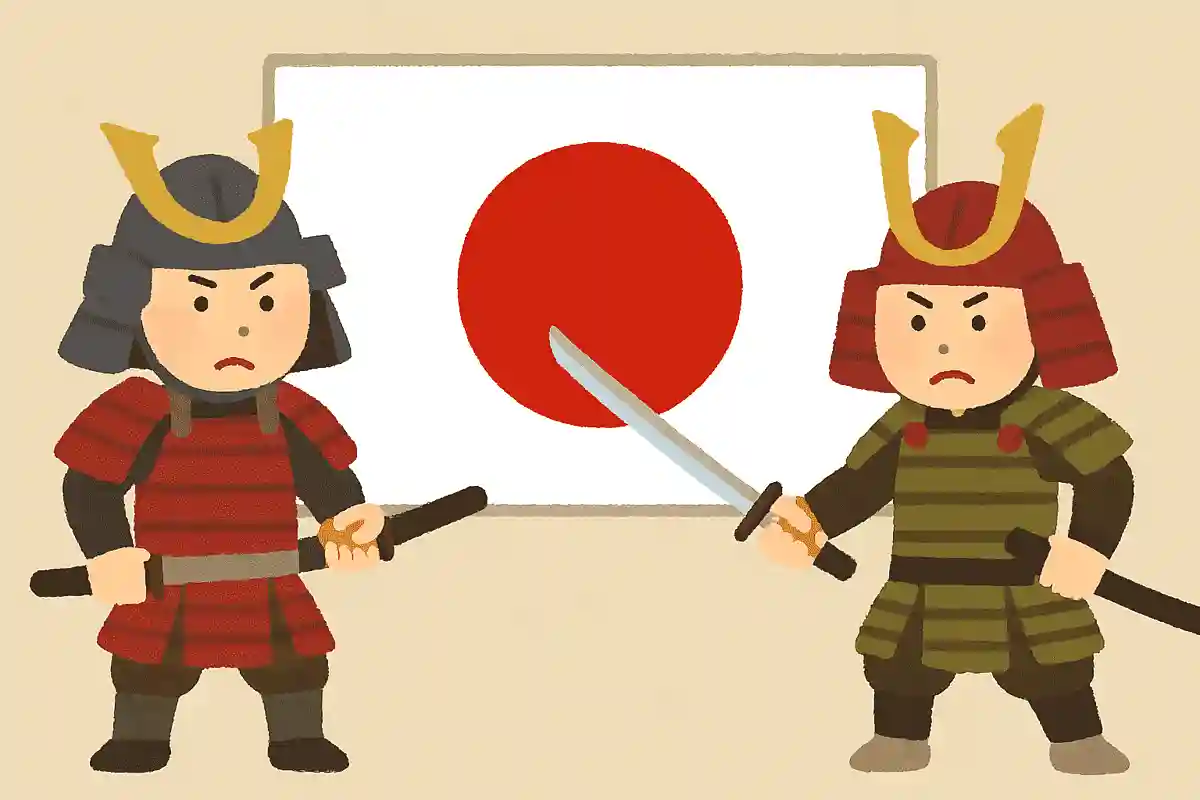
When it comes to Japan’s national flag, the Hinomaru comes to mind.
However, few people know its origins.
Going back to the Heian period during the Genpei War: the Taira clan fought under a red flag with a golden circle, while the Minamoto clan used a white flag with a red circle.
After the Minamoto won, they paraded through the land with the Hinomaru as proof of their rule over Japan.
This tradition was passed down and the flag is still used as the national flag today.
If the Taira had won, the design of the flag might have been different.

Einstein used his Nobel Prize money as alimony.

Einstein received the Nobel Prize in Physics in 1921.
Surprisingly, the prize money wasn’t used for scientific research but served as alimony for his divorce.
During negotiations with his wife, Mileva Marić, he promised to give her the entire sum should he win a Nobel Prize in the future.
When that promise became reality, the prize money was paid out to support her and their children.
It’s astonishing to find such a deeply human story behind the achievements of a genius physicist.
Knowing these behind-the-scenes episodes—not just the grand moments on the stage of history—makes great figures feel more relatable.

The shortest war in history ended in just 40 minutes.
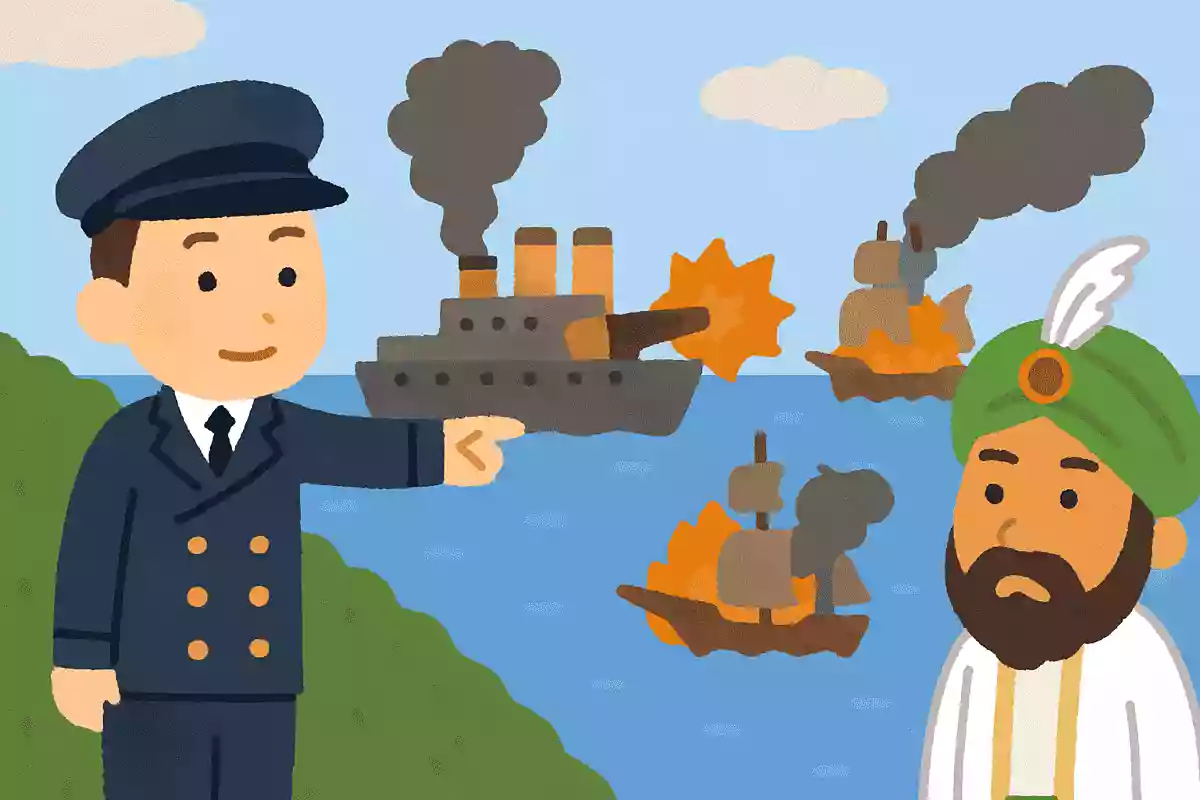
When we think of war, we often imagine something that lasts for months or years—but that wasn’t always the case! The Anglo-Zanzibar War, considered the shortest war in history, is said to have ended in just 40 minutes.
In 1896, this clash between Britain and the small East African nation of Zanzibar came to a swift conclusion thanks to Britain’s overwhelming military power.
At school we often learn history through timelines, but trivia like this can be a great way to make history feel more relatable—and more fun.
Things You Won’t Learn in School! A Roundup of Trivia and Fun Facts About History (11–20)
The chonmage originated because wearing a helmet made the head sweaty.
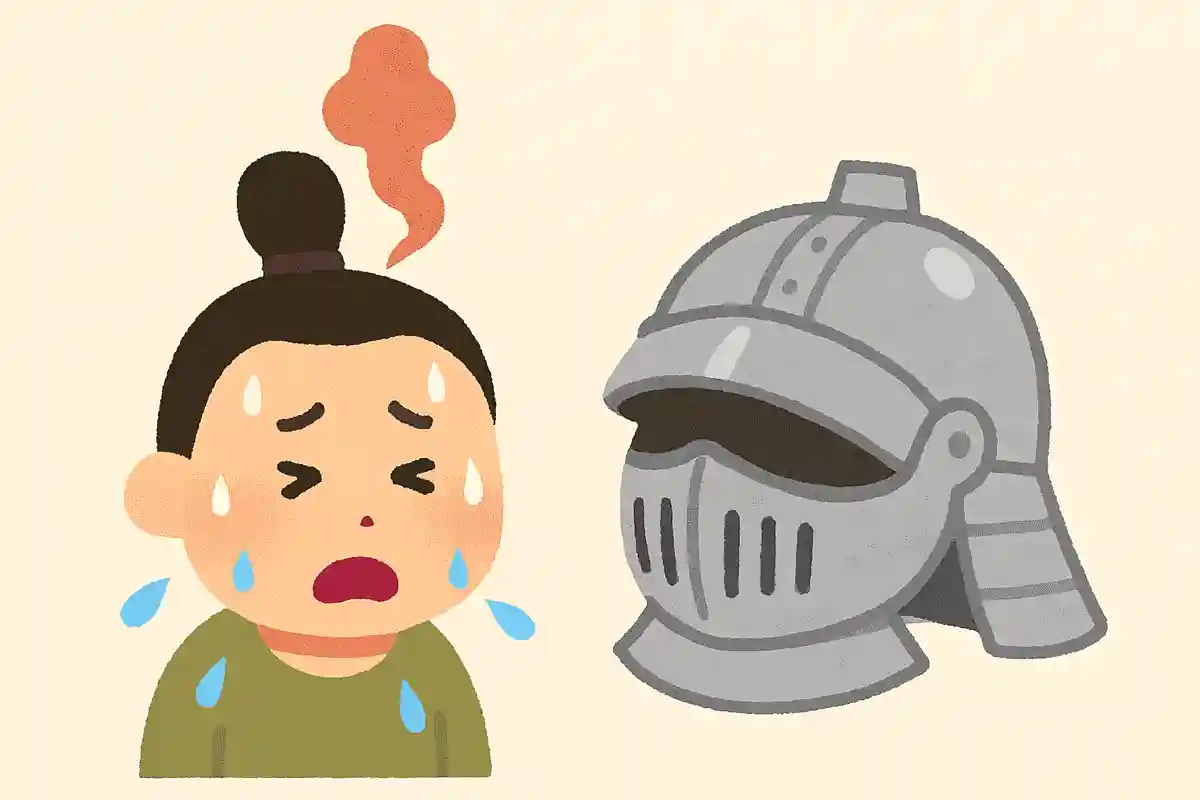
The chonmage is the hairstyle worn by samurai.
Shaving and tying up the hair seems like a hassle, doesn’t it? The reason they went to the trouble of styling it that way was to prevent the head from getting sweaty when wearing a helmet.
Other explanations include making it easier to fit inside a court cap, and keeping the hair shaved so one could immediately take Buddhist vows if faced with death in battle.
All of these theories sound plausible.
Incidentally, some samurai did not wear a chonmage, so it wasn’t strictly mandatory.
Abraham Lincoln’s previous occupation was a professional wrestler.
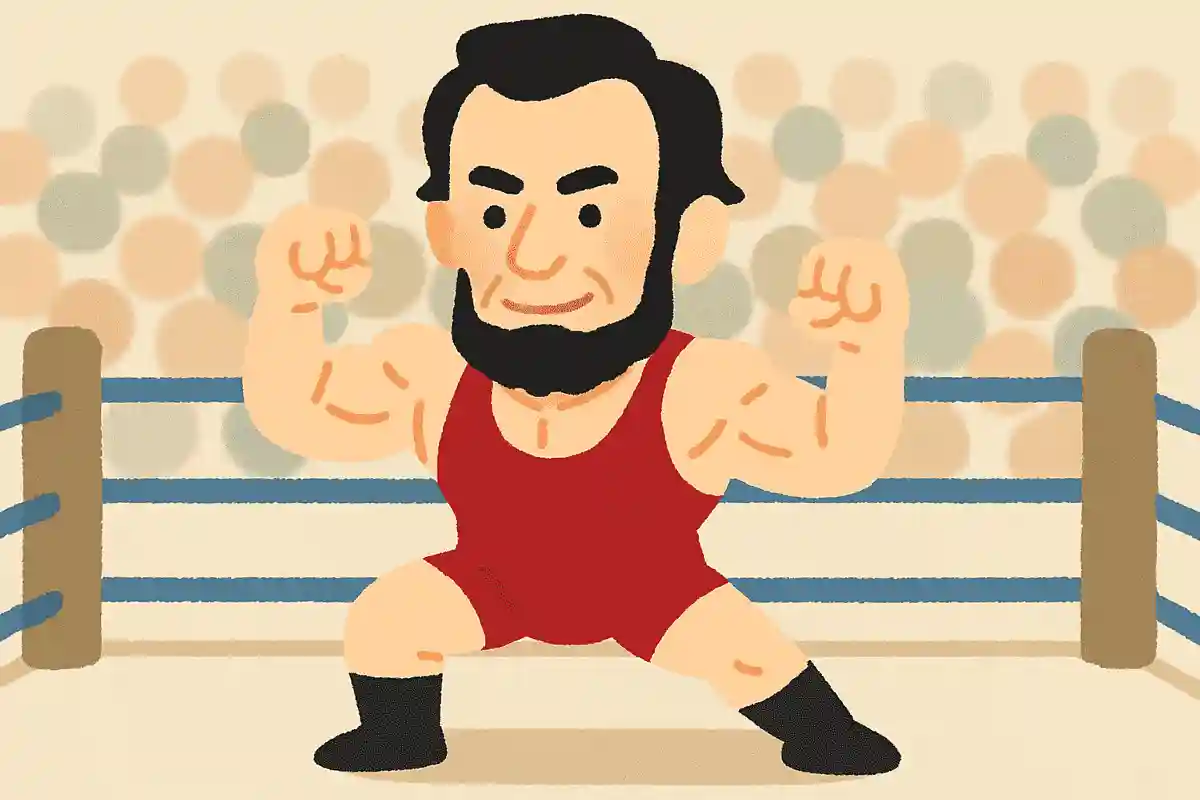
Former President Abraham Lincoln is known for his towering height of 193 cm (6’4″), but he also reportedly had a background as a wrestler.
At the age of 21, he became the county champion and is said to have lost only once in 300 matches.
Incidentally, several U.S.
presidents wrestled, including George Washington and Theodore Roosevelt.
Perhaps being president required physical stamina.

Tokugawa Ieyasu was a health fanatic.
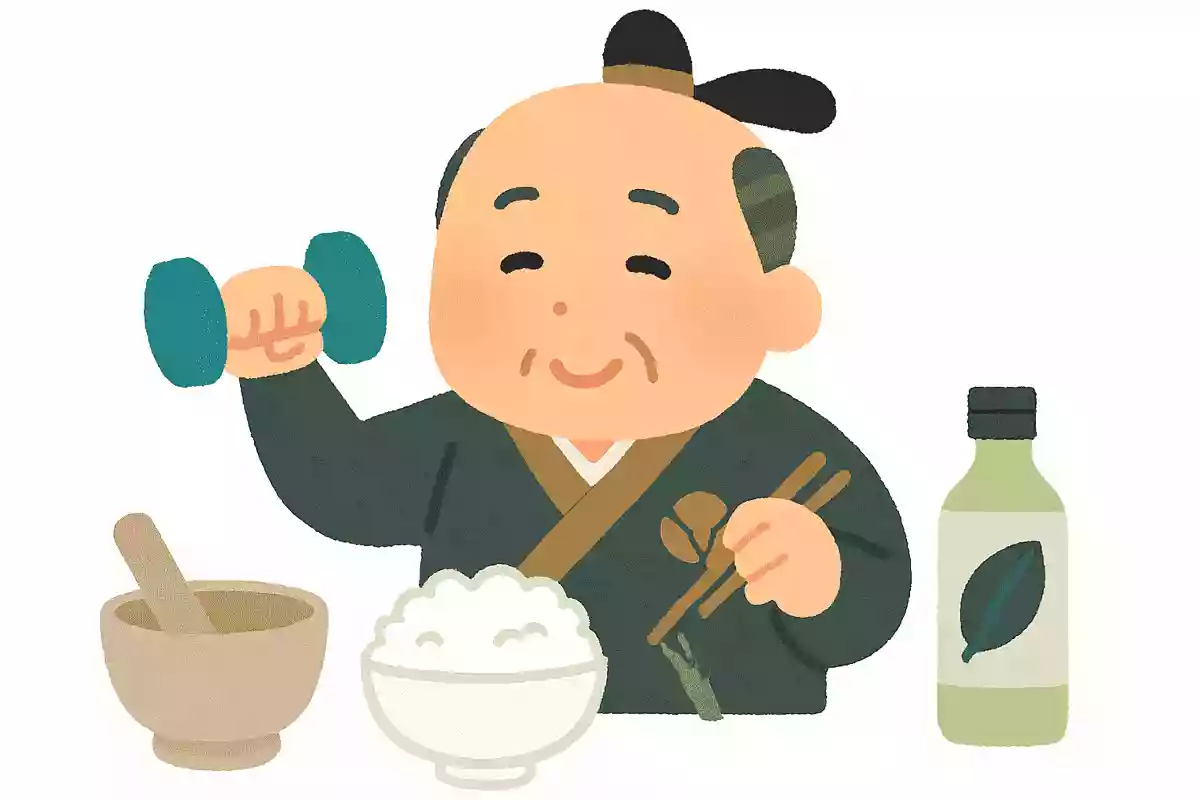
Tokugawa Ieyasu, famous for founding the Edo shogunate, was in fact known as one of the Sengoku period’s foremost health enthusiasts.
While the average life expectancy at the time was around 30 to 40 years, Ieyasu lived to the remarkable age of 75.
His secret was rigorous health management.
It is said that he ate mainly barley rice and vegetables, avoided animal fats and extravagant dishes, and practiced moderation in meals.
He was also well-versed in medicinal herbs and traditional Chinese medicine, to the point of personally taking part in concoctions.
Not only did he seize control of the realm, but he also calmly managed his own body—truly a master of health management in the Sengoku era.
In 17th-century Turkey, drinking coffee was punishable by death.
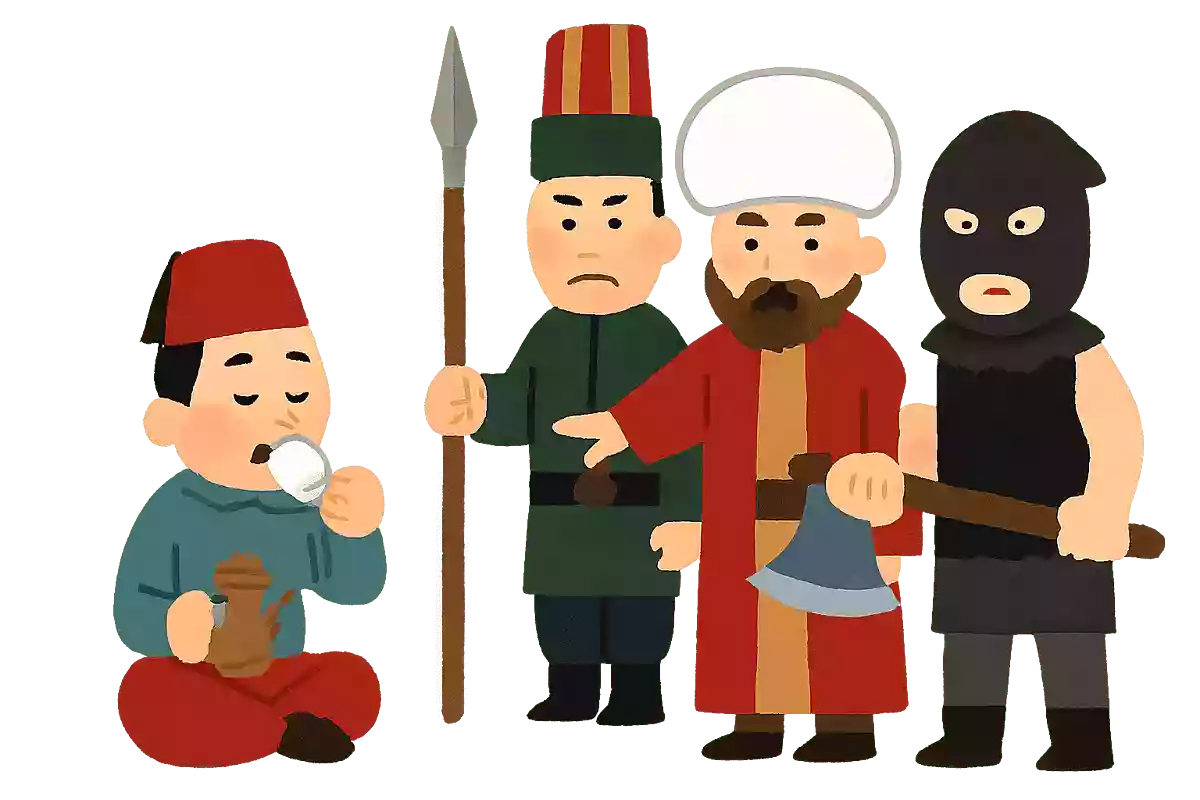
In 17th-century Turkey, drinking coffee in public was strictly prohibited, and violators could face severe punishments, including the death penalty.
Murad IV, the ruler when Turkey was still known as the Ottoman Empire, disliked coffee and reportedly set examples by destroying coffeehouses; he is said to have imposed extreme penalties such as forty lashes for drinking one cup and having offenders sewn into a sack and thrown into the sea for drinking two.
People continued to drink coffee in secret and even opened cafés, making enforcement extremely difficult, and over time the ban on coffee was gradually relaxed.
Today, Turkish coffee is inscribed on UNESCO’s Intangible Cultural Heritage list and is an important part of Turkey’s culture.
