

Not taught in school! A roundup of historical trivia and fun facts


History that everyone studied in school.
Some people aren’t good at it, while others feel a sense of romance in a worldview completely different from today’s.
Most of what we learn in school focuses on major historical events, and it’s common not to touch on the small episodes around them.
So in this article, we’ll introduce trivia and fun facts about history that you wouldn’t cover in class.
We’ve focused on the surprising anecdotes of great figures and incidents that happened behind historical events—the interesting side of history you can’t learn in lessons.
Whether you love history or not, be sure to check it out!
- How many can you solve? Fascinating history trivia quizzes that spark intellectual curiosity
- Didn't want to know?! Fascinating and scary trivia & fun facts
- [Study] Fun to Know! A Collection of World History Trivia Quizzes
- Trivia quiz about schools: a roundup of fun facts you’ll want to brag about
- [History Quiz] General History Questions You Should Know
- Let’s take on the challenge! A multiple-choice history quiz for elementary school students. Review your history lessons.
- Useful right away in daily life! Surprising trivia and handy tips
- Fun to Know! A Collection of Space Trivia [Rec]
- How many can you get right? A tricky 3-choice trivia quiz you'll want to tell someone about
- A quiz of fun trivia: bite-sized knowledge that leads to new insights.
- Fun facts you’ll want to share! January trivia and tidbits special
- Trivia quiz with useful tips to know: fun facts that come in handy at school or at home [for kids]
- Trivia you think you know but surprisingly don’t? August trivia and fun facts quiz!
You won’t learn this in school! A roundup of historical trivia and fun facts (21–30)
Yoshida Kenkō once ghostwrote a love letter.
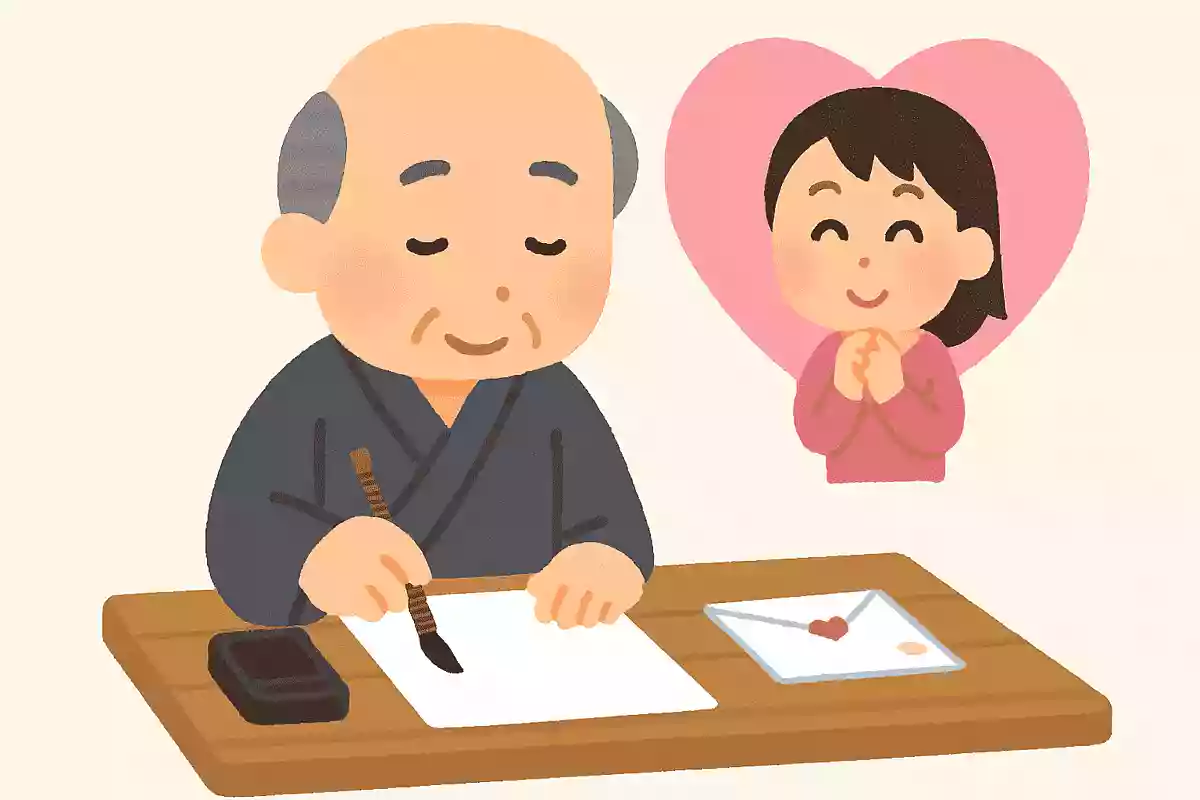
Do you know Yoshida Kenkō, the poet active from the Kamakura to the Nanbokuchō period? He’s also known by the name Urabe no Kenkō and, of course, as the author of Essays in Idleness.
It’s said that he was often asked by those around him to ghostwrite love letters, what we’d call love letters today.
Apparently, even the high official Kō no Moronao once requested his services, but the romance failed, and Yoshida Kenkō was unfairly scolded for it.
It makes you wonder what kind of love letters a literary master of his caliber composed, doesn’t it?

The first Japanese person to buy Louis Vuitton was Goto Shojiro.
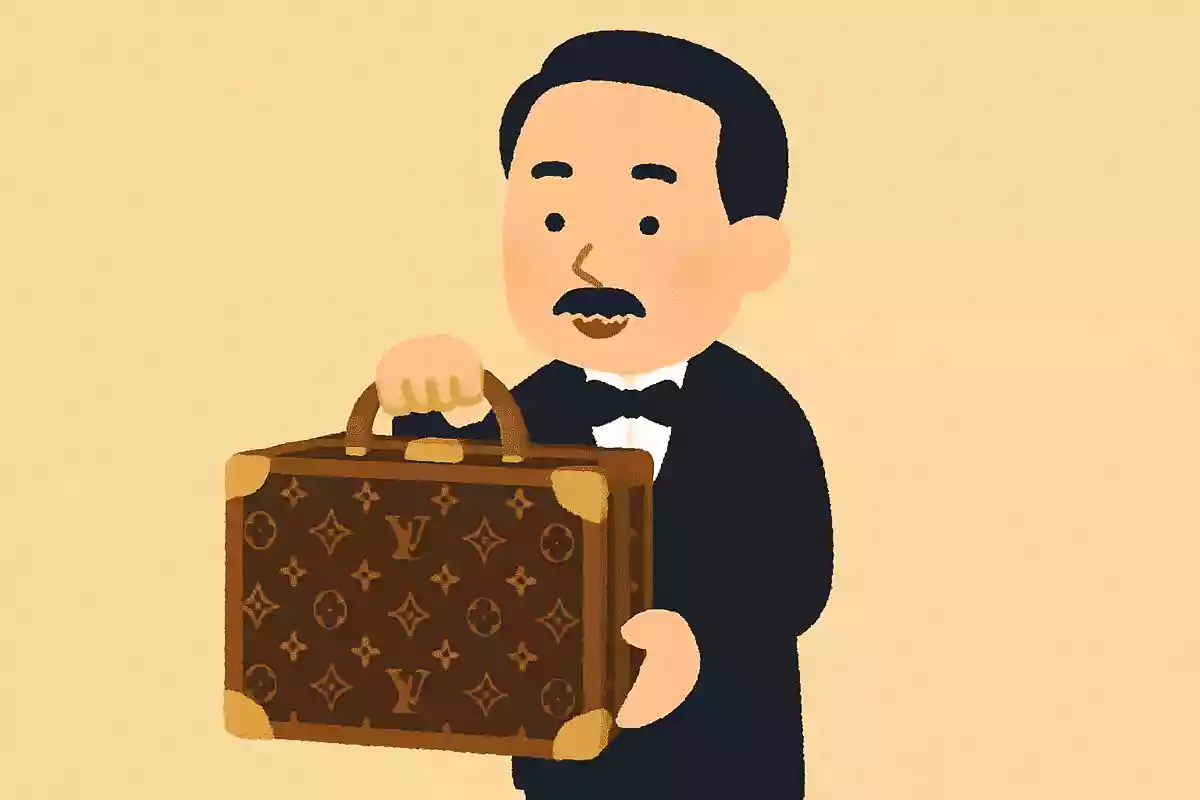
As a brand that began by making trunks, Louis Vuitton was founded by the suitcase craftsman Louis Vuitton.
Today, everyone recognizes the bags and fashion goods with that iconic canvas pattern, and they’re hugely popular in Japan as well.
So who was the first Japanese person to own a Louis Vuitton product? It was Shojiro Goto, a samurai of the Tosa Domain.
Records show in the customer ledger that he purchased a trunk when he visited France with Taisuke Itagaki in 1883.
It’s astonishing that their customer management was so well organized even back then, isn’t it?

In conclusion
We introduced trivia and fun facts about history. If you realize there are such interesting episodes behind what you learned in school, some of you might be thinking, “Maybe I’ll try studying a bit more history.” Both Japanese and world history are only touched upon in part at school. By digging deeper into each question you have, you’ll discover new—and surprising—truths.