


Fun facts you’ll want to share! A roundup of October trivia and tidbits


October, when the air clears and the night sky grows beautiful.
This season, also known as Kannazuki, is packed with fun events like Halloween, autumn harvest outings, and sports festivals.
So, how much trivia about October do you know? The reasons October is called Kannazuki, tidbits about Halloween and the season of hearty appetites, and the various commemorative days in October—this article will introduce the deep and fascinating trivia of the month.
How about peeking into a slightly intellectual world of trivia as a companion to your long autumn nights?
You’ll want to tell someone! A roundup of October trivia and fun facts (1–10)
October 2 is Tofu Day: trivia about tofu

Tofu, a soy-based food indispensable to our meals.
October 2 is known as Tofu Day.
The reason is simple: in Japanese wordplay, 10 (tō) and 2 (fu) make “tōfu.” Here’s a question related to Tofu Day: Which prefecture produces the most tofu in Japan? The answer is Hokkaido.
Tofu is made from soybeans, and although most soybeans are imported from overseas, Hokkaido can produce soybeans stably, so there are many tofu manufacturers there.
On Tofu Day, be sure to try tofu from Hokkaido.

The orange color of Halloween represents the harvest.
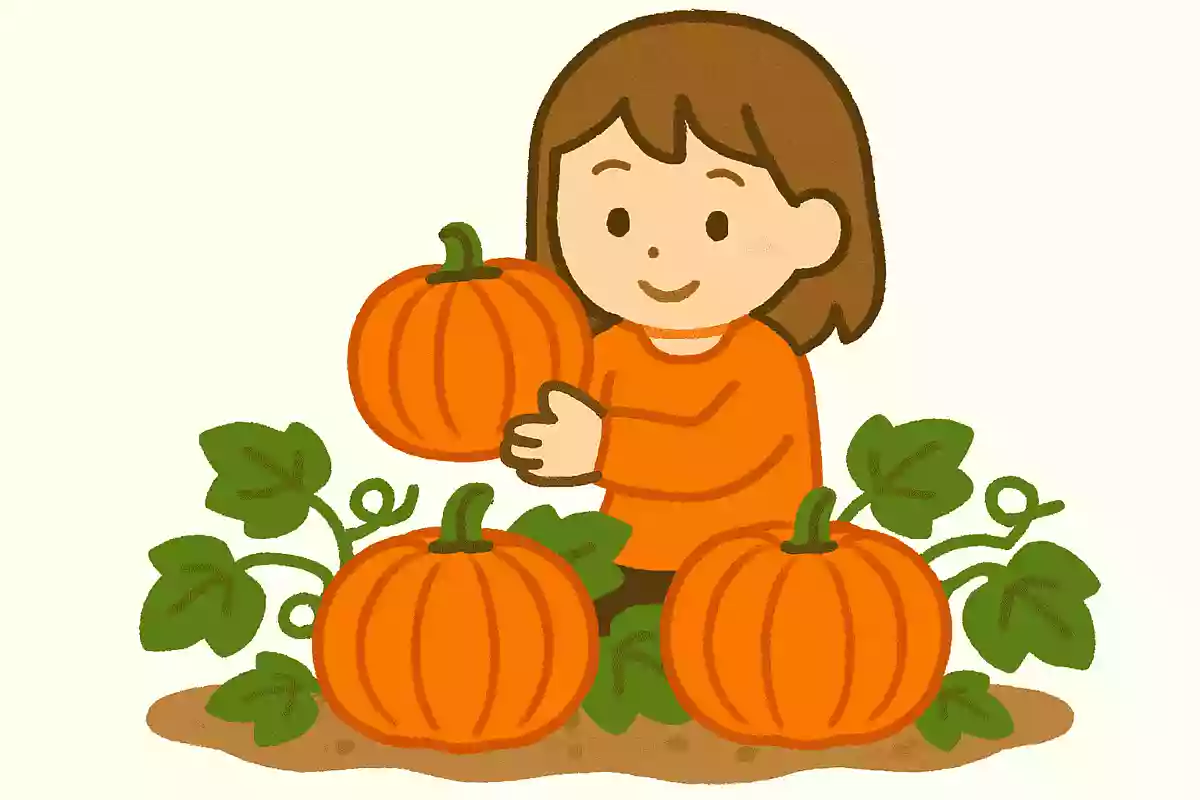
When it comes to Halloween’s image colors, orange and black come to mind—and that combination carries a clear meaning.
Orange symbolizes the autumn harvest and abundance, while black represents death, the night, and the boundary with the other world.
Orange conveys the joy of life, and black the stillness of death; placed together, they express the opposing themes of “life and death” and “light and darkness” at the same time.
The iconic use of orange pumpkins also stems from this background, giving them a cultural significance that goes beyond mere decoration.
It’s the kind of trivia you’ll want to share once you know it.

Trivia about matsutake, the premium ingredient that represents autumn in Japan
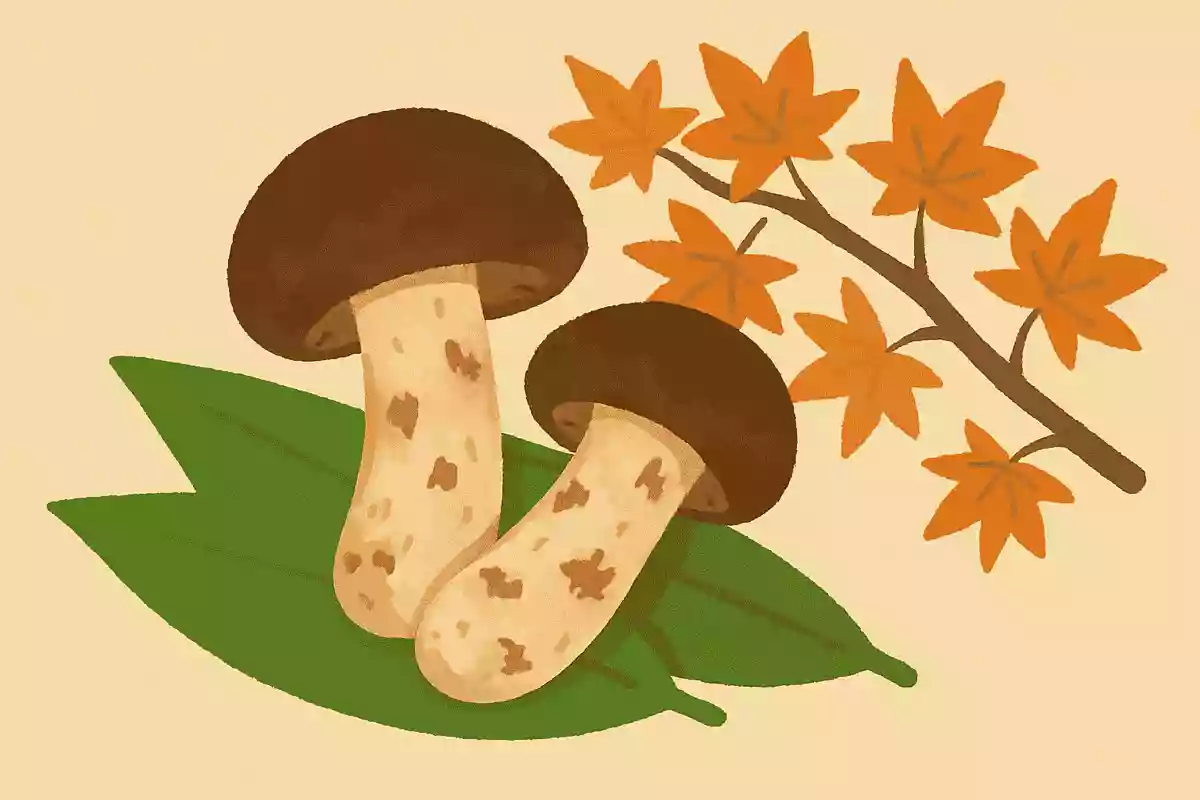
As autumn is known for whetting the appetite, many delicious foods that boost our cravings come into season.
Starting with rice, there are also Pacific saury, sweet potatoes, chestnuts, pears, and grapes, but the true king of autumn flavors is undoubtedly matsutake mushrooms.
As a luxury ingredient, matsutake aren’t something we can easily enjoy every day, and their greatest allure lies in their uniquely sweet aroma.
This fragrance is said to stimulate the appetite and have a calming effect, and in recent years, it has reportedly been found to be potentially effective in helping prevent cancer.
Originally, turnips were used for Halloween instead of pumpkins.
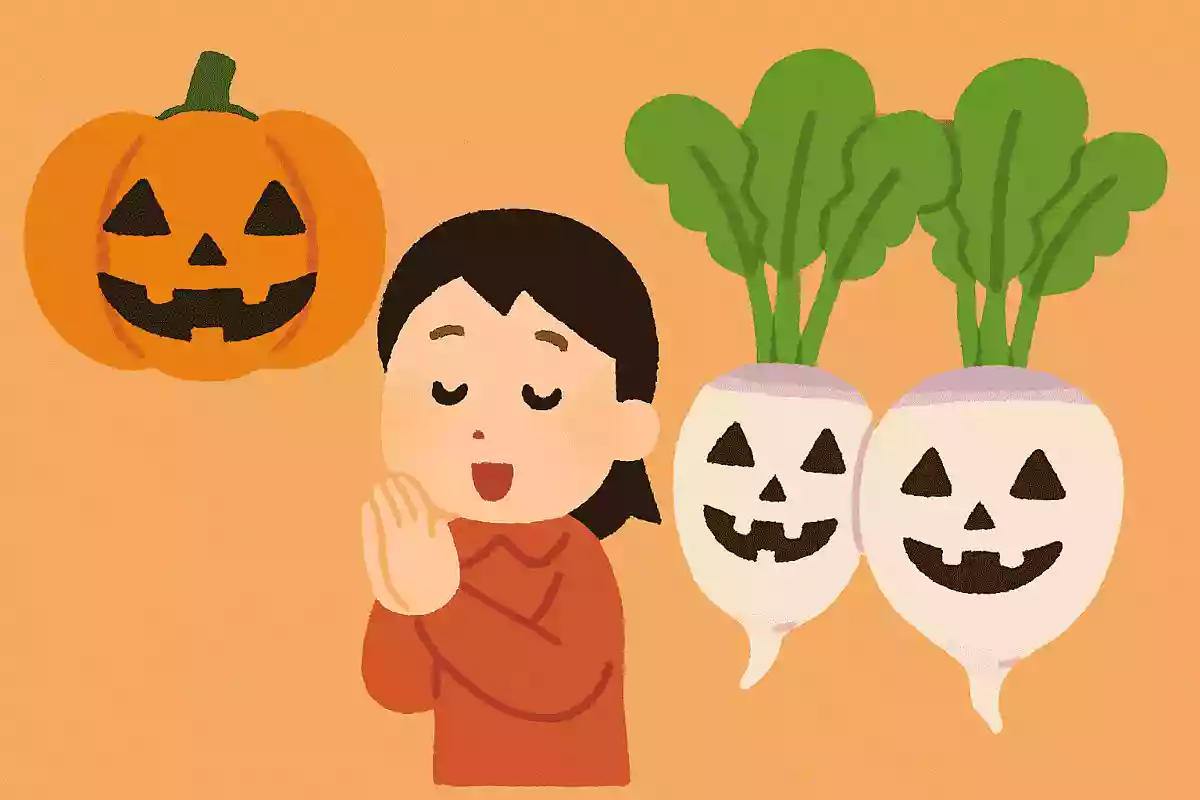
The jack-o’-lantern, made by carving pumpkins, is a familiar sight at Halloween.
Tracing the custom’s origins reveals that turnips were used at first.
In ancient Celtic tradition, harvest festivals were linked with rituals to welcome ancestral spirits, and lanterns made from turnips carved with faces were used to ward off evil spirits.
When the custom reached America, it shifted to pumpkins, which were plentiful, and the modern form took hold.
Learning about the cultural currents behind everyday seasonal symbols deepens our understanding of annual festivities.
It’s a fun bit of trivia you’ll want to share when Halloween rolls around.
The phrase ‘autumn is for reading’ spread after Natsume Sōseki quoted a poem by a Chinese poet.

October is known as the season for reading in autumn.
The saying originates from the Chinese poet Han Yu’s line, “One should befriend the lamplight,” meaning that autumn nights are ideal for enjoying books by lamplight.
In Japan, the phrase spread after Natsume Soseki quoted it in his 1908 novel Sanshiro.
With the comfortable weather, the start of a new school term, and events at libraries and bookstores, autumn is cherished as the perfect season to immerse oneself in stories and knowledge.

Origins and trivia of Halloween

Halloween has now firmly taken root as an event that bridges summer and Christmas.
Denpagumi.inc’s “Eikyuu Zombiina” and Kyary Pamyu Pamyu’s “Crazy Party Night ~Pumpkin no Gyakushuu~” are staple Halloween songs you hear every year.
Halloween corresponds to Obon in Japan—a time to remember and honor one’s ancestors—and refers to the European-origin festival held on November 1, specifically the “All Hallows’ Eve” celebrated the night before.
While costumes and parties tend to be in the spotlight, Halloween originally began as a Western religious observance.
Trivia related to the lunar calendar month “Kannazuki”
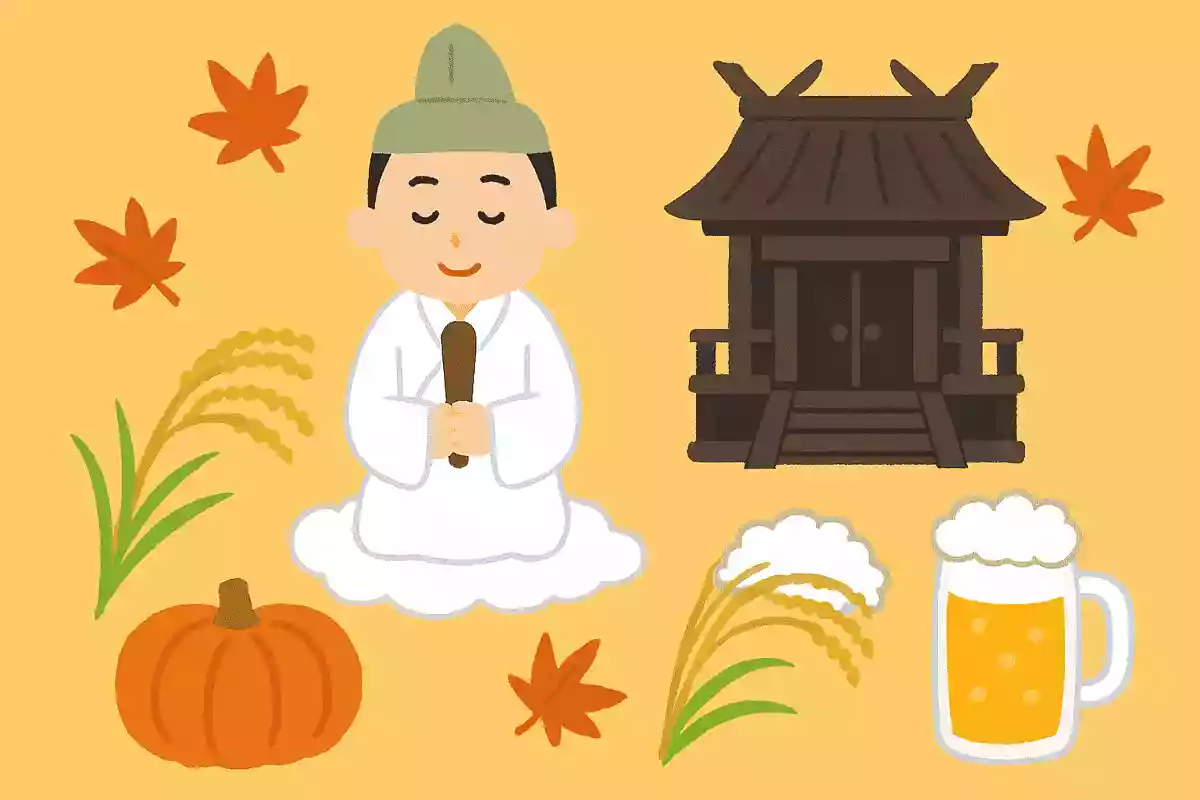
In the old lunar calendar, October is called “Kannazuki,” the Month of No Gods.
This comes from the idea that all the deities across Japan gather in one place, leaving the rest of the country without its gods.
The question, then, is: Where do they gather? The answer is Izumo Taisha.
Because of this, in Shimane Prefecture, where Izumo Taisha is located, October is called “Kamiarizuki,” the Month of the Gods.
As for why the deities gather, there are various theories—some say it’s for matchmaking, others for funerary matters.
There are many other legends about Kannazuki as well, so it can be fun to look them up.
