

Fun facts you’ll want to share! A roundup of October trivia and tidbits


October, when the air clears and the night sky grows beautiful.
This season, also known as Kannazuki, is packed with fun events like Halloween, autumn harvest outings, and sports festivals.
So, how much trivia about October do you know? The reasons October is called Kannazuki, tidbits about Halloween and the season of hearty appetites, and the various commemorative days in October—this article will introduce the deep and fascinating trivia of the month.
How about peeking into a slightly intellectual world of trivia as a companion to your long autumn nights?
- Fun October Trivia Quiz & Facts! Exciting Questions for Kids
- [Great for speeches] Trivia and fun-fact quizzes recommended for morning assemblies
- A psychological test to reveal your fortune in October | A curated selection of autumn-themed quizzes!
- Didn't want to know?! Fascinating and scary trivia & fun facts
- [For Kids] November Trivia Quiz & Fun Facts: Let’s Learn While Having Fun!
- [For Seniors] Fun Brain Training! Quizzes Recommended for October
- Fun facts you’ll want to share! A special feature on November trivia and tidbits
- [Interesting] Compilation of Trivia Quiz Questions
- September Trivia Quiz & Fun Facts! A Fun Autumn Quiz for Kids
- Trivia quiz about schools: a roundup of fun facts you’ll want to brag about
- [For Seniors] Laugh-Out-Loud, Crowd-Pleasing! Fun Quiz
- So interesting you’ll want to tell someone! December Trivia & Fun Facts Special
- Trivia quiz with useful tips to know: fun facts that come in handy at school or at home [for kids]
Fun facts you’ll want to share! October trivia and tidbits (21–30)
The difference between momiji and kaede

In Japan, trees and leaves that change color in autumn are collectively called “momiji.” The custom of appreciating trees that have turned orange—such as “sakura momiji” (cherry leaves in autumn colors) or “kaki momiji” (persimmon leaves in autumn colors)—is truly elegant.
Botanically, both momiji and kaede are names for broadleaf trees of the genus Acer in the soapberry family.
In English-speaking countries, all plants of the genus Acer are simply called “maples,” so this is a charming example of the Japanese subtlety in distinguishing and savoring momiji and kaede.
Some people also use the terms based on leaf shape, calling deeply lobed leaves momiji and shallowly lobed ones kaede.
How did you make the distinction?
Food poisoning is most common in October.

Autumn is the season for outings.
A homemade bento for a quick picnic in the suburbs is absolutely delicious.
However, many cases of food poisoning are caused by these packed lunches.
Be sure to prevent moisture and keep them cool by using ice packs or carrying them in an insulated bag.
There are also quite a few cases of poisoning from autumn delicacies like fugu and mushrooms.
When eating these, always rely on specialty shops or consult an expert.
Anisakis, a parasite, is also something you hear about often these days—please be especially careful when preparing raw fish!
Tourmaline, the birthstone for October, is also called the “electric stone.”

Known as the birthstone for October, tourmaline is often called the “rainbow gemstone” for its wide range of colors, but it has another name as well: “electric stone.” This is because it becomes electrically charged when heated or rubbed.
In the past, its curious tendency to attract ash made it a prized and mysterious stone.
Even today, its properties are the subject of research, and it remains popular as a power stone.
Its appeal lies not just in its decorative beauty but in the combination of scientific characteristics and historical background—trivia that, once learned, you’ll want to share with others.

The TV broadcast of Soreike! Anpanman began on October 3, 1988.

The nationally beloved anime “Soreike! Anpanman” began airing on television on October 13, 1988.
Takashi Yanase’s warm style and his philosophy that “justice is not necessarily strength, but the kindness of sharing” struck a chord, and the show quickly grew into a classic long-running series.
Today it is loved by many generations and has expanded widely into character merchandise, films, museums, and more.
Knowing the exact date it began helps one appreciate why it has been cherished for so long—an interesting bit of trivia that makes perfect sense.
At Ise Grand Shrine, the Kannamesai (Sacred Harvest Festival) is held every year on October 17.
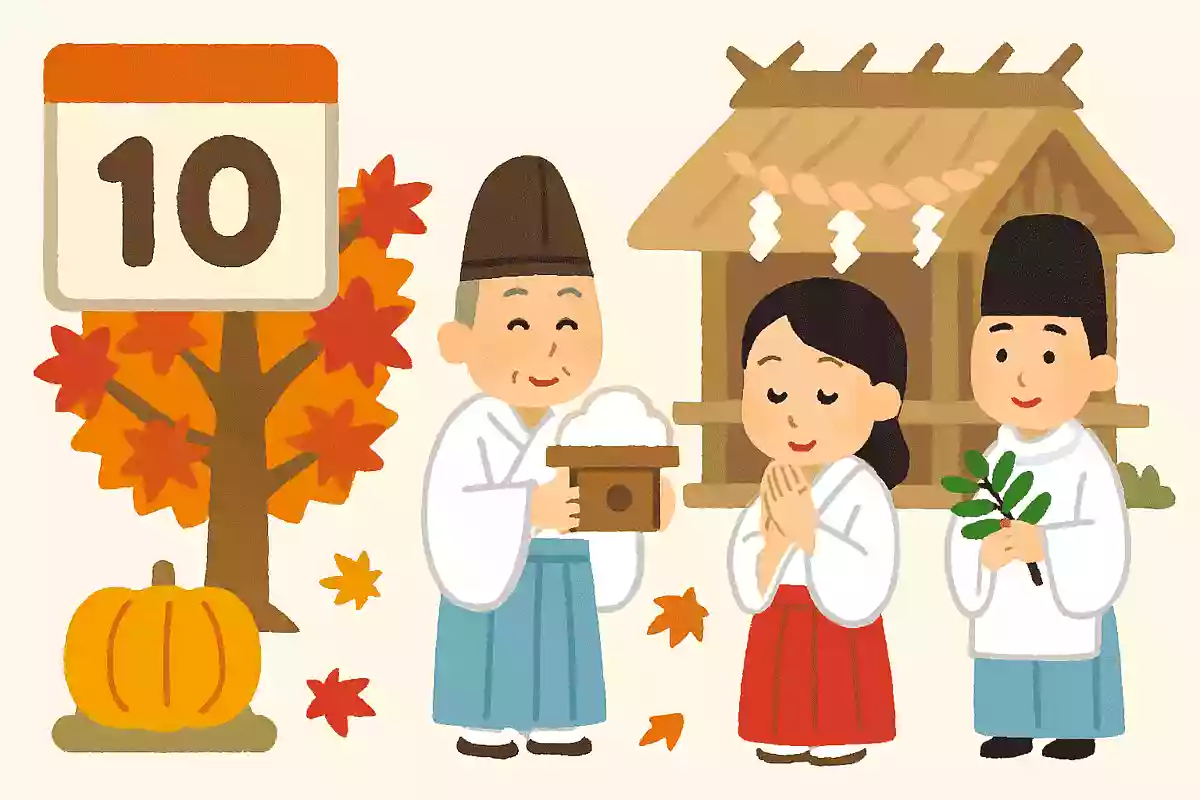
The Kannamesai, held at Ise Grand Shrine every year on October 17, is an important Shinto ritual in which newly harvested rice from that year is offered to Amaterasu Omikami.
It is among the most prestigious ceremonies in Japanese ritual practice, and imperial envoys are dispatched from the Imperial Household.
Embodying gratitude for the fruits of autumn, the tradition of praying for a bountiful harvest of the five grains has continued since ancient times.
Although attendance by the general public is limited, related events are held throughout Ise City to coincide with the day, and the entire town is enveloped in a solemn atmosphere.
It strongly conveys Shinto’s reverence for and gratitude toward nature, making it a piece of cultural knowledge that offers deep insight into Japanese culture.
October 13 every year is the International Day for Disaster Risk Reduction.

October 13 is designated as the International Day for Disaster Risk Reduction, established to raise awareness about preparedness and reducing damage from disasters.
It was proclaimed by the UN General Assembly in 1989, and awareness-raising activities on disaster prevention are conducted around the world.
Japan experiences many natural disasters such as earthquakes and typhoons, making disaster preparedness particularly important.
On this day, schools and local governments may hold evacuation drills and awareness events, providing an opportunity to review everyday preparedness.
While disasters cannot be completely avoided, this bit of knowledge reminds us that proactive measures can significantly reduce their impact.
The Great Square of Autumn is formed by connecting three stars of Pegasus and one star of Andromeda.
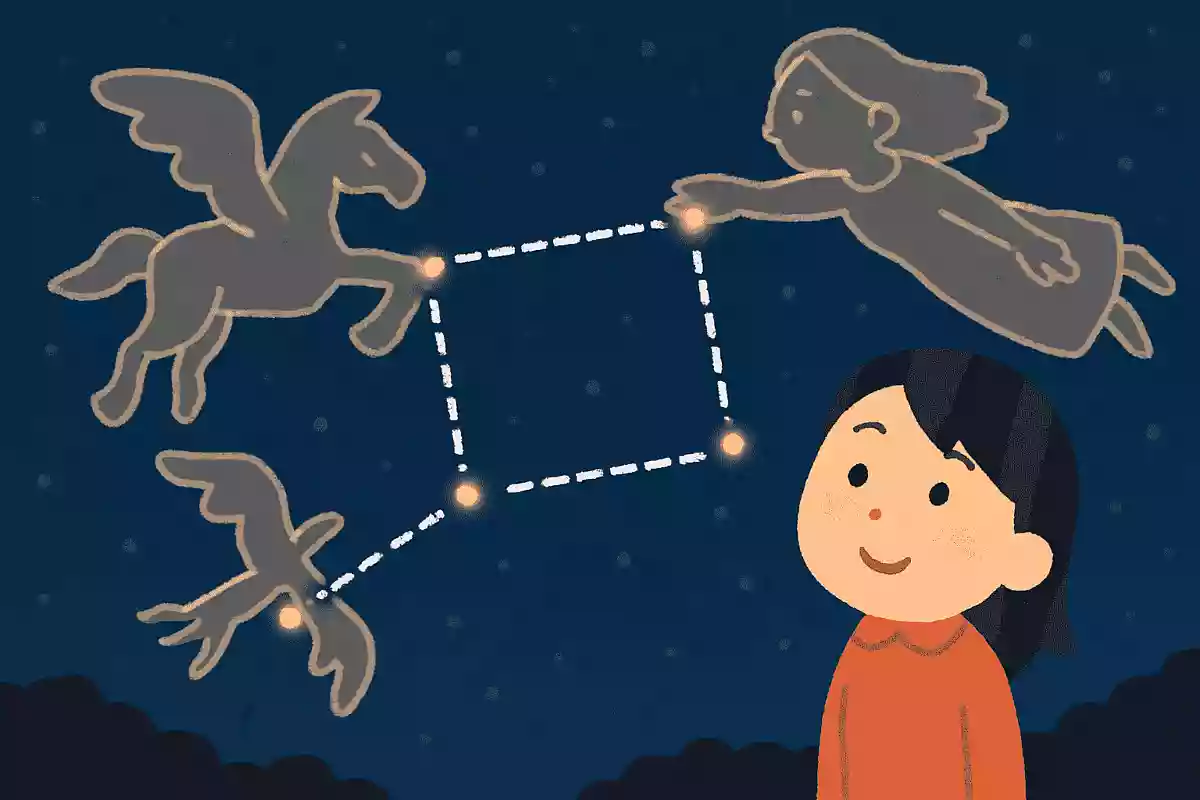
When you look up at the autumn night sky, you’ll notice stars forming a large quadrilateral.
This is the “Great Square of Autumn,” an asterism made by connecting three stars from Pegasus and one from Andromeda.
Its shape stands out clearly against the night sky, making it well known as an entry point for stargazing.
From here, you can trace the direction to the Andromeda Galaxy, which often sparks interest in the universe.
True to its simple name, the shape is straightforward, but considering the history of the stars and their connection to galaxies gives it surprising depth.
It’s a bit of trivia that can change how you view the night sky.