

Fun facts you’ll want to share! A roundup of October trivia and tidbits


October, when the air clears and the night sky grows beautiful.
This season, also known as Kannazuki, is packed with fun events like Halloween, autumn harvest outings, and sports festivals.
So, how much trivia about October do you know? The reasons October is called Kannazuki, tidbits about Halloween and the season of hearty appetites, and the various commemorative days in October—this article will introduce the deep and fascinating trivia of the month.
How about peeking into a slightly intellectual world of trivia as a companion to your long autumn nights?
- Fun October Trivia Quiz & Facts! Exciting Questions for Kids
- [Great for speeches] Trivia and fun-fact quizzes recommended for morning assemblies
- A psychological test to reveal your fortune in October | A curated selection of autumn-themed quizzes!
- Didn't want to know?! Fascinating and scary trivia & fun facts
- [For Kids] November Trivia Quiz & Fun Facts: Let’s Learn While Having Fun!
- [For Seniors] Fun Brain Training! Quizzes Recommended for October
- Fun facts you’ll want to share! A special feature on November trivia and tidbits
- [Interesting] Compilation of Trivia Quiz Questions
- September Trivia Quiz & Fun Facts! A Fun Autumn Quiz for Kids
- Trivia quiz about schools: a roundup of fun facts you’ll want to brag about
- [For Seniors] Laugh-Out-Loud, Crowd-Pleasing! Fun Quiz
- So interesting you’ll want to tell someone! December Trivia & Fun Facts Special
- Trivia quiz with useful tips to know: fun facts that come in handy at school or at home [for kids]
Fun facts you’ll want to share! October trivia and tidbits (11–20)
Trivia related to “Sports Day,” which falls on the second Monday of October every year

The second Monday in October is designated as Sports Day, right? Do you know why it’s set on the second Monday of October? The answer is because the Tokyo Olympics were held on October 10, 1964.
By the way, when it was first established, it was called “Health and Sports Day” (Taiiku no Hi), but it was later changed to “Sports Day” through a legal revision.
In fact, Sports Day is also the first national holiday whose name includes an English word.
If you’re curious, try thinking of other holidays as well.

The third Sunday of October is “Grandchildren’s Day.”
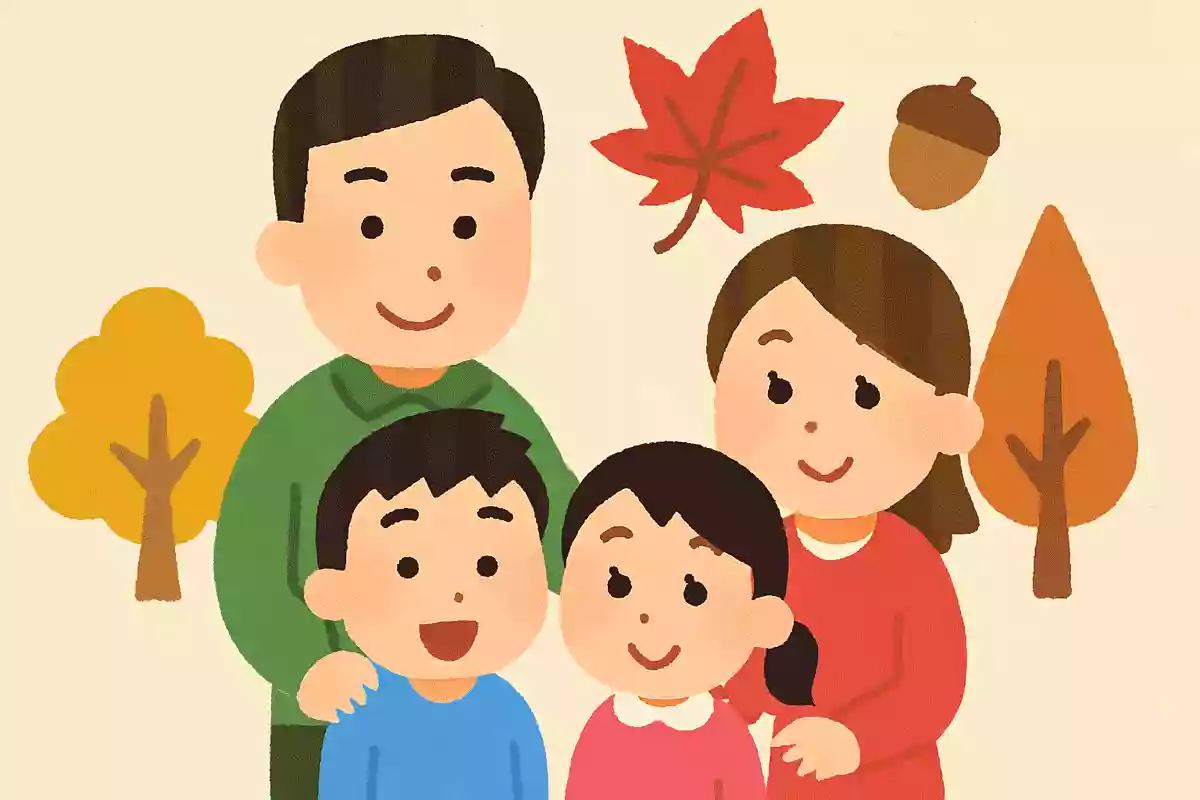
Do you know what the third Sunday of October is? It’s actually “Grandchildren’s Day.” This commemorative day was established by the Japan Department Stores Association as a day for grandparents to connect with their grandchildren.
Many grandparents choose to give gifts to their grandchildren on this day.
Why not take this opportunity to give a gift and strengthen your bond with your grandchild?
Trivia about mushrooms

People often say, “Matsutake for aroma, shimeji for flavor.” Mushrooms are indispensable for hot pots and sukiyaki, and matsutake are so special they can headline a dish all by themselves.
Here are a few mushroom tidbits.
First, mushrooms don’t reproduce from seeds but from spores—you probably learned that in middle school.
Hyphae grow from spores, and when several come together, they form the primordium of a mushroom.
A cautionary note: Japan has more than 200 species of poisonous mushrooms.
Many poisoning cases involve people mistakenly eating tsukiyotake, which resembles shiitake.
If you plan to eat mushrooms you’ve foraged, be sure to have them identified by an expert.
The first athletic meet in Japan was held during the Meiji era.
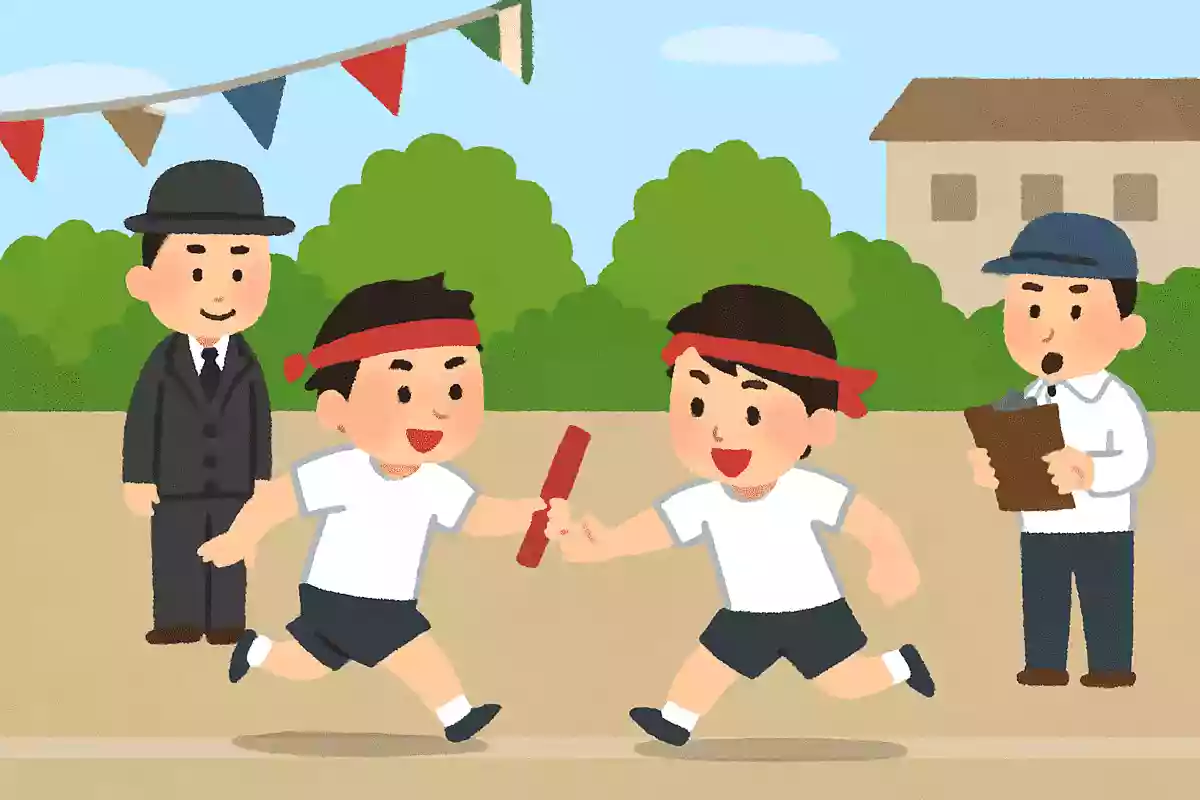
The first athletic meet in Japan was held in 1874 (Meiji 7) at the Naval Academy in Tokyo.
It originally began with the adoption of Western military drills and competitions, and eventually spread into the realm of school education.
At the time, the purpose of these events was to improve physical fitness and foster a sense of unity, and events familiar to us today—such as footraces and tug-of-war—were already being held.
It’s interesting that an event that spread alongside modernization has now become a major affair involving communities and families.
Knowing the history gives this bit of trivia a fresh appeal.

October 27 to November 9 is ‘Reading Week’.

The phrase “autumn is for reading” has become well established in Japan, and the period that symbolizes it is Reading Week, held from October 27 to November 9.
It began in 1947, shortly after the war, and was instituted to promote knowledge and culture through books.
During this time, a variety of events are held at schools, libraries, and bookstores, offering opportunities for even those who don’t usually pick up books to become more familiar with them.
Knowing that such initiatives helped spread the custom of leisurely enjoying books on long autumn nights deepens our understanding.
A bit of trivia to make autumn reading even more enjoyable.
The solar term that falls around October 8 is ‘Cold Dew’ (Kanro).

When October arrives, unlike September when we could still feel the heat, the number of days that feel chilly increases.
One of the 24 seasonal divisions that falls around the 8th of October is Kanro, or “Cold Dew.” Around this time, the nights grow longer, cold dew forms on plants in the early morning, and the temperature swings become more pronounced.
As the air grows ever clearer, the moon looks especially beautiful—so be sure to look up at the night sky.

Fun facts you’ll want to share! October trivia and tidbits (21–30)
Trivia about ginkgo, known as a ‘living fossil’

Speaking of ginkgo trees, the ginkgo-lined avenues at the University of Tokyo and Hokkaido University, the Thousand Ginkgos of Tarumizu in Kagoshima, and the ginkgos at Azuma Sports Park in Fukushima are famous.
Darwin even called the ginkgo a “living fossil,” and there are scholars around the world who study it.
They say that ginkgos also flourished in the Jurassic period when dinosaurs thrived, and that among plants that have survived from that time to the present, only the ginkgo lineage remains.
It’s a remarkably resilient plant.
It’s believed to have been introduced to Japan sometime between the Heian and Muromachi periods.
Basho’s haiku ‘Gingko leaves underfoot—quietly the child descends the mountain’ is well known, so be sure to recite it in front of everyone.