

Fun facts you’ll want to share! A roundup of October trivia and tidbits


October, when the air clears and the night sky grows beautiful.
This season, also known as Kannazuki, is packed with fun events like Halloween, autumn harvest outings, and sports festivals.
So, how much trivia about October do you know? The reasons October is called Kannazuki, tidbits about Halloween and the season of hearty appetites, and the various commemorative days in October—this article will introduce the deep and fascinating trivia of the month.
How about peeking into a slightly intellectual world of trivia as a companion to your long autumn nights?
- Fun October Trivia Quiz & Facts! Exciting Questions for Kids
- [Great for speeches] Trivia and fun-fact quizzes recommended for morning assemblies
- A psychological test to reveal your fortune in October | A curated selection of autumn-themed quizzes!
- Didn't want to know?! Fascinating and scary trivia & fun facts
- [For Kids] November Trivia Quiz & Fun Facts: Let’s Learn While Having Fun!
- [For Seniors] Fun Brain Training! Quizzes Recommended for October
- Fun facts you’ll want to share! A special feature on November trivia and tidbits
- [Interesting] Compilation of Trivia Quiz Questions
- September Trivia Quiz & Fun Facts! A Fun Autumn Quiz for Kids
- Trivia quiz about schools: a roundup of fun facts you’ll want to brag about
- [For Seniors] Laugh-Out-Loud, Crowd-Pleasing! Fun Quiz
- So interesting you’ll want to tell someone! December Trivia & Fun Facts Special
- Trivia quiz with useful tips to know: fun facts that come in handy at school or at home [for kids]
You’ll want to tell someone! A roundup of October trivia and fun facts (1–10)
The response to “Trick or treat” is “Happy Halloween.”
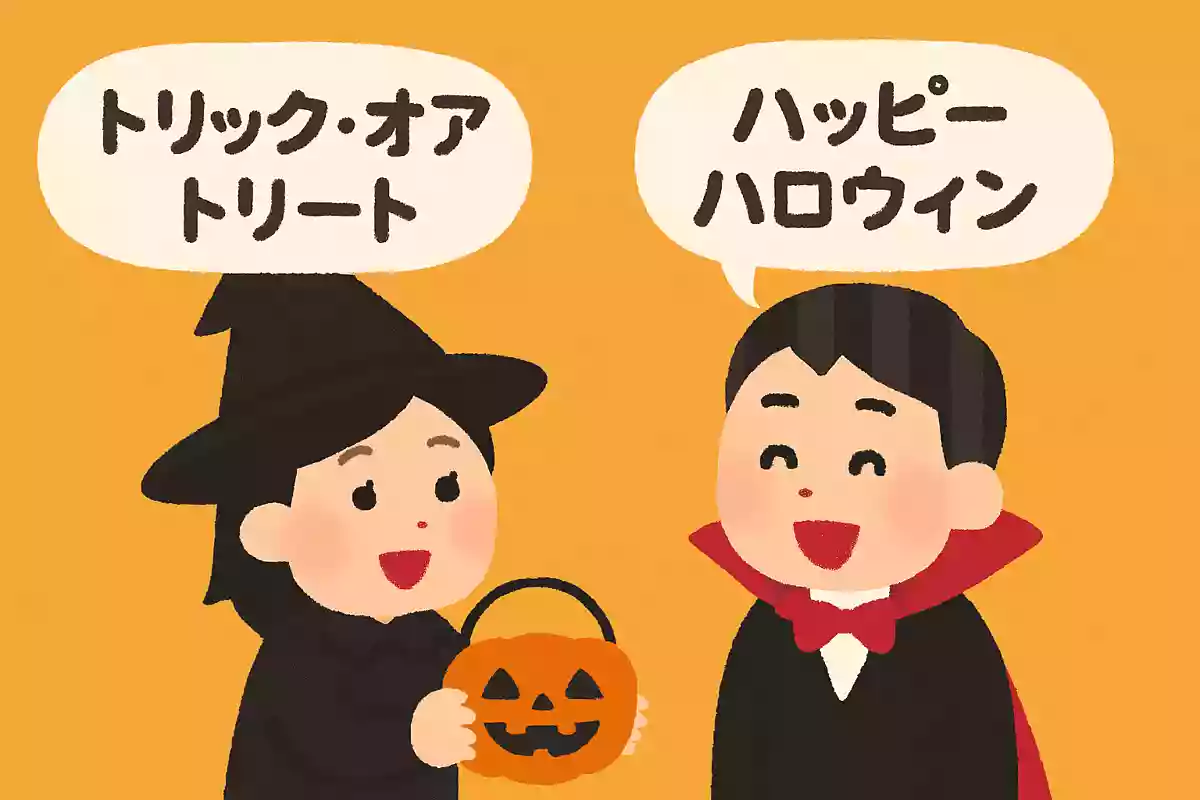
When it comes to Halloween catchphrases, the classic is “Trick or treat,” and the standard reply to this is “Happy Halloween.” In Japanese, “trick or treat” is often explained as a child’s call meaning “Give me candy or I’ll play a prank,” to which adults respond with a smile, “Have a fun Halloween!” This exchange has become ingrained in the culture.
It’s like a signal for people across generations to enjoy the event together.
The act of giving and receiving candy itself symbolizes interaction—trivia that, once you know it, makes the event even more enjoyable.

Trivia about soybeans, which are harvested in October
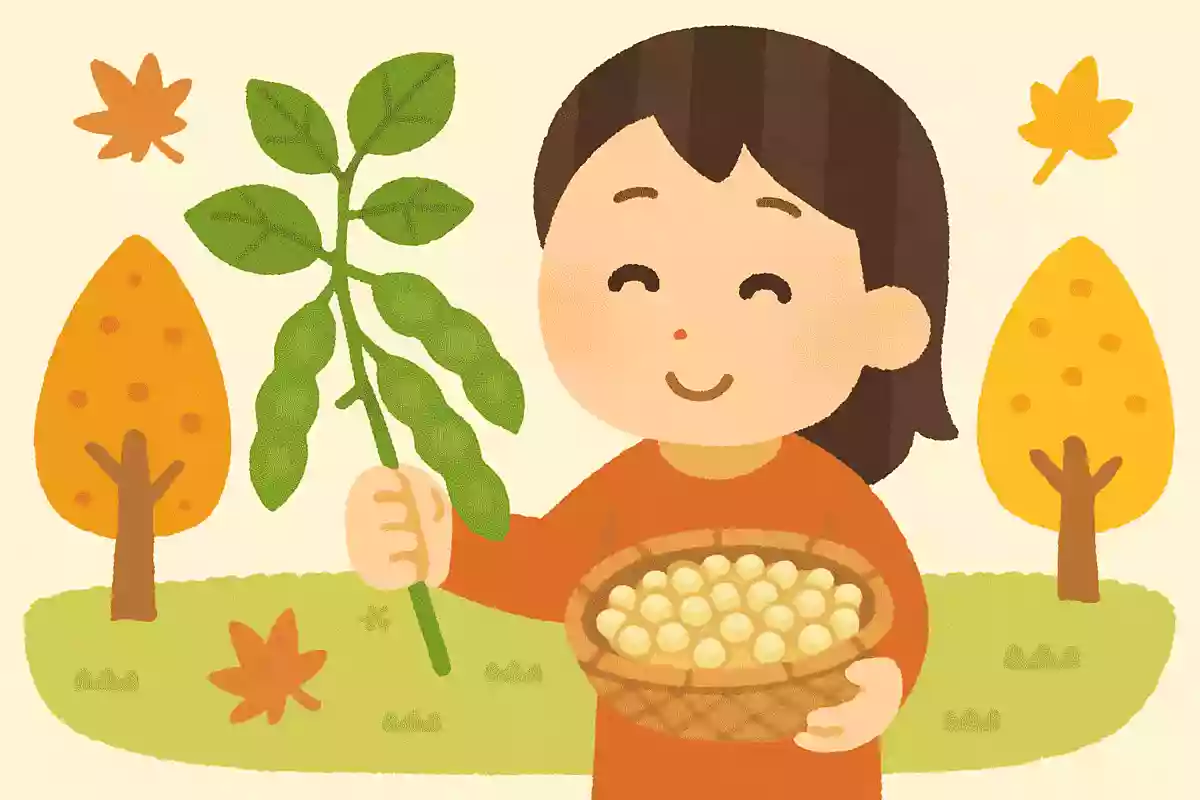
Soybeans enter their harvest season around October.
They’re delicious eaten as they are, but there are also many soybean-based foods that are indispensable to us Japanese, such as tofu, natto, and miso.
Many of you probably eat them regularly.
Here’s a question: Do you know since when people in Japan have been eating soybeans? The answer is the Jomon period.
It’s a bit surprising to think it goes that far back, isn’t it? Analysis of Jomon pottery has revealed that soybeans were being cultivated in Kyushu.

October 26 became Persimmon Day thanks to Masaoka Shiki.
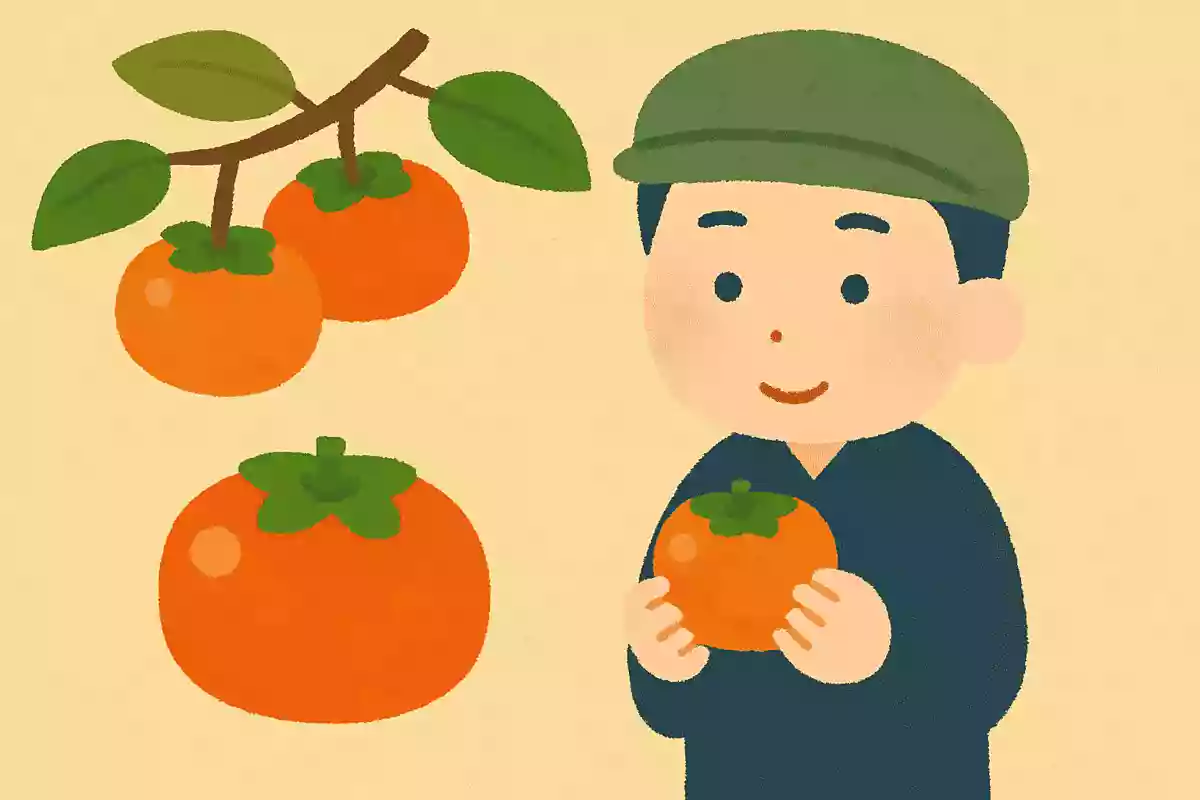
October 26 is designated as Persimmon Day because it originates from a haiku by the poet Masaoka Shiki, written when he visited Nara: “When I eat a persimmon, the bell tolls—Horyu-ji.” This verse is said to have been composed in the autumn of 1895 and is a celebrated poem that links the persimmon—an emblematic fruit of Japanese culture—with the scenery of the ancient capital, Nara.
In Japan, persimmons have long been a quintessential taste of autumn, rich in nutrients and so valued for their health benefits that there’s a saying: “When persimmons turn red, doctors turn pale.” Established against a backdrop where literature and food culture intersect, this commemorative day is a delightful bit of trivia you’ll want to share.
Fun facts you’ll want to share! October trivia and tidbits (11–20)
In Kyoto, the Jidai Matsuri is held every year on October 22.
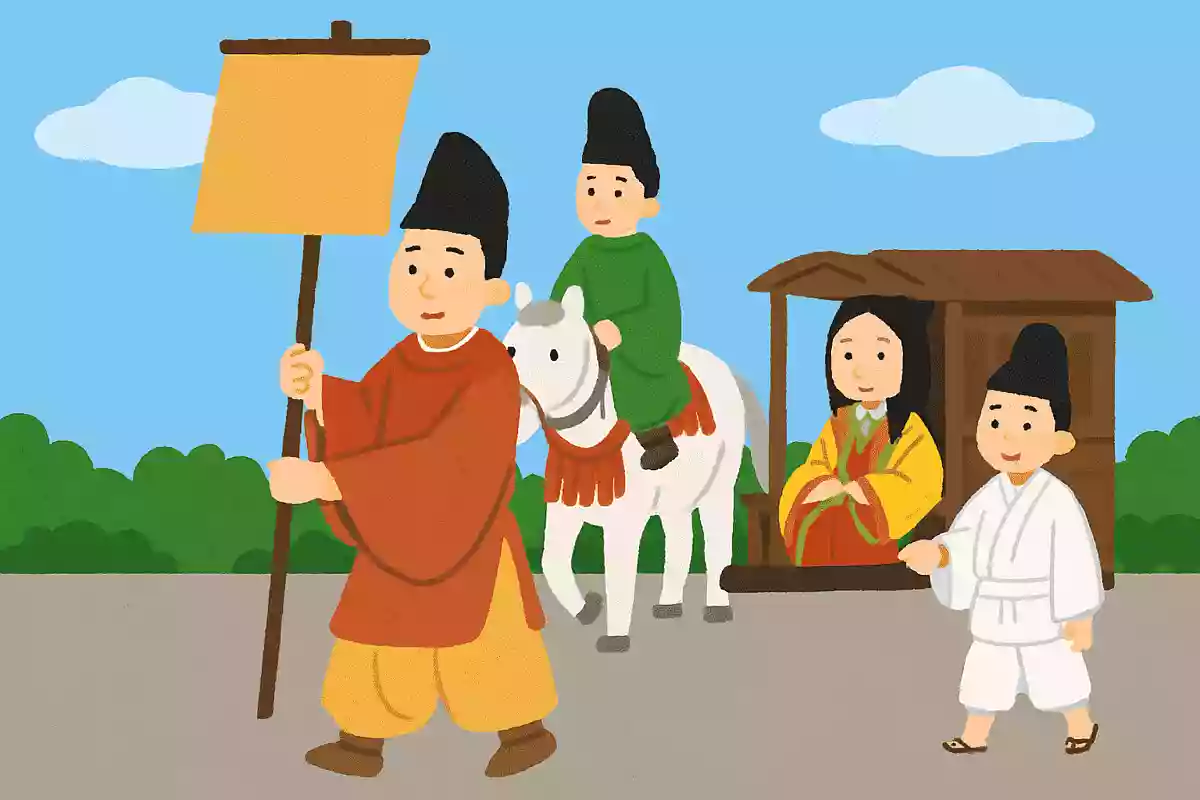
The Jidai Matsuri, which colors Kyoto’s autumn, is a splendid procession held every year on October 22.
It began in 1895 to commemorate the 1,100th anniversary of the transfer of the capital to Heian-kyō and has since been passed down as one of Kyoto’s three major festivals.
The costume parade is arranged to trace history backward—from the Meiji era to Edo, Azuchi-Momoyama, and further to Heian—creating the compelling impression of walking through a living picture scroll.
Thousands of participants don authentic attire and parade through the city, captivating visitors.
It is a rare chance in the modern day to experience the ancient capital’s history and culture all at once, and a delightful piece of trivia you’ll want to share.
We call it ‘autumn, the season of appetite’ because people’s appetites increase in autumn.
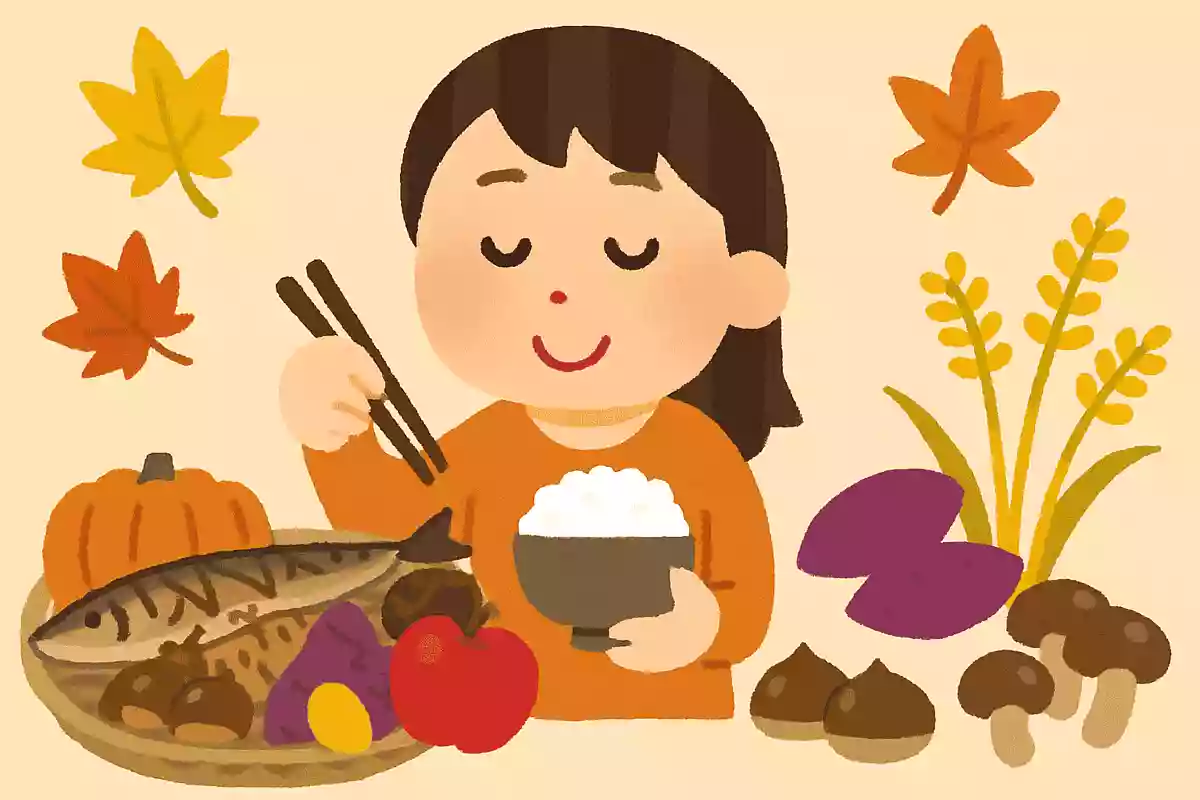
It’s called “autumn, the season of appetite” because people tend to get hungrier in the fall.
It’s said that reasons include appetite returning after being suppressed by the summer heat, an increase in basal metabolism to maintain body temperature as it gets colder, and a decrease in serotonin due to shorter daylight hours.
On top of that, a wide variety of delicious seasonal foods are harvested in autumn, which also seems to stimulate the appetite.
Let’s enjoy the many flavors of fall!
Maple leaves begin to change color when the minimum temperature drops below 8°C.
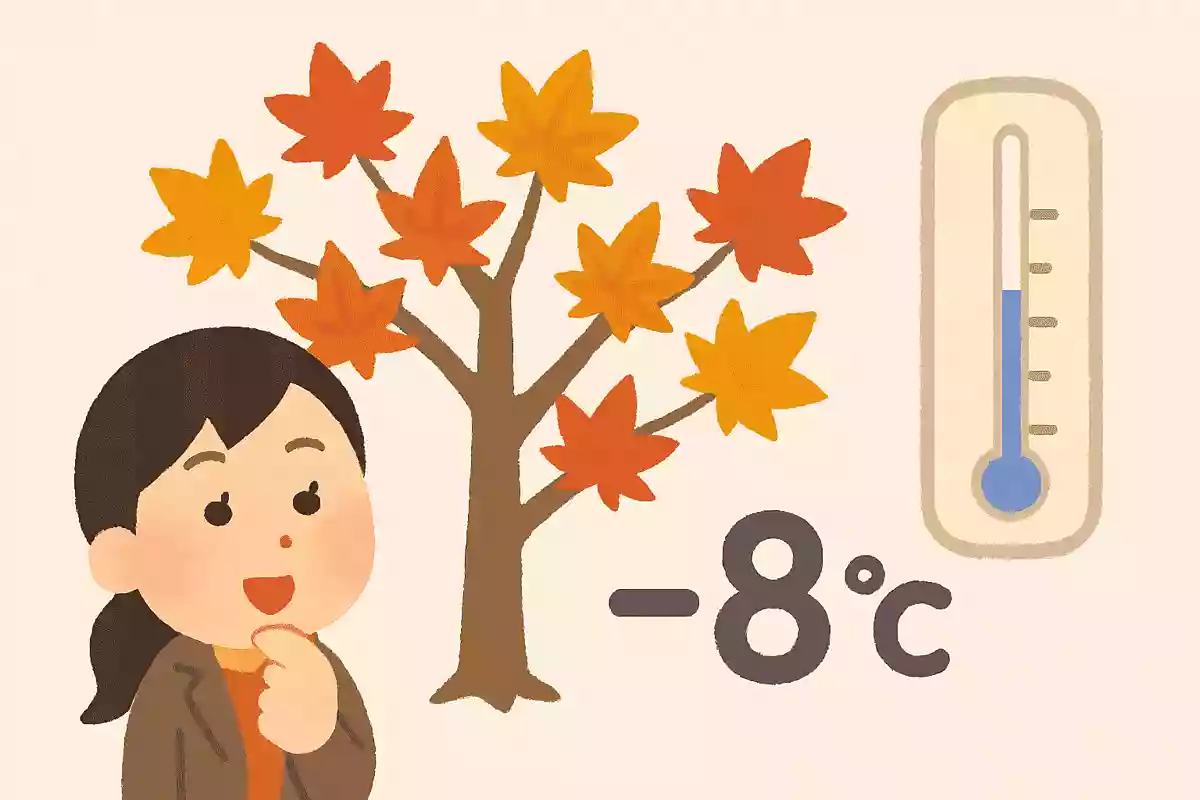
In autumn, the vivid coloring of maple leaves is a hallmark of Japan, but there are scientific conditions behind its timing.
When the minimum temperature drops below 8°C, photosynthesis in the leaves weakens and chlorophyll breaks down, making red and yellow pigments more noticeable.
In addition, a large difference between daytime and nighttime temperatures intensifies the colors, and many famous viewing spots are in regions where these conditions align.
Knowing that temperature readings play a role changes how you look at autumn foliage, even though it appears to be mere natural beauty.
It’s a fascinating bit of trivia that lets you feel the changing of the seasons.
Halloween became popular in Japan thanks to the Halloween events at Tokyo Disneyland.
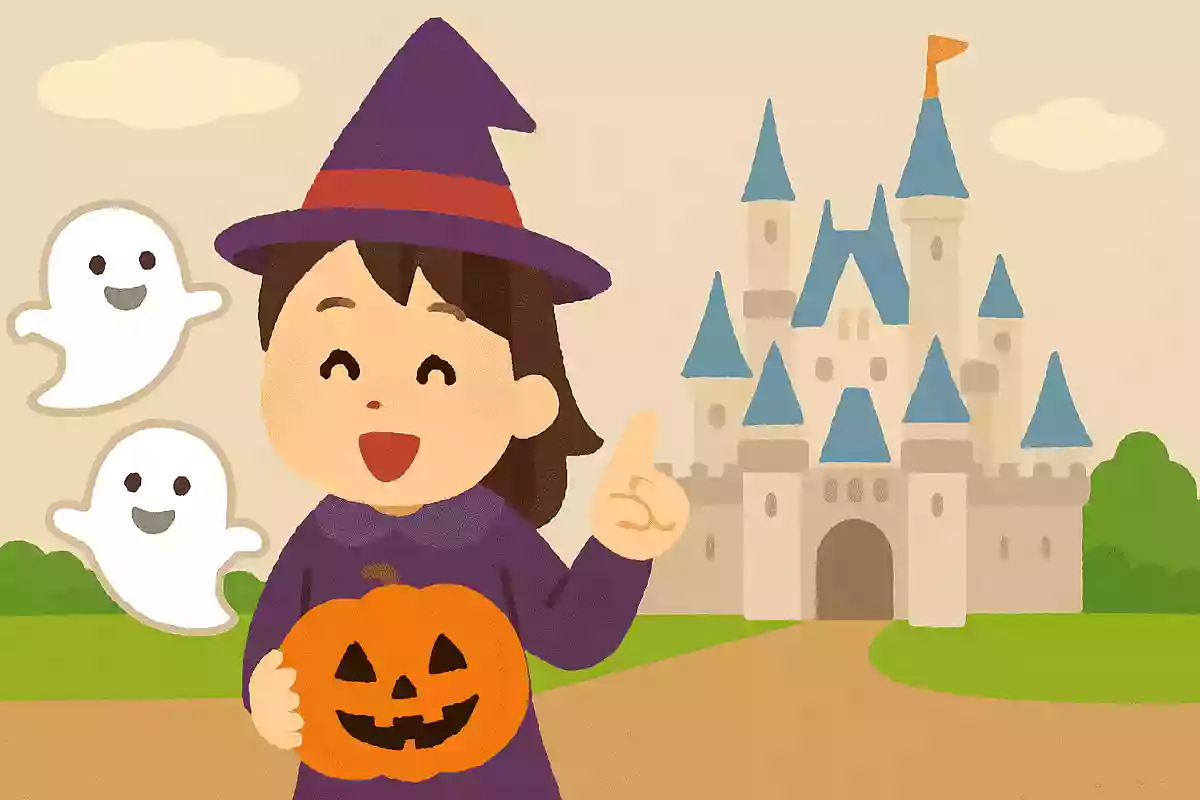
Halloween is now enjoyed throughout Japan, but what really sparked its widespread popularity was a Tokyo Disneyland event.
The Halloween parade held in 1997 was a big hit, helping the culture of wearing costumes take root among the general public.
Until then, Halloween was known mostly within certain foreign communities and in import goods shops, but the large-scale theme park production suddenly made it feel familiar.
The fact that it has become a staple autumn event enjoyed by both children and adults shows the influential role that commercial facilities played.
It’s a bit of trivia that illustrates how entertainment can have a major impact on culture.