

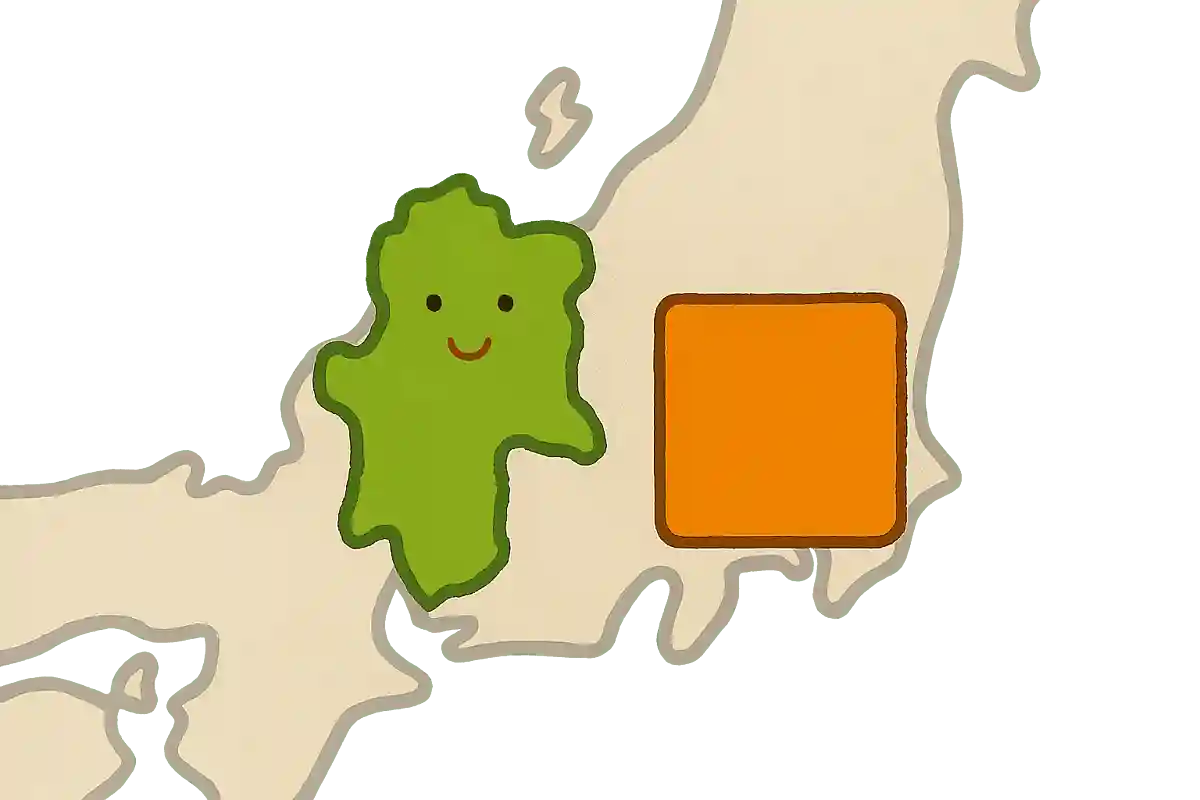
Trivia & Fun Facts About Gifu Prefecture

How much do you know about Gifu Prefecture?
Some of you may already know a lot—for example, that it was the stage for the Battle of Sekigahara, that it’s a landlocked prefecture with no sea, and that Shirakawa-go’s gassho-zukuri houses are famous.
In this article, we’ll introduce not only these well-known facts but also a range of deeper trivia about Gifu Prefecture all at once!
You’ll find plenty of tidbits you’ll want to share with others once you know them, so enjoy learning as you go!
Trivia & Fun Facts about Gifu Prefecture (1–10)
Takayama, the largest city in Japan by area, is about the same size as Tokyo.
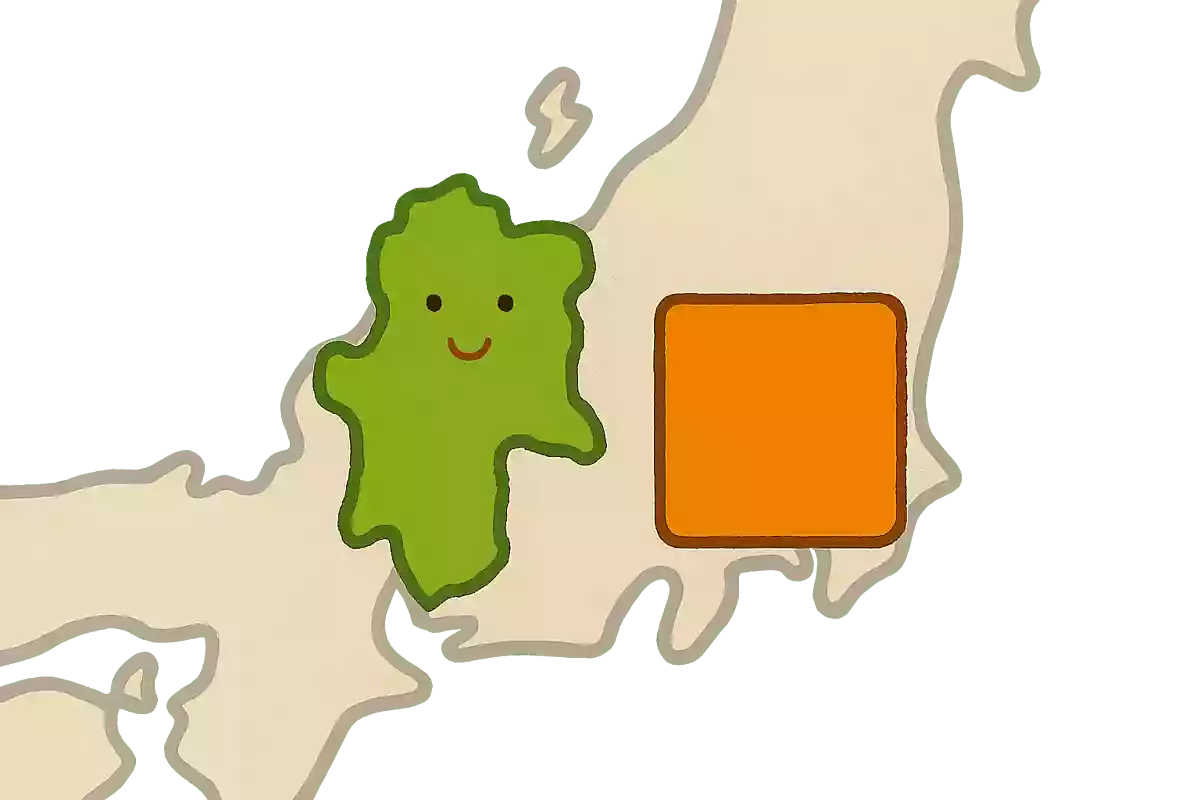
Gifu Prefecture is the seventh-largest prefecture in Japan.
You can sense its size by looking at a map of Japan.
Even within Gifu, Takayama City is the largest city in Japan, with an area roughly the same as Tokyo’s.
Takayama became so large due to the merger of nine towns and villages in 1999.
As a result of this extensive merger, the largest city in Japan was created.

The cormorant fishers of the Nagara River cormorant fishing are national government employees.
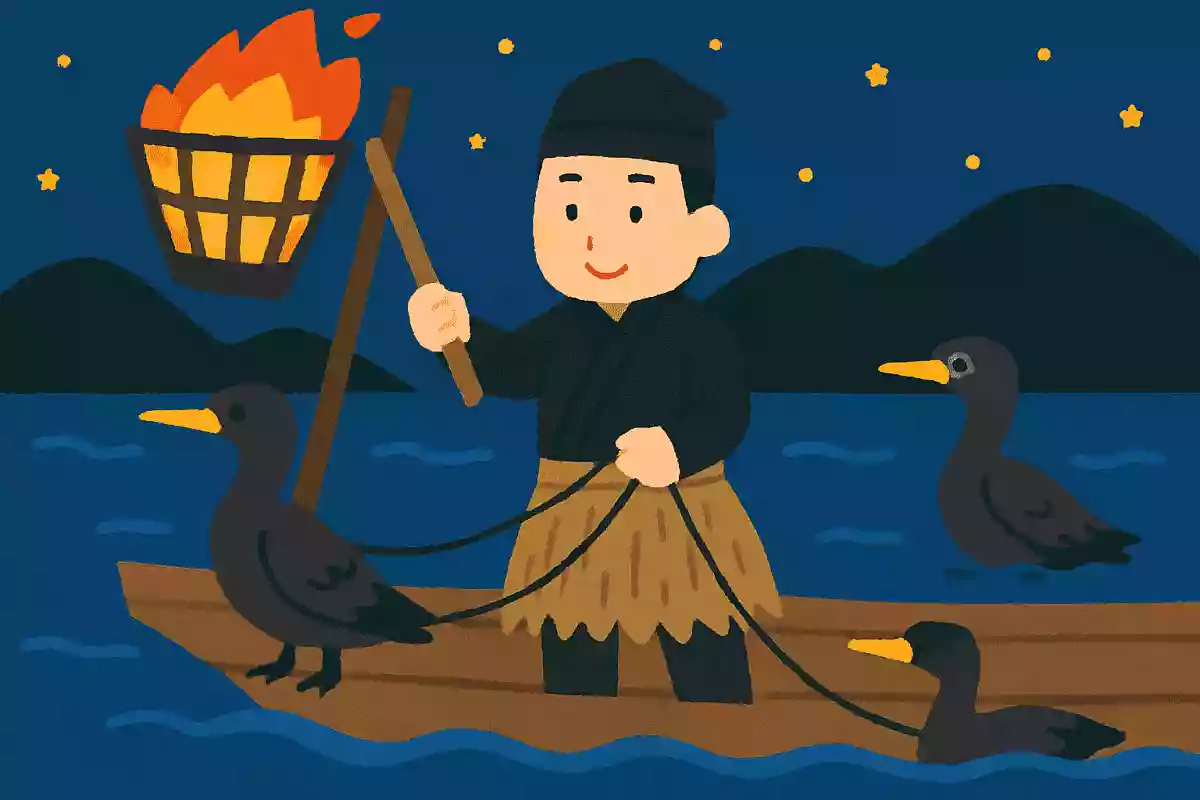
Ukai cormorant fishing is held on the Nagara River in Gifu Prefecture from May to October.
It’s a hallmark of summer in Gifu: cormorants, controlled by master fishermen via hand ropes, catch sweetfish that gather toward the boat’s lights.
The practice has a long history—Ukai is said to have been carried out in Gifu since the Asuka period in the 7th century.
Interestingly, the cormorant masters on the Nagara River are national civil servants affiliated with the Imperial Household Agency.
While Ukai is practiced at 11 locations across Japan outside Gifu, Gifu is the only place where the cormorant masters are national civil servants.
Incidentally, the Nagara River cormorant masters inherit their positions, and it is stipulated that they are all male.
The largest producer of food replicas in Japan

Food replicas displayed at restaurant entrances look just like real dishes—their level of craftsmanship is truly astonishing.
About 60% of Japan’s food replicas are made in Gujo City, Gifu Prefecture, which boasts the highest production volume in the country.
One reason for the large output in Gujo is the influence of Takizo Iwasaki, a native of the area, who is said to have laid the foundations for the food replica industry that remains widespread in Japan today.
In Gujo City, there are also places where you can try making food replicas yourself.
The phone booth’s lighting is green.

Public pay phones have become a rare sight in recent years due to the spread of mobile phones.
Generally, the lighting in phone booths is white.
However, in Gifu Prefecture, booths with green lighting are common.
It’s said that green-lit pay phones were introduced in only a few prefectures in Japan to make them stand out more from the outside.
When driving along mountain roads, some people are startled to spot a faintly glowing green booth by the roadside.
If you get the chance, why not look for these green-lit public phone booths in a few locations around Japan?
There is the highest bungee jump in Japan.
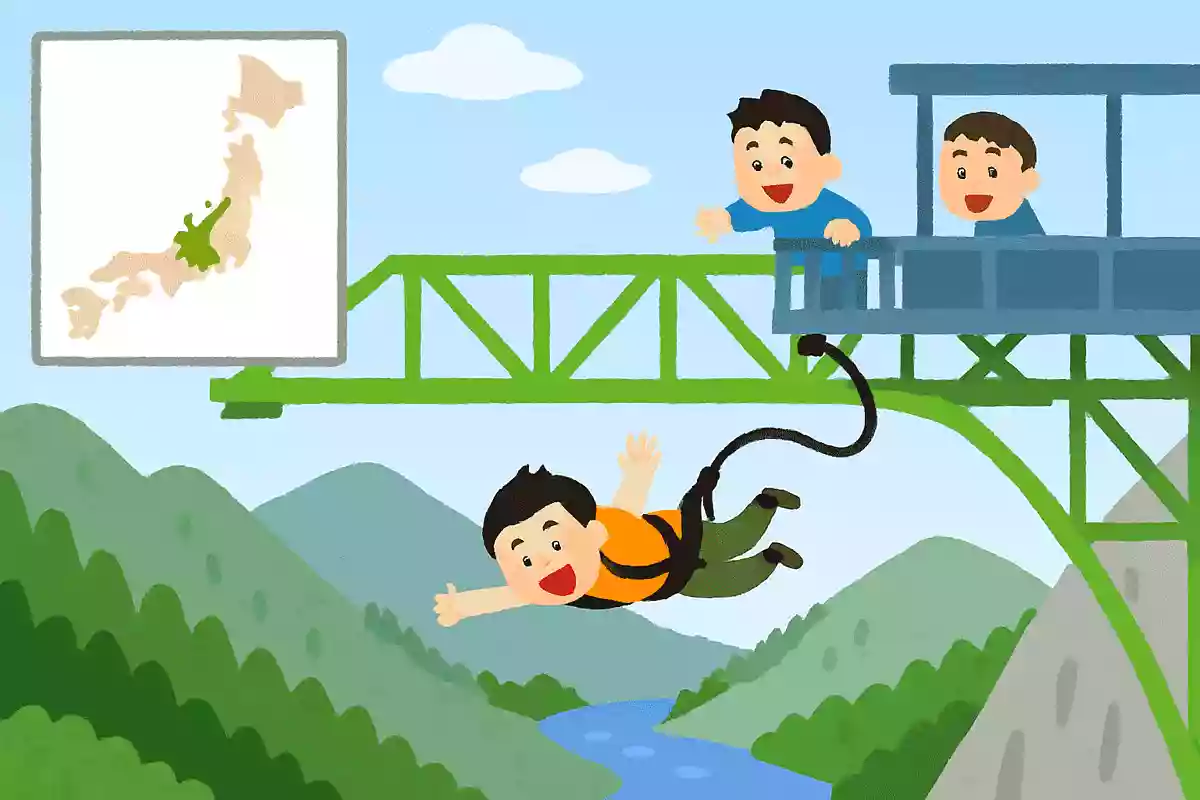
Bungee jumping, where you leap off a platform with just a single rope amid stunning natural scenery, is a popular activity because you can experience real thrills.
In fact, in Hyakucho, Gifu Prefecture, there’s a bungee jump where you can leap from the highest point in Japan.
It’s Gifu Bungee, which opened in 2020 from the Shintarumi Bridge on National Route 418.
Boasting a height of 212 meters, it ranks among the tallest in the world.
The airtime is about five seconds, but it’s so popular that even more than two months after opening, it was fully booked every day.
There are also features to make it even more enjoyable, such as a special suit that increases airtime by two seconds to a total of seven seconds.
No screws or nails are used in gassho-zukuri construction.
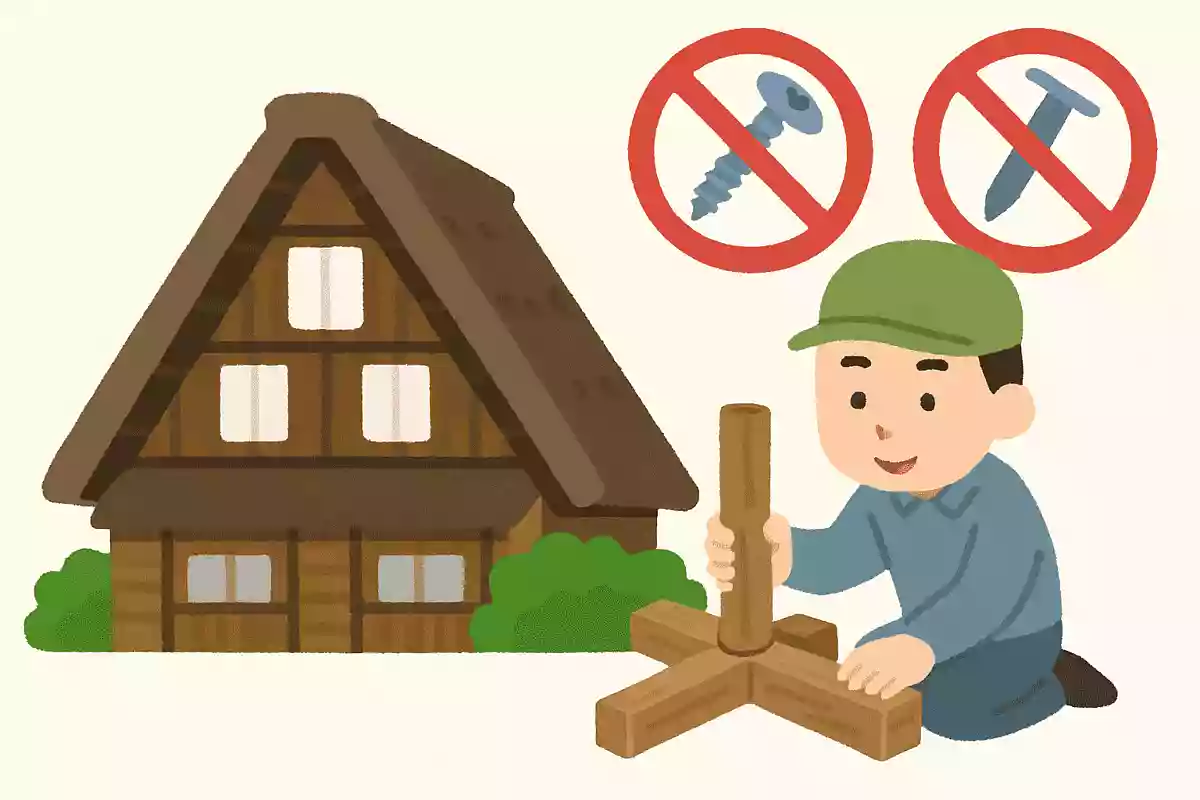
Gassho-zukuri features a distinctive roof whose steep slopes resemble hands pressed together in prayer.
The gassho-zukuri village of Shirakawa-go in Shirakawa, Gifu Prefecture, is well known.
In fact, no screws or nails are used in gassho-zukuri.
The structure is supported by multiple gassho girders—logs arranged in the shape of the kanji for “person” (人).
The many gassho-girder logs are bound together with cord-like materials such as straw and sone.
Sone is a tough, flexible cord made from the young wood of the plant witch hazel (mansaku).
This construction allows the roof to accommodate sagging or distortion caused by strong winds or heavy snow.
If screws or nails were used, the logs supporting the roof could break.
It is a technique born from the wisdom of people living in regions with heavy snowfall.
The place name Gifu was designated by Oda Nobunaga.
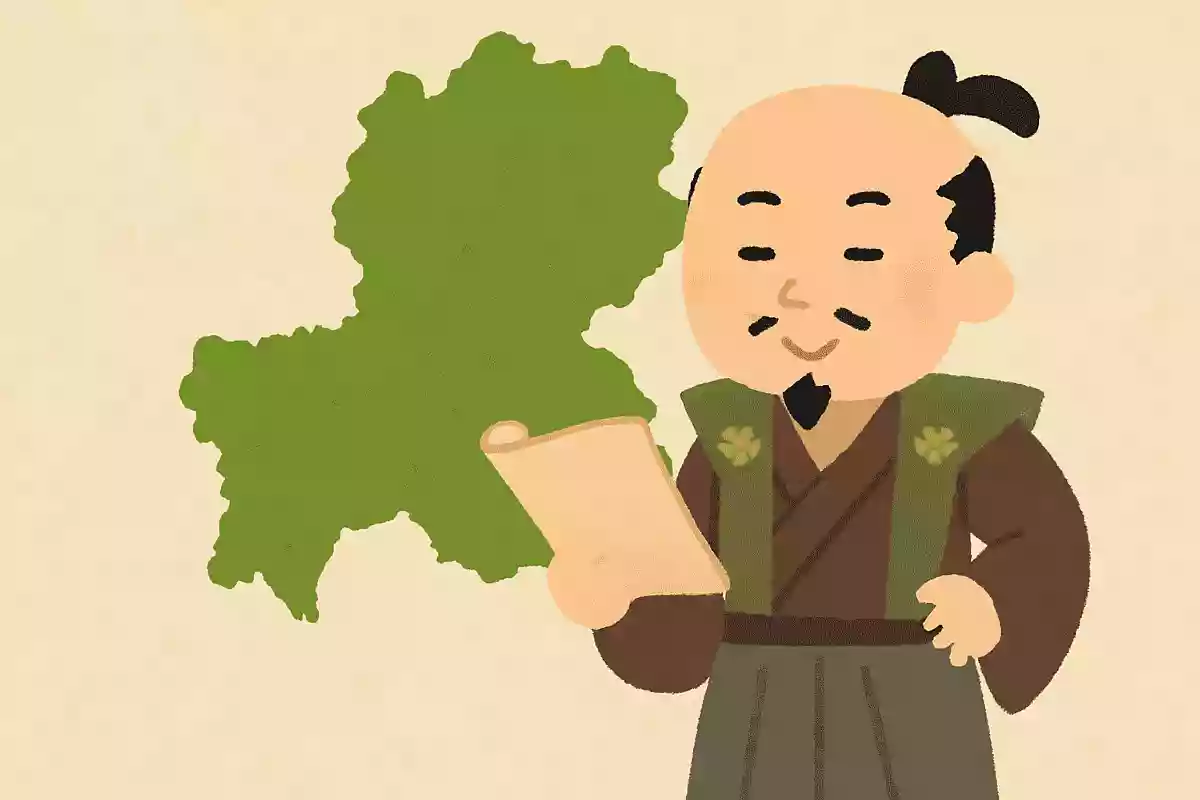
Gifu Prefecture uses kanji that you don’t often see in everyday life.
For people living outside the prefecture, they may seem difficult.
Oda Nobunaga is connected to the background of how the place name became Gifu.
After Nobunaga defeated Saitō Tatsuoki, who was based at Inabayama Castle—the castle that is now Gifu Castle—the place name was changed.
Nobunaga’s adviser, the monk Sōon Takuzen, proposed three candidates: Gizan, Giyō, and Gifu, and it’s said that he chose “Gifu” as an auspicious name drawn from Chinese classics.
As a result, Inabayama Castle was also renamed Gifu Castle.