

![[For Elementary School Students] Collection of Local Quizzes from Gifu Prefecture](https://media.ragnet.co.jp/img/1200__png__https://www.ragnet.co.jp/files/2025/04/f18ab3485cb12f3a5e6b5732b1c41fa2.webp)
[For Elementary School Students] Collection of Local Quizzes from Gifu Prefecture

Gifu Prefecture is located right in the middle of Japan—have you ever been there?
It’s a truly fascinating prefecture, with unique local cuisine, distinctive culture, and sites where major historical events took place!
In this article, we’ll present lots of local quizzes related to Gifu Prefecture.
There are many trivia-style questions too, so you’ll definitely want to share them with your family and friends!
Now, let’s jump right in and take on some quizzes about Gifu Prefecture!
[For Elementary School Students] Gifu Prefecture Local Quiz Collection (1–10)
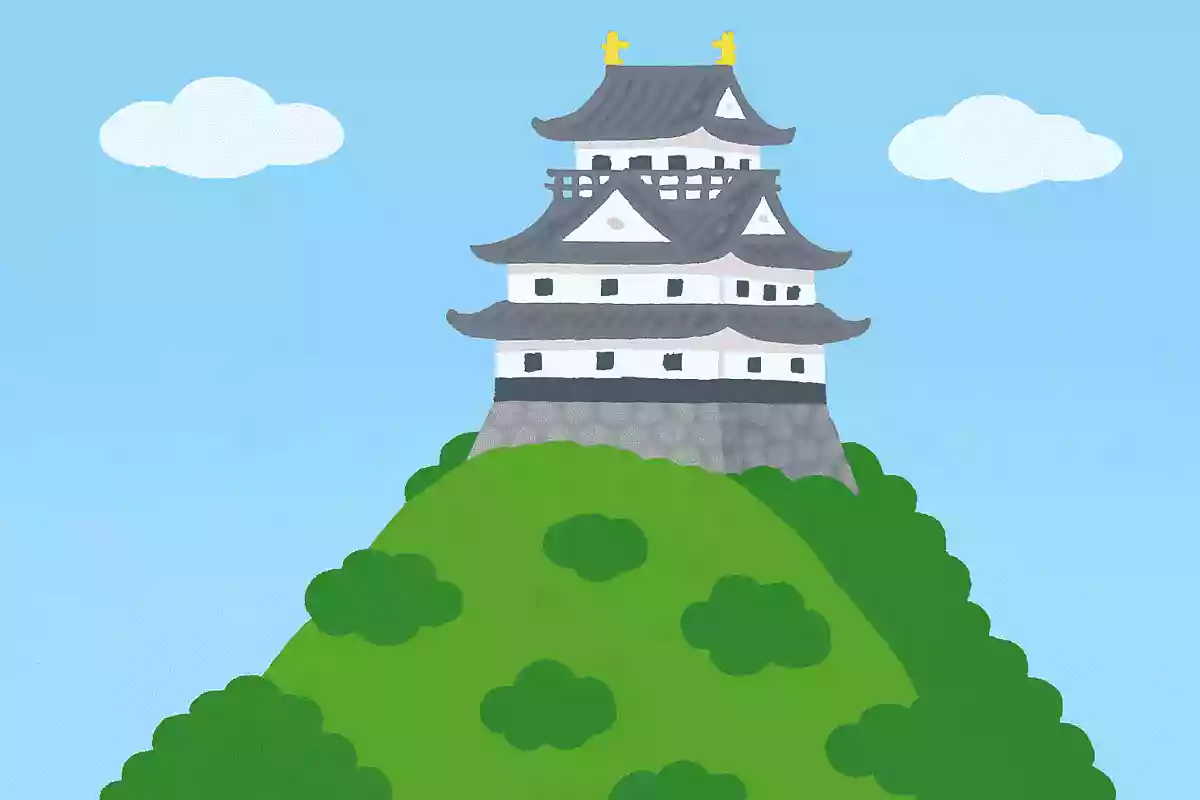
Gifu Castle is built on Mount Kinka, but what is the elevation of this mountain?
- 159m
- 329m
- 499m
See the answer
329m
Mount Kinka has an elevation of 329 meters. Gifu Castle is a fortress that became famous during the Sengoku period under Oda Nobunaga, and because it was built at the summit, it’s clearly visible from the city. Conversely, from this 329-meter mountain you can look out over Gifu City and the distant mountain ranges.

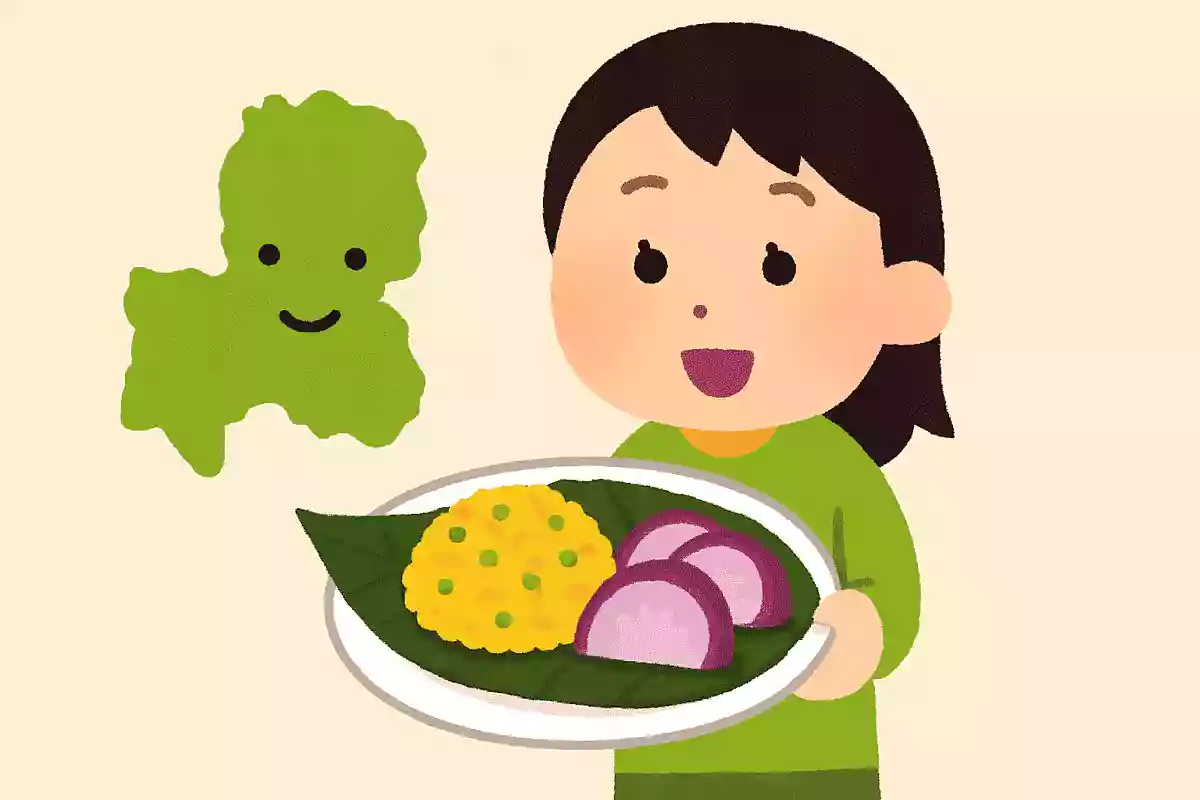
What is the traditional dish from Gifu Prefecture that uses pickles?
- pickled vegetable cutlet
- Pickled Vegetable Steak
- pickling pot
See the answer
Pickled Vegetable Steak
Tsukemono steak, a local dish from Gifu Prefecture, is made by grilling pickles on a hot iron plate and finishing them with beaten eggs. It’s often seasoned with soy sauce or miso, and is loved not only as a companion to rice but also as a snack with alcohol.
What is the unique characteristic of Gifu Prefecture’s telephone booths that you won’t find in other prefectures?

- A round-shaped phone booth
- The lighting is green.
- It has curtains.
See the answer
The lighting is green.
In Gifu Prefecture, there are phone booths illuminated with green lights. This is a unique feature of Gifu, and at night they stand out with their green glow.
What ingredient is used in Hebo cuisine, a local dish from Ena City in Gifu Prefecture?

- Bee
- Frog
- wild edible mountain plants
See the answer
Bee
Hebo cuisine in Ena City is a local dish made with the larvae of the black hornet (Vespula). High in protein and calories, hebo dishes have long been valued in landlocked Gifu Prefecture as a precious source of protein. They are known for their distinctive flavor.
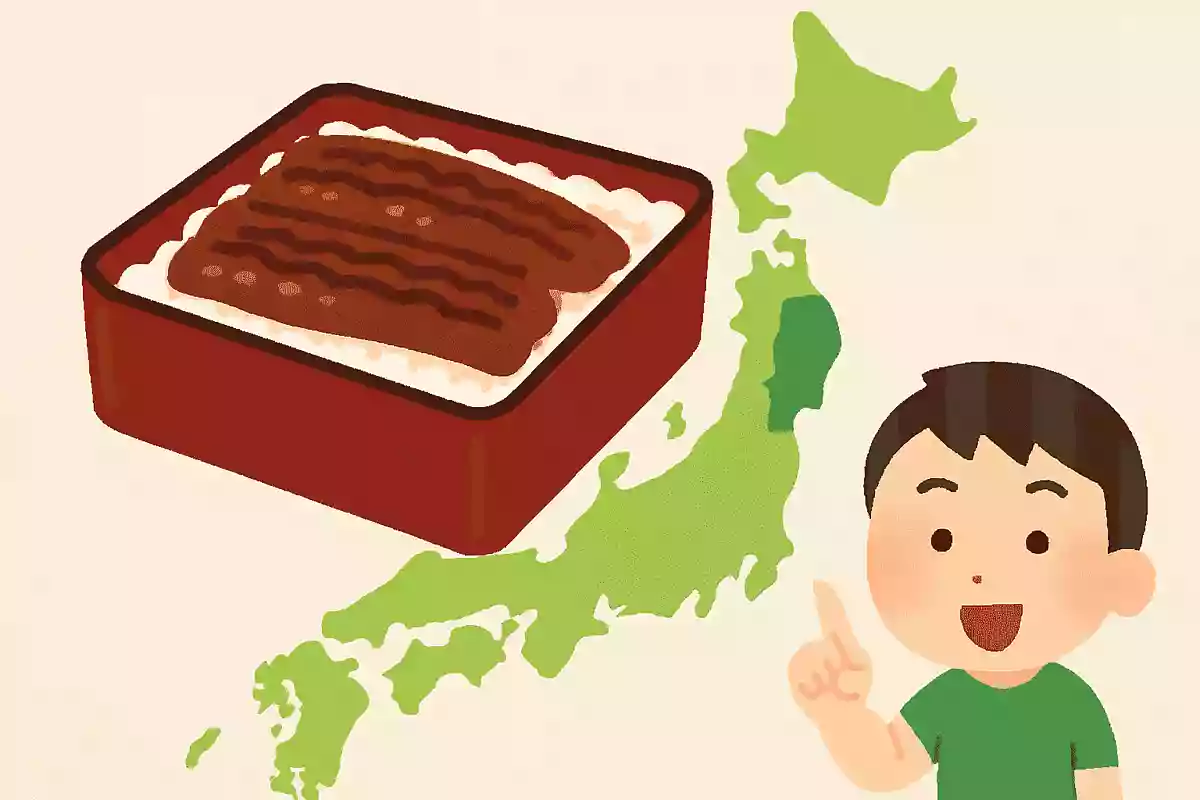
What is the indispensable item for restaurants for which Gifu Prefecture boasts the highest production volume in Japan?
- a plate
- food sample
- paper napkin
See the answer
food sample
Gifu Prefecture has the highest production of food samples in Japan. In particular, Gujo Hachiman is famous as a production center for food samples. This is related to the fact that Takizo Iwasaki, the creator of food samples, was from Gujo Hachiman.
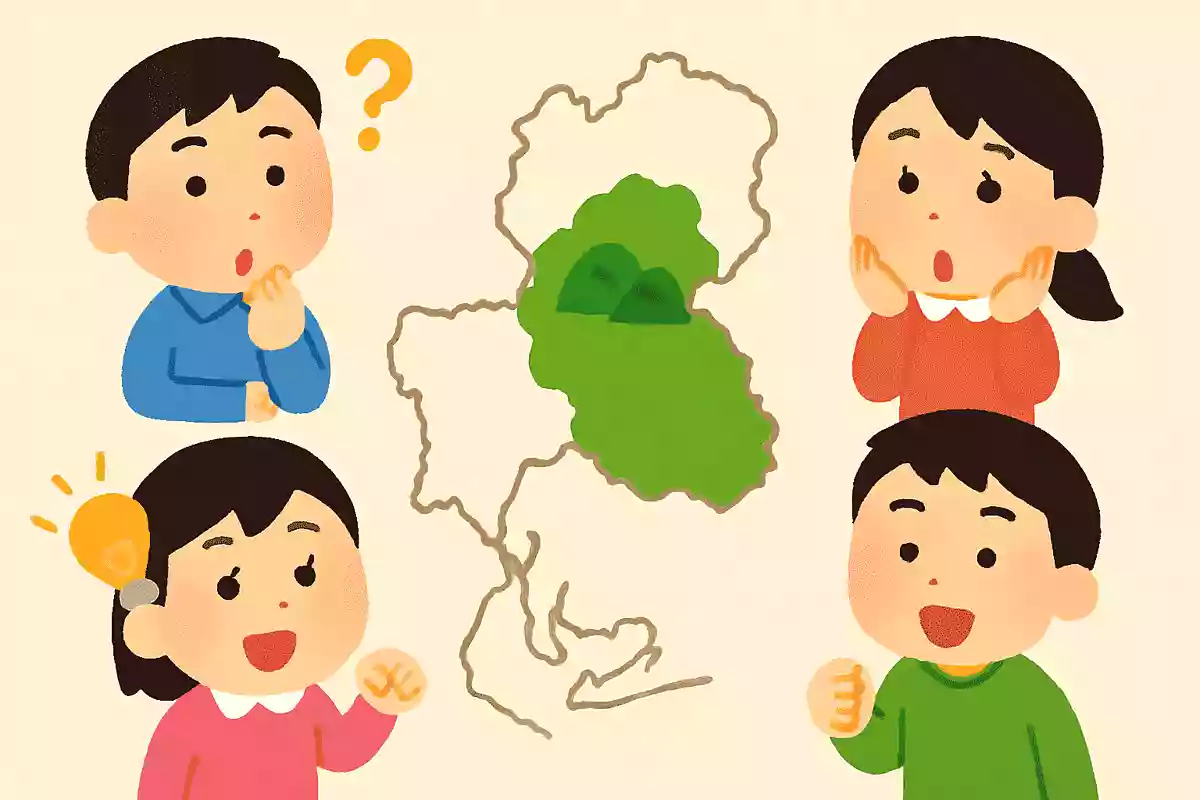
What is the battle, set in present-day Gifu Prefecture, in which Tokugawa Ieyasu and Ishida Mitsunari clashed?
- Battle of Sekigahara
- Battle of Okehazama
- Battle of Kawanakajima
See the answer
Battle of Sekigahara
The Battle of Sekigahara took place in 1600 in present-day Sekigahara, Gifu Prefecture. It was fought between the Eastern Army led by Tokugawa Ieyasu and the Western Army led by Ishida Mitsunari. After the Eastern Army’s victory, Tokugawa Ieyasu went on to unify the country. This battle holds a very important place in Japanese history.
What does the “bobo” in Sarubobo—famous as a souvenir from Gifu Prefecture—mean?

- amulet
- grandfather
- baby
See the answer
baby
“Bobo” is a dialect word from Gifu Prefecture that means “baby.” Sarubobo have long been made and handed down as amulets to pray for children’s safe growth and happiness.