

Trivia & Fun Facts About Gifu Prefecture

How much do you know about Gifu Prefecture?
Some of you may already know a lot—for example, that it was the stage for the Battle of Sekigahara, that it’s a landlocked prefecture with no sea, and that Shirakawa-go’s gassho-zukuri houses are famous.
In this article, we’ll introduce not only these well-known facts but also a range of deeper trivia about Gifu Prefecture all at once!
You’ll find plenty of tidbits you’ll want to share with others once you know them, so enjoy learning as you go!
- [For Elementary School Students] Collection of Local Quizzes from Gifu Prefecture
- Not taught in school! A roundup of historical trivia and fun facts
- [Gifu Prefecture] Local Quiz! For Seniors
- Trivia quiz with useful tips to know: fun facts that come in handy at school or at home [for kids]
- Trivia & Fun Facts about Miyazaki Prefecture
- Let's take on a four-choice quiz that everyone can enjoy together!
- Fun facts you’ll want to share! A special feature on November trivia and tidbits
- Trivia about Tokyo: A collection of fun facts useful for sightseeing
- Deep dive into the charms of Okinawa! A roundup of trivia and fun facts about Okinawa Prefecture
- Rainy season trivia roundup: fun facts you'll want to share with someone
- [For Seniors] Surprisingly Unknown! General Knowledge Quiz
- Trivia and fun facts about Niigata Prefecture: history, industries, and even some surprising national number ones?
- Trivia you think you know but surprisingly don’t? August trivia and fun facts quiz!
Trivia & Fun Facts about Gifu Prefecture (1–10)
There is the largest teapot in the world.
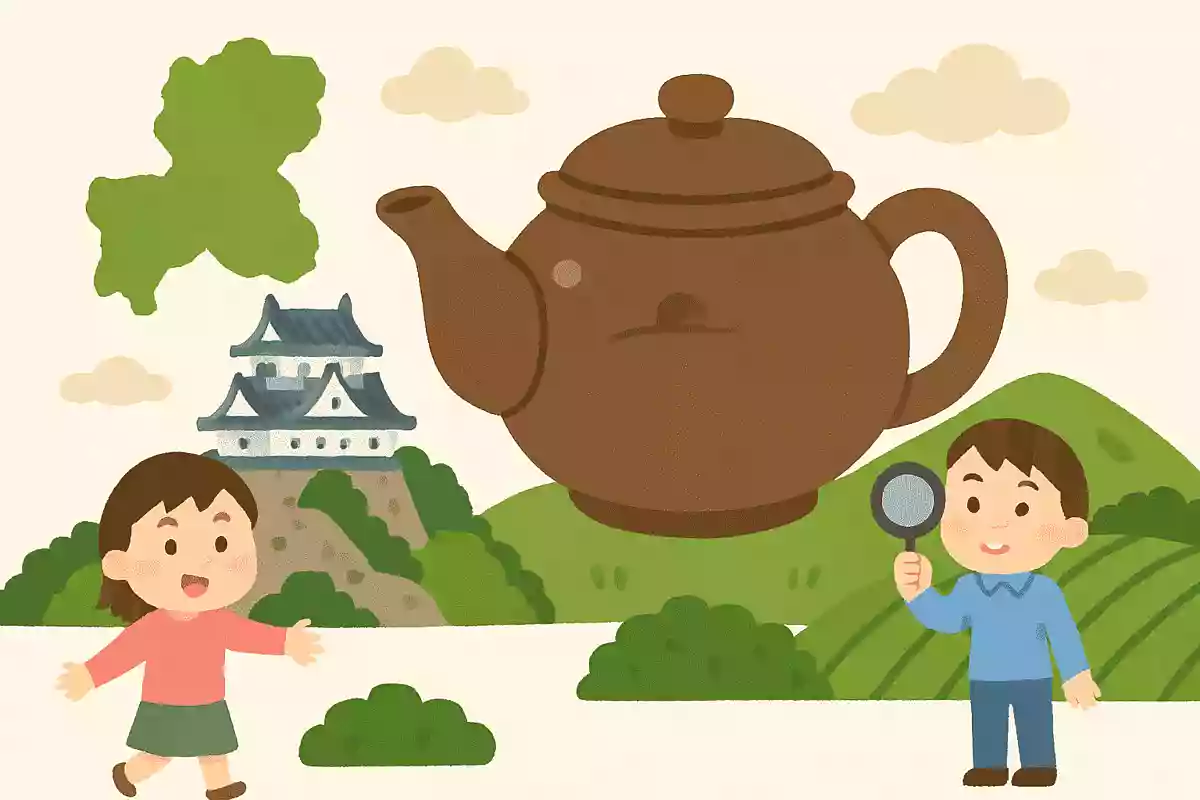
In Mizunami City, Gifu Prefecture, there is the Jar of Abundance, the world’s largest tea jar certified by Guinness.
A key highlight is that it’s a single-piece work of Mino ware, created over time with the cooperation of many people.
The scale is clear even from the raw materials: 32 tons of clay were used, and it was fired with 10,000 bundles of firewood.
If you’re passing through Gifu, why not visit this tea jar and appreciate the efforts of the many people involved in the project?

Seki City has an 800-year history as a town of blades (cutlery).
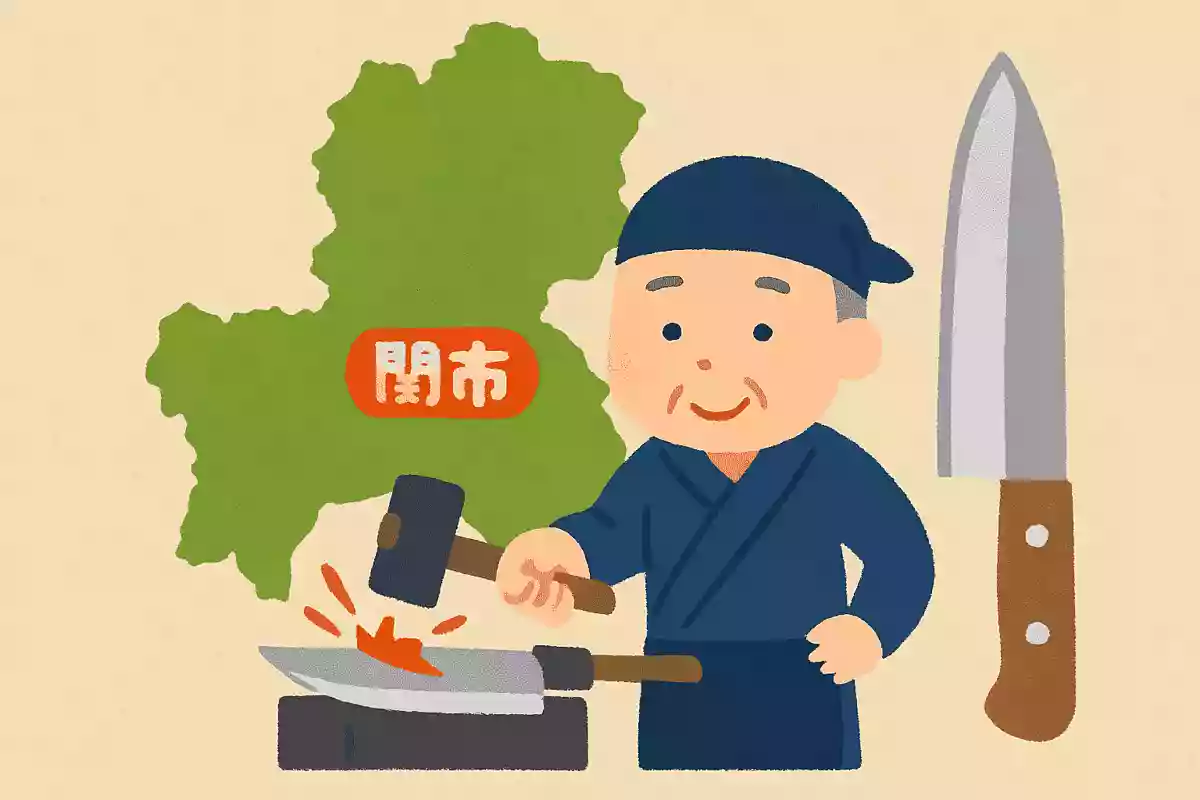
Located in the heart of Japan and often called the nation’s “belly button,” Seki City in Gifu Prefecture boasts an 800-year history as a town of blades.
Along with Sakai in Osaka Prefecture and Sanjo in Niigata Prefecture, it is recognized as one of Japan’s three major cutlery-producing regions.
Seki’s blades are renowned worldwide, and the city is even referred to as the world’s leading city of kitchen knives.
This tradition dates back to the late Kamakura period, when high-quality clay and pine charcoal were discovered in Seki, and the presence of the Nagara and Hōzu rivers enabled the production of Japanese swords.
Many swordsmiths gathered there, and over the centuries their techniques were passed down, giving rise to the production of high-quality kitchen knives.

The Osako area of Gero City is known as the town with the most waterfalls in Japan.
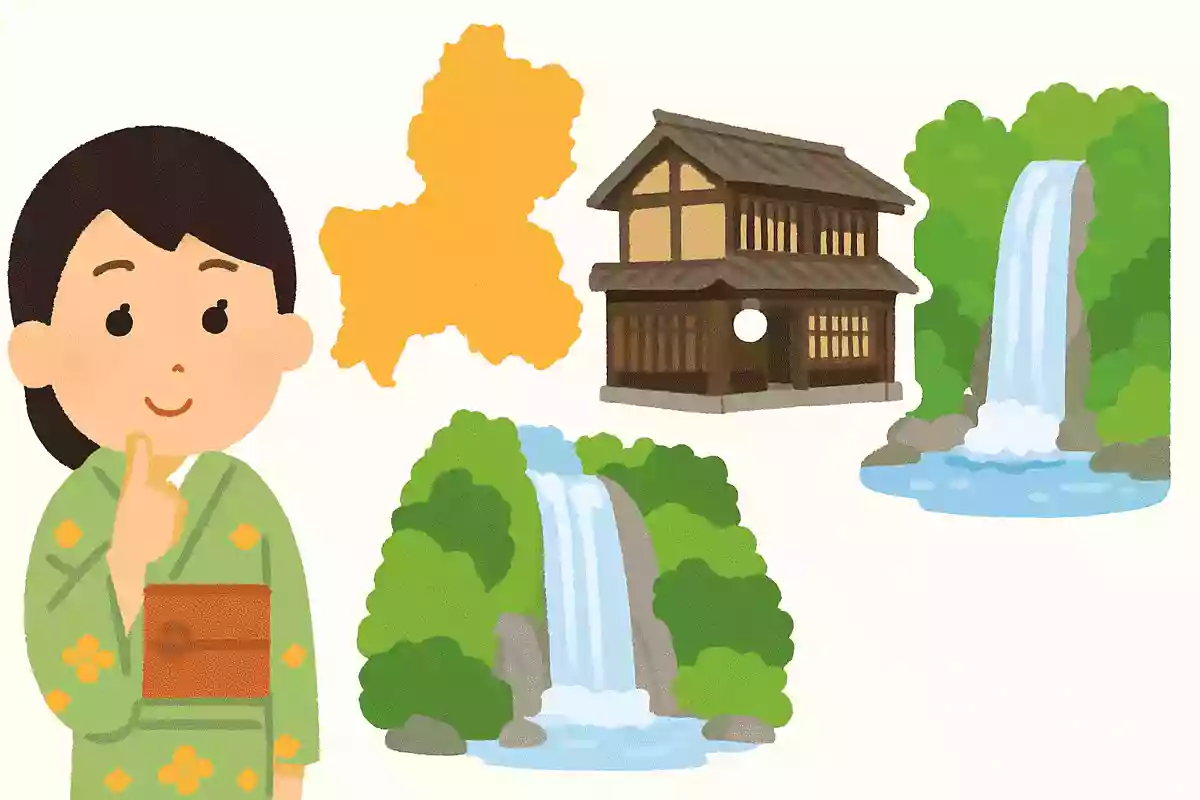
The Kosaka area of Gero City has the highest number of waterfalls in Japan.
Kosaka Town is nestled in the rich natural mountain valley at the lower slopes of Mount Ontake, which straddles Gifu and Nagano prefectures.
Thanks to abundant water and terrain with steep mountains and slopes, the area is said to have an exceptionally large number of waterfalls.
There are over 200 waterfalls with a drop of at least 5 meters.
You can enjoy a wide variety of waterfall-hopping routes, from casual hikes along walking trails to challenging paths that call for full mountaineering gear.
By the way, if you enter national forests, you’ll need a forest entry permit and a guide who knows the local geography.
Trivia & Fun Facts of Gifu Prefecture (11–20)
There is a local dish called hebo cuisine that uses larvae of the black hornet (Vespula species).
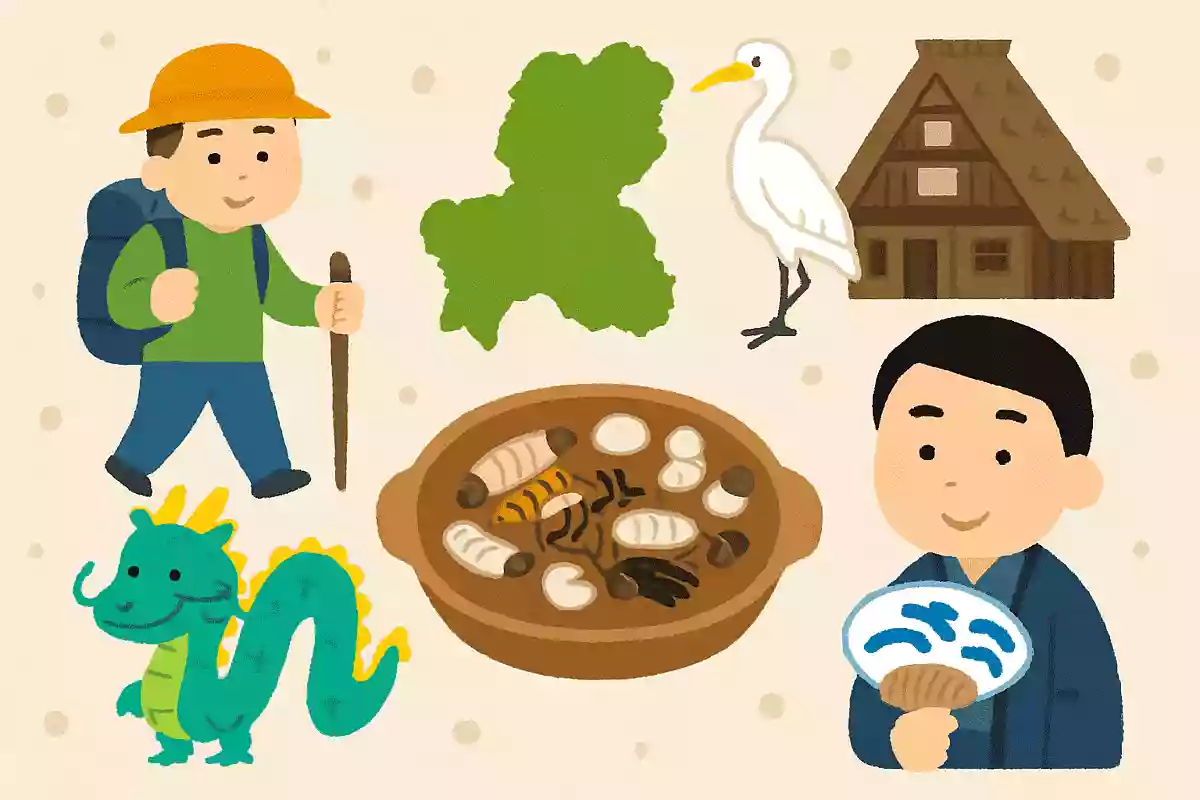
In Ena City, Gifu Prefecture, there is a local dish that uses bee larvae.
“Hebo” refers to the black hornet (Vespula flaviceps), and although hornets generally have a fierce image, this species is considered relatively docile and less venomous among bees.
In the mountainous areas of landlocked Gifu Prefecture, hebo larvae have long been used as a precious source of protein in place of fish, and are cooked and eaten in dishes such as takikomi-gohan (seasoned mixed rice) and tsukudani (soy-simmered preserves).
There is a dam that boasts the largest total storage capacity in Japan.
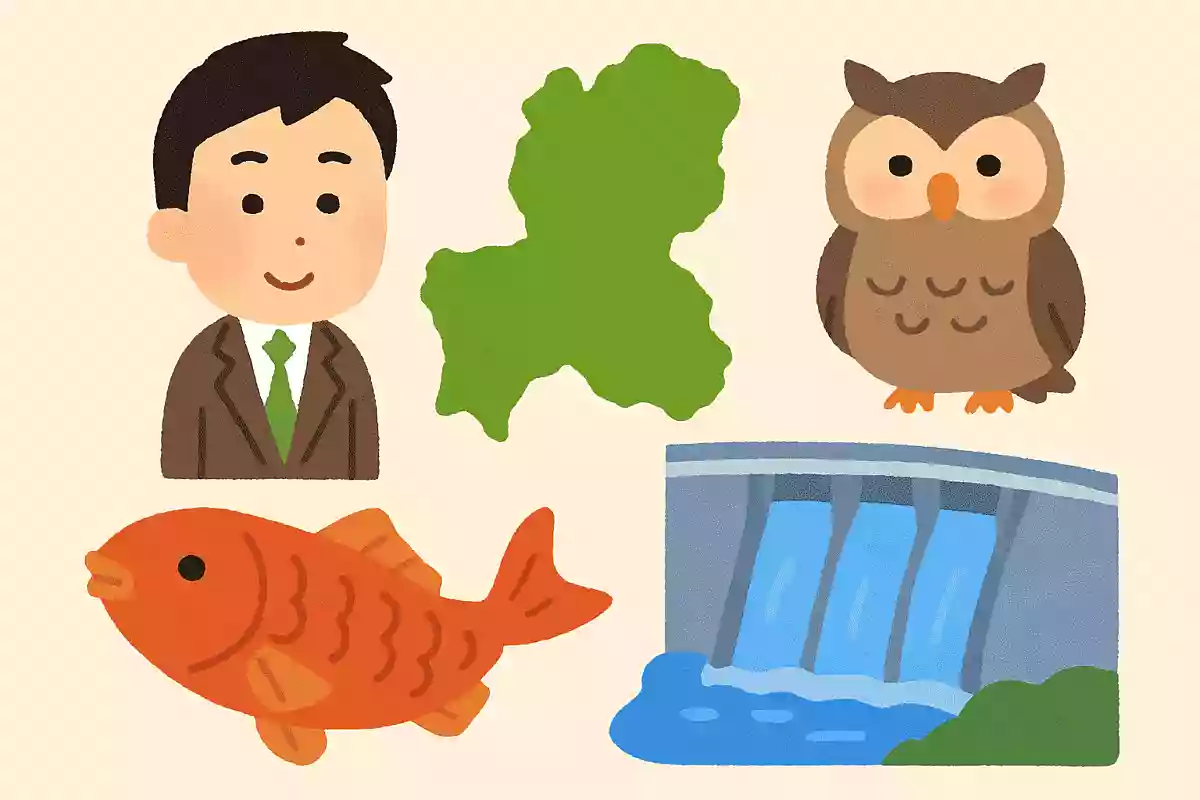
The dam boasting the largest total storage capacity in Japan is the Tokuyama Dam, built upstream in Ibigawa Town in 2008.
Its storage volume is 660 million cubic meters, said to be about twice that of Lake Hamana.
The Ibi River has long been feared as a turbulent river that repeatedly floods due to the relationship between its length and gradient, and it is said that the construction of this dam has allowed for water flow regulation and reduced flood damage.
The dam firmly supports people’s lives by supplying tap water not only in Gifu but also in Aichi Prefecture, and by being used for hydroelectric power generation.
Sarubobo means “baby monkey.”
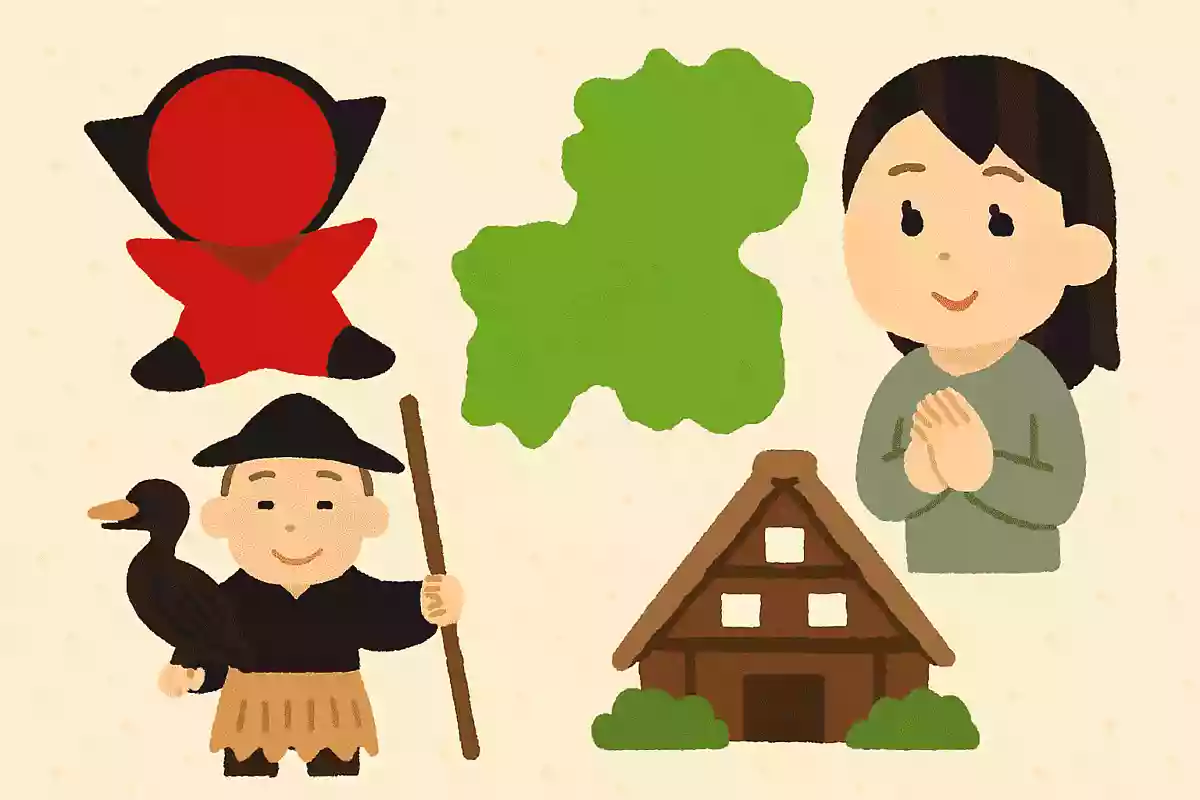
Are you familiar with sarubobo, which has been made since long ago in the Hida-Takayama area of Gifu Prefecture? It’s a red human-shaped doll with the word “Hida” written in the center of its body.
In the Hida dialect, “bobo” means baby, and because the red face of the doll resembles a baby monkey, it came to be called sarubobo.
In the Hida region, mothers traditionally made and gave these dolls to wish for their daughters’ safe childbirth, marital harmony, and children’s good health.
Gifu Castle is built on the summit of Mount Kinka.
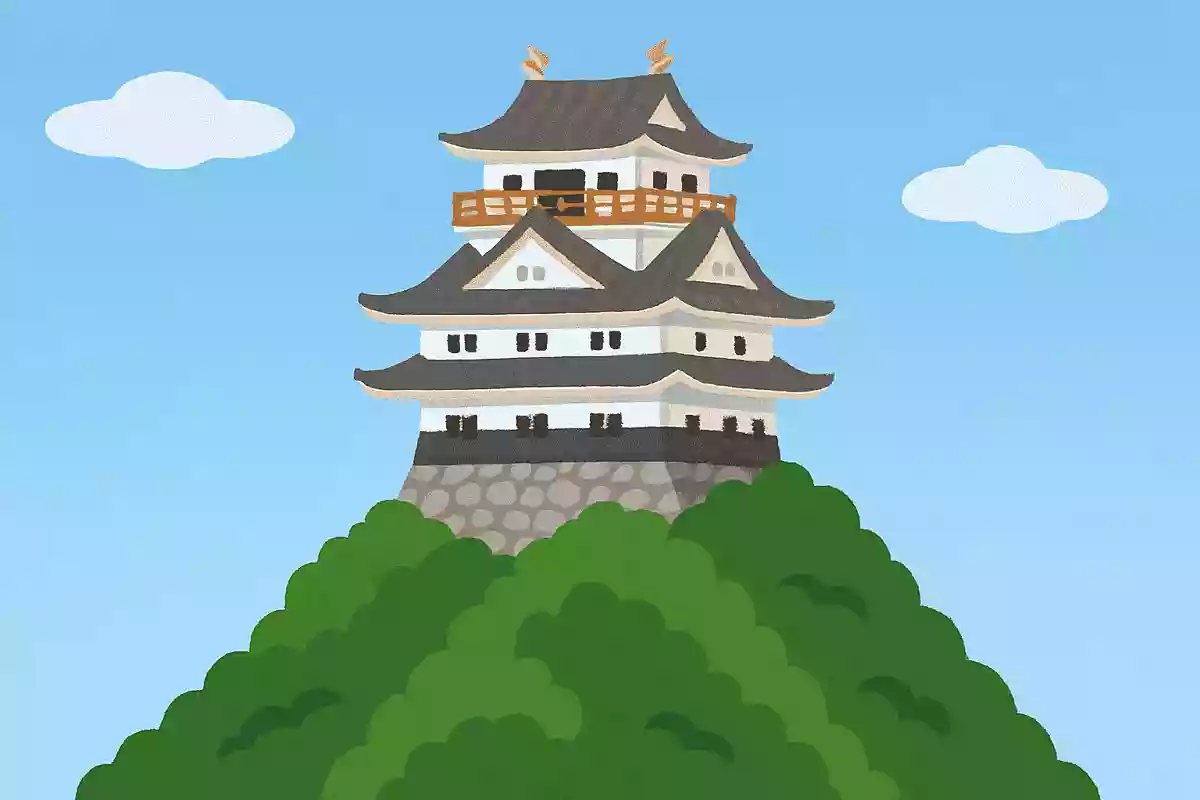
Mount Kinka stands in the heart of Gifu City, Gifu Prefecture.
With an elevation of 329 meters, it is one of the city’s most iconic mountains.
Gifu Castle, built atop Mount Kinka, is also selected as one of Japan’s Top 100 Castles.
The view from the summit, shaped by nature’s artistry, and its connection with local shrines have led people to revere it as a sacred mountain.
Based on the idea of it being a special mountain, it is said that Saitō Dōsan built the castle there.
Because it sits at the mountaintop, the castle was known as impregnable during the Warring States period, and people said that whoever ruled Mino would rule the realm.