

Trivia & Fun Facts About Gifu Prefecture

How much do you know about Gifu Prefecture?
Some of you may already know a lot—for example, that it was the stage for the Battle of Sekigahara, that it’s a landlocked prefecture with no sea, and that Shirakawa-go’s gassho-zukuri houses are famous.
In this article, we’ll introduce not only these well-known facts but also a range of deeper trivia about Gifu Prefecture all at once!
You’ll find plenty of tidbits you’ll want to share with others once you know them, so enjoy learning as you go!
- [For Elementary School Students] Collection of Local Quizzes from Gifu Prefecture
- Not taught in school! A roundup of historical trivia and fun facts
- [Gifu Prefecture] Local Quiz! For Seniors
- Trivia quiz with useful tips to know: fun facts that come in handy at school or at home [for kids]
- Trivia & Fun Facts about Miyazaki Prefecture
- Let's take on a four-choice quiz that everyone can enjoy together!
- Fun facts you’ll want to share! A special feature on November trivia and tidbits
- Trivia about Tokyo: A collection of fun facts useful for sightseeing
- Deep dive into the charms of Okinawa! A roundup of trivia and fun facts about Okinawa Prefecture
- Rainy season trivia roundup: fun facts you'll want to share with someone
- [For Seniors] Surprisingly Unknown! General Knowledge Quiz
- Trivia and fun facts about Niigata Prefecture: history, industries, and even some surprising national number ones?
- Trivia you think you know but surprisingly don’t? August trivia and fun facts quiz!
Trivia & Fun Facts of Gifu Prefecture (11–20)
The famous Usuzumi-zakura was named because its blossoms turn a pale ink color around the time they fall.
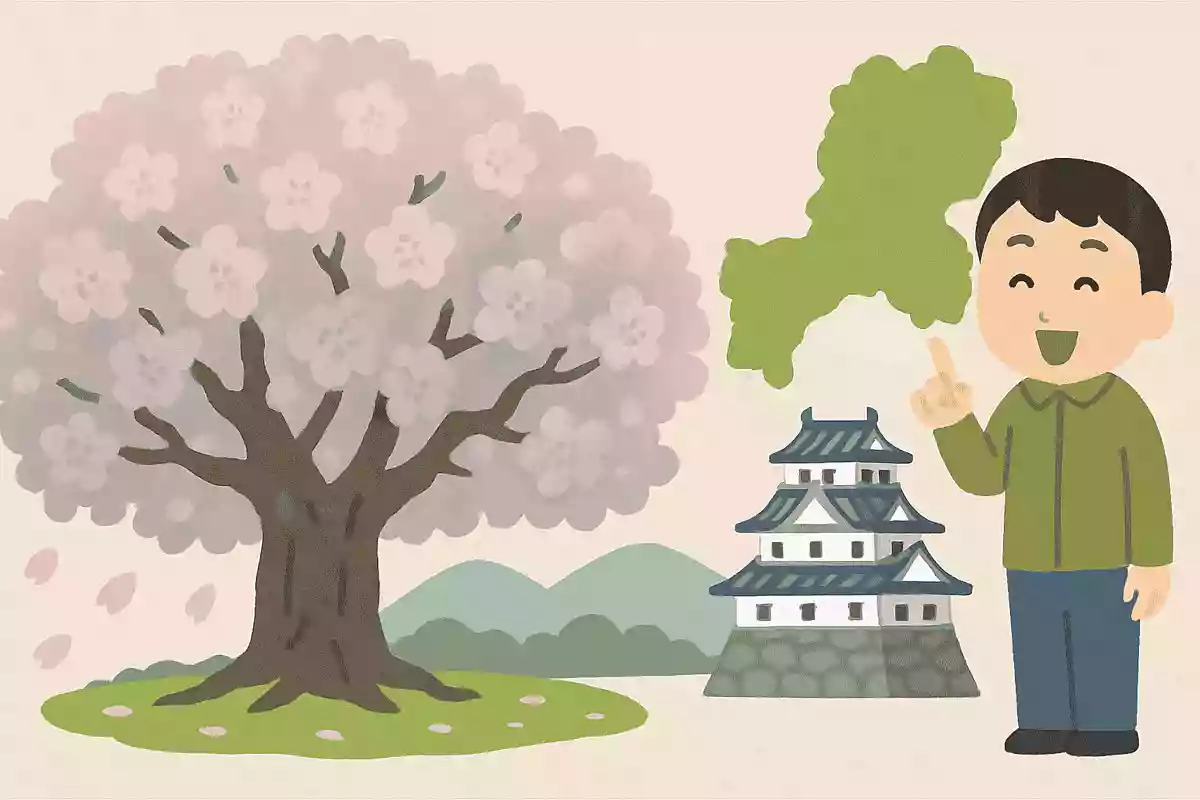
The Neodani Usuzumi Zakura in Motosu City, Gifu Prefecture, is a sightseeing spot designated as a National Natural Monument and is also known as one of Japan’s three great cherry trees.
It is said to be named after the way its blossoms change color as they fall.
The pale pink buds turn white at full bloom, and then shift to a light ink-gray as the petals begin to scatter—letting you feel the passage of time through the flowers’ hues.
Not only the Neodani Usuzumi Zakura itself, but its descendants have been planted in various locations across Gifu and Aichi Prefectures, so why not look for them by paying attention to the blossoms’ colors?

In conclusion
We’ve introduced a bunch of fun facts about Gifu Prefecture all at once. From local gourmet foods and craftsmanship to things that are the best in Japan, there were all kinds of trivia, weren’t there? Take this opportunity to learn lots of Gifu facts and share them with your family and friends!