

Trivia & fun facts about Osaka Prefecture

How much do you know about Osaka trivia?
In this article, we’ll introduce a whole array of trivia related to Osaka!
We’ve gathered many tidbits: trivia about the history of iconic Osaka buildings and foods, things that actually originated in Osaka, insights into the city’s layout and its culture, and more.
Some of these facts might be new even to people who live in Osaka.
You’re sure to find trivia you’ll want to share with others, so enjoy as you read!
- [For Elementary School Students] Collection of Local Quizzes from Osaka Prefecture
- Kansai dialect quiz roundup: origins and example sentences included!
- A quiz of fun trivia: bite-sized knowledge that leads to new insights.
- For Seniors: Local Quizzes of Osaka Prefecture, from Famous Tourist Spots to Food
- Rainy season trivia roundup: fun facts you'll want to share with someone
- Trivia and fun facts about food (summary)
- So interesting you’ll want to tell someone! December Trivia & Fun Facts Special
- Trivia about Tokyo: A collection of fun facts useful for sightseeing
- Trivia you think you know but surprisingly don’t? August trivia and fun facts quiz!
- Fun facts you’ll want to share! January trivia and tidbits special
- Fun facts you’ll want to share! A special feature on November trivia and tidbits
- Trivia & Fun Facts About Gifu Prefecture
- Deep dive into the charms of Okinawa! A roundup of trivia and fun facts about Okinawa Prefecture
Trivia & Fun Facts about Osaka Prefecture (11–20)
Around Osaka Castle, it’s all 1-chome.
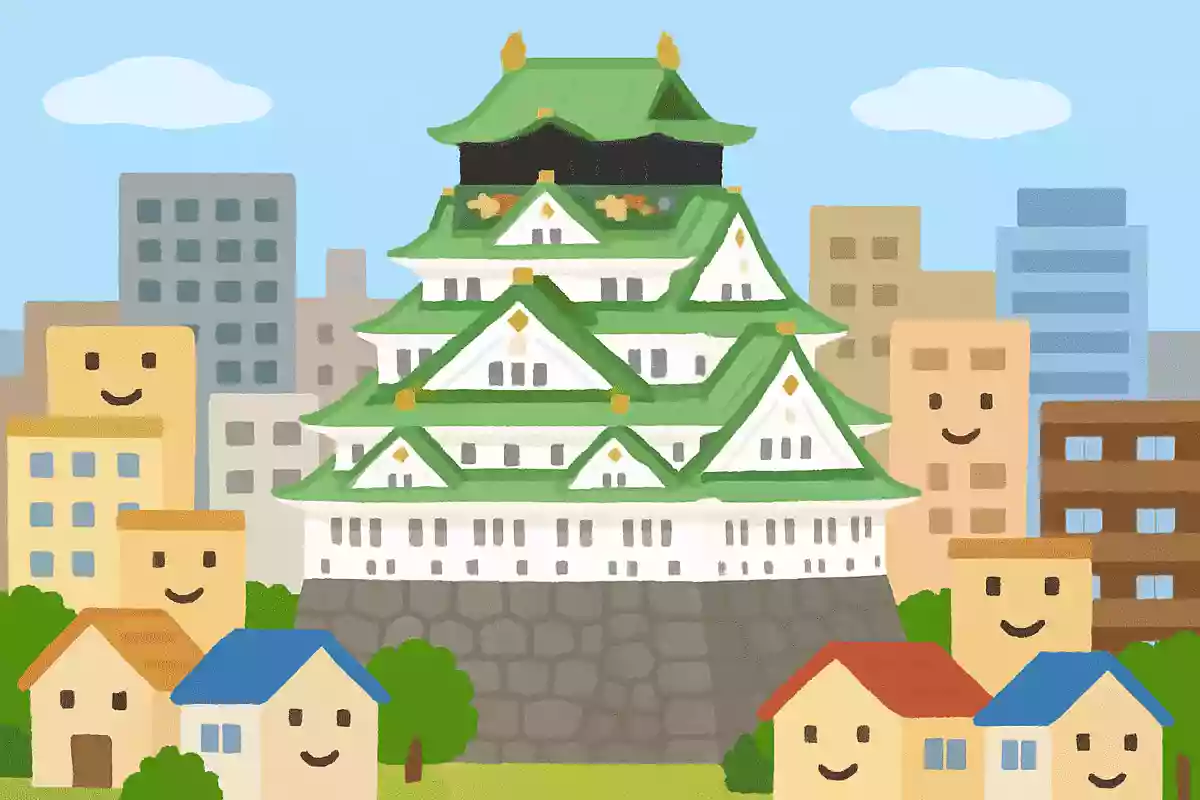
Osaka Castle, known for having been built by Toyotomi Hideyoshi, is a beloved local spot also called Taikō-han’s castle.
One reason it feels like a symbol of Osaka is the prevalence of districts named 1-chome around it.
Because the addresses are ordered outward from the castle—1-chome closest, then 2-chome, and so on—there end up being many 1-chome areas around Osaka Castle.
There are similar examples in Japanese place names, such as Bizen, Bitchu, and Bingo being named by their proximity to the capital, offering a handy bit of trivia that shows what was considered central in a given area.

In conclusion
We’ve introduced a whole bunch of fun facts related to Osaka. Didn’t you discover quite a few new tidbits thanks to this article? Be sure to remember these facts and put them to use during your travels or share them with your friends!