

“Chau chau, anta” — a Kansai-dialect tongue twister. A phrase only Kansai folks can say.


There are lots of tongue twisters, but did you know there are ones that use dialects too?
Among them, Kansai-dialect tongue twisters are famous!
Some of you might already know the tongue twister that uses the Chow Chow dog and the Kansai word chau, which means “not” or “different.”
In this article, we’ll introduce a bunch of tongue twisters in Kansai dialect.
We’ve gathered tricky ones that use Kansai words like “chau chau,” “anta,” and “sara,” which can be hard for people from other regions to say smoothly.
Whether you’re from Kansai or not, give them a try!
- Tongue twisters that will make you laugh out loud! Super funny
- Bursting into laughter! A roundup of Hakata dialect tongue twisters
- Kansai dialect quiz roundup: origins and example sentences included!
- Nagoya dialect tongue twisters are exquisite! A fun collection where your tongue gets tied in knots with regional dialects
- Challenging tongue twisters: Introducing high-difficulty phrases and sentences!
- [Diction Training] A Collection of Tongue Twisters to Improve Articulation
- [Can you understand what they're saying?] Quiz on dialects from various regions
- Chinese tongue twisters: A collection of rao kou ling helpful for learning Chinese
- A collection of long tongue twisters. Also recommended for practicing announcements and narration.
- [Recreation] Challenge! A roundup of tongue twisters recommended for elementary school students
- Trivia & fun facts about Osaka Prefecture
- Get Caught? Or Not!? Simple Ways to Kill Time During Class
- The magical power of words that make people laugh! A collection of quotes that lighten the heart
“Chow-chow, you!” A Kansai dialect tongue twister. Words only Kansai people can say (1–10)
You said to smoothly wrap the dishes with gauze, right, Sara? Now you’re wrapping a broken dish with gauze—what on earth are you showing off (with that gauze), Sara?
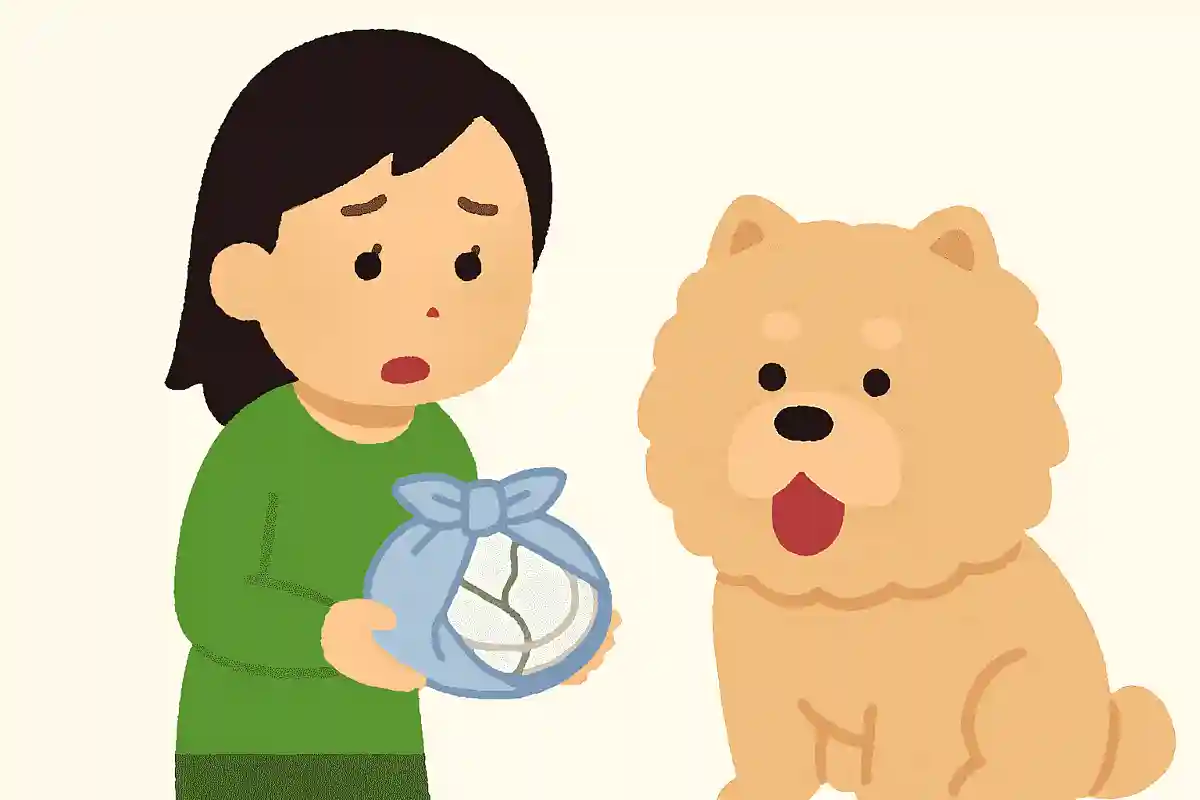
This is a tongue twister that uses sara, a Kansai dialect word meaning “brand-new,” and sara, the plate you put food on.
When written in hiragana, both are the same word, but their intonation is clearly different, so being mindful of that will make it easier to say.
At the end of the sentence, yet another different “SARA” appears, so pay extra attention to rhythm when pronouncing it.
Also note the appearance of similar words like sarashi and sarasara; as long as you can stay aware of which sara each pronunciation is closest to, you should be fine.
If you get fired up speaking Kansai dialect, you might end up rolling your tongue, but that actually makes it harder to say.
Since this is a tongue twister, it’s best to focus on precise pronunciation.

My dad was muttering in a small voice, saying he’d put the little brown teacup in a slightly different place.
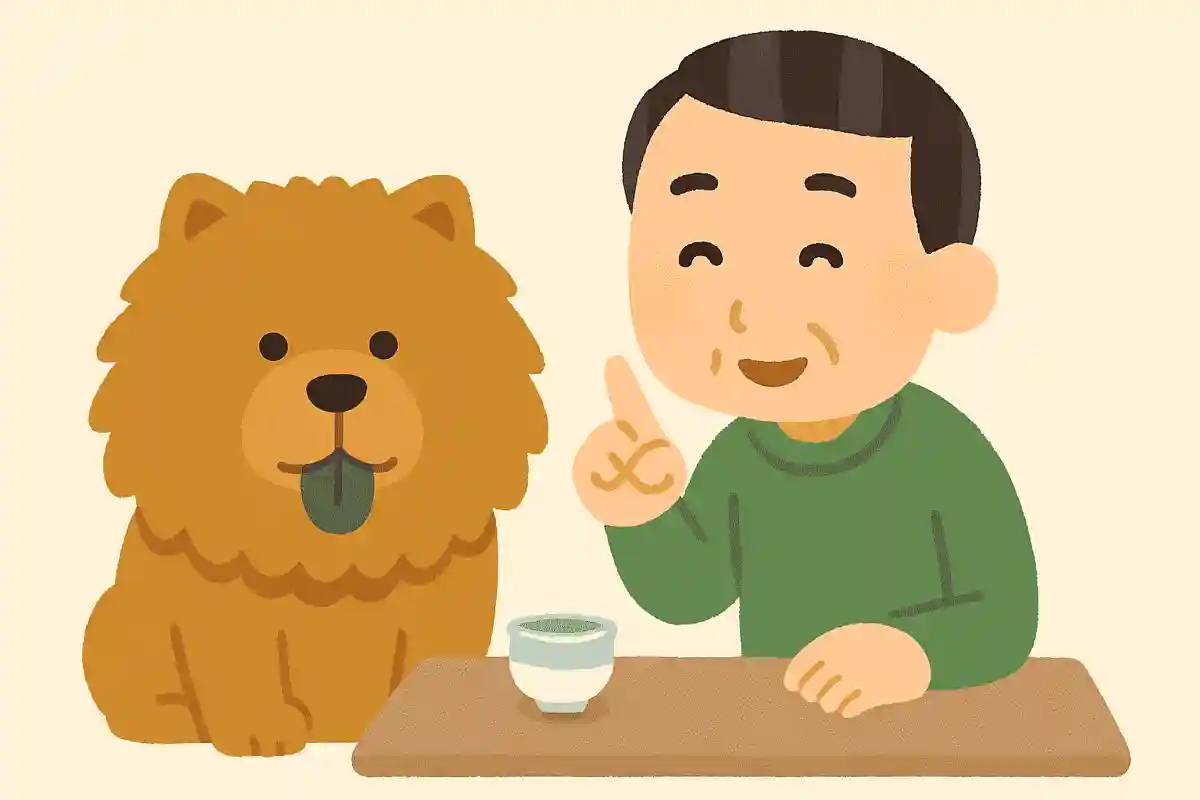
Let’s test Kansai folks’ sense of pronunciation with a tongue twister that balances cute-sounding words with real difficulty.
With repeated sounds like “chicchai,” “chau,” and “chu-chu,” it challenges both articulation and concentration.
Picture a dad who’s picky about where the tea chocolates are placed, muttering complaints under his breath—choosing words that capture that scene is what makes it funny.
It can instantly turn the moment into a sketch-like world.
Many people stumble when they try to say it with a snappy tempo, making it a phrase packed with the playful spirit unique to Kansai dialect.

You keep calling me “you, you,” but I don’t go around calling you “you, you,” so stop calling me “you, you,” you!

The fun part is how your tongue gets twisted by repeating “anta” and “atashi” over and over.
It’s great practice for rhythm and pronunciation when read aloud by both kids and adults.
It feels like a humorous exchange—“Don’t say anta or atashi!”—almost like a real conversation.
The key is to savor the words and laugh as you take on the challenge.
Each read creates slightly different rhythms and pauses, so repeating it makes it even more enjoyable.
It’s a playful way to cultivate a feel for language—and once you read it, you might find it irresistibly catchy.

[Chau-chau, You] A Kansai-dialect tongue twister. Words only Kansai people can say (11–20)
Fools keep saying ‘you’re a fool’ and calling me a fool, but aren’t the real fools the ones saying that?
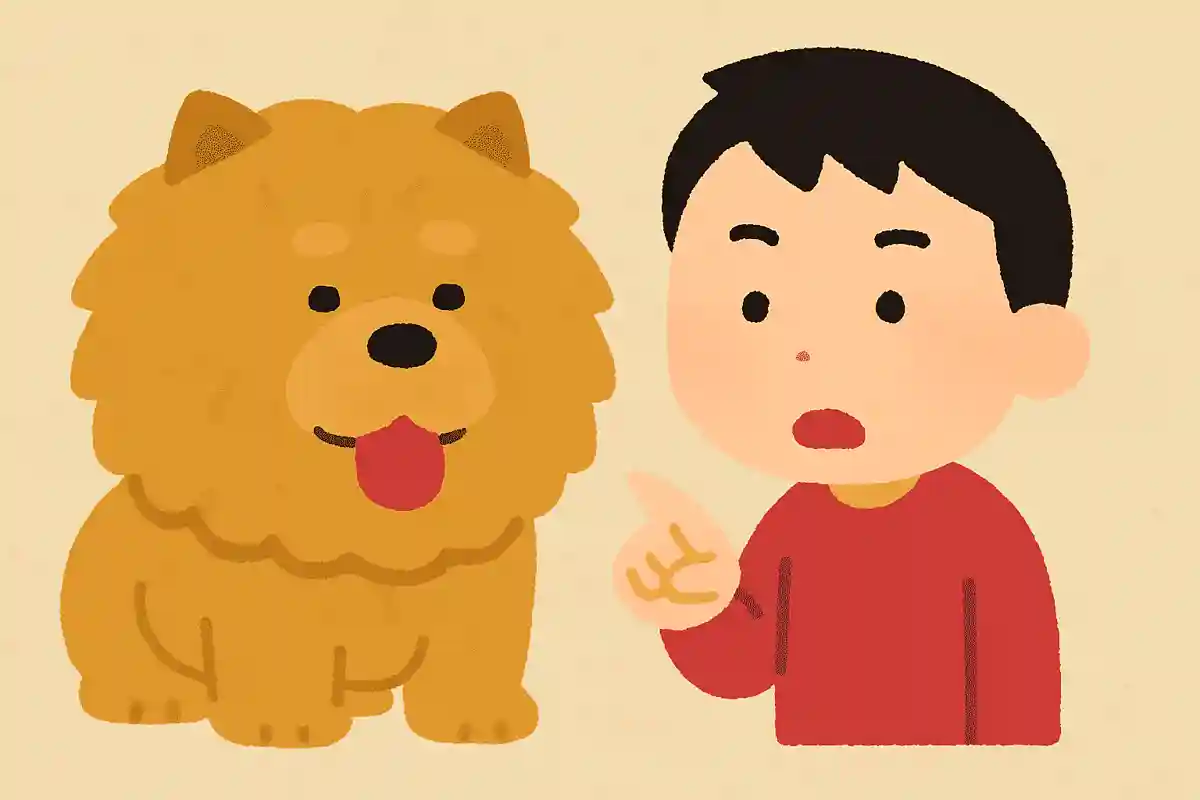
This phrase packs in the nuance of teasing the other person while repeating the same word over and over.
In Kansai, “aho” isn’t just an insult—it’s often used affectionately, so it has the power to turn things into a joke.
Because the flow of the words is quirky, it’s funny in a way that can leave even the speaker unsure what they’re saying once they say it out loud, letting you enjoy the rhythm of the conversation and the cleverness of the phrasing.
It’s a line that really tests the timing and comeback skills unique to people from Kansai.
It’s a handy tongue twister that invites laughter and lightens the mood.
My mom’s mom looks like my mom—she’s a grandma who’s like my mom.
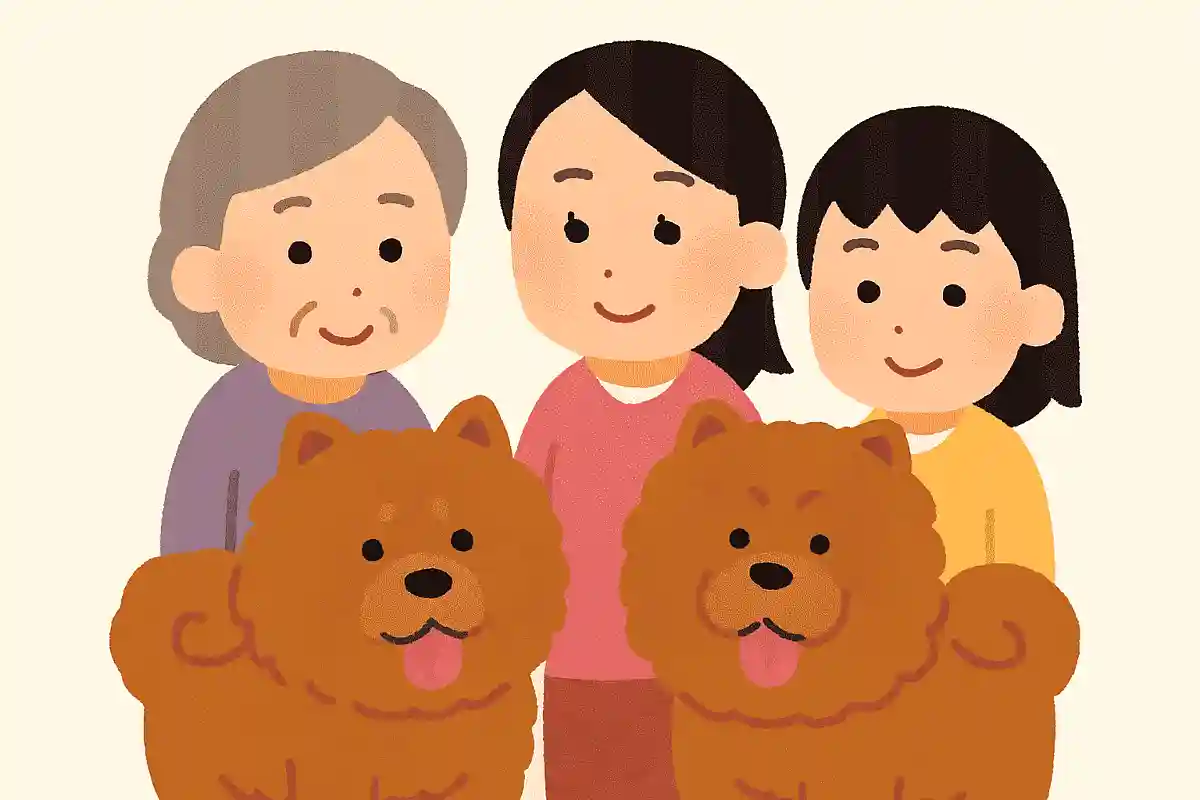
Even within the family, this phrase—where “okan” shows up more than anything—blends a uniquely Kansai-style warmth with a vibe that’s passed down across generations.
What’s being said seems complicated at first glance, yet somehow you can picture it—that’s the fun of Kansai dialect.
By repeating the word “okan” over and over, the speaker’s point gets fuzzier, and the listener can’t help but laugh along.
It humorously captures a chain of words spanning three generations, and even in the wordplay, you can feel the warmth of home.
Said quickly, it trips everyone up—a perfect turn of phrase for sparking conversation.
A hardcore Kansai native goes full-on rage in an ultra-serious, for-real, no-nonsense meeting
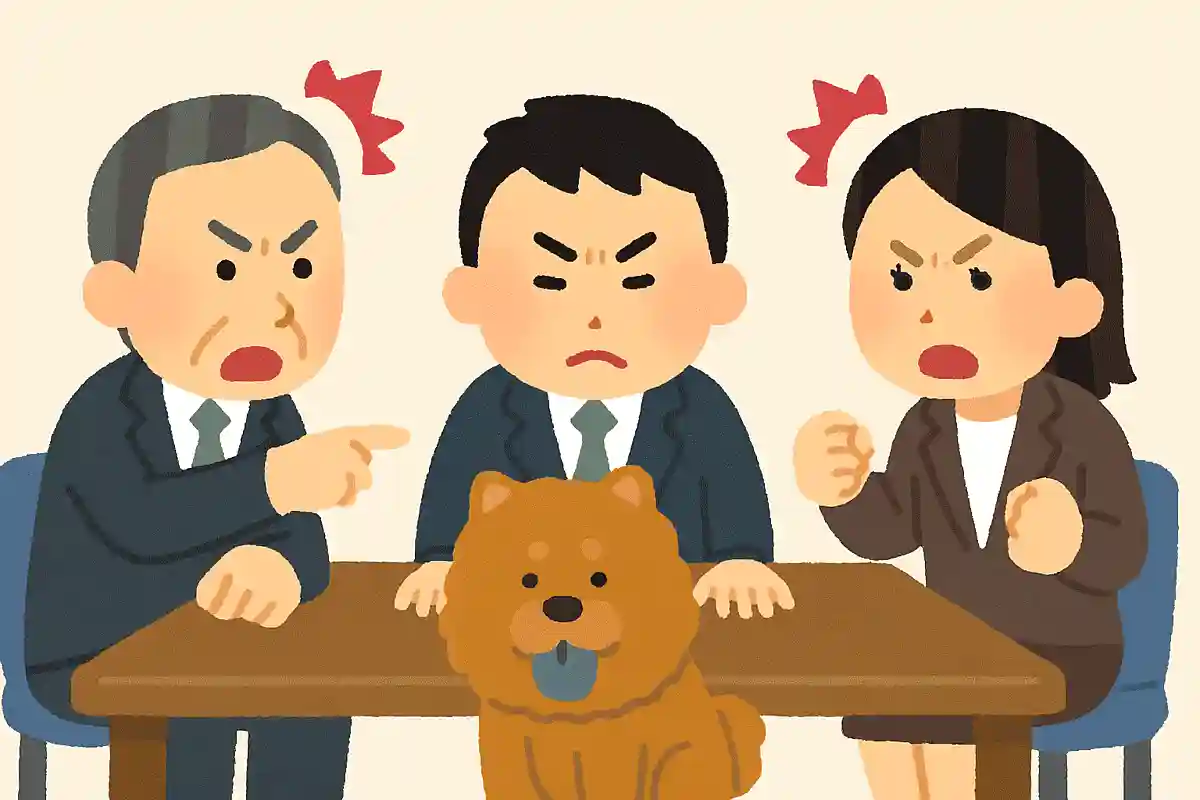
This is a tongue twister that lets you enjoy the feeling of words losing their meaning by repeating the same phrase over and over.
Because “gachi,” meaning “for real,” appears in succession, it makes a strong impression at first, but the more you repeat it, the more it starts to feel like a gag—that’s the fun of this phrase.
You don’t hear terms like “gachi-gire” (seriously pissed) or “gachi kaigi” (a serious meeting) very often in daily life, and the structure makes it easy for anyone to stumble.
Add the rhythm of Kansai dialect, and it gets even quirkier and more exciting as a wordplay.
It also works great as a forfeit-game line or a quick one-liner to lighten the mood.
Old man Macchan—Macchan kept saying “maccha, maccha,” so they ended up mixing it up with matcha, I’m telling you.
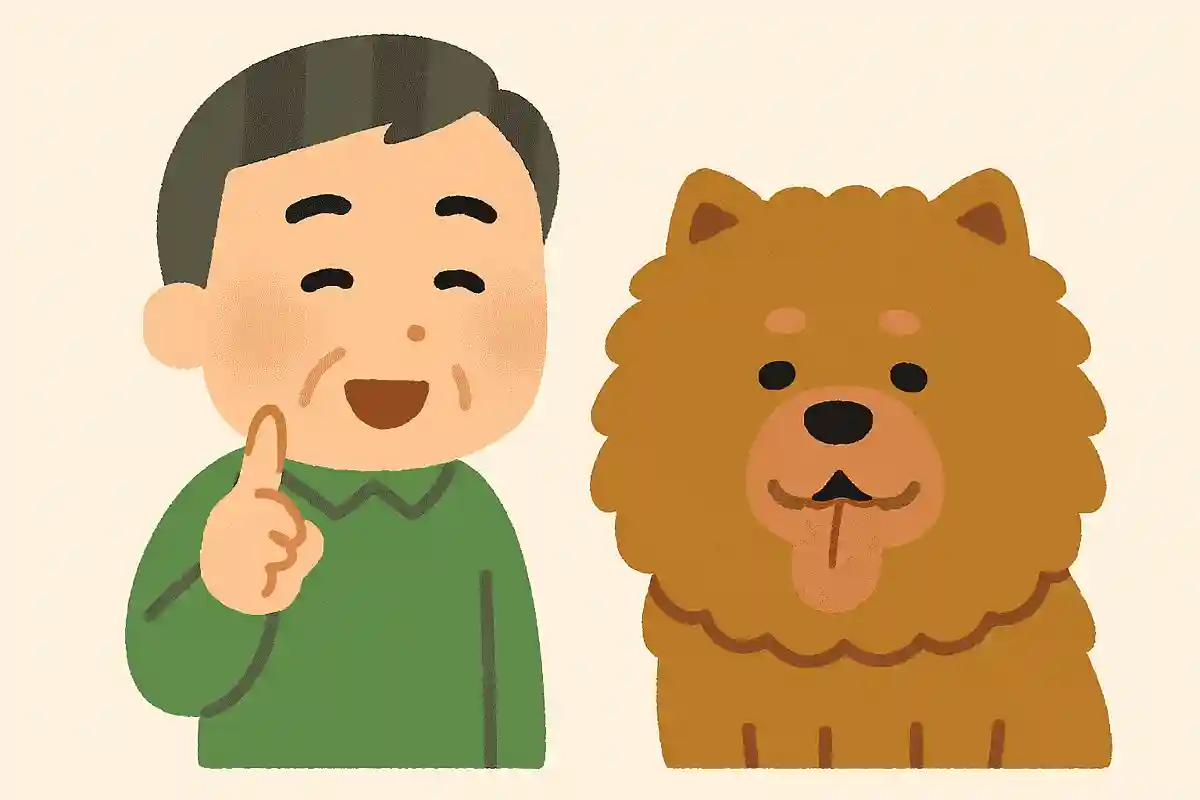
This tongue twister plays on the similar sounds of “Macchan” (a nickname) and “matcha” (green tea), making it fun for both the speaker and the listener.
As the person’s name Macchan and the drink matcha get mixed up, there’s a moment where you can’t tell what’s being said—and that’s where the laughter comes from.
It’s the kind of joke that really works with Kansai’s characteristic rhythm and punchline style, and even the act of pointing out the mistake is part of the fun.
If you don’t pay attention to rhythm and pronunciation, it’s easy to stumble, so just trying it can get everyone excited.
It’s surprisingly tricky when you say it out loud, and it’s the kind of phrase that makes you want to keep trying until you nail it.