

“Chau chau, anta” — a Kansai-dialect tongue twister. A phrase only Kansai folks can say.


There are lots of tongue twisters, but did you know there are ones that use dialects too?
Among them, Kansai-dialect tongue twisters are famous!
Some of you might already know the tongue twister that uses the Chow Chow dog and the Kansai word chau, which means “not” or “different.”
In this article, we’ll introduce a bunch of tongue twisters in Kansai dialect.
We’ve gathered tricky ones that use Kansai words like “chau chau,” “anta,” and “sara,” which can be hard for people from other regions to say smoothly.
Whether you’re from Kansai or not, give them a try!
- Tongue twisters that will make you laugh out loud! Super funny
- Bursting into laughter! A roundup of Hakata dialect tongue twisters
- Kansai dialect quiz roundup: origins and example sentences included!
- Nagoya dialect tongue twisters are exquisite! A fun collection where your tongue gets tied in knots with regional dialects
- Challenging tongue twisters: Introducing high-difficulty phrases and sentences!
- [Diction Training] A Collection of Tongue Twisters to Improve Articulation
- [Can you understand what they're saying?] Quiz on dialects from various regions
- Chinese tongue twisters: A collection of rao kou ling helpful for learning Chinese
- A collection of long tongue twisters. Also recommended for practicing announcements and narration.
- [Recreation] Challenge! A roundup of tongue twisters recommended for elementary school students
- Trivia & fun facts about Osaka Prefecture
- Get Caught? Or Not!? Simple Ways to Kill Time During Class
- The magical power of words that make people laugh! A collection of quotes that lighten the heart
[Chau-chau, You] A Kansai-dialect tongue twister. Words only Kansai people can say (11–20)
Takashi-kun from next-door Tanaka’s place would sometimes fool around with Takeshi and end up tussling.
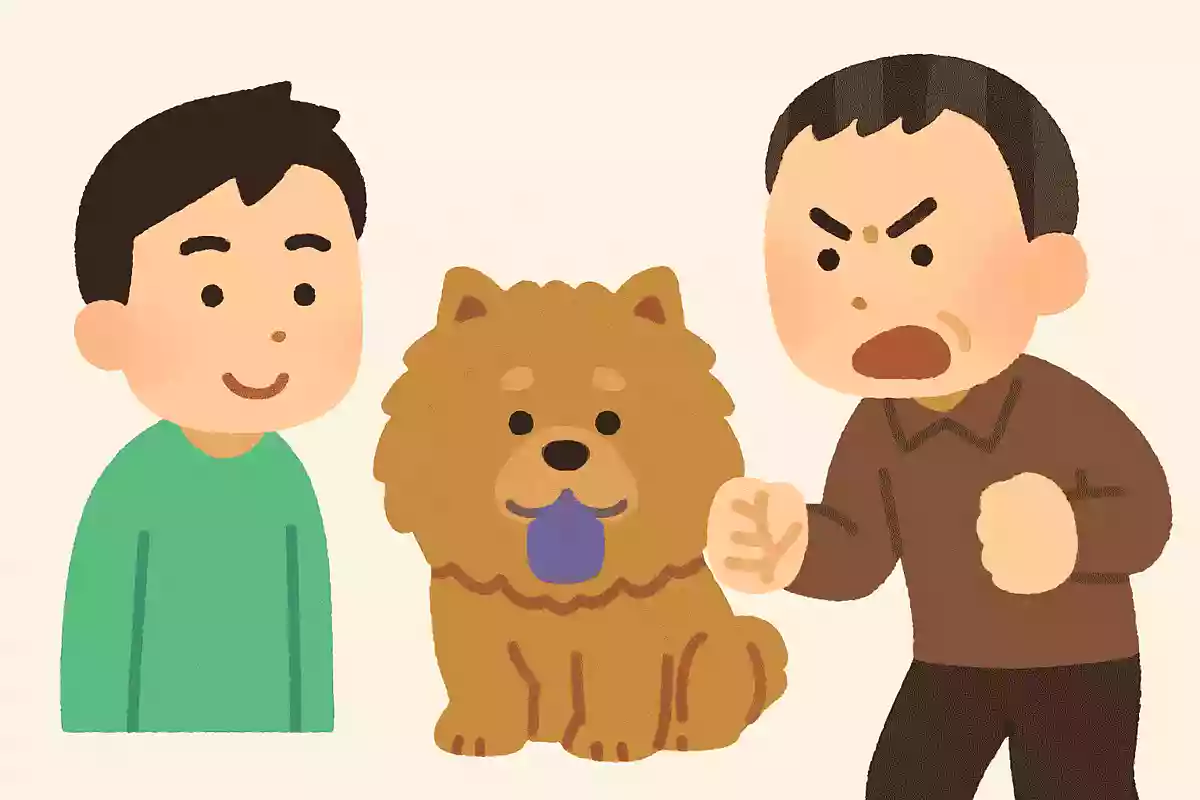
It’s a Kansai dialect phrase where similar-sounding words come one after another, making it hard to tell what’s being said.
It strings together words starting with “ta,” like Tanaka, Takashi, and Takeshi, and if you can get through it without tripping over your tongue, it’s applause-worthy.
The pace is so quick that even listeners can’t keep up with the content, yet it strikes a perfect balance that Kansai folks grasp effortlessly.
It evokes a vibe like a little spat between local kids, and just using it makes it feel friendly.
It’s a line whose humor really stands out when spoken aloud.

You keep saying hurry up, but the one who needs to hurry is you, the one saying hurry up.
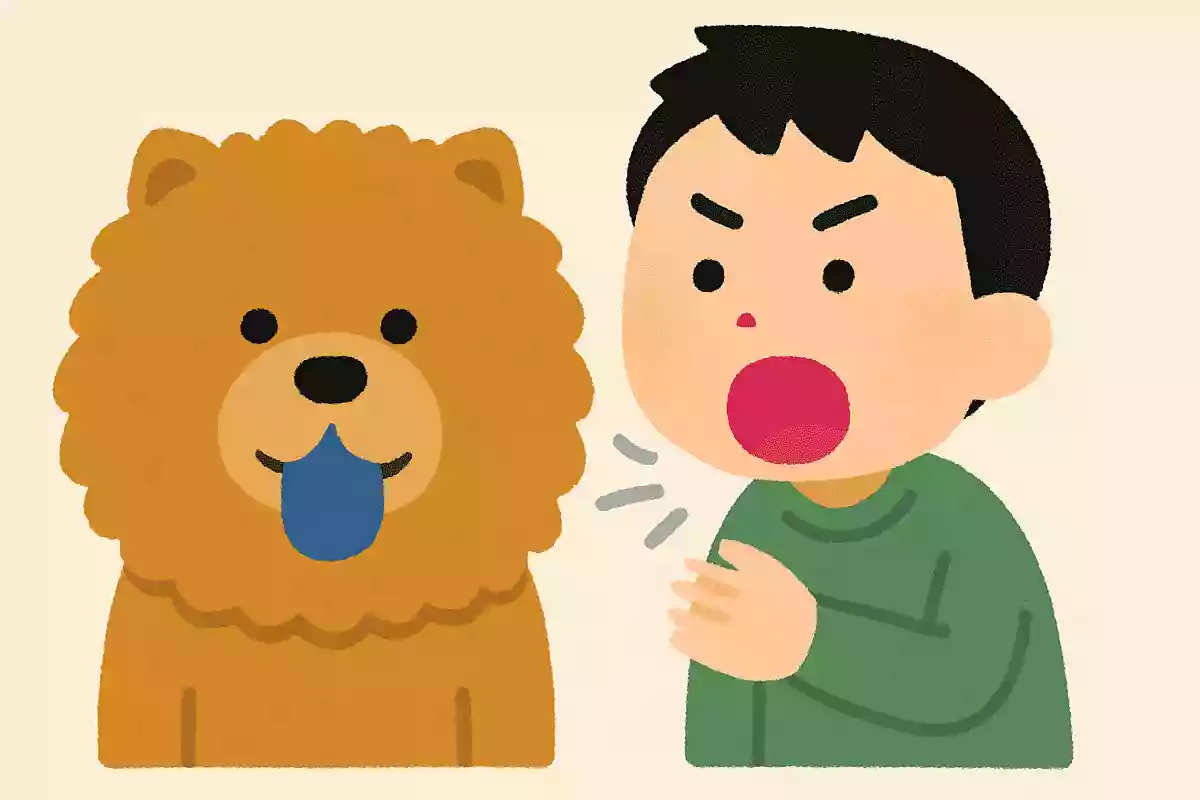
This phrase showcases the art of delivering a light complaint disguised as a witty jab.
For people from Kansai, expressions like this often come naturally in everyday conversation, and the snappy rhythm helps make the exchange more fun.
Even though it repeats “hayo” (“hurry up”) several times, the shifting meaning gives it a structure that’s more than mere repetition—it’s a playful word game I highly recommend.
While it can be hard for listeners to grasp instantly, the person being addressed somehow finds it oddly convincing.
Put it to a rhythm and it’ll spark laughter—a quintessentially Kansai-style one-liner.
I said either one is fine, but they’re both just as bad and neither is any good.
These phrases brilliantly recreate, in Kansai dialect, the kind of conversation you often hear when someone’s being forced to choose.
They say “Either’s fine,” but you can glimpse the true feeling of “Honestly, neither’s that great…” The looping, going-in-circles rhythm is part of the fun.
When you say them out loud, the sounds are similar and easy to stumble over, but many Kansai speakers can deliver them with a snappy, comedic rhythm—that’s what makes it even funnier.
It seems like you’re offering choices, but there’s a twisted sort of kindness in not really intending to let the other person choose.
It’s a handy bit you can easily work into everyday small talk.
You keep saying there’s something about everything, but it kinda feels like there’s nothing to it.
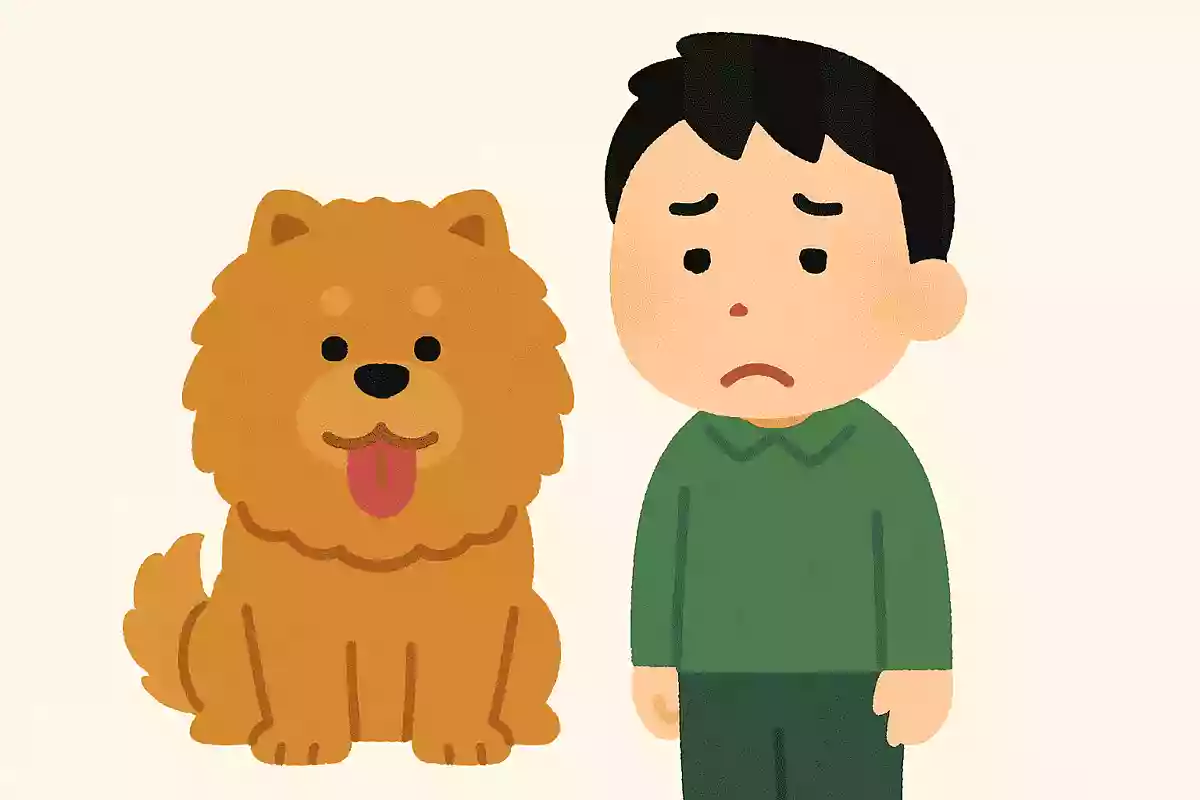
These are phrases that Kansai people use to neatly express a vague sense of discomfort or an ambiguous feeling that pops up in the moment.
By combining everyday words like “nande mo” (whatever) and “nanka” (kind of), they manage to convey a hazy unease in a playful way.
The content is essentially negative, but instead of stating it outright, they soften it with phrasing like “kanji suru nen” (“it kinda feels like that”), which also reflects the Kansai-style desire for the listener to read between the lines.
Deliberately avoiding firm statements and leaving room for the other person’s imagination invites quips and empathy, making it a good conversation starter.
Its strong, quirky phrasing that’s easy to stumble over is part of the charm, too.
I didn’t know that saying “I don’t know though” makes you sound like you know—well, I don’t know though.
The Kansai-dialect phrase shiran kedo—literally “but I don’t know”—is a magical little tag you can tack onto the end of a sentence to soften how irresponsible it sounds.
It’s typically delivered in a strangely confident tone even as you say “I don’t know,” and that contradiction becomes part of the joke—a showcase of Kansai folks’ conversational flair.
This tongue-twister of a phrase gets funnier the more you say it, as your own footing grows less certain.
You might think it’s an escape hatch, only for the punchline to be, “So you didn’t know either, huh?” In a single line, it neatly captures the structure of Kansai-style humor.
A brother who looks like my brother’s brother—just how many brothers do I have?
This phrase, which sounds like it might describe a complicated family structure, is actually a kind of tongue twister that repeats “older brother” over and over until your brain gets tangled.
Once you start wondering, “Whose older brother is the older brother?” you can’t stop, and it tickles both your sense of language and your imagination.
In Kansai, the word “niichan” (older brother) is used affectionately and can apply even to non-relatives, and that ambiguity is part of what makes this sentence so amusing.
Even if you can say it at a good clip, you can’t help but laugh when you try to follow the meaning, making it a perfect one-liner to trot out as a bit.
[Chau chau, anta] A Kansai-dialect tongue twister. Words only Kansai people can say (21–30)
Chatty little Shin-chan—when he suddenly started talking all casual-like, it turned out everything he said was flimsy gibberish. That’s the story.
This is a bit that briskly captures, in Kansai dialect, the surprise when someone who usually doesn’t talk suddenly starts chatting, and the humor in the mismatch when what they say turns out to be empty.
The sound of “shaba-shaba” carries a nuance of being thin and insubstantial, which makes for a very effective punchline.
The setup vividly evokes the speaker’s abruptness and the listener’s reaction, turning a relatable, everyday situation—something everyone’s likely experienced—into a laugh line.
It’s a sentence that, even if you can say it smoothly, you’ll probably trip over unless you truly understand what the words mean.