

Kansai dialect quiz roundup: origins and example sentences included!

Because many comedians come from the Kansai region, you often hear Kansai dialect on TV.
While expressions like “Nandeyanen!!” and “—yan!!” are recognizable for their distinctive endings and intonation, there are plenty of words that people outside Kansai might not understand.
In this article, written by an author from Kansai, we present a Kansai dialect quiz that can be tricky for those from outside the region.
The article is structured as a multiple-choice quiz with three options, and we’ll also explain the origins and provide example sentences, so please enjoy as you read.
Some terms might even be unfamiliar to younger people in Kansai, so those from Kansai should check it out too!
- “Chau chau, anta” — a Kansai-dialect tongue twister. A phrase only Kansai folks can say.
- Trivia & fun facts about Osaka Prefecture
- [Can you understand what they're saying?] Quiz on dialects from various regions
- [For Elementary School Students] Collection of Local Quizzes from Osaka Prefecture
- Bursting into laughter! A roundup of Hakata dialect tongue twisters
- Fun games for kids in Kansai. Recreation games
- Tongue twisters that will make you laugh out loud! Super funny
- Parody song in a dialect
- [Interesting] Summary of Kanji Reading Quiz Questions
- Nagoya dialect tongue twisters are exquisite! A fun collection where your tongue gets tied in knots with regional dialects
- Fun quizzes that liven up the party. Quizzes everyone can enjoy.
- [General] Surprisingly unknown? Test your geography skills with a three-choice quiz on Japan’s prefectures
- Abbreviation quiz: things you might not actually know? From everyday terms to youth slang
Kansai Dialect Quiz Roundup: Origins and Example Sentences Included! (1–10)
on the way (there)
- breath; breathing; taking a breath (breath control)
- cross over to heaven
- on the way (there)
See the answer
on the way (there)
Written in kanji as 「行きしな」 (ikishina), this word isn’t well understood outside the Kansai region. The element 「しな」 carries the meaning of “while doing X,” “on the occasion of X,” or “in the course of X,” so 「帰りしな」 is also commonly used to mean “on the way back.” Example sentence: “I’ll pick up a drink on the way there.”

motor pool
- boat racecourse
- Parking lot
- Lazy river
See the answer
Parking lot
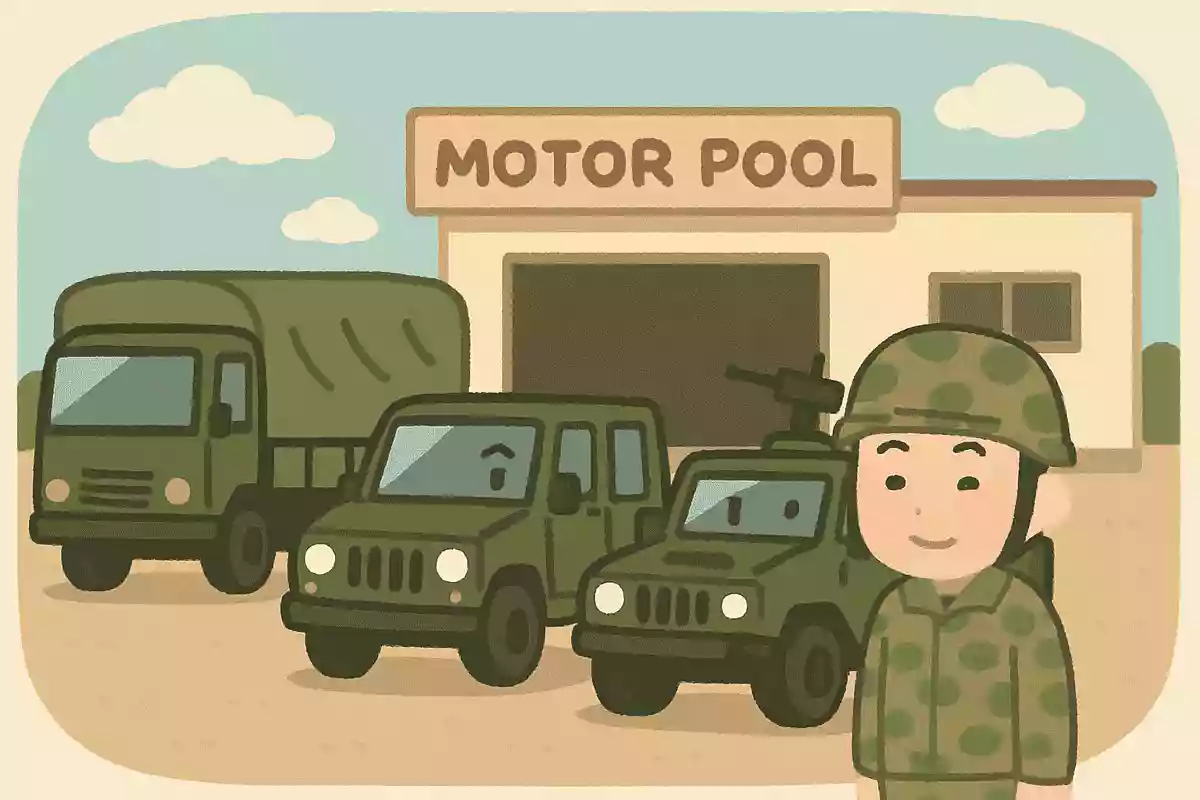
It’s said that two-thirds of all properties named “motor pool” in Japan are in Osaka, that’s how common the term is there. Originally, after the war, places where military vehicles were kept were called motor pools. While in Tokyo many such sites were redeveloped with buildings, in Osaka many remained in use as parking lots. That’s why in the Kansai region the term “motor pool” took root with the meaning “parking lot.” Example: (sign) “Motor Pool — 1,800 yen per day.”
stye
- stye
- eye discharge
- eyelashes
See the answer
stye
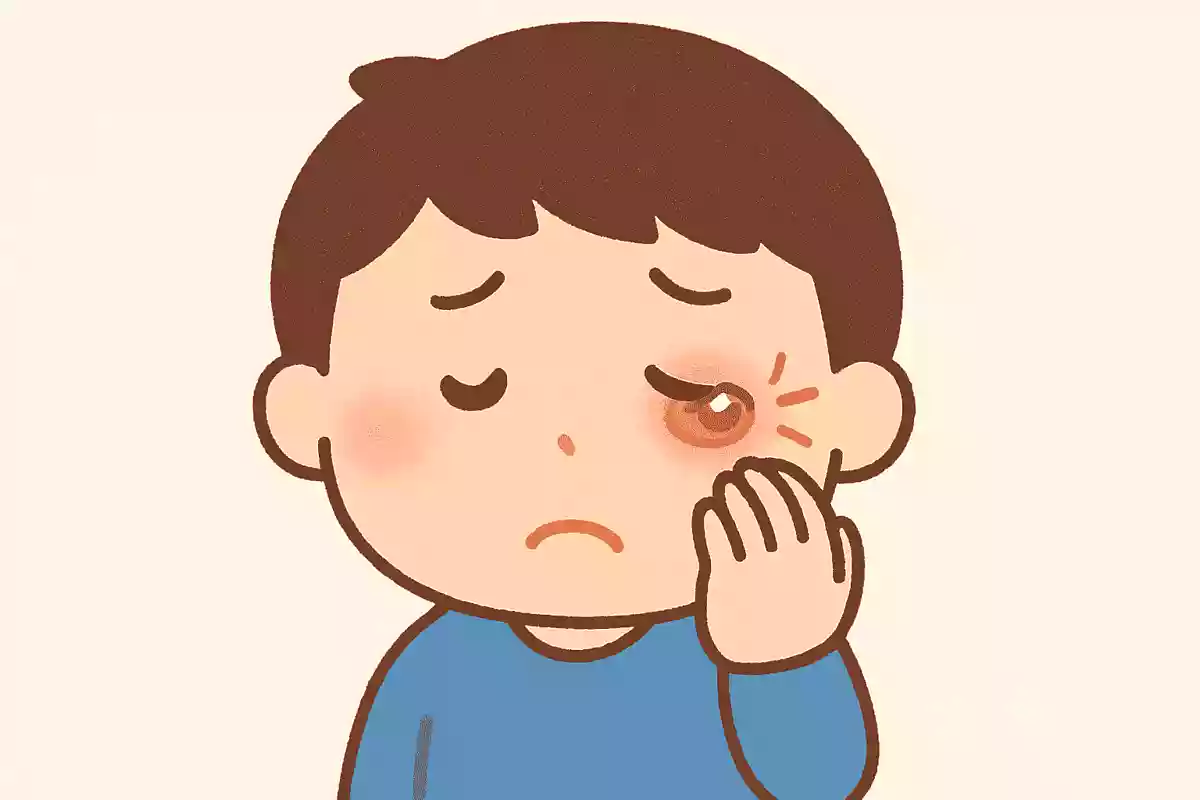
It refers to a stye—an inflammation on the eyelid caused by bacteria such as Staphylococcus aureus. Its etymology isn’t clear, but it seems to be a term used only in the Kansai region. In other regions, a stye is called by various names depending on the area, such as “memorai,” “menbo,” “baka,” or “ohimesan,” in addition to “monomorai.” Example sentence: “I’ve got a stye and it hurts.”
Kansai Dialect Quiz Roundup: Origins and Example Sentences Included! (11–20)
brand new

- Used item
- Brand new
- defective product
See the answer
Brand new
In Kansai, new things are called “sara,” and “sarapin” likewise refers to brand-new items. “Sara” is written with the character for “renewed” (更) and conveys the sense of “completely new.” Also, just as a roll of ones is called “pinzoro,” “pin” represents the number 1. So “sarapin” means “something new that hasn’t been used even once.” Example sentence: “Yappa sarapin no sheets wa kimochi ee na!!” (Man, brand-new sheets feel great!!)
impatient person
- short-tempered person
- Crybaby
- lady-killer; handsome man; playboy
See the answer
short-tempered person
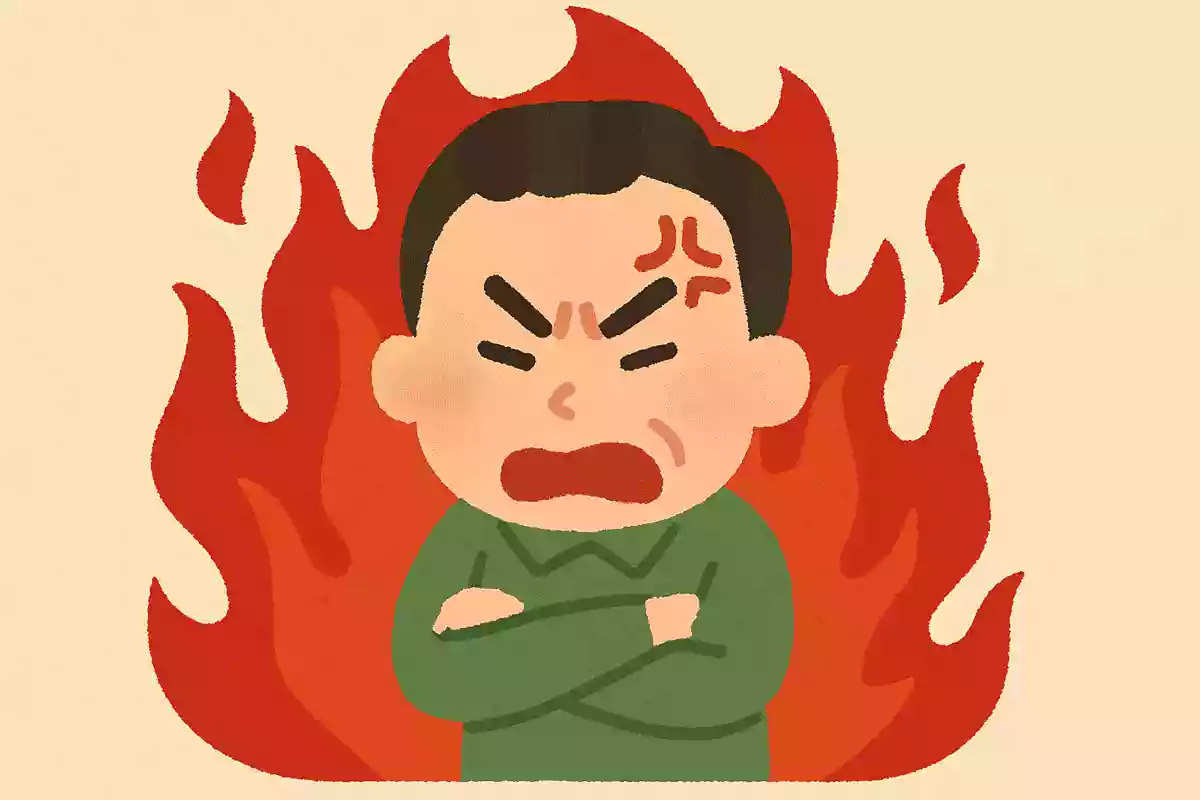
“Iratchi” refers to someone who is quick-tempered or impatient and easily irritated. It seems to derive from the verb “iratsu” (to be irritated). Example sentence: “My dad is super irritable/short-tempered.”
to touch; to handle; to mess with (dialectal/colloquial). Note: irau is mainly used in Kansai and western Japan; the standard Japanese equivalent is sawaru.
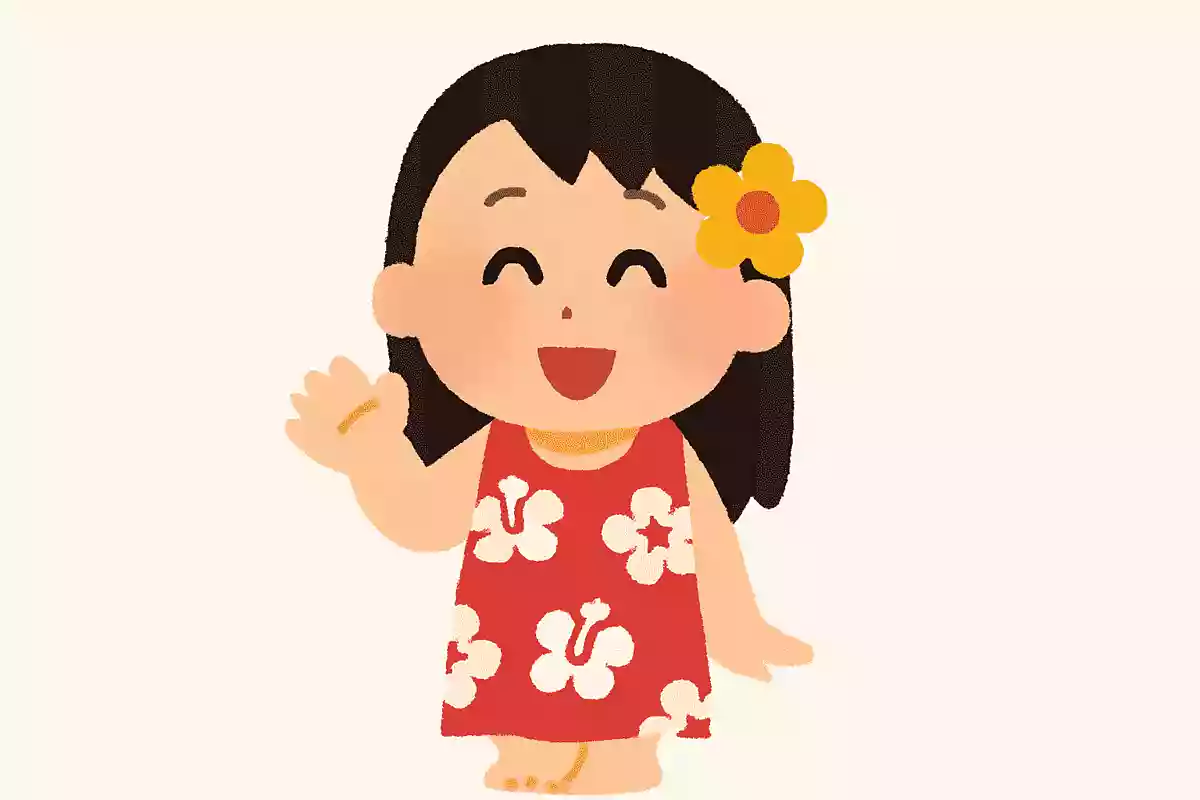
- to feel irritated
- to touch
- pick up
See the answer
to touch
“Irau” means “to touch” or “to fiddle with.” Beyond simply touching, saying “kami o irau” (to irau one’s hair) can also refer to things like dyeing or getting a perm. Example sentence: “Don’t pick at your scab!!”
end of the road / dead end
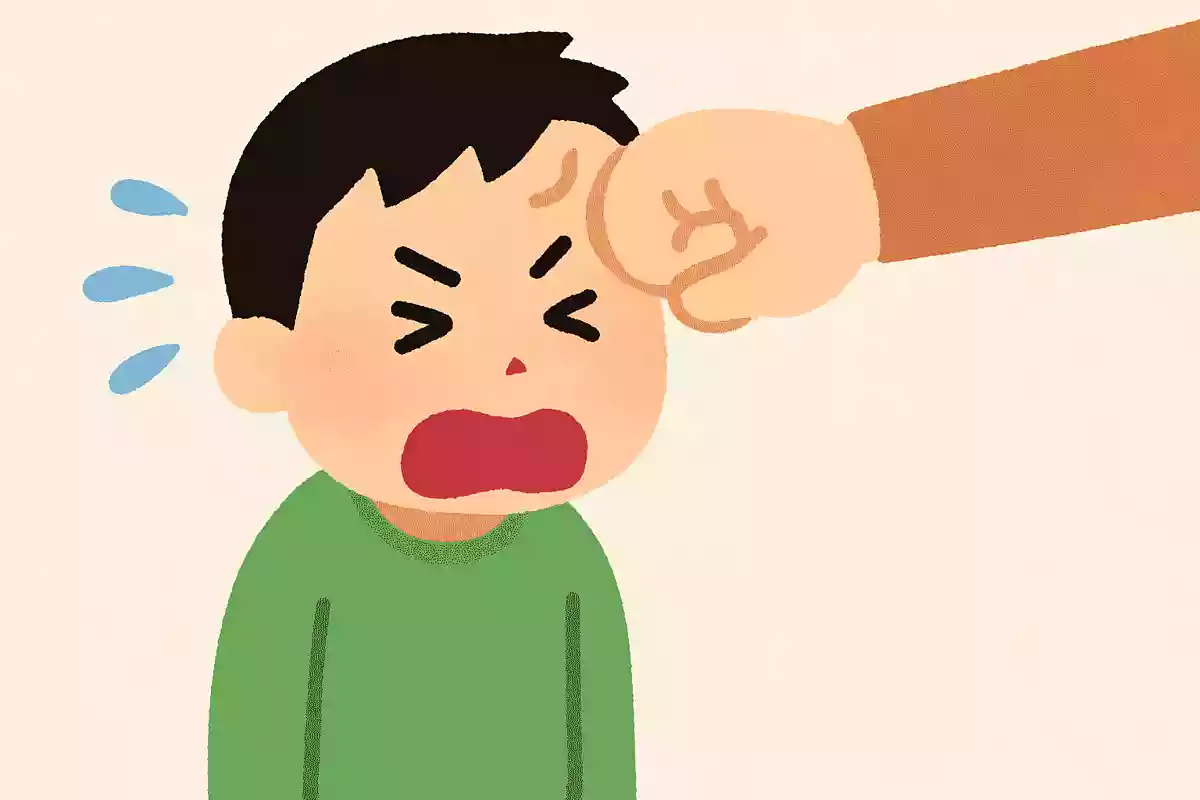
- dead end
- to hit; to strike; to punch
- last place
See the answer
dead end
At first glance, some people might have misunderstood it to mean “to punch,” perhaps because it evokes the image of “socking” someone. In reality, it means “dead end” and comes from the idea of “running straight into” something. It was originally used mainly in Kyoto and is now used as part of the Kansai dialect. Example sentence: “That shop is there if you turn right at the dead end.”