

Quiz on things whose names differ between the past and now. Differences between old terms and modern terms.

When you compare old words with modern ones, there are times when they refer to the same thing but are called completely different names, making you think, “Huh? What is that?” and get confused.
In this article, we’ll present items whose names have changed from the past to the present in a quiz format.
As you imagine how familiar items and various terms that were commonly used in the past are carried on today under new names, give it a try.
Once you learn that this word used to be that word, you’ll find yourself wanting to tell someone about it!
- Let's take on a four-choice quiz that everyone can enjoy together!
- [For Seniors] Nostalgic quizzes that bring back memories! Showa-era entertainment and sports questions
- Abbreviation quiz: things you might not actually know? From everyday terms to youth slang
- [Can you understand what they're saying?] Quiz on dialects from various regions
- [Killing Time] A Collection of Fun Trivia Quizzes You'll Want to Share with Someone
- [General] Surprisingly unknown? Test your geography skills with a three-choice quiz on Japan’s prefectures
- [For Kids] Today’s Quiz Roundup. Let’s play quizzes about today! [April 2026]
- How many can you read? A quiz on difficult kanji for foods
- [For Seniors] Lively two-choice trivia quiz. Handy to know and tidbits you'll want to share with others
- Kansai dialect quiz roundup: origins and example sentences included!
- A quiz of fun trivia: bite-sized knowledge that leads to new insights.
- [For Seniors] Surprisingly Unknown! General Knowledge Quiz
- [Funny] Mean! 10-times Quiz/Question Collection
Quiz on things called differently in the past and now. Differences between old terms and modern terms (21–30)
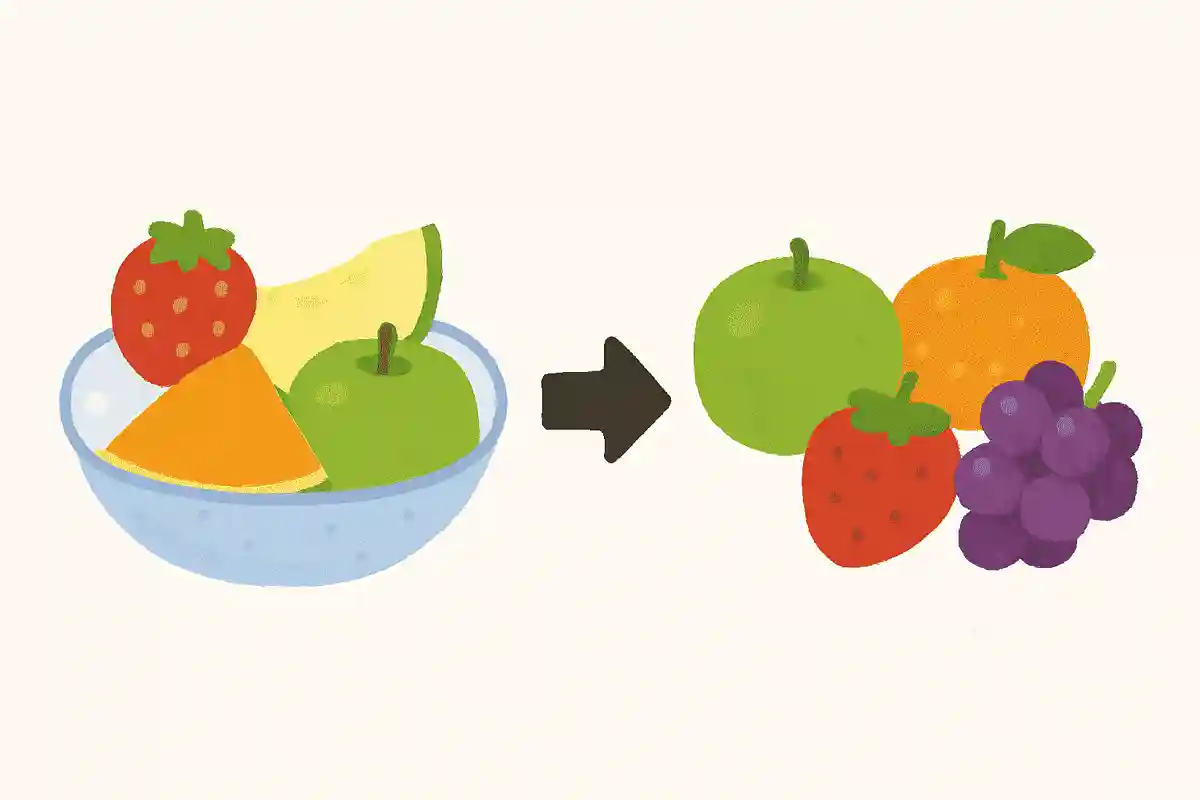
What is “mizugashi” called nowadays?
See the answer
fruit
Before the Edo period, the word kashi (sweets) referred to things like nuts and fruit. Some time after artificially made confections became widespread, people began, around the Edo period, to call moisture-rich fruits mizugashi to distinguish them from man-made sweets. The term is still sometimes used today on kaiseki restaurant menus. You might picture a jelly-like sweet such as mizu-yokan, but that’s not what it means.

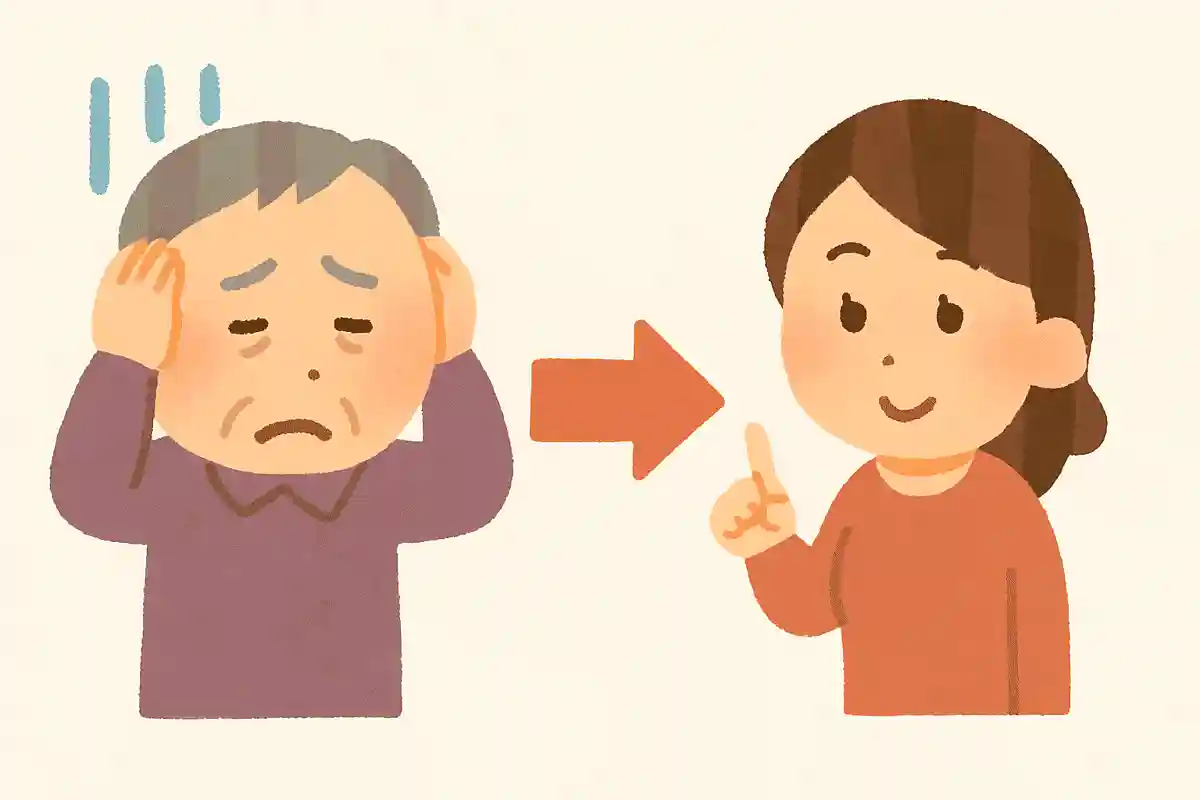
What is “痴呆症” called nowadays?
See the answer
dementia
In 2004, the Ministry of Health, Labour and Welfare decided to change the term from “chiho” (senility) to “ninchi-sho” (dementia). The reasons cited were that the term “chiho” itself is discriminatory and does not accurately describe the symptoms. There were also opinions that the old name was hindering early detection.
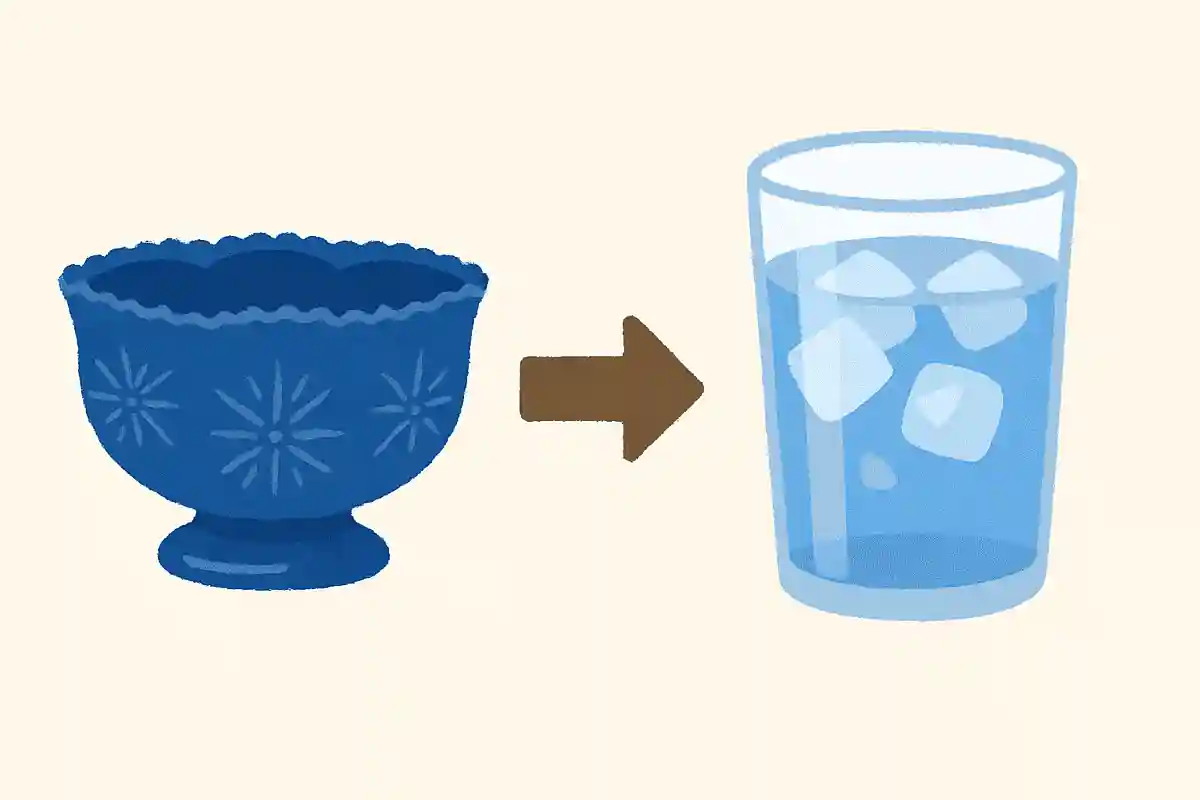
What is “giyaman” called nowadays?
See the answer
glass
Giyaman refers to what we now call glass. Its etymology is the Dutch word “diamant,” meaning diamond. Because diamonds were used to process glass at the time, giyaman came to refer to hard, lustrous glassware.
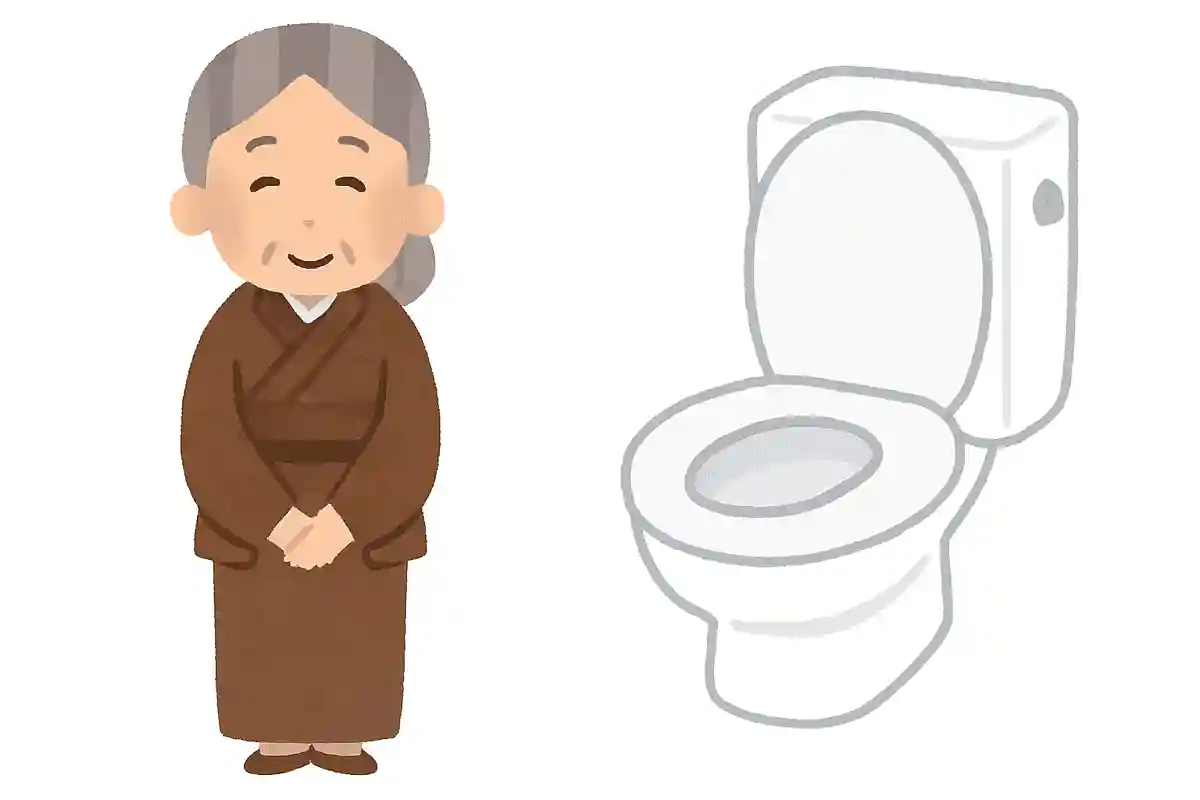
What is “go-fujo” called nowadays?
See the answer
toilet
Gofujo is an old way of referring to the toilet. It’s a euphemistic expression formed by adding the honorific go to fujo, meaning an unclean place, to avoid direct wording. It was a refined euphemism used to circumvent blunt expression and was reportedly used mainly by women at the time. The toilet was also called setsuin or kawaya, among other names.
What is “abekku” called nowadays?

See the answer
couple
“Avec” comes from the French preposition meaning “with.” In the Showa era, “abekku” was commonly used as a noun to refer to a pair of lovers, but nowadays it’s more common to use the English-derived “couple.”
What are “jeans” called nowadays?

See the answer
denim
In the past, jeans were abbreviated and called “Jīpan” in Japanese, but these days they’re more often referred to by the material name, “denim.” There’s also a theory that the term comes from the pants worn by American soldiers, who were called “GI.”
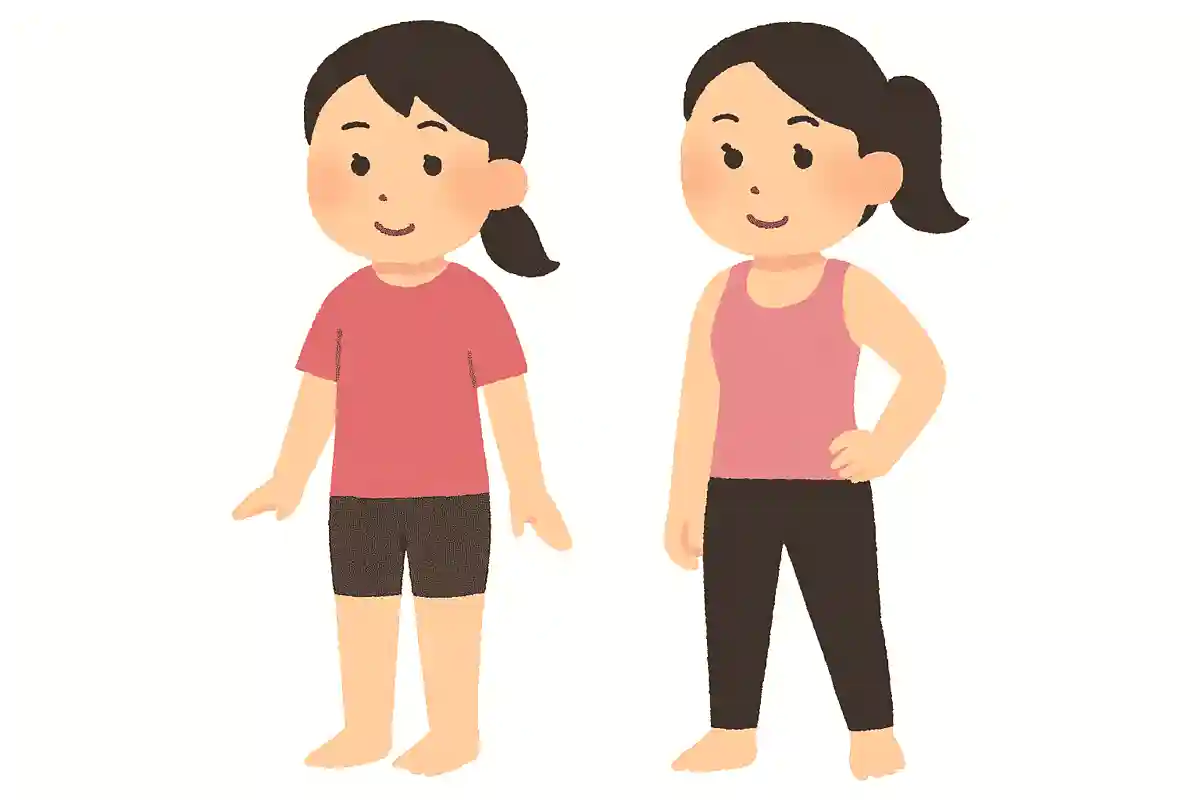
What are “spats” called nowadays?
See the answer
leggings
What used to be called “spats” is now generally referred to as “leggings.” They are highly elastic garments that fit snugly to the legs, and the term change became established following the trend in the late 2000s.