

Quiz on things whose names differ between the past and now. Differences between old terms and modern terms.

When you compare old words with modern ones, there are times when they refer to the same thing but are called completely different names, making you think, “Huh? What is that?” and get confused.
In this article, we’ll present items whose names have changed from the past to the present in a quiz format.
As you imagine how familiar items and various terms that were commonly used in the past are carried on today under new names, give it a try.
Once you learn that this word used to be that word, you’ll find yourself wanting to tell someone about it!
- Let's take on a four-choice quiz that everyone can enjoy together!
- [For Seniors] Nostalgic quizzes that bring back memories! Showa-era entertainment and sports questions
- Abbreviation quiz: things you might not actually know? From everyday terms to youth slang
- [Can you understand what they're saying?] Quiz on dialects from various regions
- [Killing Time] A Collection of Fun Trivia Quizzes You'll Want to Share with Someone
- [General] Surprisingly unknown? Test your geography skills with a three-choice quiz on Japan’s prefectures
- [For Kids] Today’s Quiz Roundup. Let’s play quizzes about today! [April 2026]
- How many can you read? A quiz on difficult kanji for foods
- [For Seniors] Lively two-choice trivia quiz. Handy to know and tidbits you'll want to share with others
- Kansai dialect quiz roundup: origins and example sentences included!
- A quiz of fun trivia: bite-sized knowledge that leads to new insights.
- [For Seniors] Surprisingly Unknown! General Knowledge Quiz
- [Funny] Mean! 10-times Quiz/Question Collection
Quiz on things called differently in the past and now. Differences between old terms and modern terms (21–30)
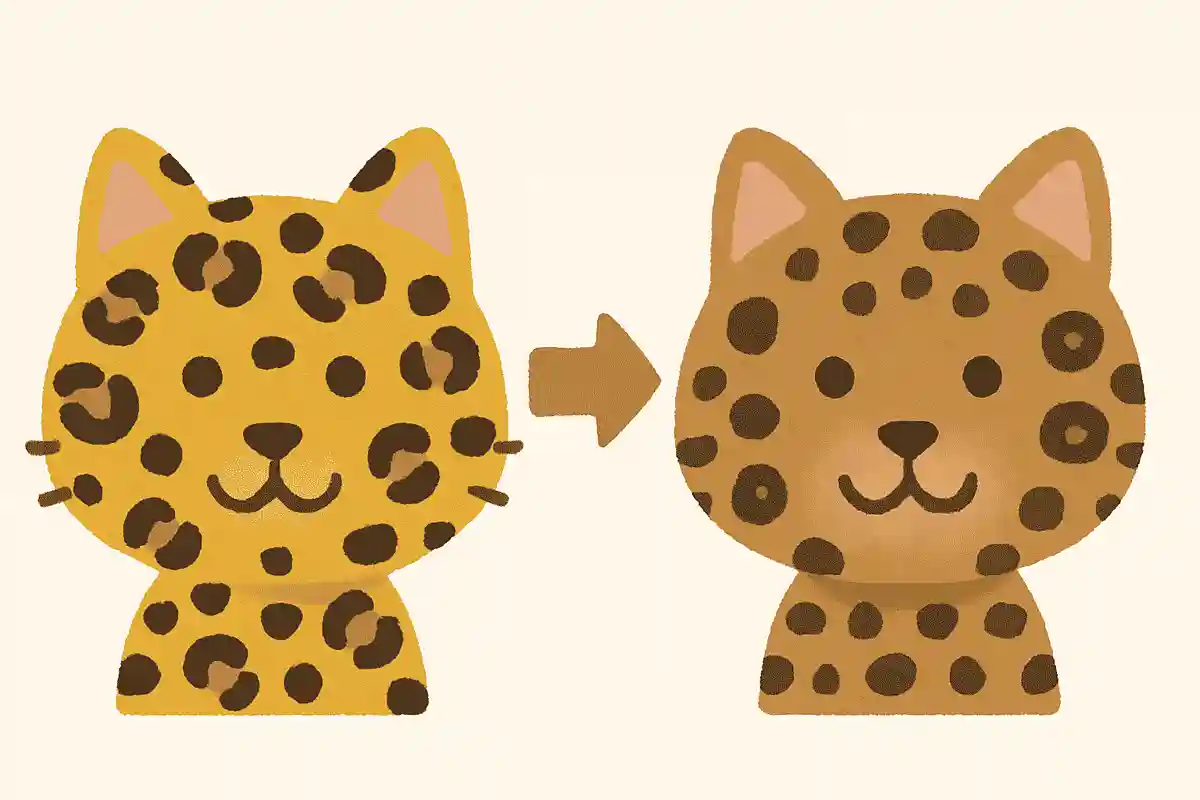
What is “leopard print” called nowadays?
See the answer
Leopard
The term “leopard print” comes from leopard, which means hyō (leopard) in English. Nowadays, it’s more commonly called leopard print than hyō print.

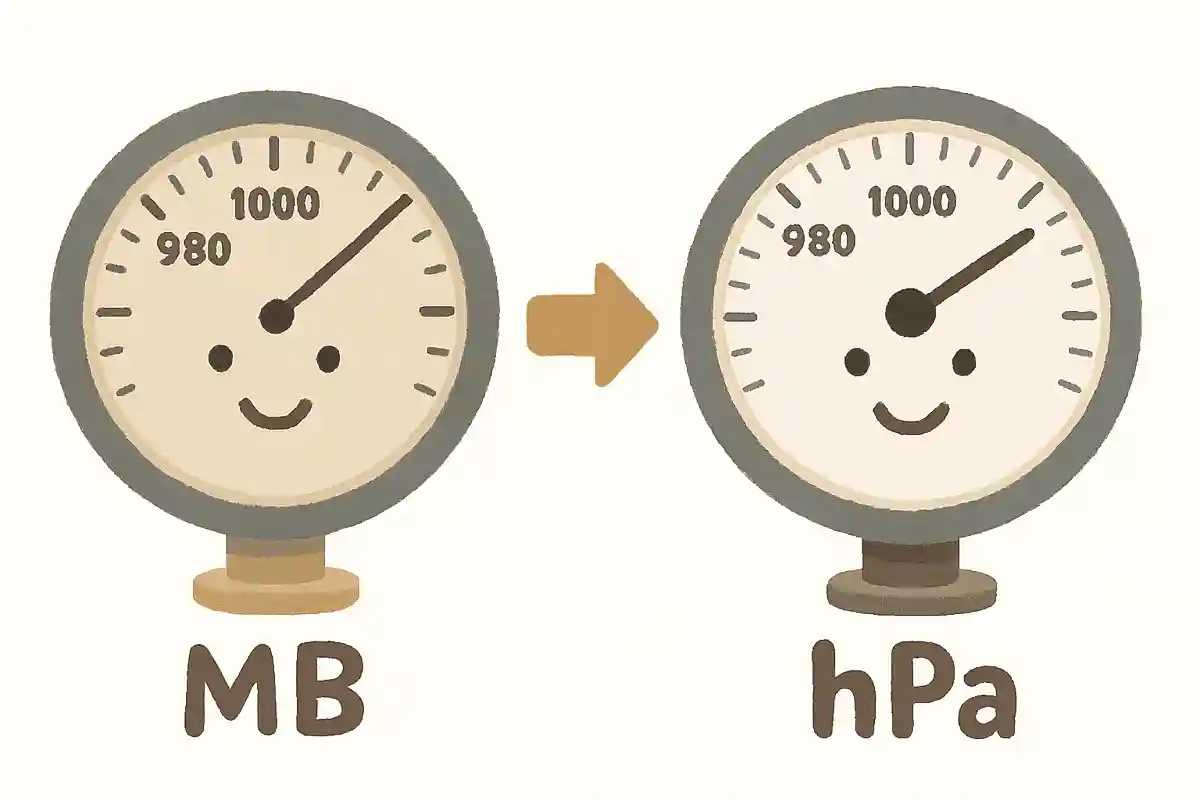
What is the “millibar” called nowadays?
See the answer
hectopascal
The unit of atmospheric pressure used to be “millibars (mb),” but to standardize with international norms, Japan switched to “hectopascals (hPa)” on December 1, 1992. The numerical values themselves remain the same: 1 millibar = 1 hectopascal.
In conclusion
Looking at things that have changed between old and modern expressions makes it easy to understand how the Japanese language has evolved. A quiz on things that are called differently now and then can also spark lively conversations with people from different generations. Be sure to share those “I didn’t know it used to be called that!” discoveries during time with family and friends!