

A masterpiece by Alexander Borodin. Popular classical music.

Here is an introduction to Alexander Borodin, a composer known as one of the “Mighty Handful” (the Russian Five) in the world of classical music.
While many classical composers are full-time musicians who make their living performing or composing, Borodin was an exceptional figure: he entered the medical faculty at the University of St.
Petersburg, graduated at the top of his class, and went on to serve as an assistant professor and then professor of biochemistry at his alma mater—his primary profession was that of a chemist.
He even called himself a “Sunday composer,” and because he composed in the intervals between his scientific work, his output is not large.
Nevertheless, he left many remarkable works, including the Polovtsian Dances and his String Quartet No.
2.
Here, we present Borodin’s masterpieces, movement by movement, paired with outstanding performances.
Please enjoy these superb works that you’d never guess were written by someone whose day job was chemistry!
- [Borodin’s Piano Pieces] Selected masterpieces by a composer who loved Russian folk songs
- [Masterpiece Classics] A special showcase of gem-like masterpieces so beautiful they’ll move you to tears
- Alexander Borodin Popular Song Ranking [2026]
- Rimsky-Korsakov’s Masterpieces | The Vividly Colorful World of Russian Music
- Masterpieces of the bolero. Recommended popular pieces in bolero form and outstanding performances.
- [Quartet] Masterpieces and Popular Pieces for String Quartet
- Cool classical masterpieces. Recommended classical music.
- François Couperin Popular Songs Ranking [2026]
- Mussorgsky’s masterpiece. Popular classical music.
- Highlighting the masterpieces and popular works of Mikhail Glinka, the pioneering composer of Russian music
- Berlioz’s famous piece. Popular classical music.
- Stravinsky’s masterpiece. Popular classical music.
- Masterpieces of Ballet Music: Introducing Classic Favorites
Alexander Borodin's masterpieces: Popular classical music (11–20)
From Symphony No. 2, Movement IVAlexander Borodin

Here is an introduction to a work by Alexander Borodin, a composer who represents the Russian music world.
Although Borodin was a chemist with a doctorate in medicine, he taught himself music and composed his Symphony No.
2.
Written intermittently between 1869 and 1876, this piece portrays a heroic Russian world.
The fourth movement is especially brilliant and valiant, featuring festive music that incorporates elements of Russian folk dance.
This masterpiece showcases Borodin’s originality and creativity and had a significant impact on the development of Russian music.
It is a recommended piece for those who want to feel the vast nature and history of Russia, as well as the vitality of its people.
From ‘Petite Suite’: No. 1, No. 2, and No. 6Alexander Borodin

Alexander Borodin, known as one of the leading composers of the Russian nationalist school, was also a chemist, and his music is filled with deep lyricism and rich harmony.
The Petite Suite is a collection of short pieces for piano, each imbued with its own distinctive atmosphere.
From the serene “In the Monastery” to the lively “Intermezzo” and the passionate “Serenade,” these works spark the listener’s imagination.
There is also the anecdote that Liszt performed the suite in Weimar at the end of August 1885 to great acclaim.
This sparkling collection of miniatures showcases Borodin’s talent, where Russian national character blends with refined Western techniques.
Enjoy!
String Quartet No. 2: Movement IVAlexander Borodin

Born in 1833, Alexander Borodin distinguished himself as both a musician and a scientist.
He graduated from the Faculty of Medicine at the University of St.
Petersburg and continued his musical activities while serving as a professor of chemistry.
One of Borodin’s major works, his string quartet, is a piece that expresses his deep love for his wife.
In particular, the fourth movement is notable for its passionate yet delicate melodies.
As a member of the Russian nationalist school, Borodin incorporated folk songs into his music while developing it with his own distinctive harmonies.
This work is recommended not only for classical music enthusiasts but also for those who enjoy romantic music.
String Quartet No. 1 in A major, Movement I: Moderato – AllegroAlexander Borodin

This String Quartet No.
1 in A major occupies an important place among Alexander Borodin’s chamber works.
The first movement unfolds from a gentle introduction into a lively Allegro, distinguished by rich melodies and harmonies.
Seamlessly blending the national elements of the Russian nationalist school with the classical formal beauty of Western Europe, this piece is a gem that encapsulates Borodin’s passion for music.
It is highly recommended for those who wish to savor the full appeal of classical music, as well as for those who want to experience the creativity of Borodin, who produced remarkable works amid a busy life.
seaAlexander Borodin
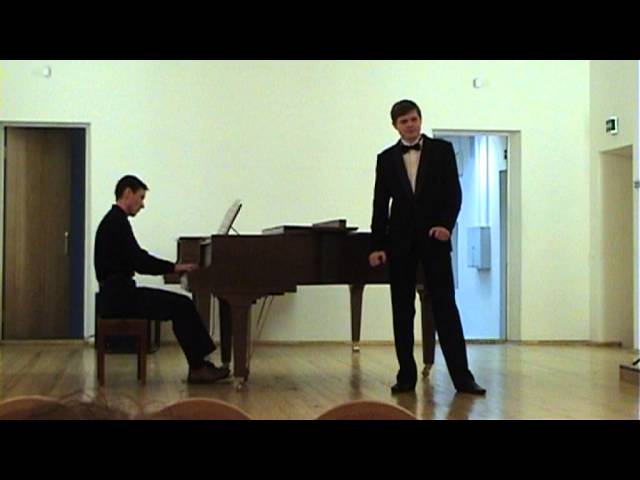
Alexander Borodin is well known for his orchestral and string works, such as the String Quartet No.
2 in D major and the Polovtsian Dances from the opera Prince Igor, but he also left behind wonderful songs.
Borodin, a Russian chemist as well as a composer, wrote the song The Sea in 1870.
This piece is a solo song with piano accompaniment that expresses the vastness and profundity of the sea.
Its richly emotional melodies, characteristic of Romantic music, are striking and quietly move the listener.
This work is a valuable piece that offers a glimpse into Borodin’s inner emotions and his view of nature.
It is a highly recommended piece for those who wish to become familiar with classical music or experience the beauty of nature through music.
Symphony No. 3Alexander Borodin

Aleksandr Porfiryevich Borodin, hailed as an important Russian nationalist composer, demonstrated outstanding talent in both music and science.
Born in 1833, Borodin graduated at the top of his class from the Medical Faculty of the University of St.
Petersburg and pursued musical activities while calling himself a “Sunday composer,” all while serving as a professor of chemistry.
This work is Borodin’s unfinished final composition, begun in 1882.
After his death, his friend Aleksandr Glazunov completed it, and it was premiered in 1888.
Known for its refined orchestration incorporating Russian folk songs, the work strongly reflects Borodin’s musical gifts and cultural background.
Expressing the melancholy of the Russian landscape, it is recommended not only for classical music enthusiasts but also for those interested in Russian culture.
A masterpiece by Alexander Borodin. Popular classical music (21–30)
Piano Quintet in C minorAlexander Borodin

Aleksandr Borodin, known as a nationalist composer and chemist of 19th-century Russia.
Composed during his stay in Italy in 1862, the Piano Quintet in C minor is a representative early work that shines with his youthful talent.
This chamber piece beautifully fuses Slavic-tinged, emotional melodies with Romantic expressiveness.
Written for piano and strings, it stands out within Borodin’s music for its exceptional delicacy and emotional depth.
Through this work, one can savor the beautiful and passionate musical world he created.