

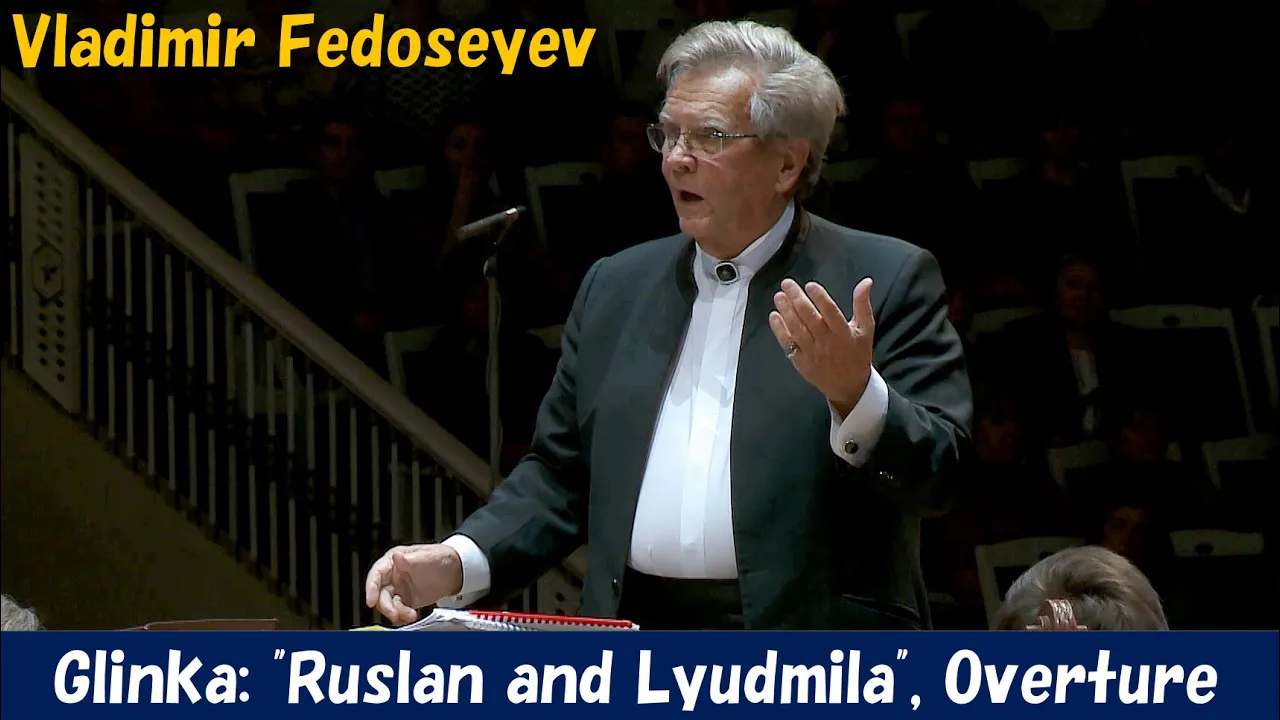
Highlighting the masterpieces and popular works of Mikhail Glinka, the pioneering composer of Russian music

Mikhail Glinka, a Russian composer.
He was the first to create truly Russian music for the nation and the first Russian composer to gain wide renown abroad, earning him the title “the father of modern Russian music.”
He actively formed friendships with contemporary poets and painters; in particular, under the influence of the poet Pushkin, he began writing distinctly Russian works.
In this article, we have picked out some of Glinka’s masterpieces and popular pieces.
While his works are naturally Russian in character, they also possess a romantic and unique atmosphere—some pieces convey a Chopin-like sweetness, and others are sets of variations based on melodies from operas that were fashionable at the time.
Many of his compositions express a love for Russia, so please enjoy his music!
Mikhail Glinka: Introducing Masterpieces and Popular Works by the Pioneer of Russian Music (1–10)
From Farewell to Saint Petersburg, No. 10: The LarkMikhail Ivanovich Glinka

Characterized by a melancholic yet beautiful melody, this work embodies the rich emotional depth and folk-inflected qualities of Russian music.
Its wistful tune, adorned with brilliant ornamentation, has been reimagined as a highly effective piano piece.
Despite its simplicity, it carries profound feeling and resonates quietly in the listener’s heart.
Composed in 1840 and later arranged by Balakirev for solo piano, it has also gained popularity as an encore piece.
It is recommended not only for those interested in Russian music but also for listeners with a delicate sensibility.
Overture to the opera “Ruslan and Lyudmila”NEW!Mikhail Glinka
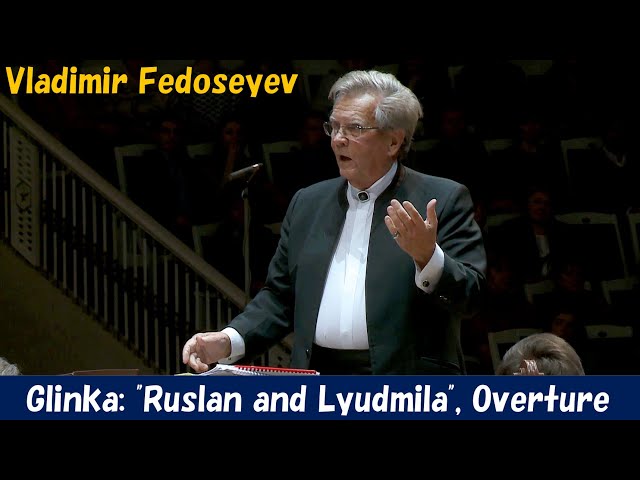
A dazzling, fast-paced orchestral work that’s perfect for kicking off a sports day.
Composed by Russian composer Mikhail Glinka, this masterpiece has been beloved ever since its premiere in December 1842.
The rapid string melody bursting forth from the opening is striking, wrapping listeners in an exhilarating feeling that makes you want to dash off instinctively.
It has also been featured across various media, including as the theme for the American TV show “Mom” and the title music for the 1992 game “Tetris Classic.” In just about five minutes, it packs in relentless momentum and a warm, singing lyricism, making it an ideal choice for instantly lifting the energy of a venue.
Variations on the Theme of Alyabyev’s “The Nightingale”Mikhail Ivanovich Glinka

A set of variations for solo piano based on Alyabyev’s famous song.
It begins with a plaintive melody in a minor key, and through four variations the note values become more intricate and the range expands.
In the third variation it shifts to the major mode, creating a brighter atmosphere—a distinctive touch.
The finale weaves in brilliant passages that imitate a nightingale’s song, showcasing the performer’s virtuosity.
A work that conveys the fusion of Russian folk music and classical music, it stands as a fine example of how Glinka preserved Russian musical tradition while adopting Western musical forms.
Overture from the opera ‘Ruslan and Lyudmila’Mikhail Ivanovich Glinka

This vibrant, dynamic overture invites listeners into a storybook world woven from adventure and romance.
The whirlwind motion of the strings and the powerful resonance of the brass brilliantly portray the hero’s courage and the grandeur of the tale.
Its distinctive color, enriched by elements of Russian folk music, is also compelling.
It has been well loved in Japan as well, having once been used as the opening theme for an NHK Educational TV music program.
It’s also recommended to listen while letting your imagination wander through the story.
Variations on a Theme from Mozart’s The Magic FluteMikhail Ivanovich Glinka

This set of variations, based on the theme from Mozart’s The Magic Flute, is striking for its graceful melody and brilliant virtuosity.
While preserving the beauty of the theme, it incorporates Glinka’s distinctive Romantic expression, bringing solace to the listener.
It is often performed as a solo piece for harp or piano and is said to be especially popular among harp enthusiasts.
The fact that Glinka composed it around the age of twenty, during his student years, also conveys the radiance of youthful talent.
It’s recommended not only for those familiar with classical music but also for anyone seeking soothing music.
Nocturne “Farewell” in E minorMikhail Ivanovich Glinka

A work imbued with deep melancholy.
Although originally a piano solo, this video features it performed as a trio for piano and two violas, offering a different kind of appeal from the solo version.
Written in 6/8 time, the piece begins with an eight-bar introduction and proceeds in two parts divided between the left and right hands.
Despite its complex structure—where each part at times splits into two voices—the overall impression is one of strikingly beautiful melody.
The Russian-tinged poignancy of the tune resonates deeply with listeners, making it an attractive addition to any pianist’s repertoire.
The performance lasts about 4 minutes and 20 seconds.
Please give it a listen.
From the Trio élégiaque in D minor: Movement III and Movement IVMikhail Ivanovich Glinka

From Trio Pathétique in D minor: Movement III: Largo; Movement IV: Allegro con spirito.
Performed by Dimitri Ashkenazy, clarinet; Ramon Jaffé, cello; and Wolfgang Wagenhäuser, piano.