

Nursery rhymes, folk songs, and children's songs about animals

We’ve put together a collection of children’s songs that almost everyone has heard at least once, like “Elephant,” “The Policeman Dog,” and “Aye-Aye.” Because they’re made for little kids, looking at the lyrics again really shows their pleasing sound, easy-to-follow stories, and skillful word choices.
Famous nursery rhymes that have been sung for generations are perfect for parents and children to sing together.
This time, we’ve also selected many songs that you can do hand motions with, so be sure to enjoy singing along together!
- [Animal Song] Fun nursery rhymes popular with children
- Nursery rhymes, folk songs, and children's songs about animals
- December children's songs, folk songs, and nursery rhymes: fun winter hand-play songs
- [Parenting] Parent-child bonding! Hand-play songs and traditional nursery rhymes collection
- [Hand Play] Popular with kids! A collection of trendy hand-play songs and nostalgic traditional children’s songs
- [Sky-Themed Nursery Rhymes and Songs] Children’s Songs Loved Across Generations
- [Warabe-uta] Beloved Classic Songs Passed Down Through Generations
- Japanese counting songs: nostalgic temari (handball) songs and children’s folk songs
- Get pumped with kids’ favorite songs! A memorable collection of classics that will make you want to sing along
- [Children's Songs] Cute songs recommended for childcare. List of popular nursery rhymes.
- [Children’s Songs of Autumn] Autumn songs, school songs, and traditional children’s rhymes. A collection of classic pieces to sing in autumn.
- [Year of the Rat] Songs about mice. Masterpieces related to rats
- Nursery rhymes to sing to your baby! Recommended songs enjoyable from 0 months
Animals in Nursery Rhymes, Folk Songs, and Children's Songs (1–10)
Dog Policeman

“The Dog Policeman” is a classic Japanese children’s song loved by kids since 1960.
Many of you may already know it.
It evokes the image of a dog policeman who is flustered by a lost kitten.
It’s a heartwarming tune.

Shirokuma’s Jenka Dance

Known as a folk dance tune as well, “Shirokuma no Jenka” (The Polar Bear Jenka) is a cheerful children’s song that incorporates the Finnish dance music style “jenkka.” The lyrics, featuring a polar bear parent and child, are adorable and delightful.

aye-aye

It’s a song about the aye-aye, a species of lemur that lives in Madagascar, and since it was released in 1962, it’s older than I expected.
The lyricist, Hiromi Aida, was asked to create a song about a cute animal and chose this one because its name sounded cute.
In Madagascar, however, this animal is considered a servant of the devil, so its image changes quite a bit depending on how you look at it.

Nursery rhymes, folk songs, and children's songs about animals (11–20)
Piglet-raccoon dog-fox-cat

Kobuta Nukitsune Ko is a song written and composed by Naosumi Yamamoto, who is also a composer and conductor.
It is loved by children as a hand-play song as well.
The lyrics are easy for children to understand, and it’s memorable how the animals link together like a word chain.
I Stepped on the Cat
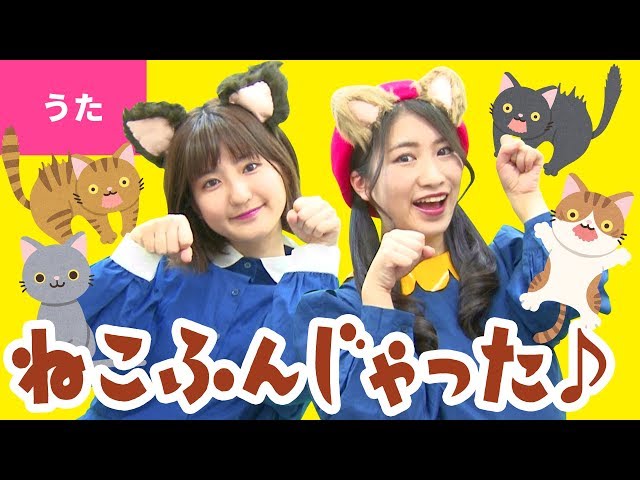
Many people may have heard this song at least once when they were little.
The unique lyrics are appealing, but the melody is also very distinctive.
For those just starting to learn the keyboard, this is often one of the first pieces they try.
In the song, there’s a storyline about accidentally stepping on a cat.
It’s fun to sing while expanding your imagination with children and picturing the world of the song.
For hand play, try adding your own original dance as you sing.
The Song of Konkonshyan

This is a children’s song about animals catching colds.
Imagining sneezing animals is kind of funny, isn’t it? The lyrics were written by Miyoko Kayama, known as a picture book author, and the music was composed by Akira Yuyama, who has created many choral pieces.
Goat Mail

“Yagi-san Yubin” (Goat Mail) is a children’s song whose humorous back-and-forth between two goats is sure to bring a smile.
One day, a letter arrives from the White Goat to the Black Goat.
But the Black Goat ends up eating the precious letter.
Then the Black Goat sends a reply to the White Goat asking what the letter said.
In the song, this exchange repeats several times.
Just imagining it makes you want to chime in, but the cute interaction also warms the heart.
Some say goats really do eat paper, but it can upset their stomachs, so it’s best to tell children not to feed them paper.
Let’s sing along and have fun, letting our imaginations roam through a day in the goats’ lives.