

Singable songs by back number. Timeless hits you can sing without strain.


With their uniquely striking perspectives, Iyori-san’s distinctive style, universal messages, and love songs—back number is a band that has released countless masterpieces that resonate with people’s hearts.
Many of you probably sing their songs at karaoke, or are thinking about giving them a try.
In this article, we’ll introduce selections from their catalog that are relatively easy, as well as songs that are approachable for singers of any gender.
Be sure to focus on the narrower vocal range and familiar melodies, and pick a song you can sing comfortably and enjoy.
- Even karaoke beginners can relax! Easy-to-sing songs for men
- [Karaoke] A roundup of songs that are easy for women to sing!
- [Even If You're Tone-Deaf, It's Okay!] Easy-to-Sing Karaoke Songs and Practice Tracks
- A must-see for low-voiced women! Popular songs that are easy to sing at karaoke
- A collection of back number’s heartfelt masterpieces: popular love songs
- Karaoke songs recommended for men with low voices or who are good at singing in a low register
- [Karaoke] A roundup of easy-to-sing Mr.Children songs
- Popular songs that are easy to sing at karaoke. Recommended classics and hit songs.
- [Even if you're not confident] Easy-to-sing songs for karaoke
- No worries even if you’re not confident in your singing! Simple, easy-to-sing songs for karaoke.
- Even if you’re tone-deaf, it’s okay! Easy karaoke songs for women
- Love songs that are easy to sing at karaoke. Recommended classics and popular tracks.
- Karaoke songs where even men with low voices can aim for high scores
back number’s easy-to-sing songs: classic tracks you can sing without strain (11–20)
Big wrong answerback number

Back number’s classic “Dai Fuseikai” is marked by a melody that exudes a wistful charm.
Although the tempo is somewhat brisk, it’s overall a very singable song.
Its singability mainly comes from its narrow vocal range.
While back number’s songs often unexpectedly include many high passages, this track keeps things compact across all sections—verse A, verse B, bridge, and chorus—within a limited range.
There is a falsetto part just before the final chorus, but since it’s a scat section, it’s perfectly fine to skip it when singing at karaoke.

Happy Endingback number

The 16th single “Happy End,” chosen as the theme song for the film “My Tomorrow, Your Yesterday,” features lyrics brimming with the bittersweet emotion that could be called back number’s true essence, likely resonating deeply with many listeners.
While the key is high, the vocal range is narrow, so if you set a key that suits you at karaoke, you can sing it comfortably.
However, since a high falsetto appears toward the end, be sure to account for that when setting the key and take care not to go off pitch.

Checkered one-piece dressback number

The piece “Checkered Dress” is striking for its bittersweet lyrics that tighten the chest.
Because it interweaves major and minor keys, you might get the impression it’s hard to sing, but since there are no abrupt jumps in pitch, it’s actually easier to sing than it sounds.
The only tricky part is the beginning of the B section.
With the vowel on “o,” you have to drop the pitch twice; this approaches an advanced vocal technique known as a “fake” (ad-lib), so it does require getting used to.
blinkback number
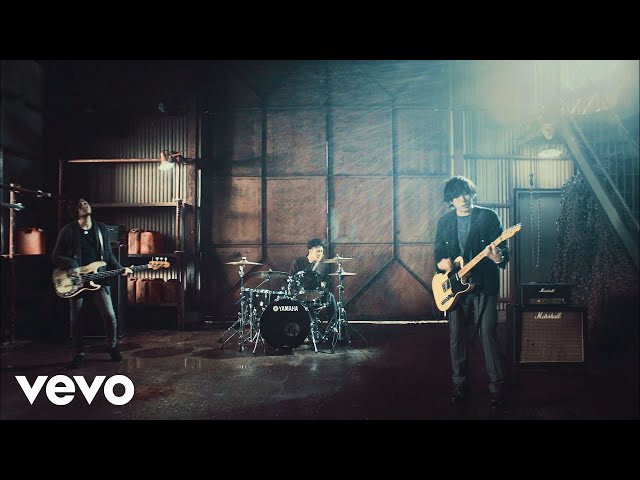
The 17th single “Mabataki,” chosen as the theme song for the film “The 8-Year Engagement,” carries a love-filled message that aligns with the movie’s story and is sure to move your heart.
Set to a shuffle beat with a friendly, memorable melody, it’s easy to learn, and since the overall vocal range isn’t wide, it’s also easy to sing.
However, if bouncy rhythms are not your strength, be sure to listen closely to the karaoke track when singing.
Although the range is narrow, the key is relatively high, so if it feels difficult to sing, consider trying it in a key that suits you.
phantom thiefback number

This is back number’s third digital-only single.
It was used as the theme song for the TV drama “Koi wa Deep ni.” The melody, set over a stylish piano line, is a pleasant listen.
While there are many challenging parts—such as the characteristic back number falsetto in the chorus—because the track is under four minutes long, you should be able to sing it with focused practice.
If the key doesn’t suit your voice, you can adjust it to your range, so even those who aren’t confident at karaoke should definitely give it a try.
The curtain risesback number

It’s the theme song for the theatrical release TOKYO MER: Mobile Emergency Room – Nankai Mission, coming out on August 1, 2025, and I think it feels very much like a back number song.
Compared to other tracks, the average vocal range is lower, making it less difficult and easier to try, but there are lots of switches between chest voice and falsetto in the chorus and the bridge.
That’s the key to really delivering the song.
Basically, keep the image of resonating in the head and sing the whole thing gently.
That way, the chest voice won’t feel like you’re belting but will have a more open quality, making the transitions to falsetto smoother.
Also, falsetto uses more breath than you might think, so take in plenty of air through your mouth whenever you can take a breath.
The highest note, C5, appears in the bridge; if you aim to resonate at the crown of your head and project a bit more firmly there, I think it will land beautifully.

Singable songs by back number. Masterpieces you can sing without strain (21–30)
The Rain and MeNEW!back number

It’s a bittersweet heartbreak song included as the 11th track on the 6th album “MAGIC,” released on March 27, 2019.
It’s a highly narrative, classic ballad that depicts the loneliness and helpless pain right after being left by a lover at a rainy intersection.
The song’s hallmark is that the verses are sung in the lower register while the chorus approaches the higher range, making it a track that really builds.
When singing, if you carry the verse’s vibe straight into the chorus, your voice likely won’t come out.
Preparing your voice is important, and keeping your eyebrows raised throughout is also a tip for staying on pitch.