

What’s Your Type? A Collection of Trivia and Fun Facts About Blood Types

Blood types indicated as A, B, O, and AB.
They’re used in fortune-telling and once sparked trends in personality and compatibility tests.
While blood type is crucial in medical settings such as for transfusions, it’s probably not something most people think about in everyday life.
In this article, we’ll share trivia and fun facts to help you learn more about blood types!
We’ve gathered a variety of tidbits about blood types, including their hidden aspects and the blood types of non-human creatures.
Check out these interesting facts about blood types you might not have known before!
- [Personality Test & Blood Type Diagnosis] Check your personality and compatibility with your crush!
- Didn't want to know?! Fascinating and scary trivia & fun facts
- Animal psychology tests roundup. You might discover your hidden personality.
- Trivia and fun facts about food (summary)
- [What Type Are You?] A Psychology Test That Reveals Everything
- [Birthday Fortune-Telling] A roundup of fortunes that reveal things about you based on your birthday
- Trivia quiz with useful tips to know: fun facts that come in handy at school or at home [for kids]
- A collection of personality tests to better understand your own character
- Are you okay? A diagnosis of the types you dislike and how much you’re disliked
- True colors revealed? Personality diagnostic psychology test
- Compatibility with every being? Recommended compatibility diagnosis psychology test
- [Did you know?] Fun Trivia Quiz About Health
- [Interesting] Compilation of Trivia Quiz Questions
[What’s Your Type?] Trivia and Fun Facts About Blood Types (1–10)
All western lowland gorillas have blood type B.
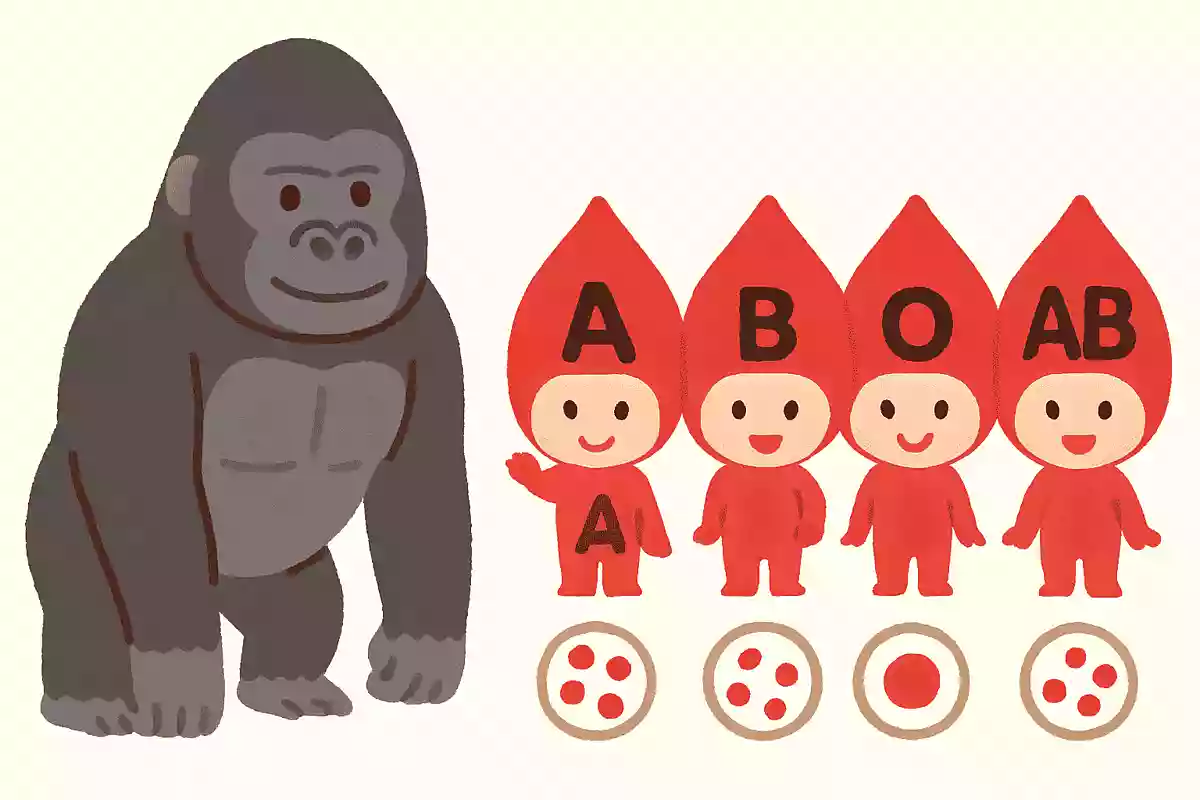
The western lowland gorilla lives mainly in Central Africa and is said to be the smallest among the gorilla subspecies.
Although it is the most numerous of the gorillas, it is currently endangered.
It’s said that western lowland gorillas are all type B.
However, not all gorillas are type B.
In contrast, mountain gorillas have no type B individuals and are only type A or O.
Because western lowland gorillas are more numerous than other subspecies, the mistaken belief that “all gorillas are type B” seems to have spread.

The most common blood type in the world is type O.
In Japan, it’s said that type A is the most common, but globally the most common blood type is type O.
In many Central and South American countries, the vast majority are type O.
Astonishingly, in Colombia and Venezuela it’s said to be 100% type O! Surprising, isn’t it? It’s also known that in countries like China, Iceland, and Saudi Arabia, over about 50% of the population is type O.
Blood type distribution varies by country, but since our human ancestors, Homo sapiens, are said to have been type O as well, it kind of makes sense, doesn’t it?
You can’t determine a newborn baby’s blood type right after birth.
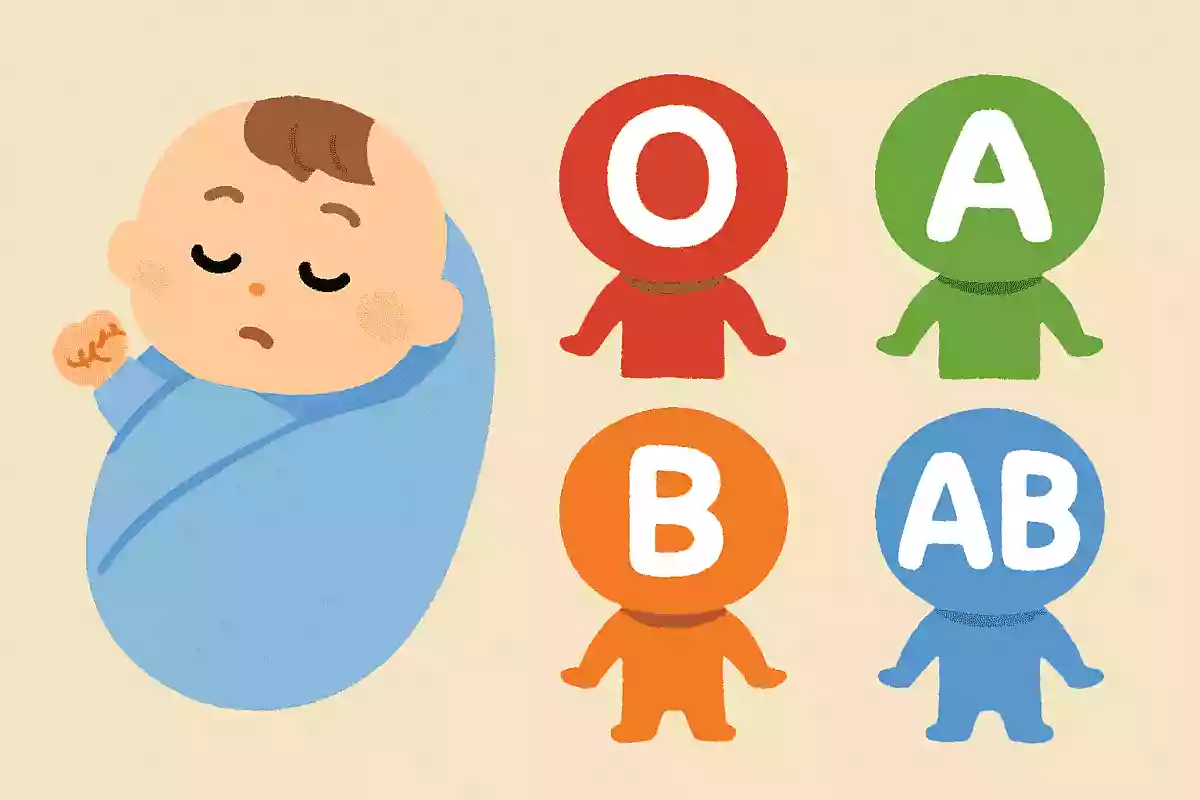
When a baby is born, many people want to know their blood type.
However, it’s said that it takes about 2 to 4 years for a baby’s blood type to be firmly established.
This is because determining blood type involves checking two things: the antigens on the surface of red blood cells and the antibodies that react with red blood cells.
In babies, these are not fully developed yet.
Therefore, even if you test, the result may not be definitive.
If you want to know the accurate blood type, it’s best to test around age four, when the antigens and antibodies are fully developed.
[What’s Your Type?] Trivia & Fun Facts About Blood Types (11–20)
Plants have blood types too.
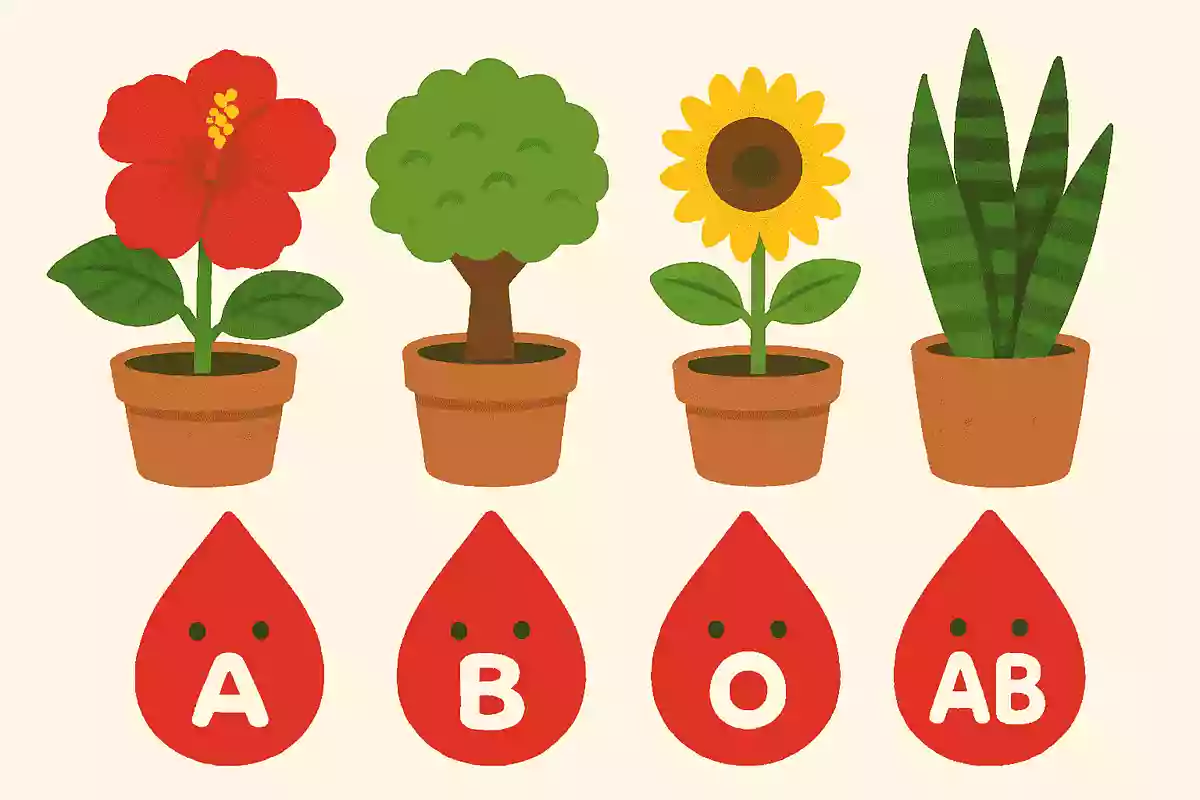
Human blood types include A, O, B, and AB, but did you know that plants also have blood types in a similar sense? While human blood types are mainly determined using red blood cells, plant blood types are identified by glycoproteins.
However, not all plants have blood types; it’s said that only about 10% of plants do.
As representative examples, Aucuba has type A, dogwood has type B, maple has type O, and roses have type AB.
Maples can also be AB, and their autumn leaf colors are said to differ depending on blood type.
The most common blood type in Japan is type A.

The most common blood type among Japanese people is type A, which accounts for about 40% of the population.
Next is type O at about 30%, followed by type B at about 20%, and type AB at about 10%.
There are also data suggesting that type A is more common in western Japan, while type B is more common in eastern Japan.
Blood types include the ABO type and the Rh type, and for the Rh type, Rh positive makes up over 90% of the total.
In other words, the most common blood type is A Rh positive, and the least common is AB Rh negative.
People with blood type O tend to bleed heavily when they get injured.
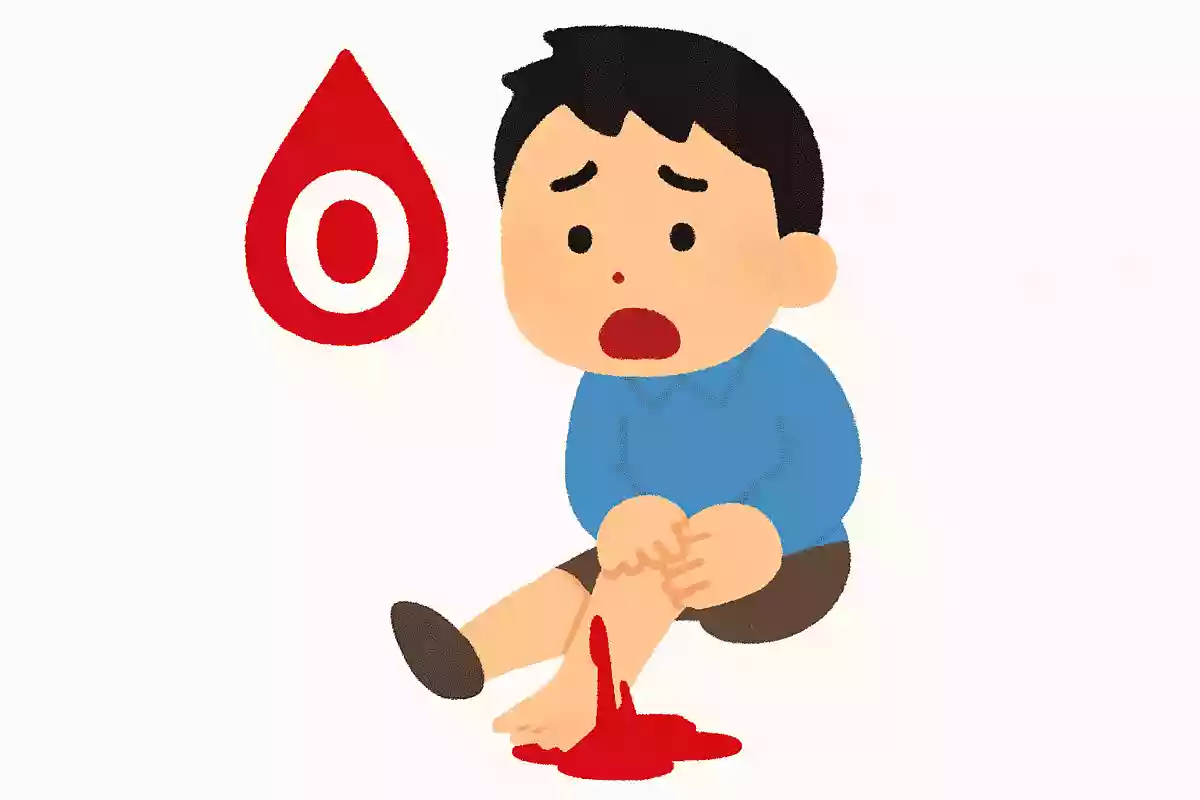
Type O is said to have stronger immunity than other blood types, but in fact it also has the downside of blood being slower to clot.
One reason is that it has fewer blood coagulation factors than other blood types.
There are even data suggesting that because it’s harder to stop bleeding after a severe injury, the mortality rate is higher.
It’s best to be careful to avoid heavy bleeding whenever possible.
However, because they have fewer coagulation factors, people with type O are also said to be less likely to have a heart attack, so it’s not all bad news.
There are eight types of horse blood groups.
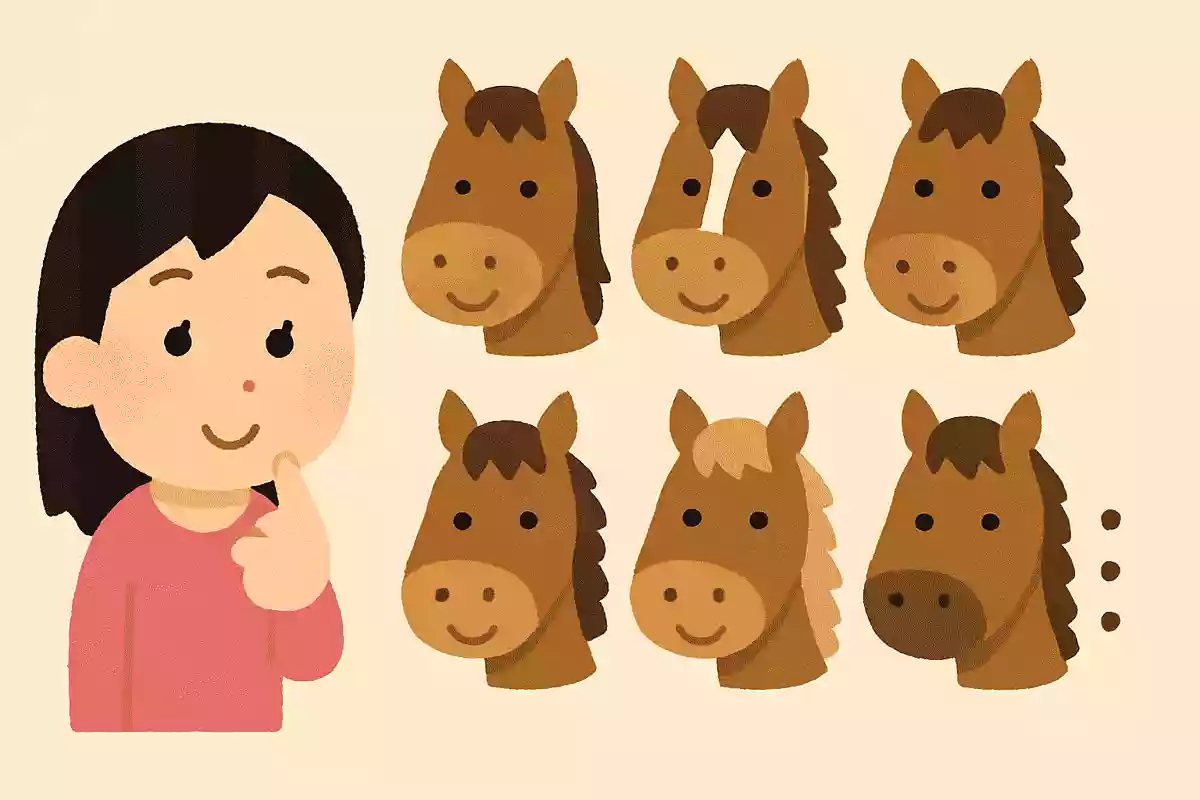
Human blood types are mainly the four types A, O, B, and AB, right? But horses are said to have eight systems: A, C, D, K, P, Q, U, and T! What’s more, when you subdivide those, there are reportedly as many as 3 trillion possible blood types… astonishing, isn’t it? With so many, you might worry whether a compatible blood type can be found for transfusions, but it seems that horses can generally receive transfusions from most blood types.
That said, adverse reactions can still occur, so there are horses kept specifically for transfusions called “universal donors.”