

![[English Folk Song] A collection of classic British trad masterpieces](https://i.ytimg.com/vi_webp/q0j4pzg_Zbo/maxresdefault.webp)

When it comes to English folk songs, their charm lies in the warm, familiar melodies that everyone has heard at least once, and the lyrics—simple yet rich with meaning and culture.
British trad is filled with tales of everyday life, nature, and sometimes stories that stir a spirit of adventure.
It’s perfect not only for gaining a deeper understanding of British culture, but also as practice pieces for instruments like guitar and fiddle.
In this article, we’ll introduce a selection of classic traditional English folk songs—shall we explore the world of British trad together, with its historically evocative tunes and timeless messages that still resonate today?
- [Celtic Music] Masterpieces of Celtic music. Recommended Irish music
- [Irish Folk Songs] Surprisingly Familiar Masterpieces and Standards of Ethnic Music
- [Western Music] Bluegrass masterpieces: recommended popular and signature songs
- [2026] A roundup of the best UK bands, featuring many up-and-coming acts!
- Fado masterpieces. Recommended popular songs.
- [2026] The Wonderful Irish: Popular Bands from Ireland
- Foreign folk music. Classic folk masterpieces and recommended popular songs.
- Western pop music popular with Gen Z. Hit songs.
- [Hymns] Famous hymns and sacred songs. Recommended hymns and sacred songs.
- [2026] The Beautiful World of Ambient: A Curated Collection of Must-Listen Masterpieces
- [Nostalgic Collection] Classic oldies masterpieces. Recommended popular songs
- 【2026】The State of World Music Now: Introducing Masterpieces to Enjoy Diverse Musical Cultures
- Famous German Folk Songs | That familiar tune in Japan was actually a German folk song?!
[English Folk Songs] A Collection of British Trad Classics (1–10)
The Lark In the MorningAirurando min’yō

“The Lark in the Morning” is a folk song that has long been cherished in England.
It has been sung for generations, and many musicians have included it on records and CDs.
There are several versions of the lyrics, but most tell the story of a country boy falling in love with a girl.

Lavender’s BlueInguranndo min’yō

It’s a famous English folk song known for its heartwarming melody.
Originally, it was a lively, slightly mature love song sung in 17th-century taverns, but over time its lyrics evolved into something sweet and child-friendly.
The way it conveys straightforward feelings by likening them to a king and queen is truly endearing.
The song gained worldwide recognition when Burl Ives performed it in the 1948 Disney film “So Dear to My Heart,” and it was nominated for the Academy Award for Best Original Song in 1950.
It’s also well known for being covered by the British band Marillion on their album “Misplaced Childhood.” It’s perfect as background music for a calm afternoon or a leisurely day off.
The Lincolnshire PoacherInguranndo min’yō

If it’s called Lincolnshire’s “unofficial county anthem,” many of you will probably think of that jaunty melody, and with good reason.
It’s the famous English folk song that depicts the adventures of a poacher stalking his quarry under cover of night.
The protagonist’s brash spirit—singing of thrills lived on the edge as if they were a carefree game—is utterly exhilarating.
First recorded in print around 1776, the song later became the theme of the film Tom Brown’s School Days and even a military marching tune.
The fact that it inspired the jazz classic St.
Thomas and has been passed down by countless artists attests to its enduring charm.
It’s perfect for those moments when you want to feel cheerful—so catchy your feet can’t help but keep time.
Clyde’s WaterInguranndo min’yō

Among the ballads handed down in England and Scotland are not only heartwarming tales but also many heartrending tragedies.
A prime example is this narrative song, also known as “The Drowned Lovers.” It tells the endlessly sorrowful fate of two lovers: a young man defies his mother’s objections to go to his beloved, only to be stopped by a river and lose his life; upon learning of this, his lover follows him and throws herself into the water.
The earliest known recording was made in July 1951 by the singer John Strachan, and the song has since been passed down by many folk singers.
One of the pleasures of this piece is comparing the differing interpretations by performers—for instance, on Nic Jones’s acclaimed album Penguin Eggs and Martin Carthy’s album Skin and Bone.
Early One MorningInguranndo min’yō

In English folk songs, there are quite a few pieces that, despite their heartwarming melodies, actually depict rather poignant stories.
This work is one of them: its theme is the lament of a maiden whose lover has had a change of heart early one morning.
At first listen the tune sounds bright, but beneath it lies the despair and helplessness of lost love—the contrast is indescribably striking (and a bit ironic).
The lyrics are said to have first appeared in print around 1787.
Sarah Brightman included the song on her debut album, The Trees They Grow So High, and from late 1978 it was also long cherished as a BBC Radio theme.
It’s a perfect piece for anyone drawn to narrative-rich music and the depth of British culture.
Here’s Adieu, Sweet Lovely NancyInguranndo min’yō

“Here’s Adieu, Sweet Lovely Nancy” is a traditional English folk song that has been covered by many musicians.
There are various versions of the song, but it is best known as a ballad sung by a sailor thinking of the girlfriend he left ashore.
In an era when transportation was not as developed as it is today, it was loved as a song sung by sailors who would spend years on a single voyage.
Adieu, AdieuInguranndo min’yō
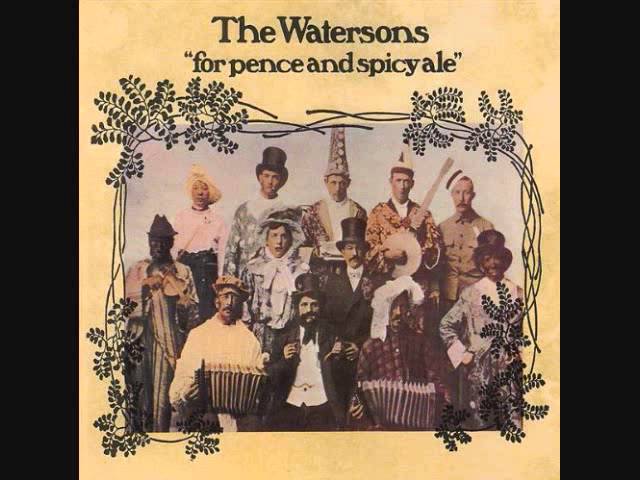
Various stories have been passed down through English folk songs, and this piece belongs to the genre known as the “Goodnight Song,” portraying the sorrowful end of a man who lived as a highwayman.
He steps onto the path of crime to save his beloved wife from poverty, only to be captured after a fleeting spell of splendor.
In his monologue before execution, one senses a quiet resolve that accepts fate alongside regret.
The distinctive rhythm, alternating between 5/4 and 3/2 time, seems to symbolize the turmoil in his heart.
The song’s origins are said to go back as far as the late 18th century, and it became widely known when the English folk group The Watersons included it on their 1975 classic album For Pence and Spicy Ale.
You can also hear Eliza Carthy’s rendition on her 1998 album Red Rice, which was shortlisted for the Mercury Prize.
It’s a perfect recommendation for nights when you want to immerse yourself deeply in a story.