

[Calming Classics] Soothing masterpieces whose piano melodies gently touch the heart

When you’re exhausted from busy days, or when the repetition of the same routine leaves you feeling empty, the beautiful strains of the piano gently embrace your wounded heart, bringing you peace and healing.
In this article, we’ve gathered soothing masterpieces from classical works that let you fully savor the piano’s beautiful timbre.
The cries of your body and mind are a sign that healing is essential!
Even just a little time—morning, evening, or during your commute—will do.
Please take a moment to calm your heart while listening to the comforting sound of the piano.
- Masterpieces of classical piano that are too beautiful for words. A gathering of delicate tones that cleanse the soul.
- Poignant and beautiful! A collection of recommended piano pieces
- [Classical Piano Masterpieces] A carefully selected collection of moving pieces that will bring you to tears
- [Japanese-style Piano Pieces] A selection of recommended works with a pleasantly Japanese flavor
- Piano Masterpieces: Music you’ll want to listen to and play—beloved classic works
- A gentle song. A classic that calms the heart. A song that makes you feel kind.
- [Masterpiece Classics] A special showcase of gem-like masterpieces so beautiful they’ll move you to tears
- Piano × Dark Pieces: Classic Masterworks to Sink Deep into Sorrow
- Healing piano music. Calm piano pieces that soothe the mind.
- It’s so cool if you can play these on the piano! A selection of irresistibly charming masterpieces.
- [Beginner] Recommended for adult piano beginners! Beautiful & stylish piano pieces
- Today's Piano: Masterpieces and Popular Pieces Woven with Delicate Tones
- [Classical] Famous Piano Works | Gem-like Masterpieces You’ll Want to Play at Least Once in Your Lifetime
[Calming Classics] Healing Masterpieces Whose Piano Melodies Touch the Heart (41–50)
Songs Without Words, Book II, Op. 30, No. 1: MeditationFelix Mendelssohn
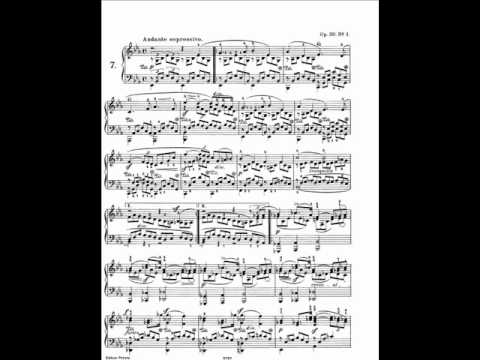
This work, notable for its slow and gentle melody in E-flat major, is one of the pieces from the Songs Without Words published in Bonn in May 1835.
Evoking the atmosphere of quiet meditation, it combines rich lyricism with relatively modest technical demands.
Cast in ternary form, it features a coherent structure and simple yet profound emotional expression, making it a valuable teaching piece for developing a pianist’s expressiveness.
It is an ideal choice for those looking to broaden their repertoire or seeking a calm, reflective piece.
Livia Rév’s 1986 recording received France’s Grand Prix du Disque and is highly acclaimed for its delicate interpretation.
24 Preludes, Op. 28 No. 15 “Raindrop”Frederic Chopin

Composed in 1839 on the Spanish island of Majorca, Frederic Chopin’s masterpiece, the 24 Preludes, Op.
28, includes as its fifteenth piece the Prelude Op.
28, No.
15—nicknamed “Raindrop”—which evokes the image of a gentle, steady rainfall.
Its serene melody, as if tracing raindrops streaming down a windowpane, refreshes the listener’s heart and truly epitomizes calming classical music.
Why not spend a peaceful moment listening to this piece?
Three Concert Études No. 3 “Un Sospiro”Franz Liszt

Among Franz Liszt’s Trois études de concert, Un sospiro stands out for its serene beauty, far removed from what we typically associate with an “etude.” Composed in 1849, this piece is one of Liszt’s most popular works, and its gentle, cleansing melody is frequently performed by pianists and piano students who cherish its tender lyricism.
While Liszt is often linked with technically demanding, virtuosic showpieces, listening to Un sospiro reminds us that his acclaim was by no means based on technique alone.
When you want a change of mood or a moment of relaxation, why not let it play softly in the background?
The Well-Tempered Clavier, Book I, No. 1 in C major, BWV 846, PreludeJ.S.Bach

The Prelude from Johann Sebastian Bach’s The Well-Tempered Clavier, Book I, No.
1 is a work noted for its serene character, marked by harmony and balance.
Composed in 1722, it has had a profound influence on later music, notably serving as the accompaniment for Charles Gounod’s Ave Maria, one of the three great Ave Marias.
Its delicate and gentle melody is loved not only by piano learners but by many music lovers, and it has continued to soothe our hearts over the years.
On a weary night or when you want to find calm, why not let this piece play softly and enjoy a peaceful moment?
TraumereiRobert Schumann

Woven in F major with a gentle 4/4 pulse, this beautiful, dreamlike melody softly envelops the listener’s heart.
Born from the album Kinderszenen, the piece was published in Leipzig in February 1839 and is a memorable work used in both the opening and ending of the film “The Girl Who Leapt Through Time” (Tenkōsei).
Its calm, transparent tone seeps into the soul, as if awakening the pure emotions of childhood and the nostalgia felt in adulthood.
Over eight repetitions of a four-bar melody, shifts in harmony and an expanding register brilliantly portray the changing scenes of a dream.
Though it occasionally shows a pensive expression, it concludes with a warm afterglow.
With a leisurely performance duration yet profound emotional impact, this highly artistic work is recommended for those who wish to immerse themselves quietly in music.
Arabesque No. 1Claude Debussy

Debussy’s Two Arabesques are early piano works by the French Impressionist composer Claude Debussy and are counted among his most famous pieces.
The first Arabesque in particular is widely loved for its graceful, beautiful melody and is a popular choice for piano recitals.
Why not spend a soothing moment savoring its soft, watercolor-like atmosphere, as if without sharp contours?

The Carnival of the Animals, No. 13: The SwanSaint-Saëns=Godowsky

Camille Saint-Saëns’s suite The Carnival of the Animals is a masterpiece that distills the elegance of his artistic world.
Although often performed by orchestra or with two pianos, the thirteenth movement, The Swan, is especially popular and is also beloved in Leopold Godowsky’s solo piano arrangement.
Its sublime, flowing melody seems to purify the listener’s heart.
When you feel stressed or want to spend a peaceful moment, this piece will surely offer a healing interlude.
In conclusion
We’ve introduced some classic masterpieces whose piano tones soothe the soul. Whether it’s “gentle, peaceful pieces that put you at ease” or “slightly wistful tunes that quiet the heart,” the standards for what feels comforting are different for everyone. Find the pieces that calm you, and let your favorite soothing music heal your heart.