



Fireworks, the fun events that color the summer night sky.
The history of fireworks is very old and is said to have begun in China.
Here, we’ll introduce trivia quizzes and fun facts for kids that will help you enjoy fireworks even more once you learn about their history! Through quizzes and questions about fireworks, you can learn all sorts of history.
We hope both children and adults enjoy them together.
There are actually many things that even adults don’t know.
You’ll surely be surprised to learn that fireworks have such a long history.
- Fireworks Trivia & Fun Facts Summary
- Make your summer festival even more fun! Trivia quizzes and fun facts for kids
- [For Kids] Fun Summer Trivia Quiz & Facts
- Enjoy summer festivals even more! Trivia quiz & fun facts collection
- [For Kids] Trivia Quiz & Fun Facts about July
- [Tanabata Quiz] Three-choice questions to enjoy trivia and fun facts
- Trivia and fun facts to make summer even more enjoyable
- Trivia quiz with useful tips to know: fun facts that come in handy at school or at home [for kids]
- [For Kids] Fun Facts & Trivia Quiz about Koinobori (Carp Streamers)
- Let’s learn more about hydrangeas! Trivia quiz and fun facts about hydrangeas for kids
- Trivia you think you know but surprisingly don’t? August trivia and fun facts quiz!
- [For Kids] Trivia & Fun Facts Quiz About June
- Recommended for elementary school students! Trivia quiz you'll want to share once you know it
Speaking of summer, fireworks! Kid-friendly trivia quiz and fun facts about fireworks (1–10)
In Japan, May 28 is “Fireworks Day.” Why did May 28 become Fireworks Day?

- Because it's the day the first fireworks festival was held in Japan.
- Because it's the fireworks craftsman's birthday
- Because it’s the day marking the origin of fireworks being launched over the Sumida River.
See the answer
Because it’s the day marking the origin of fireworks being launched over the Sumida River.
May 28 became Fireworks Day because fireworks were first launched on May 28, 1733, over the Sumida River to ward off epidemics and to console the souls of the dead.

What shape would fireworks look like when viewed from the side?
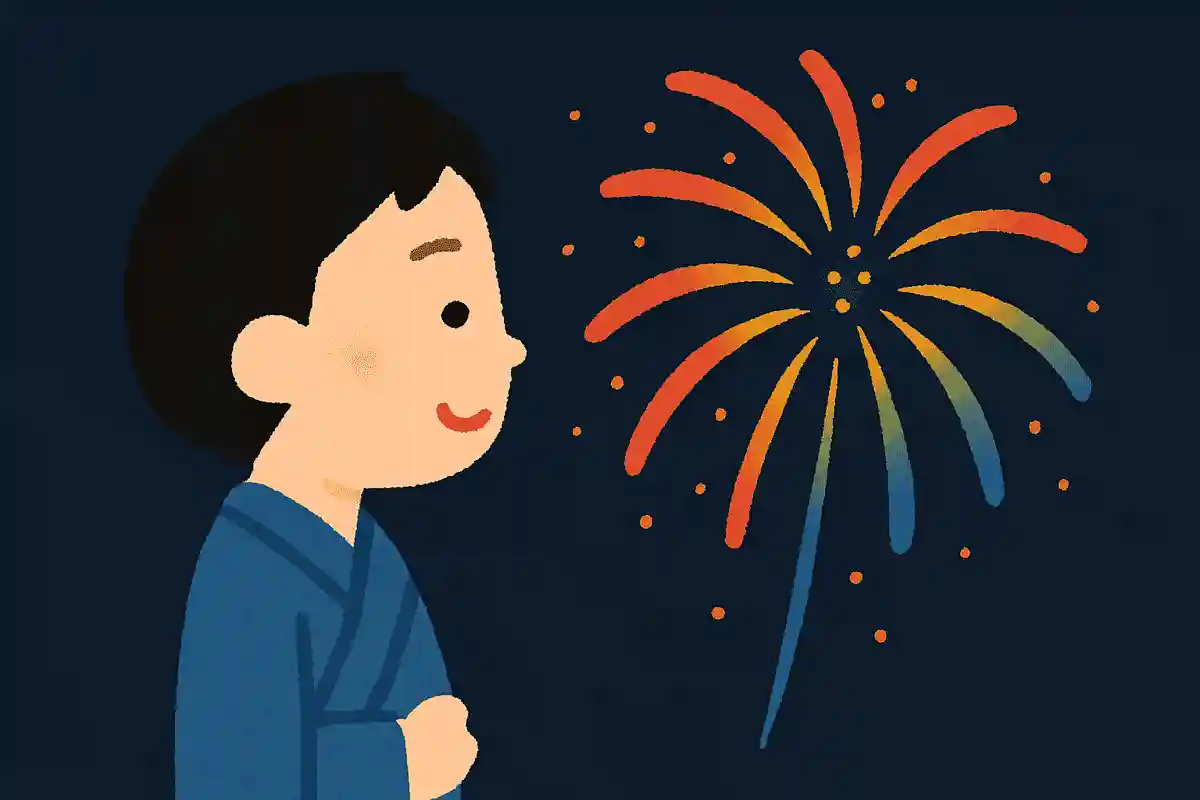
- circle
- triangle
- line
See the answer
line
Fireworks look round when viewed from above, but from the side they spread out flat, so they appear like thin “lines.” It’s fun how they can look like a completely different shape, isn’t it?
Where was the world’s largest fireworks shell—recognized by Guinness—launched?
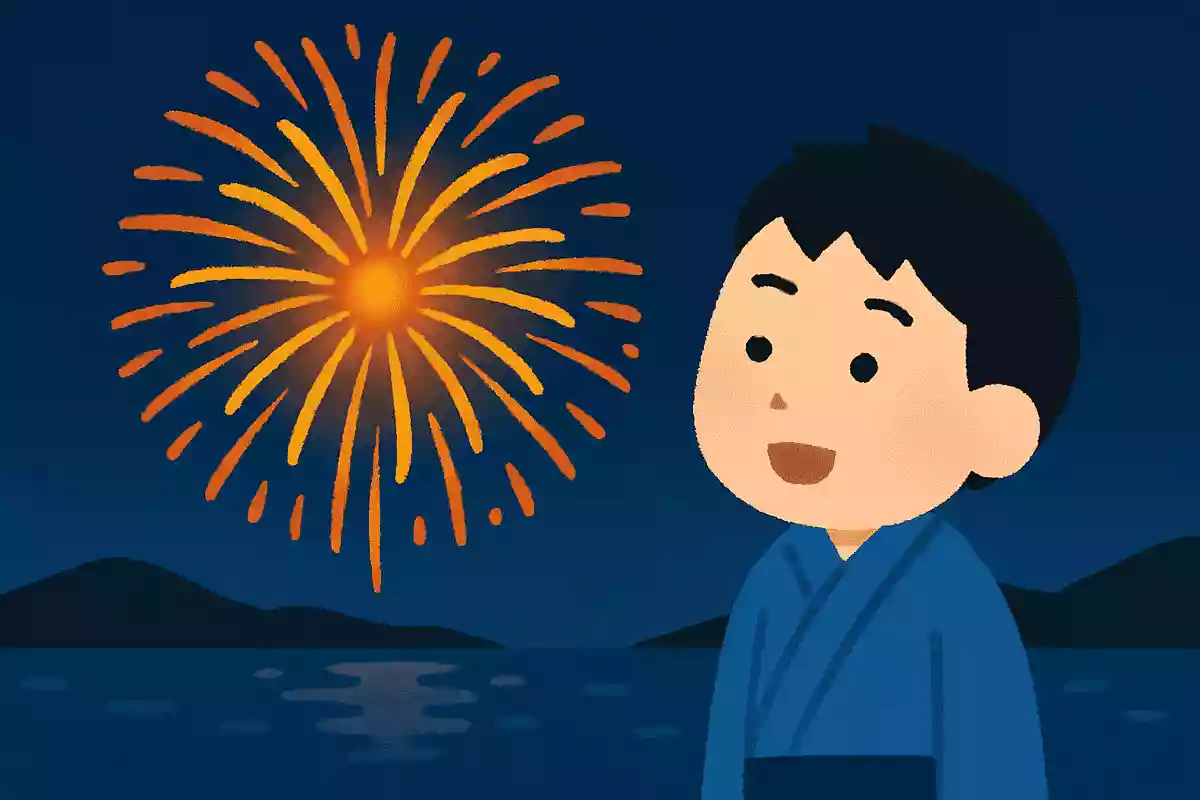
- Aomori Nebuta Festival
- Nagaoka Festival
- Katakai Festival
See the answer
Katakai Festival
The world’s largest aerial firework is launched at the Katakai Festival in Ojiya City, Niigata Prefecture. It’s called the “Sho Yonshaku-dama” (literally, a true 4-shaku shell). It has been recognized by Guinness World Records.
It used to be said abroad that the loudness of fireworks was important. What was the reason for that?
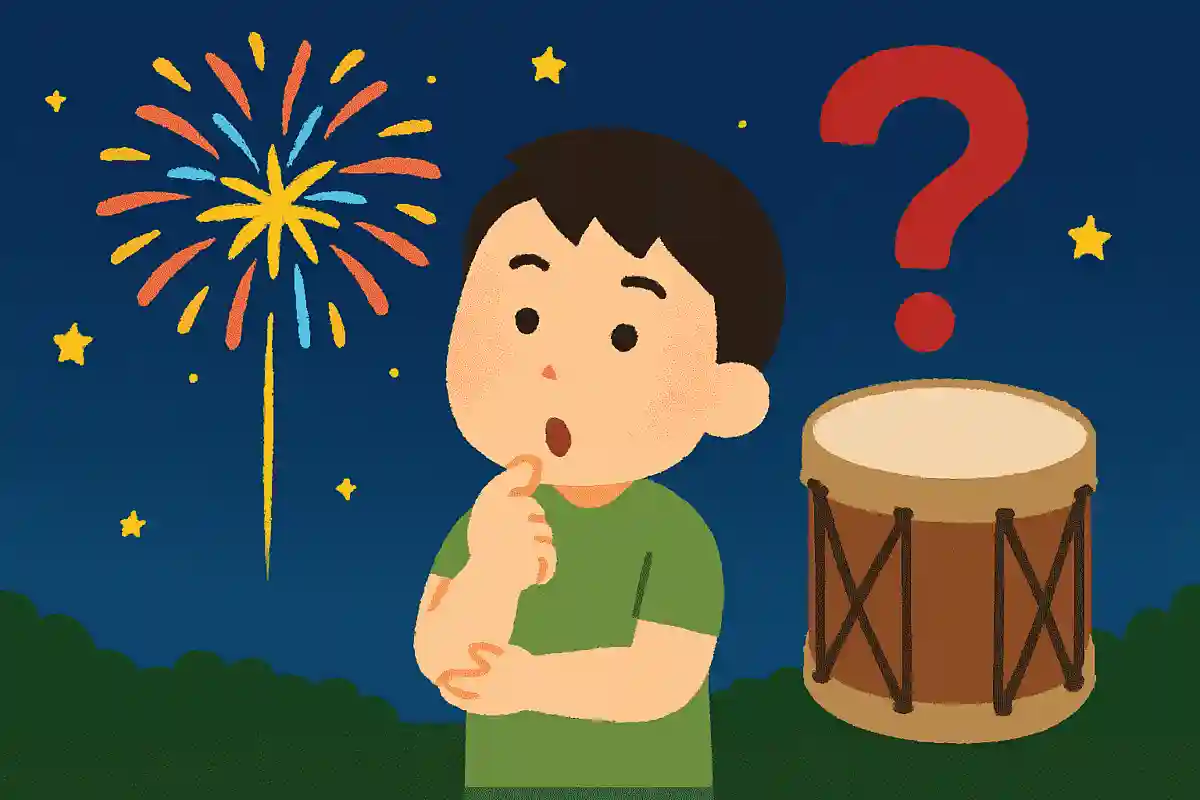
- To let people far away know that the festival has begun
- To startle animals and drive them away
- to ward off bad weather
See the answer
To let people far away know that the festival has begun
When fireworks first began to be used, they served to notify people far away of the start of festivals and events through their sound. For that reason, the loud noise was important as well.
At a fireworks festival, how high are the large fireworks—specifically size No. 10—launched?
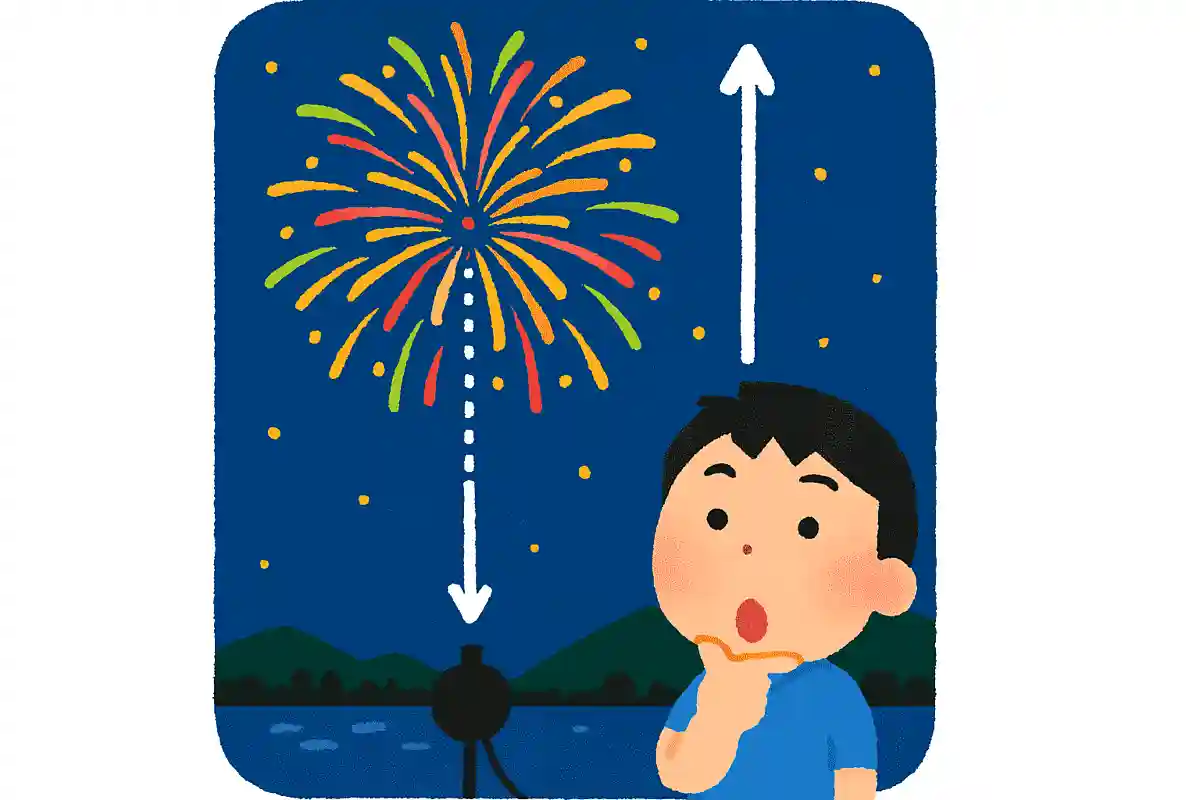
- about 100 meters
- about 300 meters
- about 1,000 meters
See the answer
about 300 meters
A large firework called a 10-inch shell is often used at fireworks festivals. This firework rises to about 300 meters before it bursts. That’s roughly the height of a 90-story building. By going up so high, the large, beautiful fireworks can be seen from a wide area.
When fireworks are launched, some people shout “Ta–ma–ya–!” and “Ka–gi–ya–!” Which of the following is the correct origin of these calls?
- Because they were words that describe the colors and shapes of fireworks.
- Because it was a charm to wish for fireworks to go up well
- Because they were calling the name of a famous fireworks master
See the answer
Because they were calling the name of a famous fireworks master
“Tamaya” and “Kagiya” are the names of famous fireworks artisans from the Edo period. The custom originated from shouting the artisans’ names as cheers to praise them for launching beautiful fireworks.
Which of these firework shapes has actually been launched?

- Heart-shaped
- Fish shape
- Bicycle shape
See the answer
Heart-shaped
In fact, heart-shaped fireworks are created through the ingenuity of skilled artisans and can be seen at fireworks festivals. However, fish-shaped or bicycle-shaped fireworks are extremely difficult to realize and, until now, have never been launched.