

Let’s learn more about hydrangeas! Trivia quiz and fun facts about hydrangeas for kids

Hydrangeas are flowers that bloom in the rainy season and change color.
Here, we introduce fun trivia quizzes and knowledge questions about hydrangeas for kids.
Hydrangeas can turn blue or pink depending on the soil’s components, and there are many varieties with different shapes.
They also have meanings in the language of flowers and are known as blooms that express kindness.
You can learn various aspects of history through hydrangeas, so we encourage both children and adults to give it a try together.
If this sparks your interest in hydrangeas, we hope you’ll look into them even more!
- Trivia about hydrangeas. A collection of fun facts related to ajisai (hydrangeas).
- Learn to Love the Rain! Fun Facts & Trivia Quiz about the Rainy Season for Kids
- [For Kids] Fun Summer Trivia Quiz & Facts
- [For Kids] Trivia Quiz & Fun Facts About Rain
- Make your summer festival even more fun! Trivia quizzes and fun facts for kids
- [For Elementary Students] Flower Kanji Quiz! How many flowers do you know?
- [Sakura Quiz] Trivia & Fun Facts Quiz about Cherry Blossoms for Kids
- Trivia quiz with useful tips to know: fun facts that come in handy at school or at home [for kids]
- [For Kids] Trivia & Fun Facts Quiz About June
- Speaking of summer, fireworks! Kid-friendly trivia quizzes and fun facts about fireworks
- September Trivia Quiz & Fun Facts! A Fun Autumn Quiz for Kids
- [For Elementary School Students] A Collection of Fun, Educational Quiz Ideas for Mother's Day
- [For Kids] Fun Facts & Trivia Quiz about Koinobori (Carp Streamers)
Let’s learn more about hydrangeas! Fun facts quiz and trivia questions about hydrangeas for kids (1–10)
What is the name of the largest hydrangea in the world?
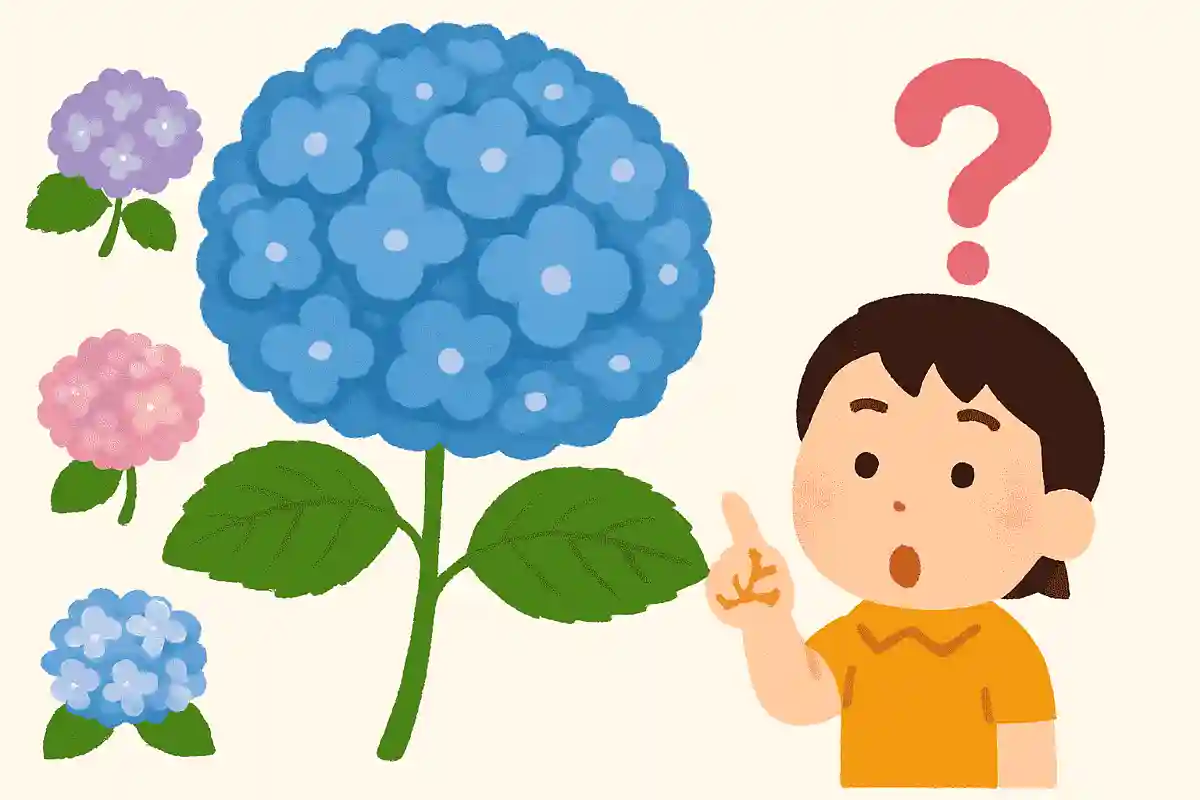
- Annabelle
- hydrangea macrophylla (lacecap hydrangea)
- Hydrangea
See the answer
Annabelle
Annabelle is a hydrangea native to the United States, famous for its large white blossoms. In particular, 'Annabelle' produces enormous flower clusters and is said to be the largest hydrangea in the world.

When is the season when hydrangeas bloom beautifully?

- spring
- summer
- rainy season (tsuyu)
See the answer
rainy season (tsuyu)
In Japan, hydrangeas mainly bloom beautifully during the rainy season. In June, when there is a lot of rain, the hydrangeas that bloom quietly and gracefully are truly lovely.
What in the soil causes the color of hydrangea flowers to change?
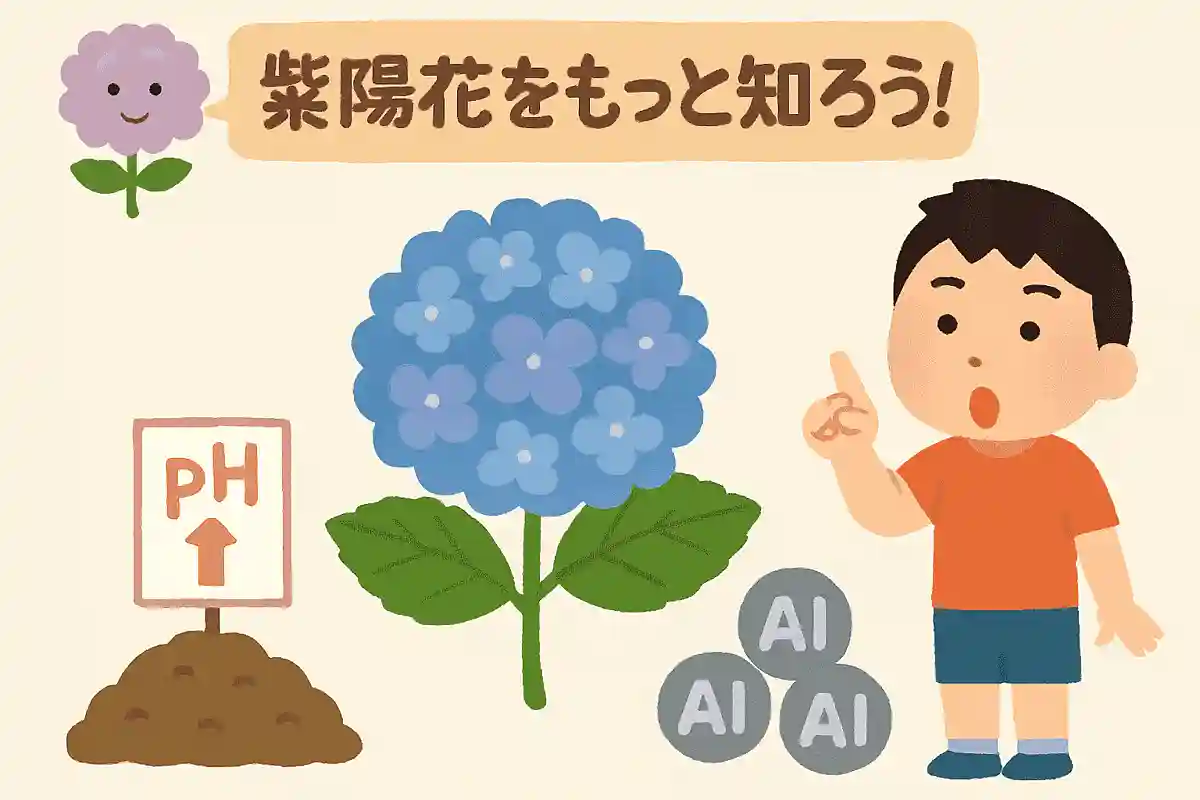
- moisture
- temperature
- sourness
See the answer
sourness
The color of hydrangea flowers changes depending on how acidic the soil is. This is called acidity. Strong acidity makes them blue, while strong alkalinity makes them pink.
Learn More About Hydrangeas! Trivia Quiz & Fun Facts for Kids About Hydrangeas (Questions 11–20)
Which confectionery has the name “Hydrangea”?

- dango
- jelly
- yokan (sweet red bean jelly)
See the answer
jelly
“Hydrangea jelly” is a type of Japanese confectionery that represents hydrangea flowers using colorful jelly. Its beautiful appearance makes it a popular sweet during the rainy season.
Where is the building named after hydrangeas located?
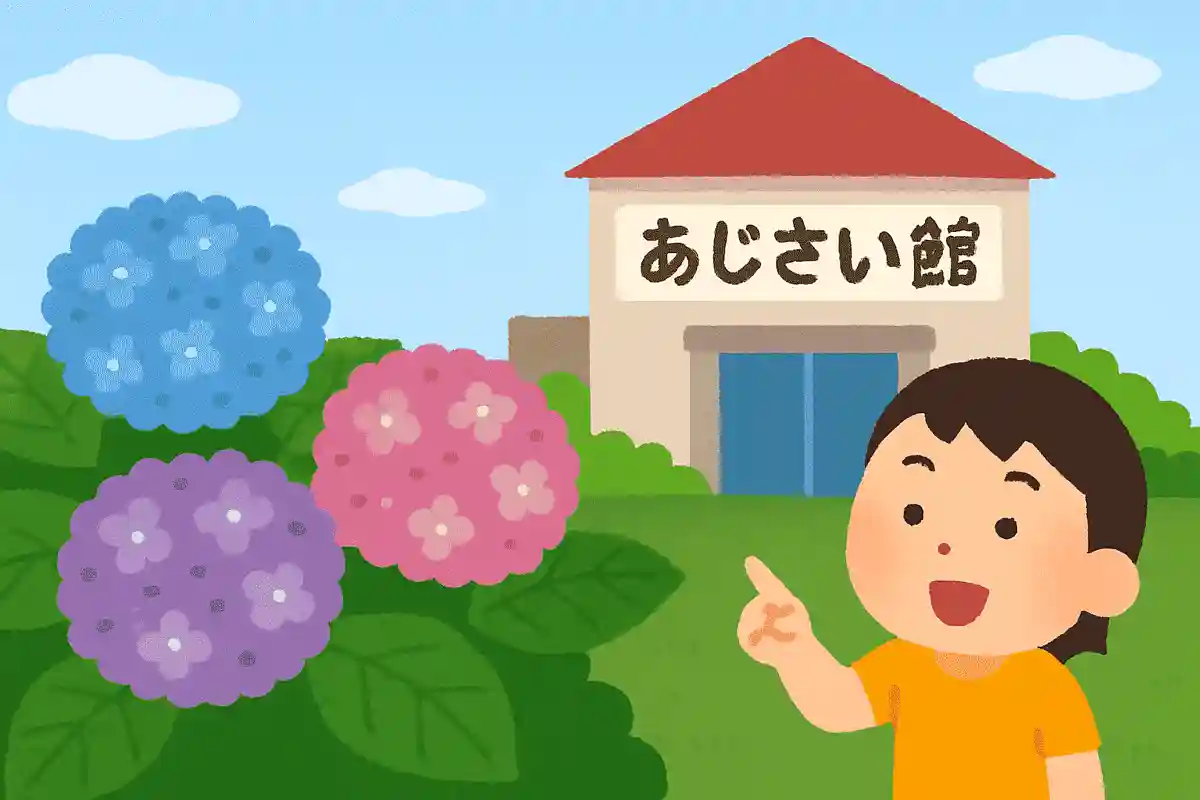
- Hydrangea Nursery School
- Hydrangea Library
- Hydrangea Station
See the answer
Hydrangea Station
Ajisai Station is the name of a station on the Iga Railway in Mie Prefecture. It is also sometimes used as a building name, such as Ajisai Hall. It can be fun to look into the different uses!
Why is hydrangea written with the kanji 紫陽花?
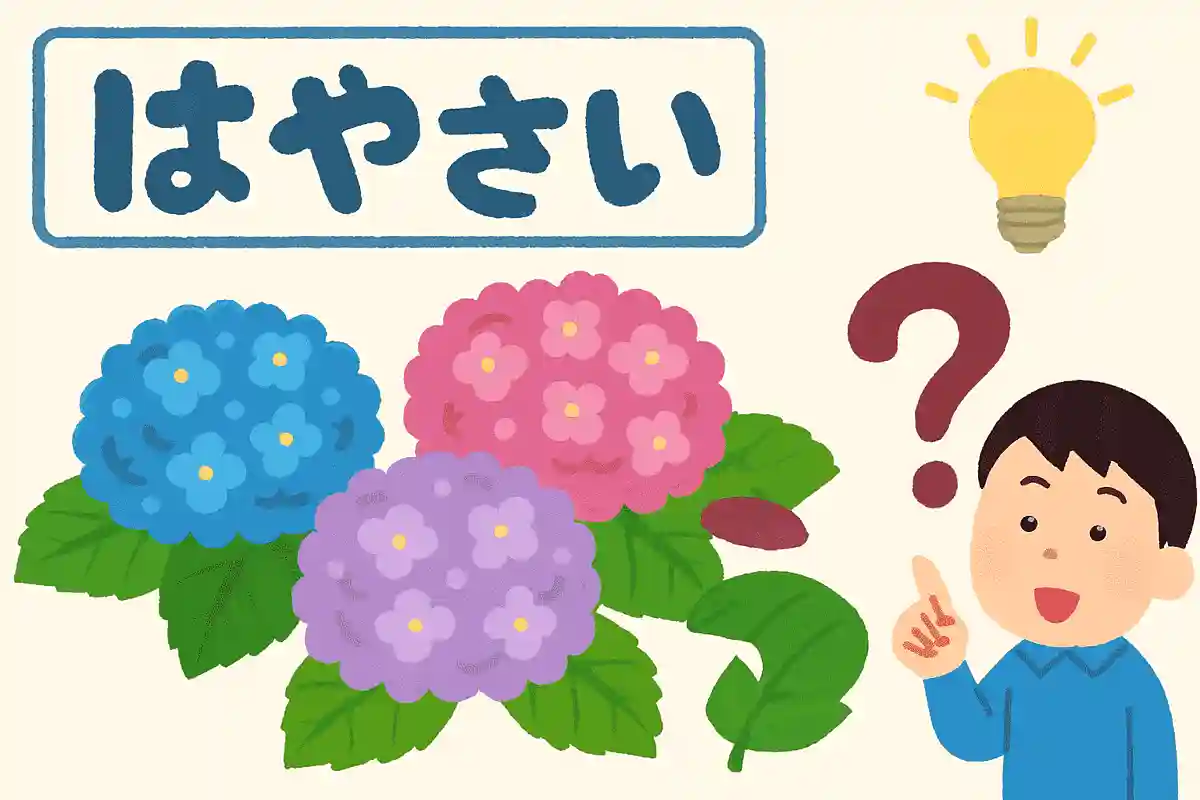
- Because the color of the flower is purple
- Because it blooms under the sunlight
- Because a flower’s name was mistakenly attached in a Chinese book
See the answer
Because a flower’s name was mistakenly attached in a Chinese book
It’s because the kanji “紫陽花,” which had been used for a different flower in ancient Chinese texts, came to be used for hydrangeas in Japan. It was originally the name of another flower, but by mistake it became the name for hydrangeas.
Why do hydrangeas bloom at the beginning of summer?

- Because there is a lot of rain in the summer, it grows easily.
- Because it's a flower that blooms in winter
- Because they are flowers for Obon
See the answer
Because there is a lot of rain in the summer, it grows easily.
Hydrangeas bloom vibrantly in early summer, when it becomes warm and there’s plenty of rain during the damp rainy season. Hydrangeas are flowers that love rain and warmth.