

Timelessly beautiful classical masterpieces. Recommended classical music.


A showcase of stunningly beautiful classics, all at once!
There are so many beautiful pieces in classical music, aren’t there?
This time, I’ve selected works that are especially beautiful—“classics that are just too beautiful.”
It’s a lineup of masterpieces that have been passed down through a long history.
When you think of beautiful classical music, many people imagine something calm and refreshing, but I’ve also picked pieces not only for solo piano but also for voice and full orchestra.
Now then, please take your time and enjoy!
- [Masterpiece Classics] A special showcase of gem-like masterpieces so beautiful they’ll move you to tears
- A poignant classic masterpiece. Recommended classical music.
- Cool classical masterpieces. Recommended classical music.
- [Orchestra] Introducing famous and popular pieces
- Classical masterpieces. Recommended classical music.
- [Violin] A curated selection of beloved classic masterpieces and popular pieces that continue to be cherished across eras
- Masterpieces of classical piano that are too beautiful for words. A gathering of delicate tones that cleanse the soul.
- Classical Masterpieces: Recommended Works You Should Hear at Least Once
- Mendelssohn’s Masterpieces | Popular Classical Music
- Today's Classics: Recommended classical music and great performances to listen to today
- [Ultra-Advanced] Even challenging for advanced players! A curated selection of highly difficult piano pieces
- Classical Music for Summer: A Selection of Cool and Refreshing Masterpieces
- Cello Masterpieces: A comprehensive introduction to exquisite classical works that let you savor its profound timbre
Too-beautiful masterpieces of classical music. Recommended classical pieces (11–20)
Piano Sonata No. 14 in C-sharp minor, Op. 27 No. 2 “Moonlight”Ludwig van Beethoven
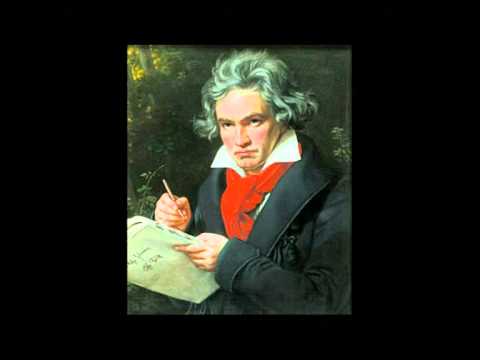
Although everyone associates this piece with the image of “Moonlight,” Beethoven himself titled it “Sonata quasi una fantasia.” There are several theories as to how the nickname “Moonlight” became established, but it is said to have spread because the German poet Rellstab—who wielded great influence as a music critic—heard the first movement and likened it to “a boat swaying on the moonlit waves of Lake Lucerne in Switzerland.” It is a work full of varied expression: a heartrendingly beautiful first movement, a charmingly melodic second movement, and a fiercely, breathlessly driving third movement.

Waltz No. 7Frederic Chopin

It is a beautiful masterpiece by Chopin, a composer emblematic of the Romantic era.
Composed between 1846 and 1847, this piece showcases advanced techniques that push the limits of the piano and shines with a distinctive poetic sensibility.
Consisting of three main themes, its shifts in tempo and key captivate listeners.
The melody, where elegance and passion intersect, unfolds as if weaving a story.
Many will find themselves entranced by the delicate emotional expression Chopin infused into each note.
It’s a recommended piece for those who want to become familiar with classical music or spend a quiet, reflective moment.
From the piano collection “A Story Close to True Events”: “Music Box”Charles-Henry

This piece is included in the piano collection “A Story Almost Based on True Events” by Charles-Henri, a composer born in 1909 in Oran, Algeria.
It is characterized by delicate, beautiful melodies, with a gentle sound reminiscent of a music box.
It carries a nostalgic yet dreamlike atmosphere, possessing a deep, moving charm.
As part of a collection released from the mid-2000s onward, it has also attracted attention in Japan.
Although written for solo piano, it offers a distinctive world view that hints at elements of contemporary music.
Its warm tone evokes childhood memories and moments of nostalgia, resonating deeply with the listener.
Pavane for the Newly Born Princess from The Five Forgotten LegendsCharles-Henry

The works of Charles-Henri, a composer from Oran, Algeria, are known for a distinctive style that fuses jazz and classical music.
One of his signature pieces is a short piano work included on the album Five Forgotten Legends.
Despite its brief runtime of about 1 minute and 25 seconds, it captivates with an elegant melody and unique harmonies.
The piece exudes a calm, gentle atmosphere, as if expressing blessings and affection for a newborn princess.
It’s an accessible work recommended even for those interested in classical music who find longer pieces challenging.
Lascia ch’io pianga (Let me weep) from the opera RinaldoGeorg Friedrich Händel

A famous aria from Act II of Handel’s opera Rinaldo.
Rinaldo was the first Italian opera Handel presented after arriving in London.
It is sung in a scene where the heroine Almirena, captured by an enemy sorcerer, laments her unhappy love as she longs for her beloved.
The piece is not only dark with sorrow over her pitiable situation, but also features a very sweet melody that symbolizes Almirena’s youth and beauty.
Clair de Lune from the Suite bergamasqueClaude Debussy

From the title “Clair de Lune,” one might imagine an otherworldly moonlit night.
However, what Debussy sought to portray was not merely a scene of moonlight.
The piece draws inspiration from “Clair de Lune,” a poem in French poet Verlaine’s collection Fêtes galantes.
In this poem, an ambiguous world is depicted, where opposing elements—joy and sorrow—are intricately intertwined.
Captivated by the poem, Debussy depicted this ambiguous world of “moonlight” without using words.
Masterpieces of Classical Music That Are Too Beautiful. Recommended Classical Music (21–30)
Piano Sonata No. 8 “Pathétique,” Second MovementLudwig van Beethoven
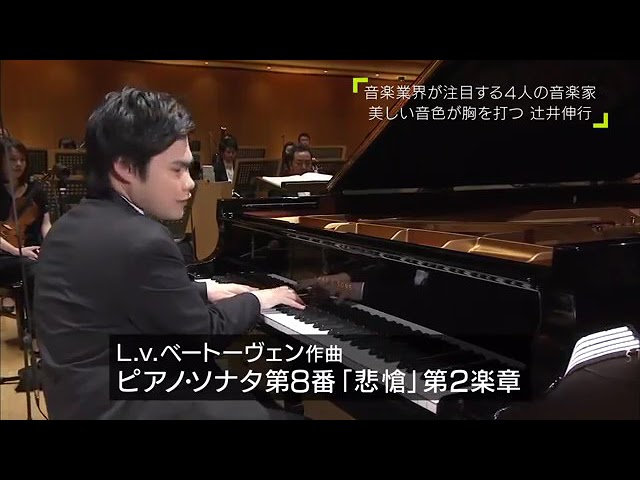
Piano Sonata No.
8 “Pathétique,” a hallmark of Beethoven’s early piano works.
Among its movements, the second is often said to be one of the most beautiful melodies Beethoven ever wrote, and it has been used frequently as incidental music in films and television dramas.
The melody itself is simple and the range is not particularly wide, but because the other parts have substantial thickness, the melody can easily get buried unless one plays while listening carefully to the balance.
Listen calmly, keeping in mind the gracefully flowing, unhurried melody that warmly envelops the listener’s heart, and the weighty chords that support it.
