




A showcase of stunningly beautiful classics, all at once!
There are so many beautiful pieces in classical music, aren’t there?
This time, I’ve selected works that are especially beautiful—“classics that are just too beautiful.”
It’s a lineup of masterpieces that have been passed down through a long history.
When you think of beautiful classical music, many people imagine something calm and refreshing, but I’ve also picked pieces not only for solo piano but also for voice and full orchestra.
Now then, please take your time and enjoy!
- [Masterpiece Classics] A special showcase of gem-like masterpieces so beautiful they’ll move you to tears
- A poignant classic masterpiece. Recommended classical music.
- Cool classical masterpieces. Recommended classical music.
- [Orchestra] Introducing famous and popular pieces
- Classical masterpieces. Recommended classical music.
- [Violin] A curated selection of beloved classic masterpieces and popular pieces that continue to be cherished across eras
- Masterpieces of classical piano that are too beautiful for words. A gathering of delicate tones that cleanse the soul.
- Classical Masterpieces: Recommended Works You Should Hear at Least Once
- Mendelssohn’s Masterpieces | Popular Classical Music
- Today's Classics: Recommended classical music and great performances to listen to today
- [Ultra-Advanced] Even challenging for advanced players! A curated selection of highly difficult piano pieces
- Classical Music for Summer: A Selection of Cool and Refreshing Masterpieces
- Cello Masterpieces: A comprehensive introduction to exquisite classical works that let you savor its profound timbre
Timelessly Beautiful Classical Masterpieces: Recommended Classical Music (1–10)
Étude Op. 10, No. 3 “Tristesse” (Farewell Song)Frederic Chopin
The opening melody is particularly famous—surely everyone has heard it at least once.
In Japan it is known as the “Farewell Song,” a name that took hold because the piece was used in the 1934 German film about Chopin’s life, Farewell Waltz.
Around the time this piece was composed, Chopin left his homeland of Poland and relocated to Paris.
His feelings then—overlapping dreams of success in Paris and nostalgia for the countryside—are vividly conveyed in the melody, which is warm yet at times intense.

Play of WaterJoseph-Maurice Ravel

A piece that portrays water endlessly changing its colors and expressions.
At the beginning of the score appears a line quoted from Henri de Régnier’s poem The Festival of the Water: “The river god, tickled by the water, smiles…” While the title was influenced by Liszt’s The Fountains of the Villa d’Este, Ravel seems to have aimed less at depicting the fountains themselves than at expressing the colors and sonorities of water as they shift with the play of light.
Pavane for a Dead PrincessMaurice Ravel

When people are asked to name a masterpiece of piano music, many might think of Pavane for a Dead Princess.
This work is a masterpiece by Maurice Ravel, a composer whose avant-garde musicality had a profound impact on contemporary music.
Although Ravel did not state his evaluation of this piece during his lifetime, in his later years he expressed a special affection for it.
Knowing this background can make the piece even more moving, so be sure to check it out.

Sonatina, Movement IIMaurice Ravel

Maurice Ravel is a French composer famous for works such as Boléro and Pavane for a Dead Princess.
Composed in 1903, this piece is a piano work in three movements, with the second movement in particular renowned for its beauty.
The world of sound woven from elegant dance rhythms and Ravel’s distinctive impressionistic harmonies makes you feel as if you are dreaming.
With its meticulous structure and rich expressiveness, this work is recommended not only for classical music fans but also for anyone who wants to bask in an elegant atmosphere.
Ravel himself is said to have enjoyed performing it, and it is full of allure that leaves a deep impression on listeners’ hearts.
VocaliseSergei Vasil’evich Rachmaninov
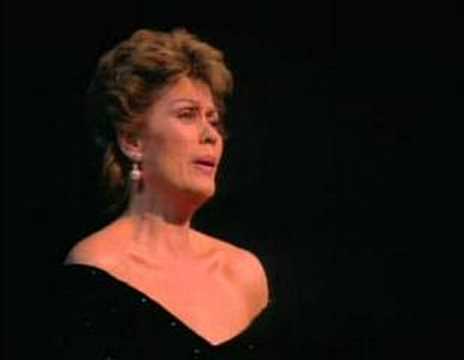
“Vocalise” is a musical term referring to a lyricless vocal exercise sung using one or more vowels.
In vocal music, practicing with the vowels “a-e-i-o-u” is indispensable for producing a beautiful singing voice, and in the 19th century many scores of vocalise études were published.
From around the end of the 19th century, vocalise began to be treated not merely as an exercise but as an art form.
This piece, too, though a song without words, continues to captivate listeners with its beautiful, heartrending melody.
Adagietto from Symphony No. 5Gustav Mahler

This is a part of a symphony by Gustav Mahler, a composer who bridged 19th- and 20th-century music.
Mahler was born in 1860 in the Austrian Empire and died in 1911.
His music incorporates elements of nature and folk music.
This piece is characterized by a beautiful melody for harp and strings and is said to embody Mahler’s love for his wife Alma.
Although it was not well received at its 1904 premiere, it has since become a popular work used in films and events.
Quiet yet imbued with strong emotion, it is recommended for moments when you want to calm your mind or reflect on someone dear to you.
Lord, I will draw near to You (Hymn No. 320)Eliza Flower

This hymn composed by Eliza Flower expresses deep faith and a longing for God.
It is characterized by a beautiful melody and moving lyrics, conveying a desire to draw near to God even amid adversity and suffering.
As the modern Catholic rendering “The path upward lies in the cross” suggests, the journey of faith entails hardship; nevertheless, the longing to come closer to God is strongly emphasized.
It is also known for its use in a memorable scene in the film Titanic and has the power to offer comfort and hope to listeners.
It is a recommended piece not only for those with faith in God but also for anyone feeling lost in life.